
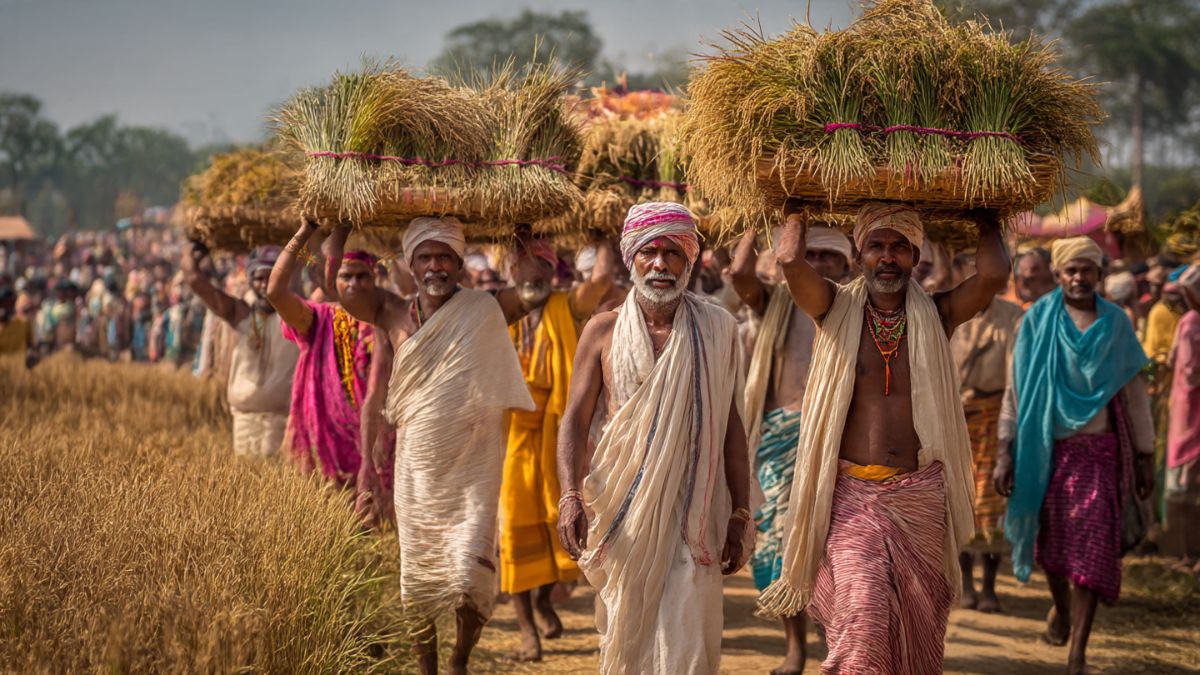
Intro: Nabanna Festival in Bengal
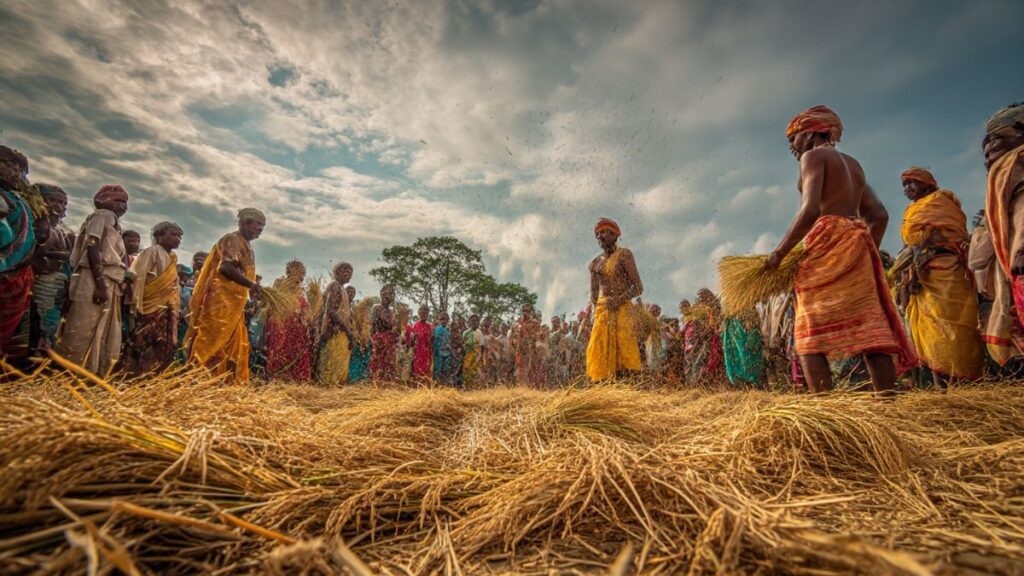
The Powerful and Positive Nabanna Festival once represented the heart of rural Bengal, symbolizing joy, unity, and gratitude for the year’s first harvest. Today, this traditional celebration is slowly disappearing, especially in places like West Bengal, where farmers still harvest golden Aman rice but rarely come together for the festive rituals.
The Fading Glory of Lalmonirhat’s Nabanna Festival
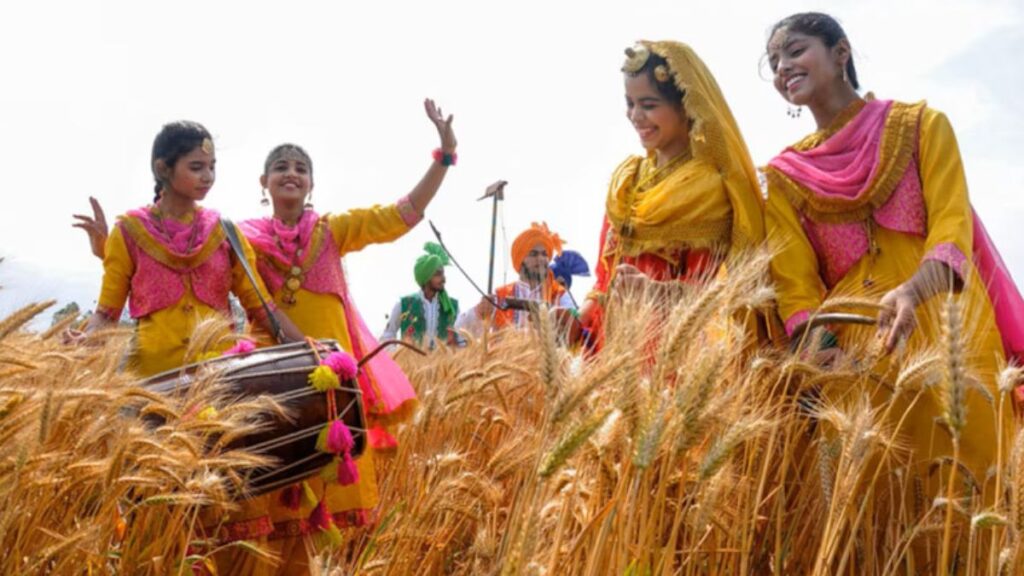
The rural landscape of Lalmonirhat still shines with golden paddy fields as winter arrives. Farmers are busy gathering Aman rice, the season’s most significant crop. Yet, something valuable is quietly slipping away—the once-vibrant Nabanna Utsab, a celebration that welcomed the first cooked rice of the new harvest.
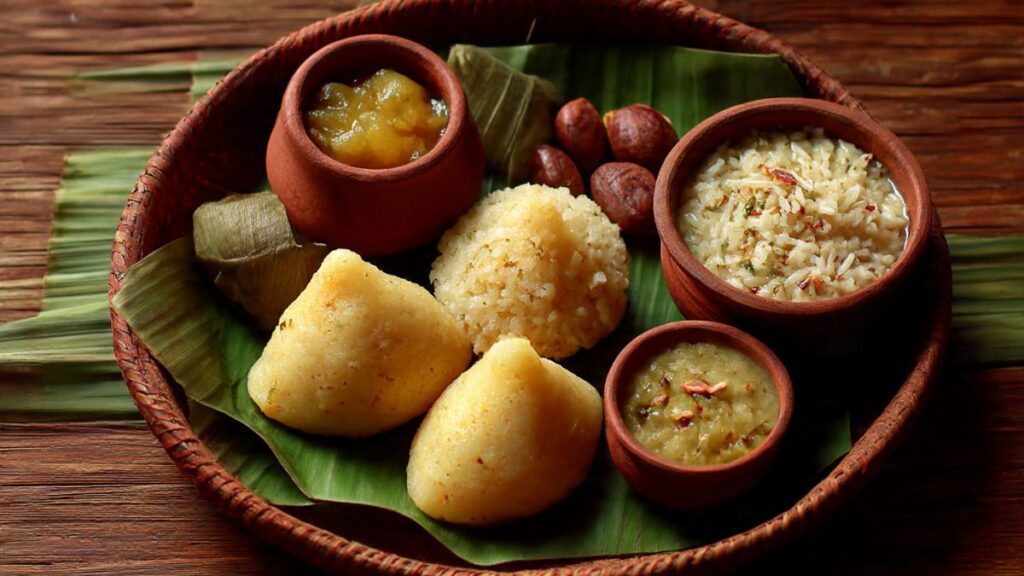
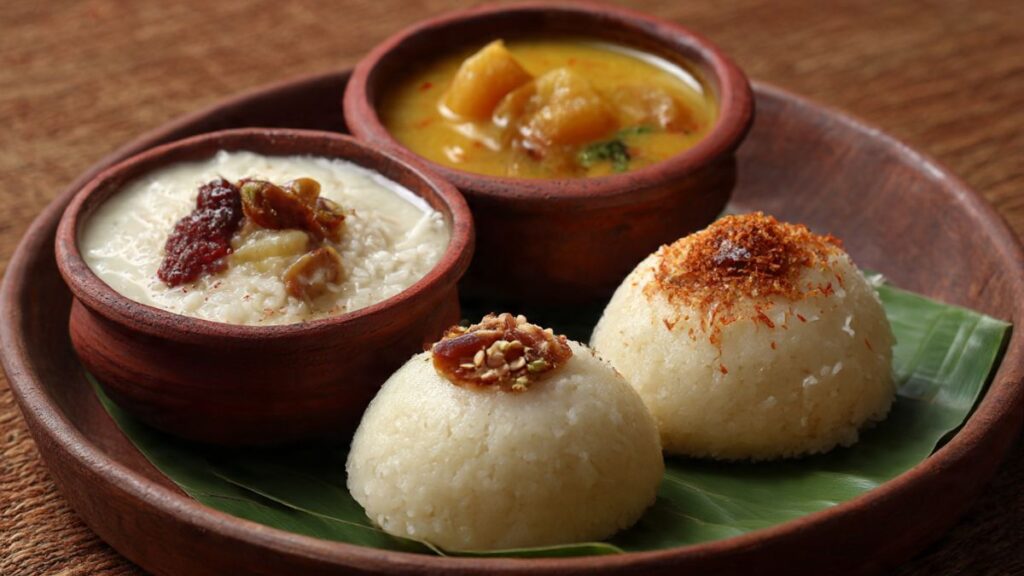
For generations, Nabanna symbolized prosperity, blessings, and community connection. Villagers would prepare pitha, payesh, and polao, sharing them with neighbors, imams, and children. However, in many villages today, this cherished practice has nearly vanished.
Memories of a Festival That Once United Villages
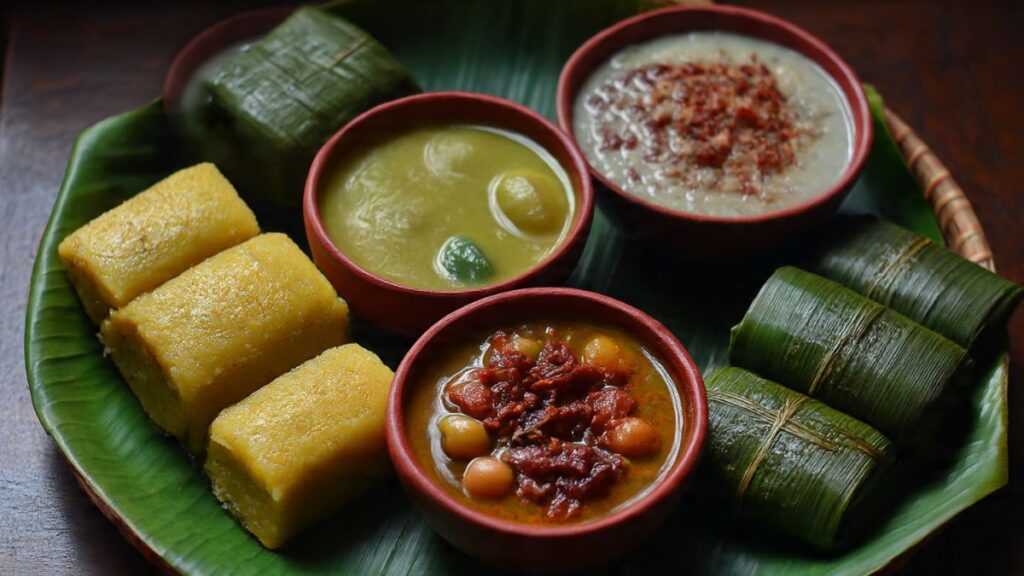
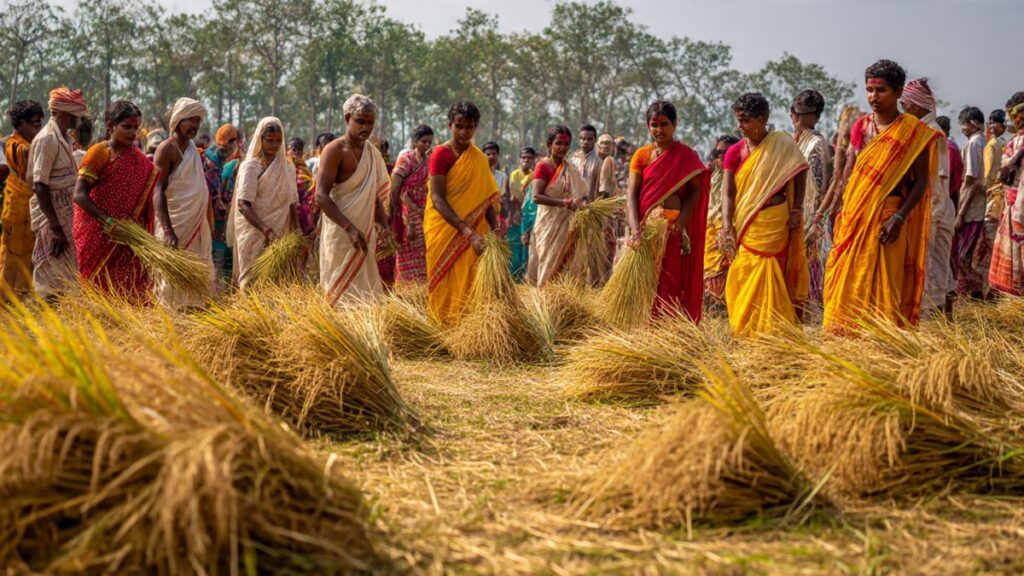
Many older residents remember the emotional and cultural importance of Nabanna.
Saiful Islam, an SSC student from Shialkhowa village, said he has only heard stories from elders about how people used to visit each other’s homes to share the first rice.
Similarly, 70-year-old farmer Shafique Mia from Aditmari upazila remembers a simpler time.
“We had less money but more joy. We made pitha, offered the first rice to imams, and shared food with neighbors. Today’s youth don’t even know what Nabanna means.”
Another farmer, Jomir Ali, mentioned that the tradition of giving the first plate of new rice to the imam for blessings has almost vanished.
Women also share their nostalgia. Saleha Begum said the communal act of cooking new rice, placing it at the entrance, and inviting the moulvi for Milad has disappeared.
Why Nabanna Is Disappearing
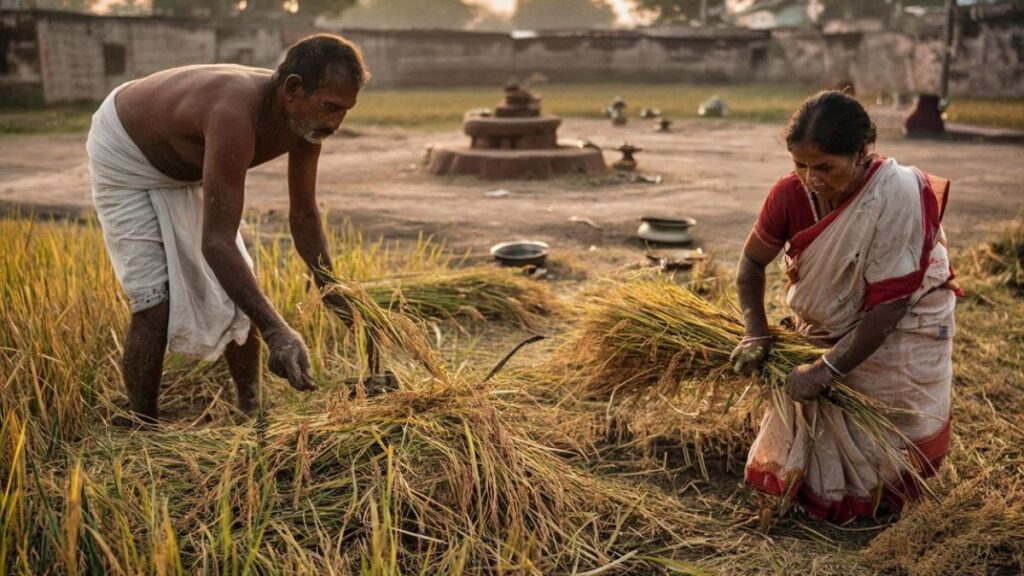
Sociologists and locals identify several significant social changes:
- A shift from farming to a market-driven lifestyle
- Youth moving to cities or abroad
- Digital distractions like mobile phones and TV
- Fewer community gatherings
- Increased individualism is replacing collective celebrations
Villagers note that while incomes have risen, happiness and togetherness have not followed suit.
Is Nabanna Still Alive? A Glimpse of Hope
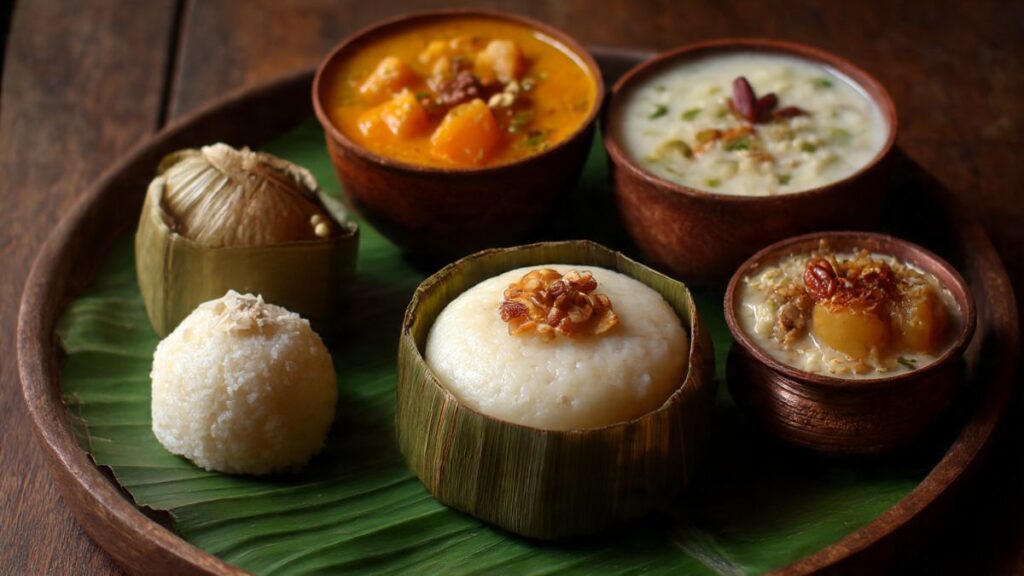
Agriculture Extension Officer Mozaker Noman explains that the celebration isn’t entirely lost. Some families still prepare:
- Pitha
- Puli
- Payesh
These small gestures help keep the Nabanna spirit alive, even though they happen on a smaller scale.
However, cultural observers worry that without active efforts to revive it, one of Bengal’s oldest traditions may vanish forever.
The Emotional Loss Behind a Cultural Shift
The fields of West Bengal remain unchanged—the paddy ripens, the winter breeze returns, and farmers bring home their harvest. But the festival that once filled homes with laughter, aromas, and blessings is now just a memory.
Elders believe Nabanna was not only a food festival—it was a foundation for social bonding. From sharing first rice dishes to exchanging stories and warmth, it fostered unity that modern life often lacks.
Today, there is new rice, but the familiar scent of the first cooked harvest—the soul of Nabanna—is gone.
Final Thoughts: Can Nabanna Be Revived?
Despite modernization, Nabanna remains a cultural treasure worth saving. Community-led celebrations, cultural programs, school awareness, and local government initiatives can help bring back this heartwarming tradition.
If preserved, Nabanna can continue to symbolize gratitude, unity, and the lasting spirit of rural Bengal for future generations.
Note: All information and images used in this content are sourced from Google. They are used here for informational and illustrative purposes only.
FAQ on the Nabanna Festival in Bengal
1. What is the Nabanna Festival in Bengal, and why was it once so important?
The Nabanna Festival in Bengal is a traditional harvest celebration marking the first cooking of newly harvested Aman rice. It symbolized prosperity, gratitude, and togetherness, bringing entire villages together to share pitha, payesh, and the season’s first rice.
2. Why is the Nabanna Festival in Bengal disappearing from rural areas like West Bengal?
The Nabanna Festival in Bengal is fading due to lifestyle changes, youth migration to cities, digital distractions, and the shift from agricultural life to a market-driven society. Though farmers still harvest the same rice, the spirit of communal celebration has weakened.
3. Do villagers still celebrate the Nabanna Festival in Bengal today?
Yes—although not as widely as before. Many families still make pitha, puli, and payesh from new rice. These small efforts help keep the Nabanna Festival in Bengal alive, though the grand celebrations of the past have become rare.
4. What traditions were once part of the Nabanna Festival in Bengal?
Traditionally, the Nabanna Festival in Bengal included cooking new rice, offering the first plate to imams for blessings, organizing Milad in homes, preparing seasonal sweets, and sharing food with neighbors. These acts strengthened social bonds across villages.
5. What do villagers say about the loss of the Nabanna Festival in Bengal?
Elders express sadness, saying people had less wealth but more joy in the past. They feel the Nabanna Festival in Bengal once brought unity and warmth, but today’s generation often doesn’t know its true meaning.
6. How did the Nabanna Festival in Bengal strengthen social relationships?
The Nabanna Festival in Bengal fostered natural bonding through shared food, communal cooking, storytelling, and visiting one another’s homes. It acted as a cultural thread connecting families and neighbors in rural Bengal.
7. Can the Nabanna Festival in Bengal be revived in the modern era?
Yes. With community initiatives, cultural programs, school activities, and support from local authorities, the Nabanna Festival in Bengal can return as a celebration of heritage, gratitude, and rural unity.
8. What role do elders play in preserving the Nabanna Festival in Bengal?
Elders are the memory-keepers of the Nabanna Festival in Bengal. Their stories, recipes, and rituals help younger generations understand its cultural value and inspire efforts to restore the festival.
9. Why is the Nabanna Festival in Bengal considered a cultural treasure?
The Nabanna Festival in Bengal represents Bengal’s agricultural roots, community life, and emotional connection with the harvest season. Saving it means preserving Bengal’s identity and rural traditions.
10. What makes the Nabanna Festival in Bengal unique compared to other harvest festivals?
The Nabanna Festival in Bengal is unique because it blends spiritual rituals, social bonding, food traditions, and heartfelt gratitude for the first harvest. Its essence lies not just in celebration, but in togetherness and shared blessings.






Leave a Reply