
Summary
Introduction: Understanding the Uttarakhand Cloudburst Tragedy
On August 5, 2025, a severe cloudburst hit the peaceful villages of Dharali and Sukhi Top in Uttarkhand’s Uttarkashi district. This event caused flash floods that destroyed homes, hotels, and livelihoods. The tragedy has left communities in shock, with at least four confirmed deaths and many people still missing. Rescue teams from the National Disaster Response Force (NDRF), State Disaster Response Force (SDRF), Indo-Tibetan Border Police (ITBP), and the Indian Army are working relentlessly to save lives. Chief Minister Pushkar Singh Dhami and Union Home Minister Amit Shah are actively monitoring the situation to ensure quick relief efforts. This blog post explores the heartbreaking events, ongoing rescue operations, and the resilience of Uttarakhand’s people in facing this natural disaster.
The Catastrophic Cloudburst in Dharali: A Village Devastated
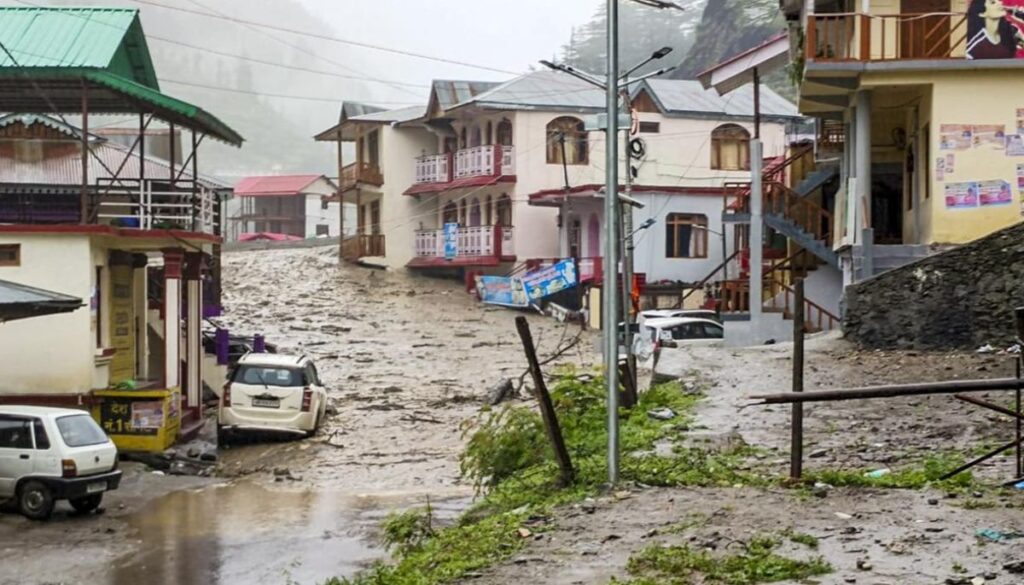
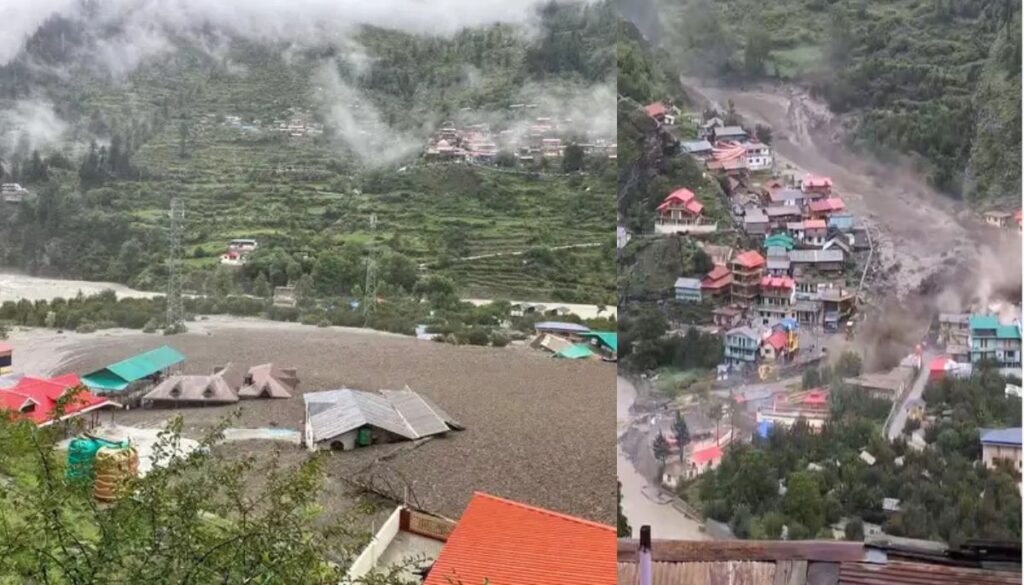
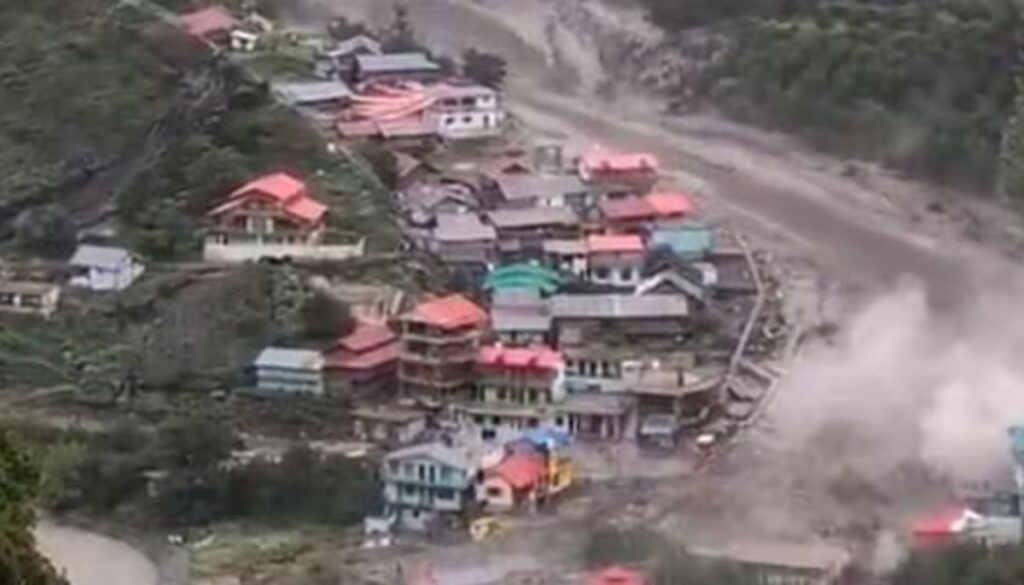
Dharali village, located along the scenic route to Gangotri Dham, serves as an essential stop for pilgrims and tourists, featuring hotels, homestays, and restaurants. On Tuesday afternoon, around 1:40 PM, a massive cloudburst in the catchment area of the Kheer Ganga river sparked a fierce flash flood. The sudden rush of water, filled with boulders and debris, surged through the village, destroying everything in its path. Homes, shops, and hotels were left in ruins, creating a scene reminiscent of the 2021 Chamoli disaster, which claimed over 200 lives.
Eyewitnesses shared harrowing accounts of the incident. “The water came in like a wall. Within moments, it swept away everything,” said Lokendra Bisht, a senior Bharatiya Janata Party (BJP) leader and homestay owner in nearby Harsil. Videos on social media showcased the sheer terror of the situation, capturing residents screaming and fleeing to higher ground as the muddy torrent engulfed their village. One distressing clip featured a local exclaiming in disbelief as the devastation unfolded.
Initial reports indicate at least four fatalities, with estimates of 10 to 12 people possibly trapped beneath the rubble. Local authorities worry the death toll may rise as rescue teams continue their search through the debris. The cloudburst caused extensive damage, with roughly 20 to 25 hotels and homestays entirely washed away, severely impacting the local economy dependent on pilgrimage tourism.
Sukhi Top: A Second Blow to Uttarkashi
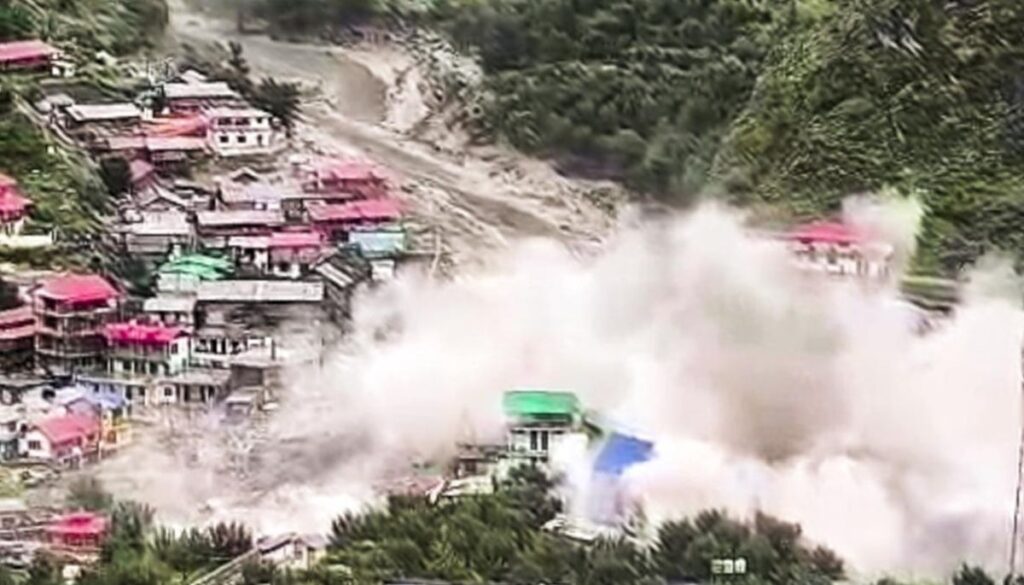
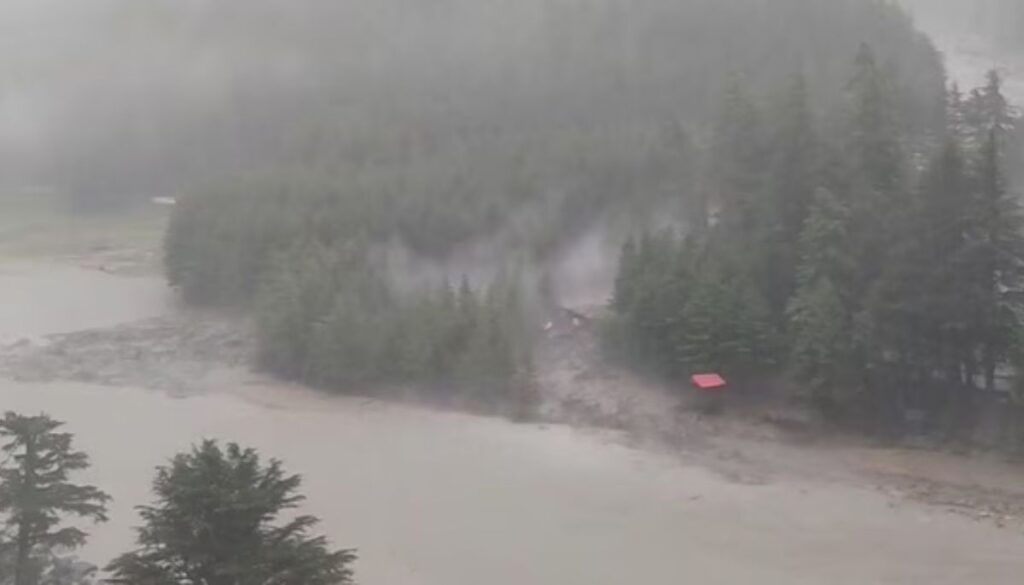
Just hours after the disaster in Dharali, another cloudburst hit Sukhi Top, located about 16 kilometers away, worsening the situation. This second wave of flash floods caused additional destruction, sweeping away homes and leaving residents terrified. The Indian Army reported that a large mudslide triggered a sudden rush of debris and water through Sukhi Top, echoing the earlier devastation in Dharali.
The consecutive cloudbursts have left Uttarkashi’s communities cut off due to blocked roads and disrupted communication lines. The Meteorological Department has issued warnings of heavy rain across Uttarakhand until August 10, raising concerns about more flooding in hilly areas. Authorities are advising residents to keep away from riverbanks and ensure the safety of children and livestock to avoid more tragedies.
Swift and Coordinated Rescue Operations
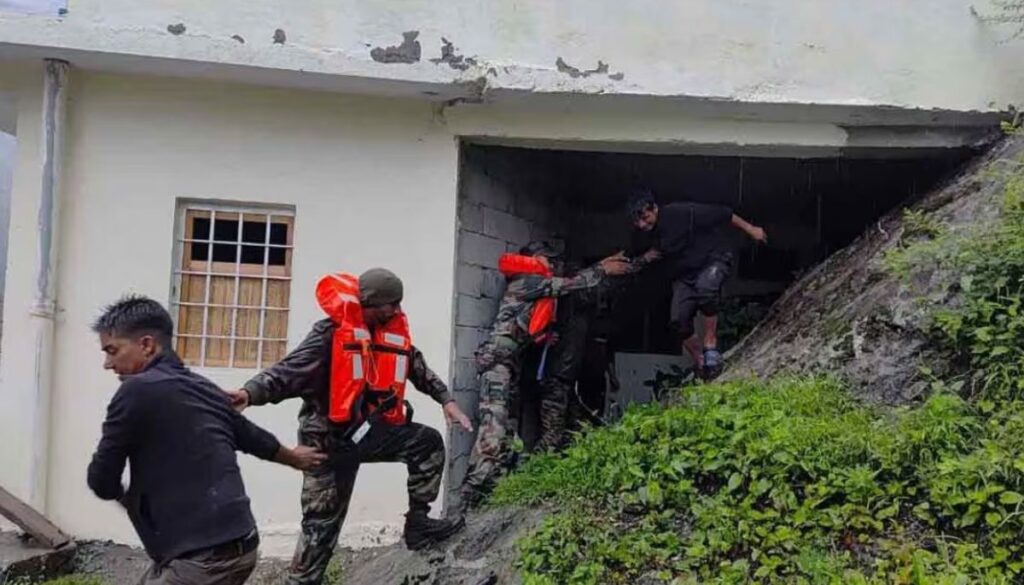
In response to the Uttarakhand cloudburst disaster, rescue operations were initiated immediately. The Indian Army’s Ibex Brigade, based in Harsil, was among the first responders, arriving within 10 minutes of the disaster. About 150 personnel were deployed, evacuating 15 to 20 individuals and providing medical care to the injured at the Army’s facility in Harsil.
The NDRF sent three teams from Manera, Batkot, and Dehradun, with two more teams on standby at Shashtradhar airstrip ready for airlifts. A 16-member ITBP team from the 12th Battalion in Matli arrived at the scene, with another unit on its way to support the efforts. The SDRF, equipped with specialized tools, is collaborating with the Army, ITBP, and local police to find survivors and remove debris.
Uttarkashi District Magistrate Prashant Arya confirmed that multiple agencies are deployed, stating, “Rescue teams from the district administration, police, NDRF, SDRF, and the Army are working tirelessly. We’ve confirmed four fatalities, and we are still assessing the full extent of the damage.” The situation is urgent, compounded by ongoing rainfall that hinders rescue efforts.
Chief Minister Pushkar Singh Dhami has taken a proactive approach, returning to Dehradun from Tirupati to supervise operations at the State Disaster Operations Center. “The loss of lives and property in Uttarkashi is tragic,” he said. “I have instructed the district administration to ensure swift and coordinated rescue and relief operations.” Dhami’s dedication to monitoring the situation highlights the state’s commitment to supporting its people.
Central Government’s Support: A Beacon of Hope
Union Home Minister Amit Shah quickly reached out to Chief Minister Dhami to evaluate the situation and promised full support from the central government. “The central government stands firmly with Uttarakhand in this difficult time,” Shah said, assuring that necessary personnel and resources, including NDRF teams, would continue to assist local authorities. Three ITBP teams and four NDRF units were sent to the affected areas, with more teams and helicopters ready.
Prime Minister Narendra Modi also expressed his condolences through a post on X, stating, “I express my condolences to the people affected by the tragedy in Dharali, Uttarkashi. I pray for the well-being of all the victims. Under the supervision of the state government, relief and rescue teams are engaged in every possible effort.” Modi’s commitment to assisting has lifted morale during the crisis.
The Human Toll and Community Resilience
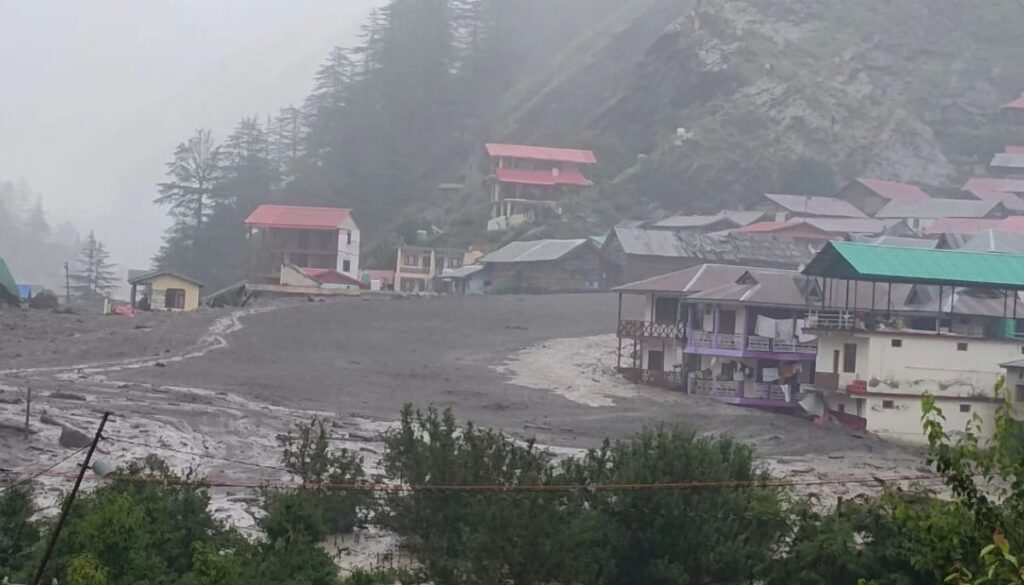
The Uttarakhand cloudburst tragedy has deeply impacted Dharali and Sukhi Top, where lives have been completely altered in a matter of moments. The loss of hotels and homestays has severely affected the local economy, especially since Dharali is a crucial hub for pilgrims visiting Gangotri Dham. Locals like Rajesh Panwar estimate that 20 to 25 structures were lost, leaving many families displaced.
Despite the destruction, the resilience of Uttarakhand’s people shines through. Videos from the site show residents trying to salvage belongings amid the chaos, while rescue teams work day and night to save lives. Temporary shelters and relief camps are being set up in safe areas to provide refuge for those displaced. The AIIMS Rishikesh Trauma Center has been placed on alert to treat any injured individuals airlifted from the region.
Lessons from the Past and Future Precautions
The cloudburst in Dharali and Sukhi Top reminds us of the 2021 Chamoli disaster, spotlighting the vulnerability of Uttarakhand’s hilly regions to extreme weather events. The commercialization of areas like Dharali, with increased construction disrupting natural drainage systems, has worsened the impact of such floods. Experts suggest that sustainable development practices and stricter building regulations could help reduce future risks.
The Meteorological Department’s warning of continued heavy rainfall until August 10 emphasizes the need for greater preparedness. Authorities have provided helpline numbers to assist those affected. Residents are advised to avoid unnecessary travel and remain alert.
Understanding the Uttarakhand Cloudburst Tragedy Summary
| Topic | Details |
|---|---|
| Date of Incident | Tuesday, August 5, 2025 |
| Location | Dharali and Sukhi Top, Uttarkashi district, Uttarakhand |
| Cause | Multiple homes, hotels, shops, homestays, and roads were destroyed |
| Time of Flash Flood | Around 1:40 PM IST |
| Casualties Reported | At least 4 people dead, several missing |
| Areas Affected | Dharali village, Sukhi Top, Harsil, Gangotri highway |
| Damages | Two 16-member teams from the 12th Battalion, Matli |
| Rescue Forces Deployed | NDRF, SDRF, District Administration, Police, Indian Army, ITBP |
| ITBP Teams | Similar to the 2021 Chamoli disaster |
| Chief Minister Statement | Pushkar Singh Dhami: “Rescue ops on war footing; monitoring situation closely” |
| Union Home Minister Action | Amit Shah assured full Central support; additional personnel and helicopters on standby |
| Eyewitness Account | “The water came like a wall… it swept away everything” – Lokendra Bisht |
| Comparison to Past Tragedies | Similar to 2021 Chamoli disaster |
| Current Status | Similar to the 2021 Chamoli disaster |
| Precautionary Measures | The area remains cut off due to road blockages and broken communication lines |
A Call for Solidarity and Support
The Uttarakhand cloudburst tragedy is a stark reminder of nature’s unpredictability and the importance of coming together in times of crisis. As rescue operations continue, the nation unites behind the people of Dharali and Sukhi Top. The coordinated efforts of the SDRF, NDRF, ITBP, and the Indian Army, supported by both state and central governments, demonstrate a unified commitment to saving lives and rebuilding communities.
For those wishing to help, staying informed through official channels and supporting relief efforts can make a significant difference. Recovery will take time, but with resilience, solidarity, and proactive efforts, Uttarakhand can emerge stronger from this disaster.
Uttarakhand Cloudburst Tragedy: Detailed Perspective
| Category | Details |
|---|---|
| Event Overview | Uttarakhand Cloudburst struck Dharali and Sukhi Top on August 5, 2025, unleashing torrential rainfall and flash floods that reshaped the valley overnight. |
| Location Impact | Uttarakhand Cloudburst devastated Uttarkashi’s serene landscapes, transforming pilgrimage routes into perilous flood zones within minutes. |
| Human Toll | Uttarakhand Cloudburst claimed at least four confirmed lives, leaving several others missing as rescue teams search through mud and debris. |
| Economic Loss | Uttarakhand Cloudburst caused massive financial losses, destroying 20–25 hotels, homestays, and small businesses dependent on tourism. |
| Environmental Impact | Uttarakhand Cloudburst eroded fertile soil, uprooted trees, and disrupted the delicate mountain ecosystem vital to the Ganga basin. |
| Rescue Operations | Uttarakhand Cloudburst prompted immediate action from NDRF, SDRF, ITBP, and Indian Army teams working around the clock to save lives. |
| Local Heroes | Uttarakhand Cloudburst highlighted local villagers’ bravery as they risked their lives to pull survivors from flooded buildings and rubble. |
| Government Response | Uttarakhand Cloudburst drew swift intervention from CM Pushkar Singh Dhami and Home Minister Amit Shah, ensuring coordinated relief. |
| Central Support | Uttarakhand Cloudburst gained national attention with Union Home Ministry deploying extra helicopters and NDRF units for rapid response. |
| Weather Conditions | Uttarakhand Cloudburst was triggered by intense monsoon activity in the upper Himalayas, with rainfall exceeding 120mm within one hour. |
| Infrastructure Damage | Uttarakhand Cloudburst washed away key bridges and sections of the Gangotri highway, isolating several mountain villages. |
| Eyewitness Accounts | Uttarakhand Cloudburst survivors described it as “a wall of water” that swept through the valley, giving residents no time to react. |
| Communication Disruption | Uttarakhand Cloudburst knocked out mobile networks and electricity, making coordination difficult in the first critical hours. |
| Community Resilience | Uttarakhand Cloudburst revealed the mountain communities’ resilience, with locals providing food and shelter to stranded travelers. |
| Medical Aid | Uttarakhand Cloudburst led AIIMS Rishikesh and Dehradun hospitals to remain on high alert to treat injured victims airlifted from the site. |
| Tourism Impact | Uttarakhand Cloudburst struck at the peak of the Gangotri pilgrimage season, heavily affecting the region’s tourism-driven economy. |
| Safety Warnings | Uttarakhand Cloudburst prompted authorities to issue red alerts across Uttarkashi, Chamoli, and Rudraprayag for potential flash floods. |
| Media Coverage | Uttarakhand Cloudburst became a trending topic nationwide, with drone footage showing the sheer magnitude of destruction and chaos. |
| Comparative Context | Uttarakhand Cloudburst mirrored the 2021 Chamoli disaster, underscoring the recurring pattern of unplanned development in fragile zones. |
| Climate Change Factor | Uttarakhand Cloudburst reignited debates on climate change, as rising global temperatures intensify Himalayan weather patterns. |
| Infrastructure Critique | Uttarakhand Cloudburst exposed weaknesses in drainage systems and overconstruction near riverbanks without ecological planning. |
| Local Economy Recovery | Uttarakhand Cloudburst forced local businesses to depend on government relief funds and community crowdfunding for recovery. |
| Religious Significance | Uttarakhand Cloudburst disrupted the holy Gangotri Yatra, stranding pilgrims and raising calls for safer spiritual tourism infrastructure. |
| Relief Efforts | Uttarakhand Cloudburst led to temporary camps in higher villages, providing shelter, food, and medical support for over 200 displaced people. |
| Administrative Challenges | Uttarakhand Cloudburst tested the coordination among state and central agencies, emphasizing the need for a unified disaster protocol. |
| Emotional Impact | Uttarakhand Cloudburst left survivors traumatized, with many losing their homes and loved ones in a matter of minutes. |
| Social Media Response | Uttarakhand Cloudburst drew messages of solidarity and donation drives across India, reflecting the nation’s compassion in crisis. |
| Scientific Observations | Uttarakhand Cloudburst emphasized the importance of real-time weather tracking and satellite monitoring for early disaster alerts. |
| Policy Implications | Uttarakhand Cloudburst urged the government to revisit construction guidelines and improve sustainable hill area management. |
| Future Preparedness | Uttarakhand Cloudburst reinforced the need for long-term rehabilitation plans, flood forecasting, and eco-sensitive development. |
| Public Solidarity | Uttarakhand Cloudburst brought NGOs, locals, and defense forces together, proving collective humanity’s strength in adversity. |
| Hope Amid Despair | Uttarakhand Cloudburst became a story not just of tragedy but of unity, courage, and determination to rebuild what was lost. |
Note: All information and images used in this content are sourced from Google. They are used here for informational and illustrative purposes only.
Frequently Asked Questions (FAQ) on Uttarakhand Cloudburst
Q1. What caused the flash floods in Uttarakhand’s Dharali and Sukhi Top?
A massive cloudburst in the catchment area of the Kheer Ganga river in Uttarkashi district triggered the flash floods. This led to a sudden surge of water, boulders, and debris sweeping through high-altitude villages.
Q2. When did the incident occur?
The cloudburst and resulting flash floods occurred on Tuesday afternoon, August 5, 2025, around 1:40 PM IST.
Q3. Which areas were worst affected by the cloudburst?
The worst-hit areas include Dharali village and Sukhi Top in the Uttarkashi district. Dharali is a key stopover on the way to Gangotri Dham.
Q4. How many casualties have been reported so far?
As per official reports, at least four people have died. Several others are missing, and the actual toll may rise as rescue operations continue.
Q5. What kind of damage has been caused?
The flash flood destroyed multiple houses, hotels, shops, and homestays. Roads have been blocked, and communication lines are down in several places.
Q6. What rescue efforts are underway?
The NDRF, SDRF, the Indian Army, the district administration, and the police are conducting rescue operations. Two 16-member ITBP teams have also been deployed to assist in relief efforts.
Q7. Are temporary shelters being provided for affected residents?
Yes, temporary shelters and relief camps are being established in safer zones for displaced residents.
Q8. What has the government said about the disaster?
Uttarakhand Chief Minister Pushkar Singh Dhami expressed deep sorrow and assured that all necessary rescue operations are being conducted on a war footing. Union Home Minister Amit Shah also assured full support from the central government.
Q9. Are more cloudbursts expected in the area?
While there’s no confirmed forecast for further cloudbursts, the region remains vulnerable due to ongoing monsoon activity. Authorities have advised people to stay alert and avoid riverbanks.
Q10. How can people contribute or help during this crisis?
People can support relief efforts by donating to verified disaster relief funds or volunteering through registered NGOs. It’s also important to avoid spreading unverified information that can cause panic.