
Bihar Votes Big: 7 Key Insights on How SIR Boosted Voter Turnout in 2025 Assembly Elections
The report on Bihar’s voter turnout highlights a significant shift in the state’s political landscape. According to the Election Commission of India (ECI), the first phase of polling in 121 constituencies achieved an impressive 64.66% voter turnout by 8:30 PM on Thursday. This marks the highest turnout in any Bihar election since 2010. The rise in participation raises questions about whether the Special Intensive Revision (SIR) of electoral rolls truly revitalized voting or just fixed past errors.
Record-Breaking Turnout in Bihar’s First Phase
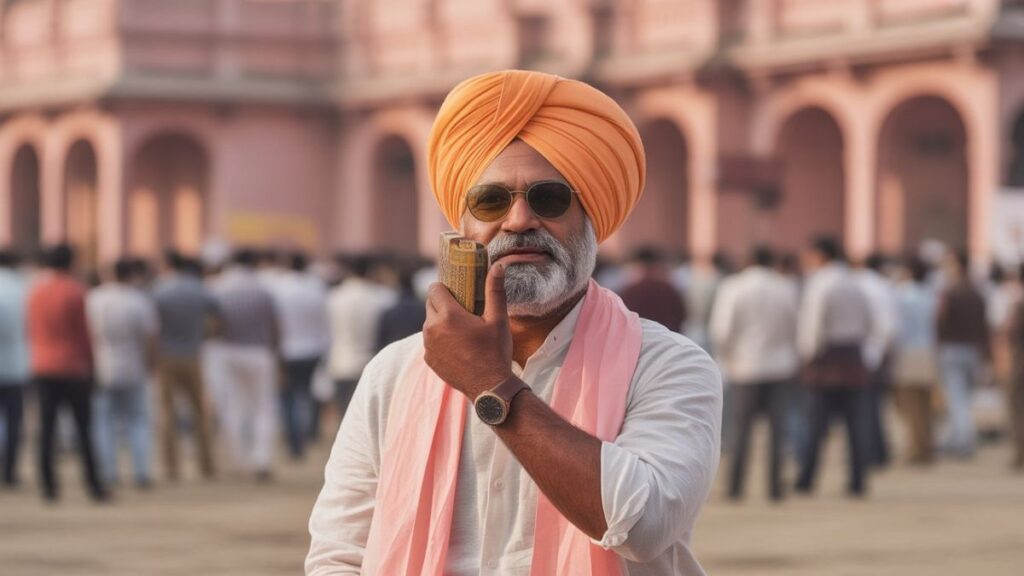
The first phase of the Bihar Assembly Elections 2025 included 121 out of 243 constituencies, marking the halfway mark in this critical contest. The turnout of 64.66% exceeded the 2024 Lok Sabha polls by 9.3% and the 2020 state elections by 8.8%. This marks the highest recorded turnout in over a decade.
Notably, this increase occurred despite a drop in the total number of registered voters after the SIR process, which removed about 3.07 million names statewide—roughly 4% of Bihar’s total electorate. This situation—fewer registered voters yet higher turnout—led experts to conclude that SIR did not reduce genuine voter participation. Instead, it cleaned up the voter rolls by eliminating duplicates and inactive entries.
Understanding the SIR Impact on Voter Turnout
The ECI’s Special Intensive Revision (SIR) aimed to improve the accuracy and transparency of Bihar’s voter rolls. Critics were initially worried it might disenfranchise honest voters. However, data from the first phase suggests otherwise.
Electoral Roll After SIR: 37.37 million electors
Final ECI Count for Polling: 37.51 million (slightly higher)
Actual Votes Cast: 24.3 million
In comparison, 21.55 million voters cast their ballots in these same constituencies during the 2024 Lok Sabha elections. This indicates an increase of nearly 2.8 million votes. This growth suggests that SIR likely removed inactive or duplicate entries while keeping active voters, improving the credibility and accuracy of the voting process.
Voter Growth Pattern Over the Years
The trends in voter turnout in Bihar reveal a story of increasing civic engagement:
2010–2015: Electors rose by 21.7%, voters by 30.5%.
2015–2020: Both electors and voters increased by around 9%.
2020–2025: Electors grew by only 1.1%, but voters surged by 17.1%.
This clearly indicates that even with limited new voter additions, Bihar’s citizens actively participated—showing greater voter awareness and better roll management after SIR.
High-Profile Battles in Phase 1
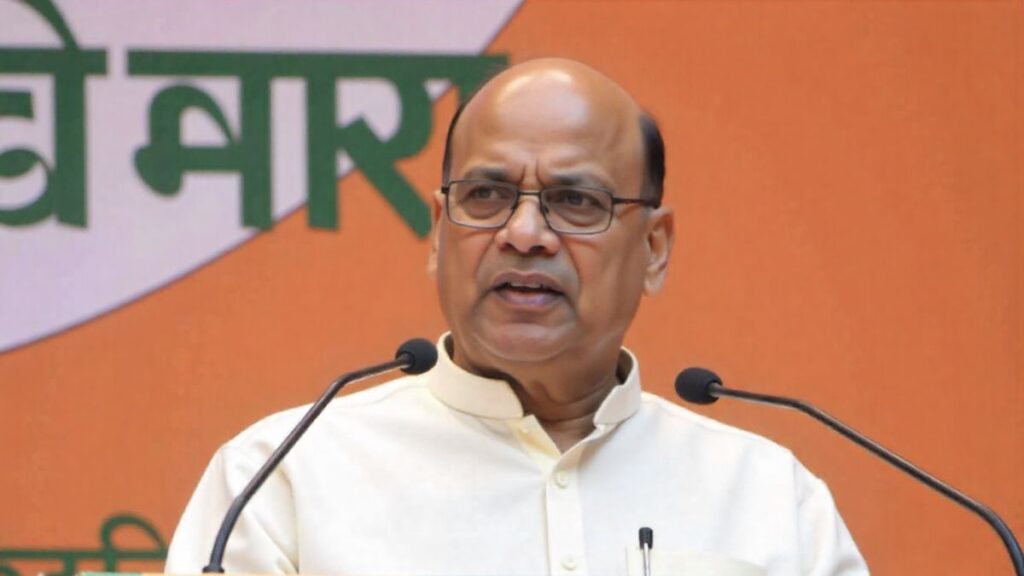
The first phase featured not only numbers but also fierce political rivalries. Key figures included:
Tejashwi Yadav and Tej Pratap Yadav, competing due to family disputes.
BJP’s Maithili Thakur, a folk singer from Alinagar, and Mangal Pandey from Siwan.
JD(U)’s Anant Kumar Singh from Mokama.
Jan Suraaj Party’s Krishna Chandra Sinha from Kumhrar.
The Mahagathbandhan (RJD-Congress-Left) seeks to unseat CM Nitish Kumar, while the rise of Jan Suraaj Party (JSP) and the Grand Democratic Alliance—comprising AIMIM, Azad Samaj Party, and Apni Janata Party—has fragmented traditional voter support, especially among Muslims, Dalits, and EBCs.
SIR and Bihar’s Democratic Renewal
The Bihar SIR voter list revision has become an unexpected success. Instead of excluding active voters, it seems to have boosted participation by making the voter base more accurate and engaged. The sharp rise in turnout, despite a decrease in the number of electors, supports the ECI’s goal of creating a clean and transparent electoral roll.
Experts believe this trend could serve as a model for other states, showing that a data-driven approach to revising voter rolls can strengthen democracy.
Conclusion: Bihar’s Voters Reclaim the Ballot with Confidence
The report on Bihar’s voter turnout reflects a deeper democratic transformation. With record participation, clearer voter rolls, and lively competition, Bihar’s 2025 Assembly Elections showcase a stronger and more transparent democracy.
As the state awaits results on November 14, it is clear that Bihar’s voters have made their voices heard, reaffirming their faith in the democratic process and demonstrating that a clean voter list can indeed lead to a stronger electoral presence.
Note: All information and images used in this content are sourced from Google. They are used here for informational and illustrative purposes only.
Frequently Asked Questions (FAQs) About Bihar Votes Big: 7 Key Insights on How SIR Boosted Voter Turnout in 2025 Assembly Elections
1. What does the phrase Bihar Votes Big mean in the context of the 2025 Assembly Elections?
Bihar Votes Big refers to the record-breaking 64.66% voter turnout achieved during the first phase of the 2025 Bihar Assembly Elections. This marks the highest voter participation in the state since 2010, showing an impressive increase compared to the 2020 Assembly and 2024 Lok Sabha polls.
2. How did the Special Intensive Revision (SIR) contribute to the success of Bihar Votes Big?
The SIR (Special Intensive Revision) conducted by the Election Commission of India (ECI) ensured a cleaner, more accurate voter list. Despite deleting around 3.07 million inactive or duplicate names, Bihar saw a massive rise in actual voter turnout, proving that SIR helped improve transparency and encourage genuine voter participation.
3. Why is Bihar Votes Big considered a turning point in the state’s political history?
Bihar Votes Big symbolizes a democratic renewal. It reflects a voter-driven movement where citizens reclaimed confidence in the electoral process. With 17.1% growth in voters despite minimal increase in new electors, the 2025 election demonstrates Bihar’s growing political awareness and civic responsibility.
4. How does Bihar Votes Big compare to previous elections in terms of voter engagement?
In earlier elections, Bihar’s turnout had stagnated. Between 2010 and 2015, voter numbers grew by 30.5%, and between 2015 and 2020, by about 9.5%. In contrast, the 2025 polls saw a 17.1% increase, even with a limited rise in electors. This makes Bihar Votes Big a milestone for voter engagement in the state.
5. What does the Bihar Votes Big turnout say about the success of voter roll cleanup?
The strong turnout under Bihar Votes Big proves that removing non-active voters did not harm participation. Instead, the refined electoral rolls encouraged more genuine voters to cast their ballots, reinforcing the idea that accuracy in voter lists strengthens democracy, rather than restricting it.
6. Which prominent leaders were part of Bihar Votes Big during Phase 1 polling?
The first phase of Bihar Votes Big featured major political contenders, including:
- Tejashwi Yadav and Tej Pratap Yadav (RJD)
- Maithili Thakur and Mangal Pandey (BJP)
- Anant Kumar Singh (JD-U)
- Krishna Chandra Sinha (Jan Suraaj Party)
Their high-profile contests added excitement and media focus, further boosting voter enthusiasm across the state.
7. How has Bihar Votes Big impacted Nitish Kumar’s political standing?
The Mahagathbandhan alliance (RJD-Congress-Left) is challenging CM Nitish Kumar’s rule, but Bihar Votes Big reflects a vibrant and competitive political climate rather than a clear anti-incumbency wave. The increased turnout shows that voters are more engaged and thoughtful in their choices, making the results on November 14 highly anticipated.
8. What role did new parties play in the Bihar Votes Big phenomenon?
New entrants like the Jan Suraaj Party (JSP) and the Grand Democratic Alliance—including AIMIM, Azad Samaj Party, and Apni Janata Party—diversified Bihar’s political spectrum. Their participation during Bihar Votes Big gave voters more options and helped mobilize previously underrepresented communities.
9. What lessons can other states learn from Bihar Votes Big?
Bihar Votes Big demonstrates that transparent voter list management, combined with active citizen engagement, leads to healthier democracies. Other states can adopt the data-driven SIR model to improve voter roll accuracy, prevent duplication, and encourage genuine participation.
10. What is the overall takeaway from Bihar Votes Big 2025?
The biggest takeaway from Bihar Votes Big is that a cleaner electoral roll and rising civic awareness can dramatically increase voter participation. It highlights Bihar’s democratic progress, with citizens showing renewed trust in elections and confidence in shaping their political future.
Final Thought:
The Bihar Votes Big movement is more than just an election headline — it’s a testament to the power of informed voting, clean governance, and democratic revival. The 2025 Bihar Assembly Elections have proven that when citizens believe in the system, they turn out in record numbers to make their voices count.






Leave a Reply