
What’s Up with the Delhi High Court and the Fake ORS Ban?
So, there’s this thing happening in India where the Delhi High Court pumped the brakes on a ban related to fake ORS (Oral Rehydration Solution). It’s kind of a big deal because it mixes up health rules with business stuff. Basically, the court said, Hold on a sec, giving drink companies a break while still trying to keep everyone healthy. This shows how tricky it is to make rules that work for both businesses and people’s health in India.
FSSAI Cracking Down on Phony ORS Drinks
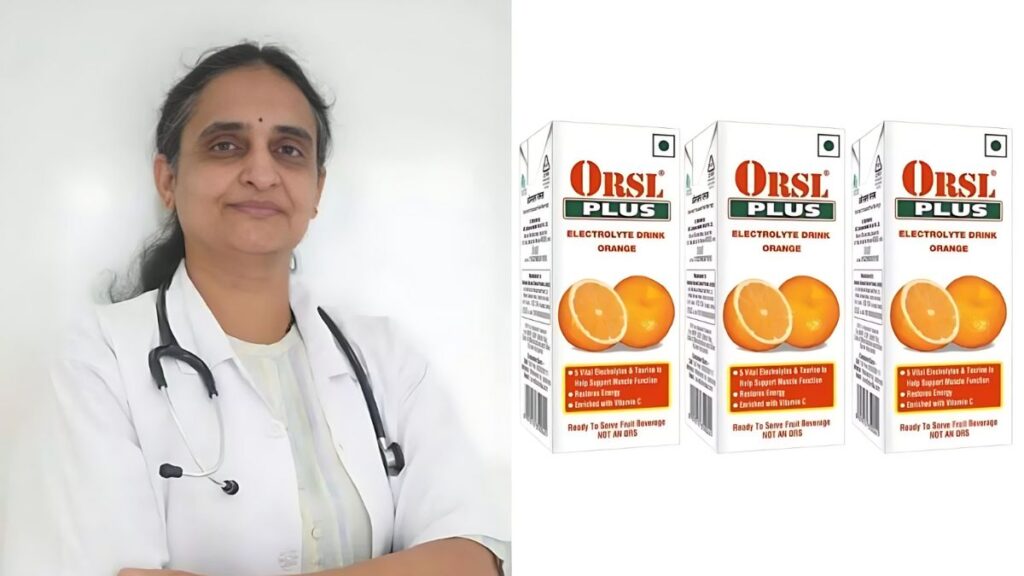
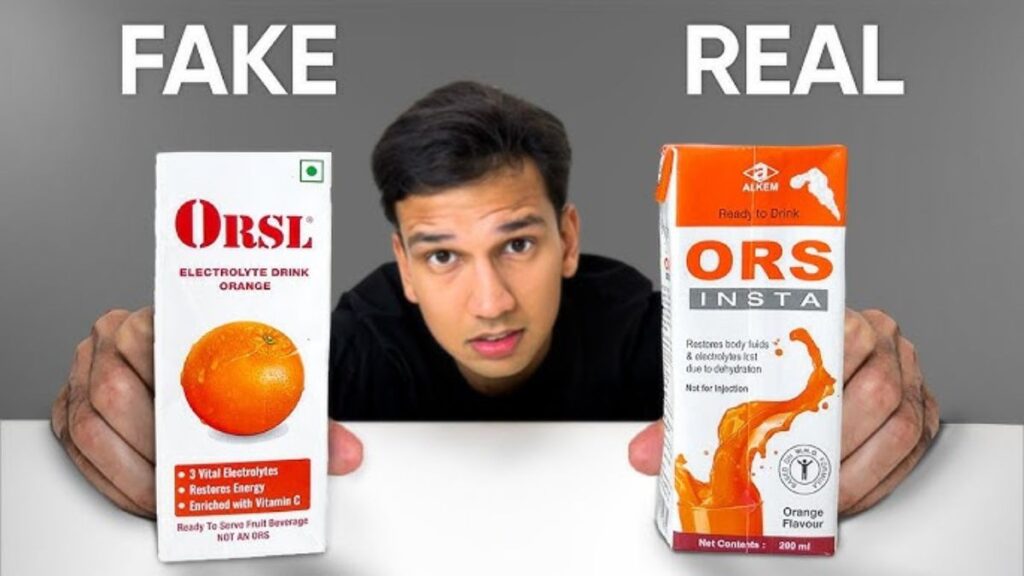
Okay, so the deal is, the Food Safety and Standards Authority of India (FSSAI) was not happy. Back in October 2025, they said you can’t just slap the label ORS on any old drink if it doesn’t meet the World Health Organization (WHO) standards. Why? Because some companies were trying to trick people into thinking their drinks were legit rehydration solutions when they weren’t. And that’s dangerous, especially for little kids.
WHO says real ORS needs to have specific amounts of stuff like sodium chloride, potassium chloride, and dextrose. But some of these fake ORS drinks had way too much sugar and not enough salt. Not good.
Dr. Sivaranjani Santosh’s Fight
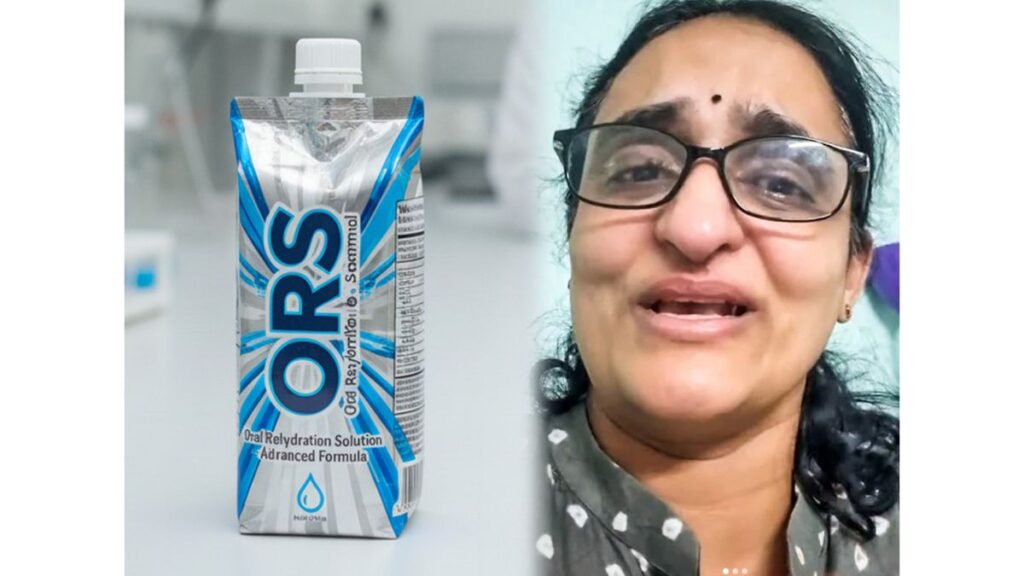
This whole thing really took off thanks to Dr. Sivaranjani Santosh, a pediatrician from Hyderabad. She started making noise about these fake ORS drinks way back in 2017. She was worried that people were being fooled into buying these drinks that weren’t actually helping with dehydration.
She bugged everyone about it, from health authorities to the government. At first, there was a ban in 2022, but then they loosened it up and said companies could use the ORS label if they put a disclaimer on it. But Dr. Santosh said that wasn’t cutting it because nobody reads those disclaimers anyway. Finally, after all her hard work, the October 2025 order came out, banning the misleading ORS label altogether.
JNTL Consumer Health Gets a Break
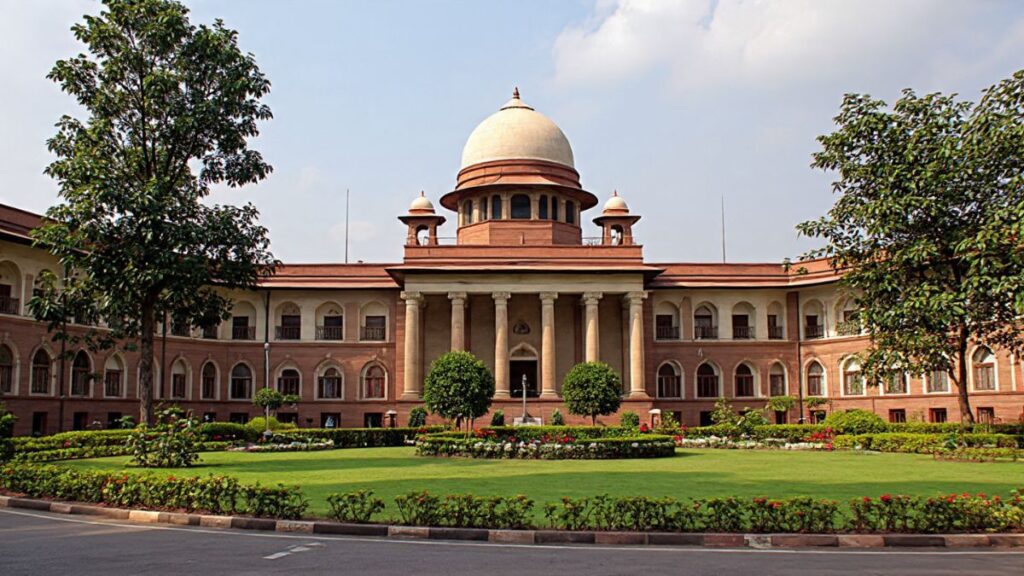
But hold on! Just when things were settling down, JNTL Consumer Health (a Johnson & Johnson company) went to the Delhi High Court. They were like, Hey, this ban is going to cost us a ton of money! They said they had a bunch of unsold stuff and wanted a chance to argue their case.
The court agreed to ban on hold for now, letting the company keep selling its ORS-branded products. The court wants FSSAI to listen to what the company has to say before doing anything drastic. It’s all about being fair to both businesses and consumers.
Why All the Fuss About ORS?
ORS is a serious thing. It’s not just a regular drink. It’s a special mix that helps people who are dehydrated from diarrhea or heat. The wrong stuff in it can be harmful, especially for kids.
The court’s decision is making everyone think about how to protect people’s health without crushing businesses. It also reminds us to actually check labels and look for WHO-approved stuff instead of just trusting a brand name.
Delhi High Court FSSAI ORS Ban Stay Order: What’s Next?
The Delhi High Court’s decision means everyone needs to take a step back and rethink things. The FSSAI still wants to protect people’s health, and now companies have a chance to make sure their products meet the right standards.
Some people think this could lead to better labels, more information for consumers, and rules that are easier to follow. For a lot of folks, especially parents, this is about trusting the products they buy for their families.
Delhi High Court FSSAI ORS Ban Stay Order Explained: What It Means for Consumers, Companies, and Health Regulators
| Aspect | Description | Key Takeaway |
|---|---|---|
| Delhi High Court FSSAI ORS Ban Stay Order and Consumer Impact | Delhi High Court FSSAI ORS Ban Stay Order reflects the judiciary’s effort to balance public health with business continuity, ensuring that consumers are not deprived of access to essential products while the matter is under review. | The stay promotes consumer safety and legal fairness at the same time. |
| Delhi High Court FSSAI ORS Ban Stay Order and Industry Relief | Delhi High Court FSSAI ORS Ban Stay Order gives temporary relief to companies like JNTL Consumer Health, preventing sudden financial losses due to the ban and allowing time for due process. | Businesses get breathing space to comply with new regulations. |
| Delhi High Court FSSAI ORS Ban Stay Order and Legal Fairness | Delhi High Court FSSAI ORS Ban Stay Order emphasizes the principle of natural justice by ensuring FSSAI must hear company representations before enforcing strict penalties. | It strengthens procedural fairness in India’s regulatory system. |
| Delhi High Court FSSAI ORS Ban Stay Order and Medical Standards | Delhi High Court FSSAI ORS Ban Stay Order indirectly reinforces WHO standards by bringing attention to how misleading product labels can harm public health if not properly regulated. | Awareness about WHO-compliant ORS formulas increases among consumers. |
| Delhi High Court FSSAI ORS Ban Stay Order and Regulatory Oversight | Delhi High Court FSSAI ORS Ban Stay Order challenges FSSAI to refine its inspection and labeling processes while maintaining transparency and public accountability. | It signals a call for smarter, not harsher, regulation. |
| Delhi High Court FSSAI ORS Ban Stay Order and Public Health Dialogue | Delhi High Court FSSAI ORS Ban Stay Order sparks a national conversation on food safety, product labeling, and ethical marketing practices across India’s beverage industry. | Encourages collaboration between regulators, doctors, and industry experts. |
| Delhi High Court FSSAI ORS Ban Stay Order and Judicial Responsibility | Delhi High Court FSSAI ORS Ban Stay Order demonstrates how the judiciary can act as a check on regulatory overreach while still supporting FSSAI’s mission to protect health. | It sets a balanced precedent for future health-related cases. |
| Delhi High Court FSSAI ORS Ban Stay Order and Corporate Accountability | Delhi High Court FSSAI ORS Ban Stay Order places responsibility on corporations to prove that their products meet the right medical and ethical standards before using sensitive labels like “ORS.” | Companies must now align marketing claims with medical accuracy. |
| Delhi High Court FSSAI ORS Ban Stay Order and Doctor Advocacy | Delhi High Court FSSAI ORS Ban Stay Order highlights how medical professionals like Dr. Sivaranjani Santosh can influence national health policy and consumer protection efforts. | Professional activism plays a key role in shaping policy reforms. |
| Delhi High Court FSSAI ORS Ban Stay Order and Market Regulation Breakdown | Delhi High Court FSSAI ORS Ban Stay Order exposes gaps in India’s current food regulation framework, pushing for harmonization between central and state-level authorities. | A more unified, data-driven food safety system could emerge. |
| Delhi High Court FSSAI ORS Ban Stay Order and Business Compliance | Delhi High Court FSSAI ORS Ban Stay Order reminds companies that compliance is not optional—every health-related product must follow WHO norms if marketed for medical purposes. | Promotes long-term business ethics over short-term profit. |
| Delhi High Court FSSAI ORS Ban Stay Order and Future Outlook | Delhi High Court FSSAI ORS Ban Stay Order opens the door for a review of FSSAI’s labeling and approval system, which could become more scientific and consumer-oriented. | Signals a shift toward more transparent, health-focused regulation. |
| Delhi High Court FSSAI ORS Ban Stay Order and Legal-Health Synergy | Delhi High Court FSSAI ORS Ban Stay Order shows how law and medicine can collaborate to achieve the shared goal of protecting lives while supporting economic stability. | It encourages a multidisciplinary approach to health policymaking. |
| Delhi High Court FSSAI ORS Ban Stay Order and National Awareness | Delhi High Court FSSAI ORS Ban Stay Order raises awareness among citizens about the difference between real ORS and sugary rehydration drinks, empowering smarter health choices. | Promotes informed consumer behavior in the Indian marketplace. |
| Delhi High Court FSSAI ORS Ban Stay Order and Policy Reformation | Delhi High Court FSSAI ORS Ban Stay Order may inspire new food labeling laws, stricter monitoring of claims, and penalties for false advertising in the future. | Long-term improvements in India’s health policy framework are likely. |
| Delhi High Court FSSAI ORS Ban Stay Order and Media Influence | Delhi High Court FSSAI ORS Ban Stay Order gained massive media coverage, which played a crucial role in shaping public opinion and pressuring regulators for transparency. | Media continues to act as a watchdog for public health issues. |
In a Nutshell
The Delhi High Court’s decision is a reminder that India needs to find a way for health regulators, the courts, and businesses to work together to keep consumers safe. We’re still waiting to see how it all plays out, but hopefully, it will lead to a healthier and more informed India.
Note: All information and images used in this content are sourced from Google. They are used here for informational and illustrative purposes only.
Frequently Asked Questions (FAQs) on the Delhi High Court and Fake ORS Ban
1. What is the Delhi High Court’s decision on the fake ORS ban all about?
The Delhi High Court recently put a temporary stay on the FSSAI’s ban on fake ORS drinks, allowing companies like JNTL Consumer Health (a Johnson & Johnson subsidiary) to keep selling their ORS-branded products for now. The court said the FSSAI must give companies a fair hearing before enforcing the ban, ensuring that business interests and public health are both protected.
2. Why did the FSSAI ban fake ORS drinks in the first place?
The Food Safety and Standards Authority of India (FSSAI) discovered that several drinks marketed as “ORS” didn’t match World Health Organization (WHO) standards. These fake ORS products had too much sugar and too little salt, which could mislead consumers and even harm children. The October 2025 FSSAI order banned any drink using the “ORS” label unless it followed the exact WHO formula.
3. Who is Dr. Sivaranjani Santosh, and what was her role in this case?
Dr. Sivaranjani Santosh, a pediatrician from Hyderabad, played a huge role in exposing the issue of misleading ORS drinks. She started her campaign back in 2017, filing complaints and spreading awareness about fake ORS labels. Her dedication led the FSSAI to take stricter action, resulting in the October 15, 2025, ban on non-compliant ORS products—a victory for public health in India.
4. What does the WHO-approved ORS formula contain?
The World Health Organization’s recommended ORS formula includes:
- 2.6 g of sodium chloride (salt)
- 1.5 g of potassium chloride
- 2.9 g of sodium citrate
- 13.5 g of dextrose anhydrous (sugar) per litre of water
This combination ensures safe hydration with the right balance of electrolytes and sugars. Many so-called ORS drinks in the market don’t follow this formula, making them nutritionally unfit as rehydration solutions.
5. Why did JNTL Consumer Health challenge the FSSAI order?
JNTL Consumer Health argued that the sudden enforcement of the ban would cause financial losses worth ₹155–180 crore due to unsold stock. The company requested time to explain its side before any penalties were imposed. The Delhi High Court agreed, granting an interim stay and directing FSSAI to allow the company to make a proper representation.
6. What happens next after the Delhi High Court’s interim stay?
The interim stay means the ban is temporarily paused, and companies can continue selling their ORS-branded products until further court hearings. Meanwhile, FSSAI will review representations from affected companies and may revise its order. This process could also lead to clearer labeling laws and stronger consumer protection policies in the near future.
7. What’s the difference between medical ORS and commercial ORS drinks?
A medical ORS follows the WHO-recommended formula and is designed for treating dehydration during illnesses. In contrast, commercial ORS drinks are often just sugary beverages marketed as health drinks. They may provide hydration, but not the medical-grade electrolyte balance needed to treat dehydration effectively.
8. How does this case affect consumers in India?
This case highlights how important it is for consumers to read product labels carefully and look for WHO-certified ORS formulations. It also shows how legal and regulatory bodies are working together to make India’s food and healthcare industry safer and more transparent.
9. What could be the long-term impact of this case on India’s health regulations?
Experts believe that this case will encourage stricter labeling standards, better public education about medical formulations, and more accountability from food and beverage companies. It’s a positive step toward ensuring consumer safety and maintaining trust in India’s health products market.
10. What’s the big takeaway from the Delhi High Court’s ORS decision?
The Delhi High Court FSSAI ORS Ban Stay Order is not just a legal story—it’s a turning point for India’s public health system. It shows that regulators, doctors, and the judiciary can work together to protect consumers while supporting fair business practices. Ultimately, it’s about finding the right balance between health safety and commercial responsibility.






Leave a Reply