
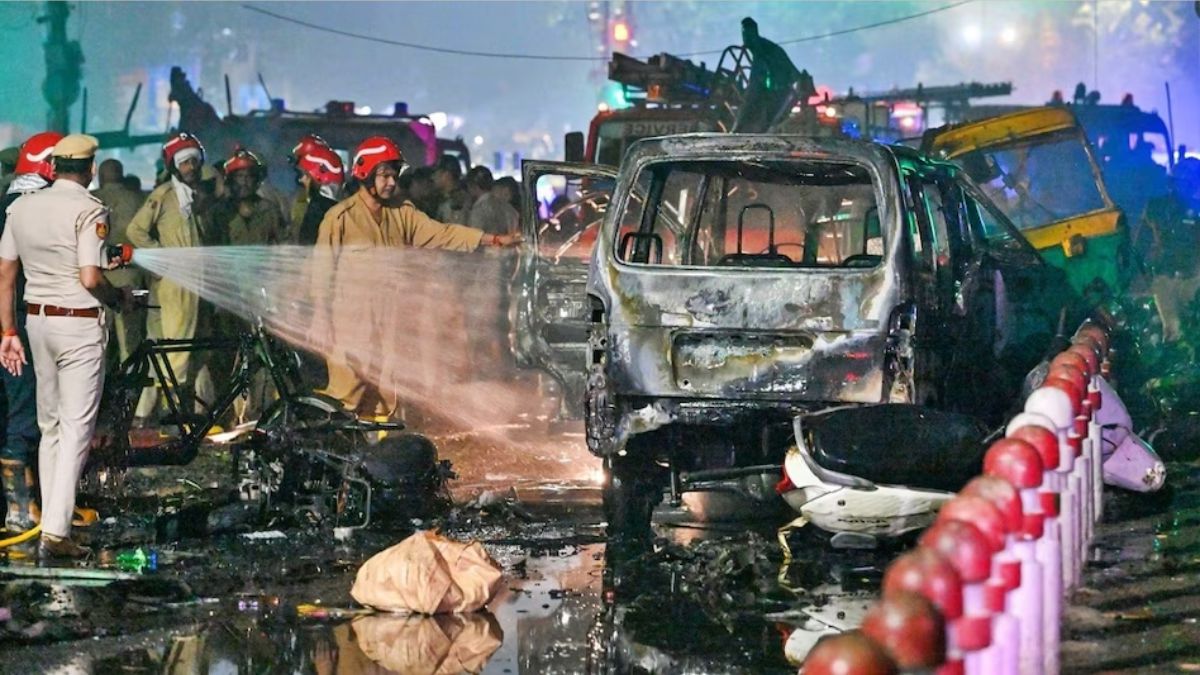
Delhi Blast Plot: Terrorists Planned Hamas-Style Drone & Rocket Attacks
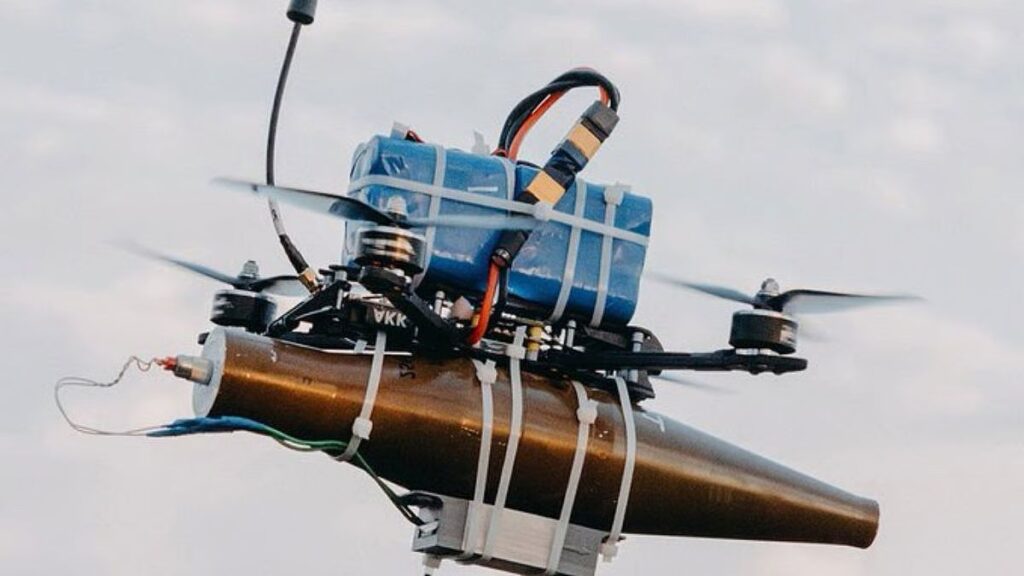
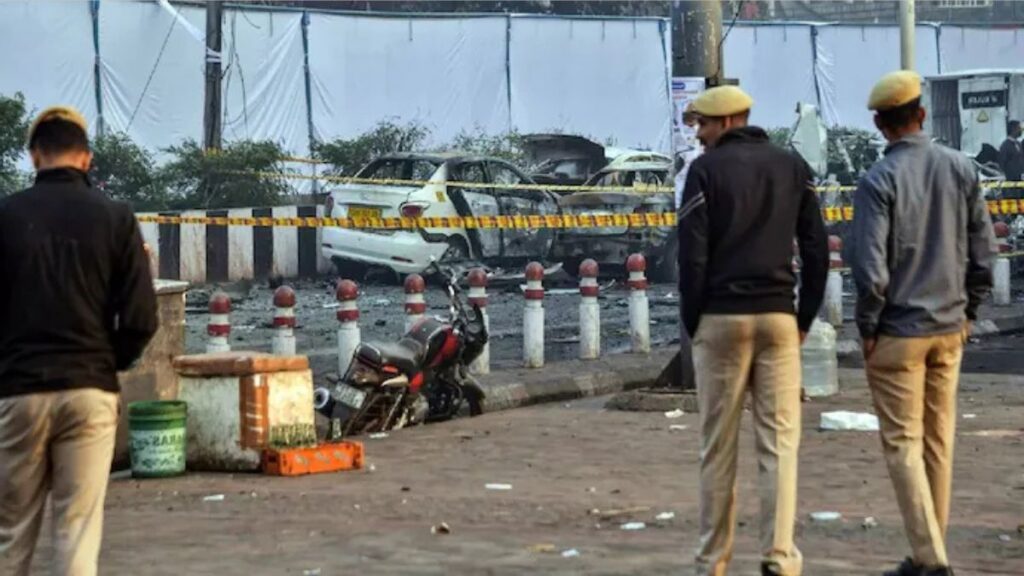
In a shocking new development, investigators have uncovered that the white-collar terror module behind the November 10 Red Fort suicide car bomb attack was planning to carry out Hamas-style coordinated attacks using weaponised drones and improvised rockets in Delhi. The National Investigation Agency (NIA) detected this high-tech terror threat after arresting a second accused linked to the operation.
Second Suspect Arrested: The Drone Tech Expert
The NIA arrested Jasir Bilal Wani, also known as Danish, from Srinagar. He worked closely with the suicide bomber Umar Un Nabi, and with the first accused Amir Rashid Ali, who was arrested earlier in Delhi.
According to NIA, Danish played a critical technical role in:
- Modifying drones for weapon delivery
- Attempting to build improvised rockets
- Providing engineering support to the terror module
Sources confirm he even experimented with high-capacity drones fitted with large batteries capable of carrying explosive payloads over densely populated areas.
A Dangerous Parallel: Hamas Attack Model
Investigators say the terror plan had alarming similarities to the October 7, 2023 Hamas attack on Israel, where drones and improvised rockets were used as primary weapons of destruction.
The terror module intended to deploy:
- Payload-dropping drones
- Gliding rockets
- Airflow-powered improvised UAVs
They aimed to cause maximum casualties in crowded areas, using low-cost but highly effective airborne weapons.
How the Terrorists Planned the Drone Strike
Danish attempted to manufacture powerful, weaponised drones capable of:
- Carrying heavier bombs
- Dropping explosives with precision
- Capturing real-time footage via cameras
- Flying long distances using reinforced batteries
Such drones resemble those used by militants in Middle East conflicts, signaling a dangerous technological shift in terror methods targeting India.
Authorities reveal that the group wanted to fly an explosive-loaded drone into crowded zones to trigger mass destruction — a tactic used in Syria, Gaza, and Iraq.
Hamas-Style Rockets: Light, Fast, Devastating
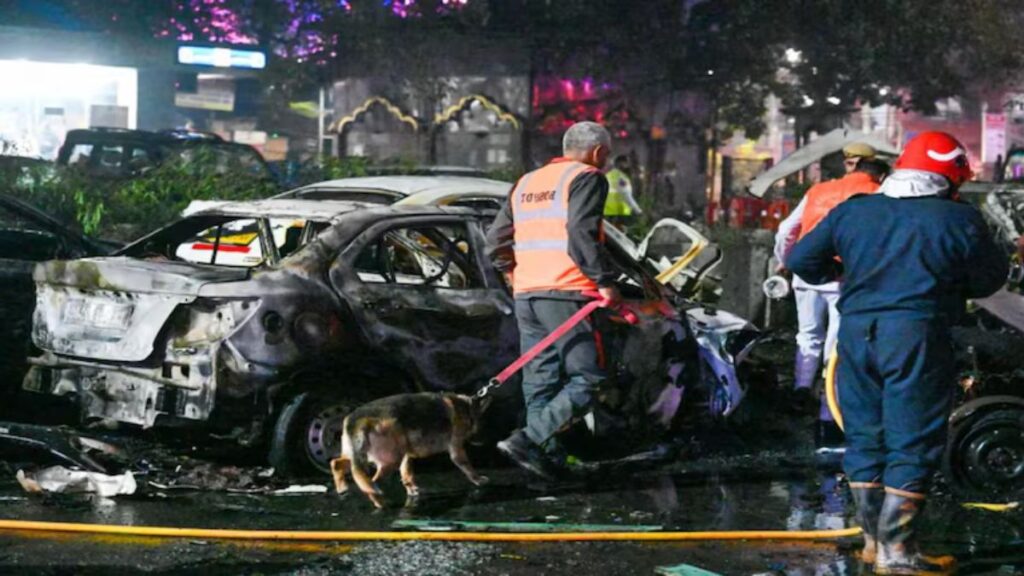
Investigators uncovered that the module studied two specific rocket types used by Hamas:
1. Gliding Rockets
- Light and easy to transport
- Can travel up to 25 km
- Can be launched within 20 seconds
- Three rockets can be fired within one minute
- Create widespread disruption
These are popular among militant groups due to their simplicity and mobility.
2. Precision Pneumatic Rockets
These rockets use compressed gas to propel themselves:
- Provide controlled, stable launches
- Can carry explosive loads ranging from 2 kg to 50 kg
- Designed for medium-range, targeted attacks in urban areas
These rockets increase accuracy, making them a serious threat in a metropolitan city like Delhi.
Rail Launcher & Improvised UAV Systems
The terror module also explored rail launcher systems, commonly seen in conflict zones:
- Acts as a stable platform for launching UAVs or projectiles
- Enables heavy explosive loads
- Allows attackers to strike from long distances
- Is extremely cheap to construct
These improvised UAVs rely on airflow to travel long ranges and descend at high speed, making them lethal in dense city zones.
Payload-Dropping Drones: A Direct Threat to Urban Units
The module attempted to build drones capable of dropping grenades or small bombs from a height. These drones:
- Attack from the top — the weakest point of buildings and vehicles
- Causes major destruction even with small explosive payloads
- Allow attackers to remain far from the actual strike zone
This technology mirrors tactics used by terror groups in the Middle East and Africa.
Not a Lone-Wolf Operation: A Highly Coordinated Module
Experts confirm that such advanced weapons cannot be created by a single person. The module had:
- Technical specialists
- Logistics support
- Cross-border funding
- Coordinated planning
- Secure communication networks
Some materials may be commonly available, but turning them into functioning weapons requires sophisticated knowledge.
What Could Have Happened in Delhi
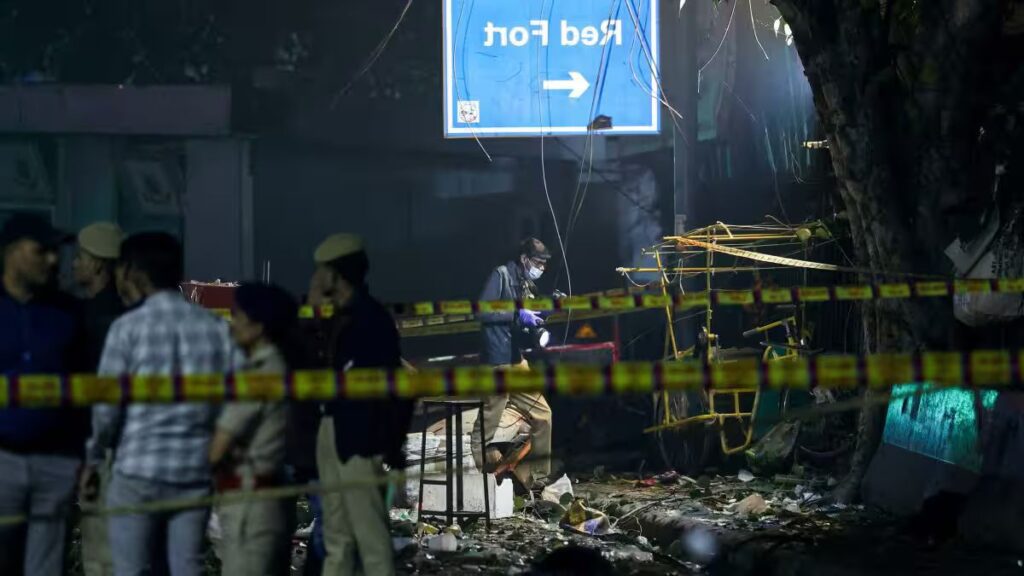
If the module had succeeded in deploying these drones and rockets, Delhi could have faced:
- Mass casualties in multiple populated areas
- Unpredictable aerial strikes
- Widespread panic and chaos
- Infrastructure damage
- A rapid series of attacks resembling a Hamas-style offensive
Authorities believe the intention was to unleash multiple, fast attacks to overwhelm security forces.
Why Terror Groups Prefer Drone & Rocket Warfare
Modern terror outfits increasingly use such weapons because they are:
- Cheap to build
- Easy to modify
- Difficult to detect
- Capable of long-distance strikes
- Made using locally sourced components
- Highly effective in dense urban zones
This low-cost, high-impact warfare model is now a global security concern.
India’s Preparedness Against Drone Threats
India has been rapidly strengthening:
- Anti-drone units
- Drone-jamming systems
- Border surveillance
- Security protocols for VIP zones
- Detection networks
The Delhi blast investigation has increased urgency around anti-drone strategies nationwide.
Note: All information and images used in this content are sourced from Google. They are used here for informational and illustrative purposes only.
FAQs on Hamas-Style Drone & Rocket Attacks in the Delhi Blast Investigation
1. What are Hamas-style drone & Rocket Attacks, and how were they linked to the Delhi blast plot?
Hamas-style drone & Rocket Attacks refer to low-cost, improvised aerial weapons used for rapid and high-impact strikes. In the Delhi blast probe, investigators found that the terror module studied similar tactics, including payload-dropping drones and gliding rockets, to plan coordinated attacks before the Red Fort suicide bombing.
2. How did the NIA uncover the Hamas-style drone & Rocket Attacks plan in this case?
The NIA identified the Hamas-style drone & Rocket Attacks plan after the arrest of key technical suspect Jasir Bilal Wani, who provided engineering support. His devices, experiments and communication trails revealed attempts to weaponise drones and build improvised rockets.
3. Who was responsible for developing the technology for Hamas-style drone & Rocket Attacks?
The technical mastermind behind the Hamas-style drone & Rocket Attacks plan was Jasir Bilal Wani (alias Danish). He worked with the suicide bomber and another accused to modify drones, assemble rocket components and test long-range UAV capabilities.
4. What kind of drones were used in the Hamas-style drone & Rocket Attacks planning?
The Hamas-Style Drone & Rocket Attacks model included drones with high-capacity batteries, cameras for real-time visuals, bomb-dropping mechanisms and reinforced frames capable of carrying heavy payloads. These designs resemble drones used in Middle Eastern conflict zones.
5. How dangerous could these Hamas-style drone & Rocket Attacks have been for Delhi?
If executed, Hamas-style drone & Rocket Attacks could have caused mass casualties in crowded locations, triggered widespread panic, and overwhelmed emergency response units. The aerial nature of the attacks makes detection and interception more challenging.
6. What types of rockets were part of the Hamas-Style Drone & Rocket Attacks concept?
The module studied two systems for Hamas-style drone & Rocket Attacks: gliding rockets with lightweight structures and pneumatic precision rockets launched using compressed gas. Both systems allow fast deployment and significant explosive impact in urban spaces.
7. Why do terror groups adopt Hamas-style drone & Rocket Attacks?
Groups prefer Hamas-style drone & Rocket Attacks because the weapons are inexpensive, easy to assemble, hard to detect, and capable of long-distance strikes. They can be built using accessible materials, making them attractive for covert terror operations.
8. What was the role of UAVs in the Hamas-style drone & Rocket Attacks plan?
UAVs were central to the Hamas-style drone & Rocket Attacks strategy. These improvised aerial vehicles could glide long distances, carry explosive loads, and strike targets at high speed. They enable attackers to avoid confrontation on the ground.
9. How is India preparing to counter Hamas-style drone & Rocket Attacks?
India has strengthened drone-jamming systems, border surveillance, anti-drone squads and urban detection networks. Following the case, the urgency to improve countermeasures against Hamas-style drone & Rocket Attacks has increased significantly.
10. Could Hamas-style drone & Rocket Attacks be repeated in future terror plots?
Investigators warn that Hamas-style drone & Rocket Attacks could inspire future terror attempts due to their low cost and high impact. Continuous upgrades in security tech and intelligence monitoring are essential to prevent similar threats.






Leave a Reply