
International Women’s Day is more than just a date on the calendar—it is a powerful reminder of courage, resilience, and the quiet revolutions led by women every single day. Across India and the world, women are breaking barriers in science, politics, business, and technology. Yet behind these inspiring achievements lies a deeper truth: many invisible struggles still remain. From balancing careers and homes to fighting subtle workplace biases, women continue to push against limitations society once considered normal. This day invites us not only to celebrate progress but also to question what still needs to change. Because true equality is not just about opportunity—it is about dignity, respect, and freedom.
Women’s Day is a time not just to celebrate, but to check in on how much has changed and how much hasn’t. In the last 25 years, Indian women have made strides in schools, jobs, politics, and starting businesses. But even with all these good things, some old ways of thinking are still sticking around.
So, the real story isn’t just about numbers. It’s about what life is like every day – the stuff they’ve nailed and the stuff that’s still holding them back.
What’s Changed for Women in India?
In the last 25 years, you can see more women doing different things. Some jobs that people didn’t think women should do before are now full of them.
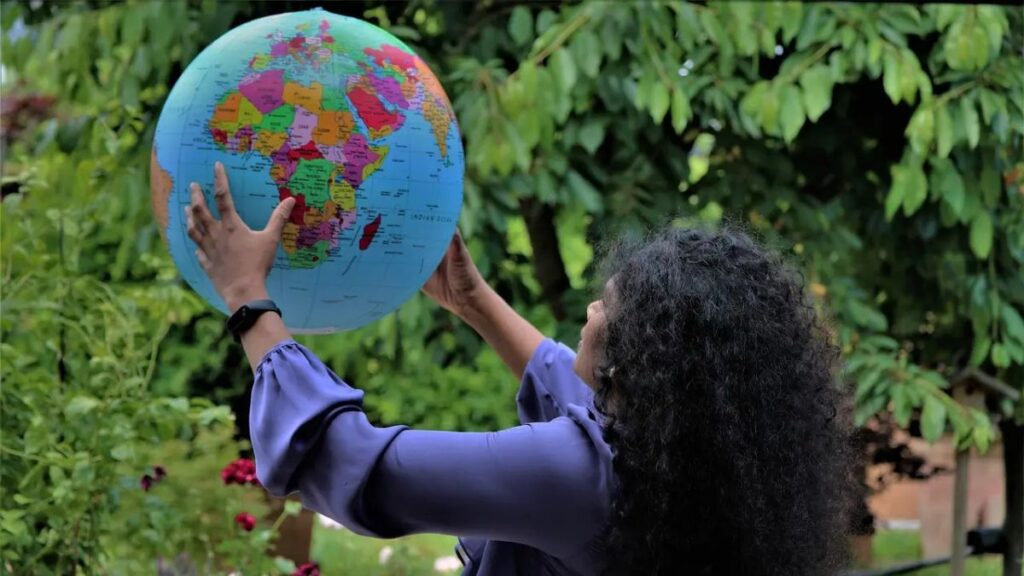
Like, women are running their own companies, serving in the military, killing it in journalism, and working at tech companies. That means young girls can dream bigger than just getting married and raising kids.
But things aren’t changing at the same speed everywhere. Some doors are open, but there are still walls in the way. The problem now isn’t starting change, it’s finishing it.
School and Science: The Next Generation of Leaders
Schooling has been a big part of these changes. Before, families thought sending girls to school was mostly to get them ready to get married. Now, that’s changed big time.
Right now, almost 43% of science students in India are women, which is really high worldwide. So you see women in engineering classes and science labs all the time. They’re coming up with new ideas, patenting stuff, and leading teams at huge tech companies.
Also, there are way more chances to go to college. Lots of women are getting PhDs, studying in other countries, and starting their own tech companies. The idea that women can only do certain jobs is slowly going away.
Women in Government
More women are getting involved in politics, too. You see more women in charge at the local level now than ever.
About 46% of the people in village councils are women. Before, you never heard women’s voices at village meetings. Now, lots of women are in charge and making decisions for their areas.
This is making it more normal for women to be leaders down at the local level. As more women get involved in running things, people start thinking women leaders are normal and something we need.
Tech and Money for Women
Tech has opened doors for women to do their own thing. The internet lets women share what they think, start businesses, and make their own money.
For example, online stores and social media let women run businesses from home, like selling clothes or doing consulting work. You hear more and more stories about women who built successful businesses from their living rooms.
Being able to make their own money isn’t just a dream for women anymore. Thousands of women all over the country are doing it.
The Unseen Work That Doesn’t Get Paid
Even with all this good stuff, there’s still a big problem: women do way more housework without getting paid than men do.
Studies show that Indian women spend about 577% more time doing housework than men. If a house was a company, women would be the CEO, managers, workers, and support staff all at once, and they wouldn’t get a paycheck.
Working women today have another problem a lot of times, too. After working all day at their jobs, they come home and start round two with the housework. So they basically work twice as much.
Unequal Pay at Work
Things are getting better at work, but there’s still a gap. One of the biggest problems is that women still get paid less than men, about 27% less in India.
That means women make less money than men a lot of times even when they’re doing the same job and have the same skills. Also, lots of women run into the glass ceiling, which is like an invisible thing that keeps them from getting promoted.
Companies are talking about being more fair and having more kinds of people working there, but men still hold most of the leadership jobs in lots of fields.
Safety and How People Think
Safety is a big thing that affects what women do every day. Police reports show that more women are reporting crimes, which means they’re more aware and willing to speak up. But there are still dangers out there.
So lots of families still have strict rules for their daughters – when they need to be home, where they can go, and who they can hang out with. These rules are supposed to keep them safe, but they also stop them from being free.
A lot of times, women can only be so free, while men don’t have those problems.
Why Old Ways Still Stick Around
Old-fashioned ideas don’t just stick around because of laws. They stick around because of habits, the way we talk, and what people expect.
Like, if a man stays late at work, people say he’s dedicated. But if a woman does the same thing, people say Who’s taking care of your kids?.
If a man makes a tough call, people say he’s a strong leader. But if a woman does the same thing, people complain that she’s bossy.
These little things keep pushing things back to women’s old roles.
What’s Next for Fairness
Even though these problems are there, things are getting better. There are more chances for women now than ever before, and young people are starting to speak up about old ideas that don’t make sense.
But to make things really change, it’s not just about changing the laws. We have to change how people think every day – at home, at work, and everywhere else.
Until that happens, it’ll be hard for what women actually get to catch up with how well they’re doing on paper.
What to Remember
- Women in India have come a long way in schools, jobs, and leading.
- Almost 43% of science students in India are women, which is a big change.
- Women hold about 46% of the seats in village councils, which makes things fairer.
- But women still do 577% more housework than men without getting paid.
- Women still get paid about 27% less than men for the same work.
- The way people think and safety are still problems that stop women from doing things.
Summing It Up
The last 25 years have made things better for women in India. But there’s still work to do before things are really fair.
The numbers show that things are getting better. What women experience every day tells you that some ways of thinking are still around. The next step is not just giving women chances, but changing how people think.
When what women get matches how people respect them, and when things are free and fair, then women doing well will just be normal.
Frequently Asked Questions About International Women’s Day
1. Why does International Women’s Day still matter in today’s modern world?
International Women’s Day matters because it reminds the world that progress and equality are not the same thing. Women today are achieving remarkable success in education, leadership, technology, and entrepreneurship. However, many still face challenges such as unequal pay, safety concerns, and social expectations.
Therefore, International Women’s Day is not only about celebration. It is also about reflection and responsibility. It encourages societies to recognize women’s contributions while continuing the work needed to create true gender equality.
2. How has International Women’s Day helped improve opportunities for women over the years?
International Women’s Day has played a powerful role in raising awareness about women’s rights and opportunities. Over the decades, it has inspired governments, organizations, and communities to focus on education, employment, safety, and leadership opportunities for women.
For example, women today are leading companies, representing communities in politics, and contributing to scientific breakthroughs. Because of global awareness campaigns connected to International Women’s Day, conversations about gender equality have become stronger and more visible.
3. What positive changes for women can we celebrate on International Women’s Day today?
International Women’s Day is a moment to celebrate remarkable progress. Women now represent a large share of students in science and technology fields, and their presence in leadership roles is steadily increasing.
Additionally, more women are starting businesses, gaining financial independence, and influencing decisions in communities and governments. These achievements show that when women receive equal opportunities, they drive innovation, economic growth, and social progress.
4. Why does International Women’s Day focus on both celebration and awareness?
International Women’s Day combines celebration and awareness because the story of women’s progress includes both success and ongoing challenges.
On one hand, the day celebrates women who break barriers, inspire communities, and lead change. On the other hand, it highlights issues like gender pay gaps, unpaid domestic work, and workplace inequality.
By balancing celebration with awareness, International Women’s Day keeps the global conversation about equality active and meaningful.
5. How does International Women’s Day inspire the younger generation of girls?
International Women’s Day sends a powerful message to young girls everywhere: their dreams are valid and achievable. When girls see women leading companies, winning awards, conducting research, or serving in government, they begin to imagine similar possibilities for themselves.
Moreover, the stories shared on International Women’s Day show resilience, courage, and determination. These stories remind young girls that challenges may exist, but persistence and confidence can create extraordinary opportunities.
6. What challenges does International Women’s Day continue to highlight globally?
International Women’s Day highlights several ongoing challenges faced by women worldwide. These include gender pay gaps, limited representation in leadership positions, gender-based violence, and unequal access to education and healthcare.
Although progress has been made, these issues continue to affect millions of women. Therefore, International Women’s Day encourages societies to take meaningful action rather than simply acknowledging the problem.
7. How can individuals contribute to the spirit of International Women’s Day in everyday life?
The true spirit of International Women’s Day extends beyond a single day. Individuals can support equality by encouraging women’s education, respecting women’s leadership, and challenging outdated stereotypes.
Additionally, small actions—such as recognizing women’s achievements, supporting women-led businesses, and sharing household responsibilities—can create meaningful change. When these actions become everyday habits, the goals of International Women’s Day move closer to reality.
8. What is the deeper emotional message behind International Women’s Day?
At its heart, International Women’s Day carries a deeply emotional message of recognition, respect, and hope.
It honors the strength of women who quietly carry responsibilities at home, the courage of those who challenge social barriers, and the determination of those who build better futures for the next generation.
More importantly, International Women’s Day reminds us that equality is not a privilege. It is a fundamental human right that strengthens families, communities, and the entire world.






Leave a Reply