
Iran–Israel Air War Day 6 delivers a dramatic escalation as hypersonic missile claims, strong U.S. warnings, and cyberattacks reshape Middle East security, global diplomacy, and the future of modern warfare.
Introduction: Why Iran–Israel Air War Day 6 Changes Everything
The Iran–Israel Air War Day 6 marks a decisive and emotional turning point in one of the most dangerous confrontations the Middle East has seen in decades. What began as a sudden, high-impact strike has now evolved into a complex, multi-domain conflict involving advanced missile technology, cyber warfare, global diplomacy, and rising humanitarian costs.
As the sixth day unfolds, fear, uncertainty, and urgency dominate headlines. More importantly, however, this phase reveals how modern wars no longer stay confined to borders or battlefields. Instead, they ripple across economies, alliances, and civilian lives—fast and unforgiving.
Below, we break down the most critical developments shaping Day 6, explain why they matter, and explore what could come next.
1. Six Days In: How “Operation Rising Lion” Sparked Full-Scale War
Six days ago, Israel launched Operation Rising Lion, a surprise and highly coordinated strike targeting Iranian nuclear facilities and senior military infrastructure. As a result, Iran suffered major damage to key sites and lost several high-ranking IRGC commanders closely linked to Ayatollah Khamenei.
Because of the scale and precision of the attack, the conflict immediately crossed a threshold. Iran, therefore, responded forcefully—firing waves of missiles toward Israel in what it described as retaliation and deterrence.
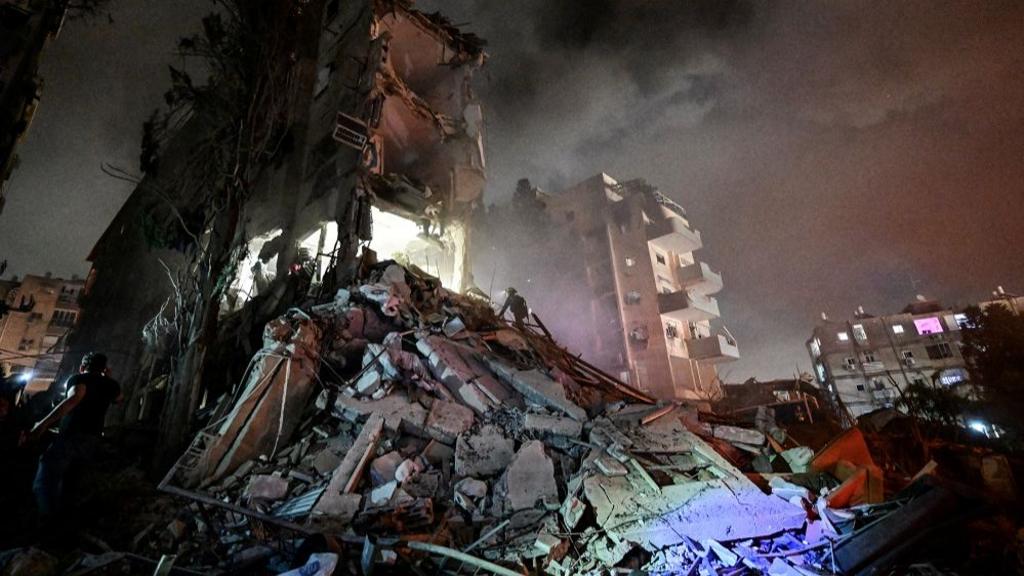
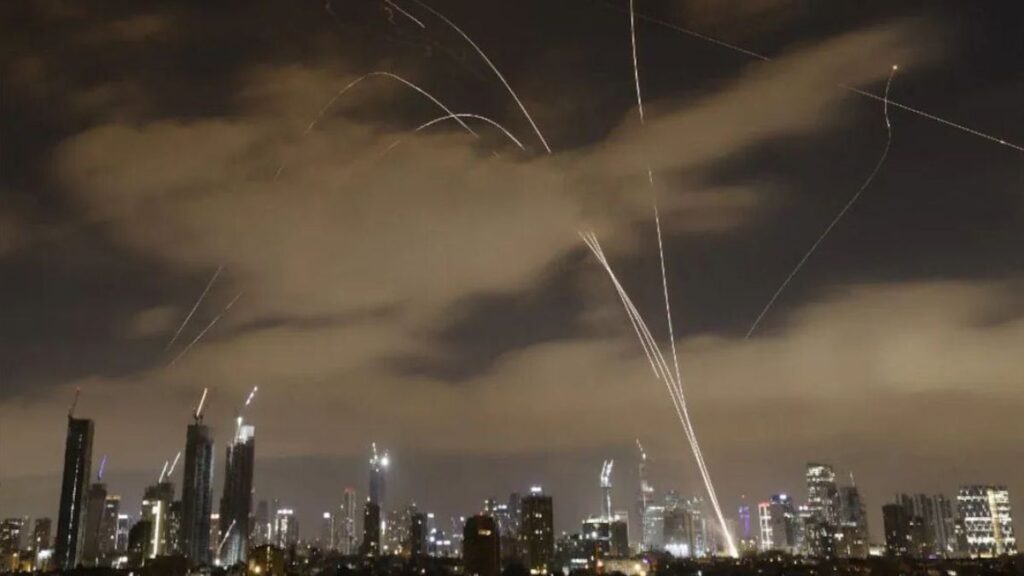
Although Israel intercepted 95–99% of incoming missiles using Iron Dome, David’s Sling, and Arrow systems, some projectiles still struck populated areas. Consequently, cities such as Tel Aviv and Haifa experienced fatalities, injuries, and widespread fear.
2. Hypersonic Missile Claims: A Strategic Signal, Not Just a Weapon
One of the most alarming moments of Iran–Israel Air War Day 6 came when Iran announced it had launched Fattah-1 hypersonic missiles, claiming speeds of Mach 13–15 and a range of 1,400 kilometers.
However, while the claim grabbed global attention, Western defense experts quickly raised doubts. Specifically, they argue that true hypersonic weapons must be maneuverable during flight—something Iran has not conclusively demonstrated.
Still, regardless of technical debates, the message was clear:
- Iran intended to signal escalation
- Psychological impact mattered as much as physical damage
- Regional deterrence entered a new phase
Meanwhile, Israel’s layered missile defense—including the emerging SkySonic interceptor—continued to perform effectively. Even so, defense officials warn that sustained attacks could strain interceptor stockpiles over time.
3. U.S. Warnings Intensify: Trump’s Ultimatum Raises Global Stakes
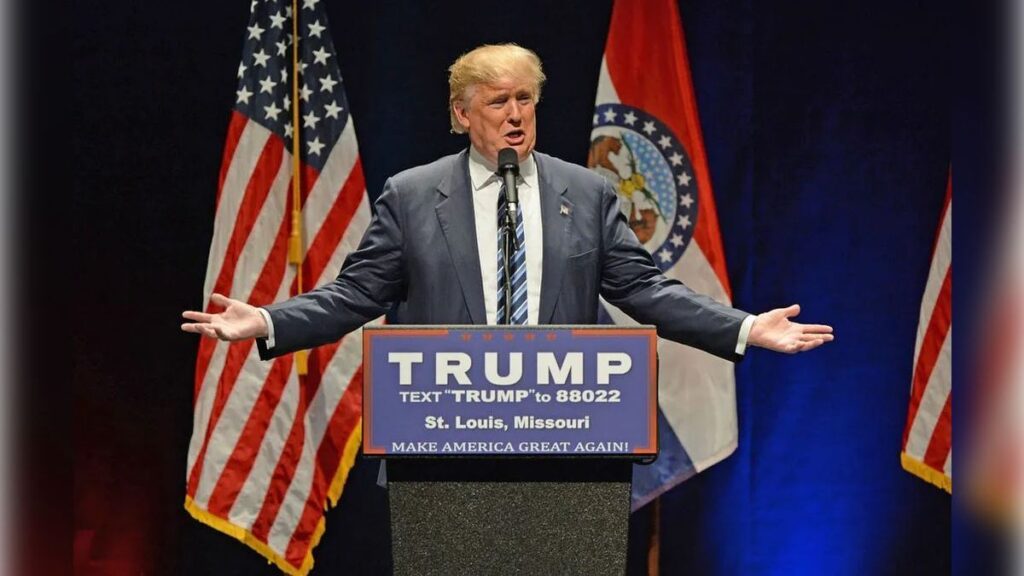
As missiles flew, U.S. involvement escalated sharply. Former President Donald Trump issued a dramatic ultimatum, demanding Iran’s “unconditional surrender.” He also claimed U.S. forces had achieved effective air dominance over Iranian airspace.
Furthermore, Trump confirmed that U.S. intelligence knows Ayatollah Khamenei’s location—although he stressed no strike was planned “for now.”
In response to rising tensions:
- The U.S. National Security Council convened urgently
- B-52 bombers, jet fighters, and warships moved into the region
- Diplomatic language hardened, even as official authorization for strikes remained pending
As a result, the conflict entered a dangerous gray zone between deterrence and direct intervention.
4. No Surrender: Leadership Messages Harden on All Sides
Ayatollah Khamenei
On Day 6, Iran’s Supreme Leader made his position unmistakably clear. He rejected surrender outright, labeled Israel’s strike a “huge mistake,” and warned that U.S. intervention would cause “irreparable damage.”
Benjamin Netanyahu
Israel’s Prime Minister confirmed Israeli air dominance over Tehran. Moreover, he stated Israel remains ready to strike hardened nuclear sites, including Fordow, if necessary.
Donald Trump
Meanwhile, Trump emphasized that civilian harm was not intentional. Still, he warned that American patience was “wearing thin,” reinforcing the sense that time is running out for diplomacy.
Together, these statements reveal a troubling reality: none of the key players appear ready to step back.
5. Cyber Warfare Breaks the Barrier Between War and Society
Beyond missiles and airstrikes, cyber warfare emerged as a defining feature of Iran–Israel Air War Day 6.
Iranian state television was briefly hacked, broadcasting protest footage and calls for public demonstrations. Tehran immediately blamed “Zionist cyber attackers,” framing the breach as psychological warfare.
This incident matters because:
- It shows how information systems are now frontline targets
- It blurs the line between military and civilian domains
- It increases the risk of widespread infrastructure disruption
In short, the battlefield has expanded—silently and invisibly.
6. Human and Structural Costs Continue to Rise

As the conflict intensifies, the human toll grows heavier with each passing day.
Casualties
- Iran: ~224 civilian deaths; total casualties nearing 585
- Israel: ~24 civilian deaths, plus injuries from debris and shockwaves
Strategic Losses
Iran has lost senior IRGC figures and nuclear scientists, triggering internal instability. At the same time, Israeli infrastructure has suffered damage to missile silos and command systems linked to Iran’s missile corps.
Because of these losses, both sides face mounting pressure—military, political, and emotional.
7. Global Shockwaves: Oil, Alliances, and Diplomacy
The Iran–Israel Air War Day 6 has not stayed regional. Instead, its effects are spreading fast.
- Oil prices surged nearly 9%, driven by fears of disruption in the Strait of Hormuz
- The UK, France, Germany, and the UN urged immediate restraint
- Calls for humanitarian corridors and evacuations intensified
Meanwhile, global markets reacted nervously, reflecting how deeply interconnected modern conflicts have become.
8. Strategic Outlook: What Could Happen Next?
Looking ahead, several scenarios appear increasingly likely:
- Iran may adapt missile tactics, using less detectable variants
- U.S. consideration of bunker-buster strikes on Fordow remains on the table
- Cyberattacks may escalate, targeting power grids and communications
- Israel’s interceptor stockpiles could face sustainability limits within days
At the same time, the IAEA continues to flag nuclear facility damage, increasing international scrutiny of Iran’s nuclear ambitions.
9. Civilian Life Under Fire: Fear, Displacement, and Survival
Beyond strategy and politics, everyday life has been deeply disrupted.
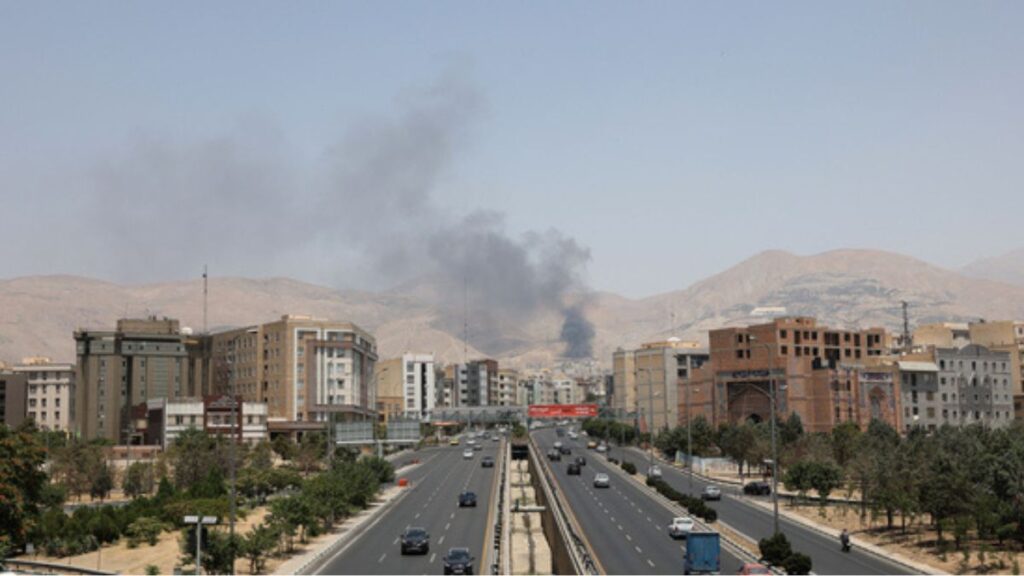
- Iranian cities like Tehran and Karaj face blackouts and infrastructure damage
- Israeli communities endure constant sirens, evacuations, and trauma
- An estimated 120,000 people across both nations have been displaced
For civilians, the war is not theoretical—it is immediate, personal, and devastating.
Conclusion: Why Iran–Israel Air War Day 6 Is a Defining Moment
In conclusion, Iran–Israel Air War Day 6 represents far more than another day of fighting. Instead, it signals a transformation in how wars are fought—across airspace, cyberspace, diplomacy, and public psychology.
While missiles dominate headlines, the deeper danger lies in escalation without exit ramps. Unless diplomacy gains traction soon, the region—and the world—may face consequences that extend far beyond the Middle East.
The coming days will test not only military strength, but also leadership wisdom, alliance resilience, and humanity’s ability to step back from the brink.
Frequently Asked Questions (FAQs)
Q1. Why is Iran–Israel Air War Day 6 considered a turning point?
Because it combines hypersonic missile claims, direct U.S. warnings, cyber warfare, and rising civilian casualties—all at once.
Q2. Did Iran really use hypersonic missiles?
Iran claims it did, but Western experts remain skeptical due to lack of confirmed maneuverability.
Q3. Is the U.S. likely to enter the war directly?
The U.S. has positioned forces and issued warnings, but no final decision has been confirmed.
Q4. How effective is Israel’s missile defense?
So far, Israel has intercepted over 95% of incoming missiles, though sustainability remains a concern.
Q5. What role does cyber warfare play in this conflict?
Cyberattacks target media, morale, and infrastructure, expanding the battlefield beyond physical space.
Q6. How does this war affect global markets?
Oil prices have surged, and investor uncertainty has increased due to fears of regional escalation.





Leave a Reply