
Iran–Israel War Enters Dangerous New Phase—and suddenly, the world feels closer to the edge than ever before. What once seemed like distant geopolitical tension has now erupted into a chilling reality, as missiles strike near nuclear-sensitive zones and civilians wake up to shattered homes and fear-filled skies. Meanwhile, global leaders exchange warnings that could reshape the future within hours. As oil routes choke and alliances tighten, this conflict is no longer just about borders—it’s about global stability. In fact, with each passing moment, the stakes rise higher, leaving millions wondering: how far can this escalation go before it’s too late?
The Iran–Israel war has taken a very scary turn. Rather than being a mere regional war, it has taken on the dimensions of a full-fledged global crisis. Not only are military strategies intensifying but also spreading geopolitical consequences at a fast rate. The war is now in its fourth week, and the stakes have never been so high.
Besides, the latest development shows a change in trend. The latest developments are, however, indicative of a change as neither side is limiting its violent acts to customary targets. Instead, they are targeting broader areas beyond the usual targets, posing social risks to the neighboring regions and the global powers.
Missile Strikes Near Israel’s Nuclear Zone
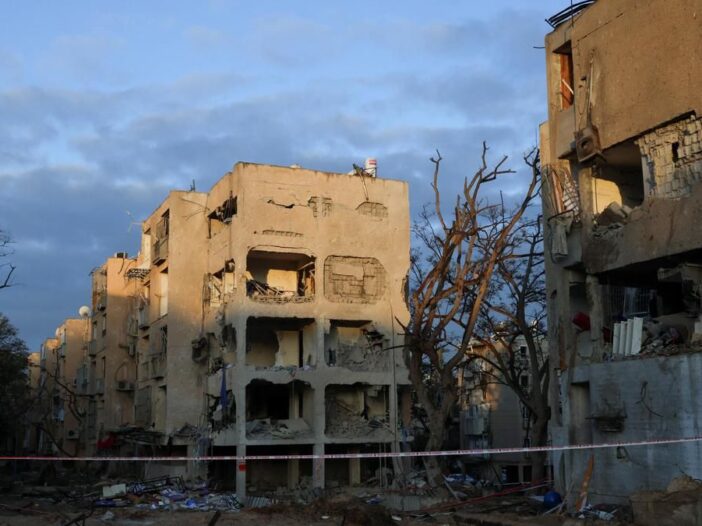
Late on March 21, Iranian missiles targeted areas around Dimona and Arad – two sites near Israel’s nuclear research facilities. No radiation leak is reported yet and the psychological impact is massive already.
Crucially, this is the first time Iranian missiles have successfully breached defenses within this supposedly well-secured area. As a result, doubts about the security systems of Israel rose.
Israeli Prime Minister Benjamin Netanyahu described the situation as “a very difficult evening,” thereby stressing the emotional strain as well as the strain on the nation. Emergency teams were also quick to render help to dozens of injured civilians while managing the terrible building damage.
Rising Global Tensions and U.S. Warnings
At the same time, the United States has adopted a more aggressive attitude. US President Donald Trump warned that if Iran does not unblock the Strait of Hormuz in 48 hours, the country will suffer great attacks on its power plants.
This ultimatum has resulted in raising tensions immensely. On one hand, it reflects the growing pressure in the United States brought about by soaring oil prices. On the other hand, it shows that the situation could escalate to a U.S.-Iran confrontation.
Iran, however, responded fast. Officials warned that any attack on their energy infrastructure would trigger retaliation against U.S. and Israeli assets in the region. Therefore, war is much more likely at this point.
Strait of Hormuz Crisis and Oil Shock
This notion has made the Strait of Hormuz a significant site of the crisis. Its disruption, therefore, results in immediate global consequences since it is one of the critical oil routes in the world.
Due to the ongoing threats and attacks, most oil tankers do not pass through the strait. Energy markets at a global level have been put under great strain as a result. So, oil supply chains are now tight, and prices have risen sharply.
In addition, some of the major oil-producing nations have reduced their output. Crude exportation becomes near impossible without safe shipping routes. As a result, the economies of various countries and the rest of the world, including those which rely on energy, are the victims in this case.
Expansion Beyond the Middle East
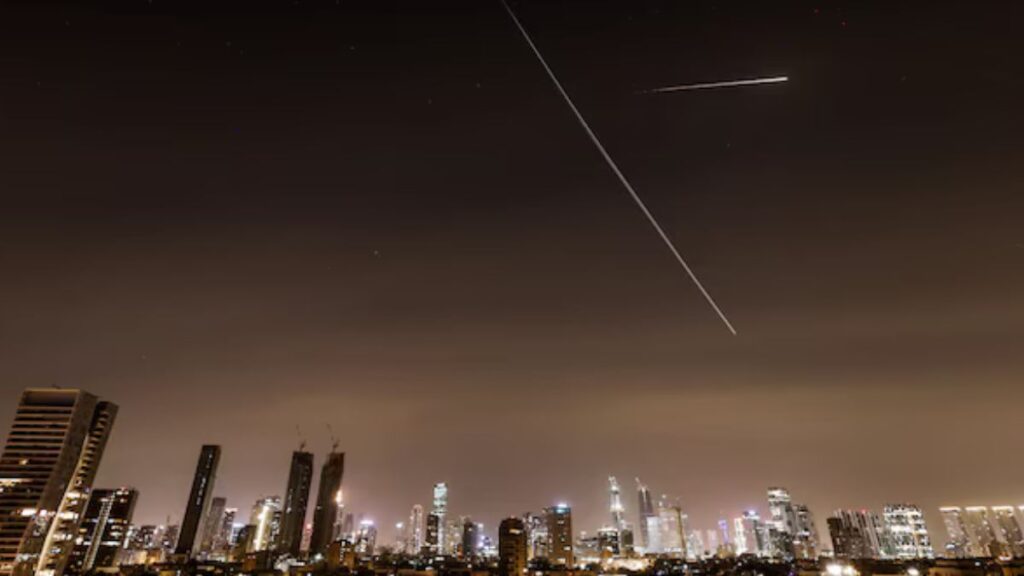
The geographic spread of war is perhaps even more worrisome. Long-range missiles reportedly were launched by Iran towards Diego Garcia base in the Indian Ocean.
According to Israeli military chief Eyal Zamir, these missiles could reach cities as far as Berlin or Paris. In that case, the conflict is not only in the Middle East but also in a global security context.
Tensions have also “flared in Lebanon where clashes between Israeli forces and Hezbollah continue”. ” As multiple fronts open, the situation is complex and unpredictable”.
Key Takeaways
The Iran – Israel war is now at a more dangerous and unpredictable level. There have been missile strikes around nuclear zone in Israel which is “a major escalation”. The United States (U.S.) has given an ultimatum, causing a rise in tensions worldwide. The global energy shock is fueled by the Strait of Hormuz crisis. The use of long-range missiles also indicates possible extension beyond the Middle East.
Conclusion
Therefore, this paper explores the Iran-Israel conflict and its implications for global peace and security. While both sides continue to exchange strikes, involvement of major powers and strategic locations make the situation far volatile.
The fact is that the world now watches closely. This is the case because, if diplomacy fails, this conflict will have long-lasting effects on global security, energy markets, and geopolitical alliances.
Powerful & Insightful FAQs: Iran–Israel War Enters Dangerous New Phase
1. What triggered the Iran–Israel War Enters Dangerous New Phase and why does it feel more dangerous now?
The Iran–Israel War Enters Dangerous New Phase primarily due to direct missile strikes near sensitive nuclear zones and rising global involvement. Not only did Iran hit areas near Dimona and Arad, but it also exposed vulnerabilities in Israel’s air defense systems. As a result, the conflict has shifted from controlled escalation to unpredictable confrontation, making the situation far more volatile.
2. Why did Iran target areas near Israel’s nuclear research center in this Iran–Israel War Enters Dangerous New Phase?
Iran’s strikes near nuclear-sensitive regions signal a strategic message rather than just a military move. Specifically, these attacks demonstrate capability and intent, especially after Iran’s Natanz facility was hit earlier. Therefore, the Iran–Israel War Enters Dangerous New Phase reflects a shift toward targeting high-value symbolic and strategic locations, raising global concern.
3. How serious is the threat from the Strait of Hormuz in the Iran–Israel War Enters Dangerous New Phase?
The Strait of Hormuz crisis lies at the heart of the Iran–Israel War Enters Dangerous New Phase. Because this route carries a significant portion of global oil, its disruption has already triggered sharp price increases and supply fears. Consequently, when tanker movement stops, the world feels the impact almost instantly—from fuel costs to inflation.
4. Why did Donald Trump issue a 48-hour ultimatum during the Iran–Israel War Enters Dangerous New Phase?
Donald Trump’s ultimatum reflects both geopolitical pressure and economic urgency. As oil prices surge and global markets react, the U.S. aims to restore shipping through the Strait of Hormuz quickly. However, this warning also escalates tensions further, because Iran has threatened retaliation against U.S. and allied infrastructure if attacked.
5. What makes the missile attacks in this Iran–Israel War Enters Dangerous New Phase so alarming?
These missile strikes are alarming because they successfully bypassed Israel’s advanced defense systems. Moreover, they caused significant damage to civilian areas, injuring dozens and shaking public confidence. According to recent reports, over 100 civilians were wounded, highlighting the human cost behind the headlines. (The Guardian)
6. Is the Iran–Israel War Enters Dangerous New Phase expanding beyond the Middle East?
Yes, and that’s what makes this phase especially concerning. Iran reportedly targeted the Diego Garcia base, indicating long-range missile capability. Therefore, experts warn that cities far beyond the region could be at risk, turning a regional war into a global security threat.
7. How is the Iran–Israel War Enters Dangerous New Phase affecting global economies?
The economic impact is immediate and widespread. As shipping halts and oil supply tightens, energy prices rise sharply. In fact, oil prices have already surged past critical levels, affecting everything from transportation to food costs worldwide. (The Guardian)
Additionally, reduced production from major oil producers has intensified the crisis, making recovery uncertain.
8. What role do nuclear facilities play in the Iran–Israel War Enters Dangerous New Phase?
Nuclear facilities are central to this conflict. While no radiation leaks have been reported so far, attacks near such sites increase the risk of catastrophic consequences. Therefore, global agencies continue monitoring closely, as any damage could have devastating regional and environmental effects.
9. Could the Iran–Israel War Enters Dangerous New Phase lead to a larger global war?
Although no one can predict the future with certainty, the risk has clearly increased. With multiple countries involved, rising military deployments, and threats targeting global infrastructure, the situation is fragile. Consequently, even a single miscalculation could escalate tensions into a broader international conflict.
10. What should the world expect next in the Iran–Israel War Enters Dangerous New Phase?
Looking ahead, the world may witness either rapid escalation or urgent diplomatic intervention. On one hand, continued strikes and retaliation could intensify the conflict. On the other hand, global pressure may push leaders toward negotiations. Ultimately, the direction depends on how key players respond in the coming days.





Leave a Reply