
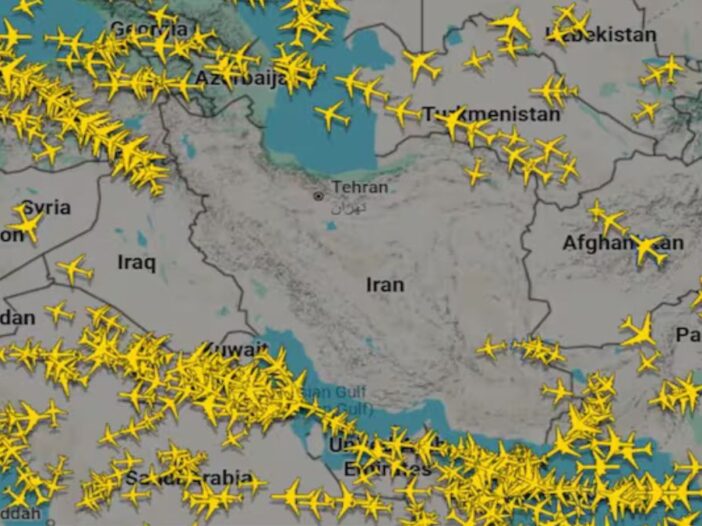
Iran Shuts Airspace After Israel Strikes — The world watched in stunned disbelief as the skies over Iran suddenly went silent on Saturday morning, following unexpected military strikes by Israel on Tehran. Civilian flights were forced to divert, navigation screens blinked with rerouted paths, and passengers found themselves thousands of feet in the air unsure of what would come next. With sirens blaring in Israel and airlines scrambling to keep travelers safe, this dramatic escalation has sent shockwaves through global aviation and geopolitics alike — leaving millions glued to news feeds for answers.
The Middle East woke up to a dramatic escalation. On the early hours of Saturday, there were fierce explosions in Tehran, following which Iranian airspace was immediately closed. Commercial aircraft were rerouted in real time, and tension grew throughout the region.
Civilian flights quickly diverted away from Iranian skies according to flight tracking data shared by **Flightradar24”. Meanwhile, Israel had also shut down its airspace with sirens blaring across *Tel Aviv*, indicating possible retaliation preparations.
This sudden military development has not only escalated the ongoing Iran–Israel conflict but also rattled global markets, airlines, and diplomatic channels.
What Triggered the Iran Airspace Shutdown?
What Israel described as “pre-emptive” missile strikes, Iran immediately closed its airspace. The coordinated operation has been described as Israeli and U.S. military efforts targeting locations within Tehran.
Also, several blasts were heard around government districts, including areas near the offices of the Supreme Leader, Ayatollah Ali Khamenei. However, there has been no confirmation from officials regarding his presence during this time.
While there have been no definite casualties so far, the strategic implications are massive. According to an Israeli defence official who spoke on condition of anonymity to Reuters, the operation was “planned for months.” Hence, analysts say this was a deliberate escalation rather than a sudden retaliation.
Explosions Rock Tehran After Joint Strikes
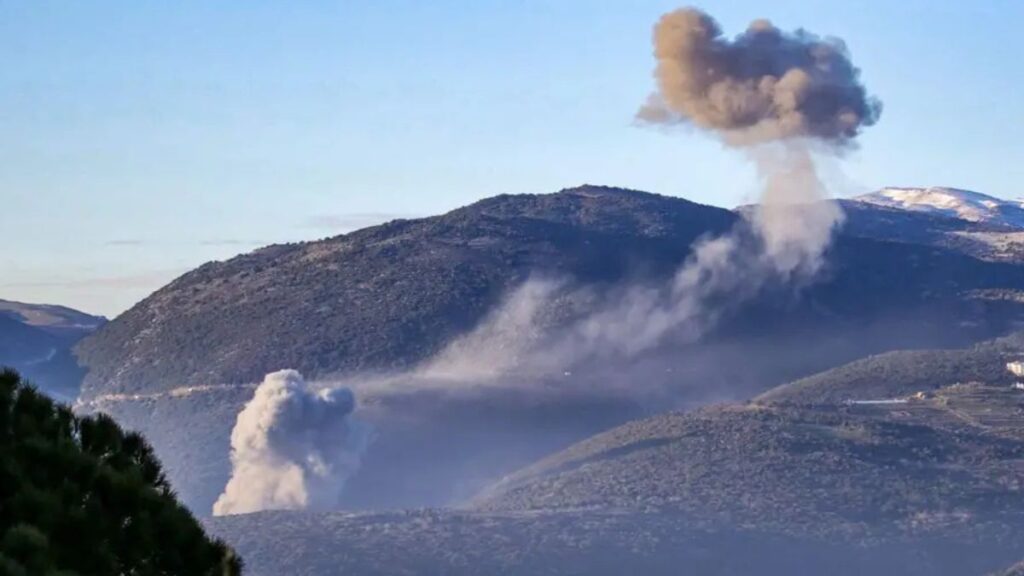
There were reports that the missiles hit points along the University street and the Jomhouri district. In addition, there was thick smoke in the area of the Pasteur Street, which is considered to have government buildings.
Authorities have not come out with a damage assessment but the psychological effects are guaranteed to be felt. The citizens had to witness closing of the airspace, emergency notification, and the security measures that were in place in all the major cities.
Consequently, the West Asia security landscape has reached another volatile phase.
Israeli and U.S. Strategy on Iran’s Nuclear Program
The nuclear program of Iran is at the core of this crisis. The United States under President Donald Trump has demanded that the Tehran permanently halt uranium enrichment, which is capable of producing nuclear weapons.
In particular, Washington wants binding guarantees, comprehensive inspections, and freezing the development of ballistic missiles. However, Iran maintains that its nuclear program is purely for civilian purposes, and there is no way it intends to build nuclear weapons.
Earlier in February, the U.S. and Iranian officials held negotiations. However, the talks failed to reach an agreement.
President Trump, who recently stated that he was “not happy” with progress, had indicated that negotiators will be given more time.
However, this most recent strike shows that the diplomatic endurance has finally come to an end.
In the meantime, Israel has adamantly insisted that any proposed agreement should guarantee the total dismantling of Iran’s nuclear infrastructure. For months, Israeli officials had been lobbying the United States to take a harder line.
Why Flights Were Rerouted Across West Asia
Once Iranian airspace was closed, airlines had no option but to divert. Flights traveling between Europe and Asia had to reroute through neighboring countries, leading to longer travel times and increased costs.
At the same time, Israel closed its airspace as well to prepare against any retaliatory attacks. So, the ripple effect did not stop at Iran’s borderlines.
Aviation experts warn that longer closures could have major effects on flight schedules worldwide, use of fuel, and insurance costs.
Also, there is a risk of more operational hazards for airlines in the region. In this unfolding scenario, military conflict directly interferes with global aviation security and international travel routes.
India Issues Urgent Advisory for Nationals in Israel
In the light of the escalating tensions, the Indian Embassy in Israel issued a public safety advisory. The Indians were cautioned to always be on alert, stay close to the designated safe rooms, and restrict their movements.
The advisory also put emphasis on strict adherence to instructions from the Israeli authorities and the Home Front Command. Besides, the Embassy also put into operation a helpline that operates round the clock to provide assistance to citizens in the event of emergencies.
Such diplomatic precautions emphasize the pace at which the security environment is worsening.
What Happens Next in the Middle East Crisis?
Everything looks unsure in the immediate future. On one hand, retaliatory strikes may escalate the conflict further. On the other hand, international diplomatic pressure might force both sides back into negotiations.
Military analysts believe that the large-scale troop and naval presence by the US forces in the region is a display of preparedness for a long run in the battle. However, the regional powers are likely to intervene at the diplomatic level in order to contain the escalation of the conflict.
Ultimately, the stakes are much higher than just Iran and Israel. Energy markets, aviation routes, global security alliances, and nuclear non-proliferation efforts are at stake.
Key Takeaways
Iran closed its airspace following joint Israeli–U.S. strikes in Tehran.
Civilian flights were rerouted immediately, disrupting world aviation routes.
There were explosions near the sensitive government districts.
The crisis revolves around Iran’s nuclear enrichment program.
The U.S demands permanent restrictions and inspections.
Israel insists on a full deconstruction of the Iranian nuclear infrastructure.
Israel (IL): Safety Advisories for Indian Citizens
The tensions in the regions may escalate further.
Frequently Asked Questions: Iran Shuts Airspace After Israel Strikes
1. Why did Iran Shuts Airspace After Israel Strikes become breaking global news overnight?
The situation made headlines because Iran immediately closed its airspace after Israeli missile strikes targeted areas in Tehran. As a result, civilian aircraft had to reroute mid-flight, creating instant disruption across major international travel corridors. Beyond aviation, the strikes escalated long-standing tensions over Iran’s nuclear program, raising fears of a broader regional conflict. Therefore, what began as a military action quickly evolved into a global security and aviation crisis.
2. What exactly happened when Iran Shuts Airspace After Israel Strikes was announced?
Shortly after explosions were reported in Tehran, Iranian authorities shut down national airspace as a precaution. At the same time, Israel closed its skies while sirens sounded in Tel Aviv. According to tracking data from Flightradar24, dozens of commercial planes diverted within minutes. Consequently, airlines had to adjust routes, increase fuel loads, and prepare for longer flight times.
3. How does “Iran Shuts Airspace After Israel Strikes” impact international flights and passengers?
Passengers traveling between Europe and Asia felt the effects almost immediately. Flights rerouted through neighboring airspace, which increased travel time and operational costs. Although airlines prioritize safety, sudden diversions can cause delays, missed connections, and higher ticket prices. Nevertheless, aviation authorities stress that rerouting ensures passenger safety remains the top priority during geopolitical tensions.
4. Is this conflict connected to nuclear negotiations after Iran Shuts Airspace After Israel Strikes?
Yes, the escalation ties directly to disagreements over Iran’s nuclear program. The United States, under President Donald Trump, has demanded strict limits on uranium enrichment and stronger inspections. Meanwhile, Israel insists that any agreement must include complete dismantling of Iran’s nuclear infrastructure. However, Tehran maintains that its nuclear program serves civilian purposes. Because talks earlier this year failed to produce a breakthrough, tensions have steadily risen.
5. Was Iran’s leadership targeted when Iran Shuts Airspace After Israel Strikes?
Reports suggest that missile strikes hit areas near offices associated with Supreme Leader Ayatollah Ali Khamenei. However, officials have not confirmed his presence at the time of the attacks. While no casualties have been officially reported, the symbolic significance of targeting central districts in Tehran adds to the gravity of the situation.
6. Why did Israel also close its airspace after Iran Shuts Airspace After Israel Strikes?
Israel closed its skies to prepare for possible retaliation. Military planners often take such precautionary measures to protect civilian aircraft during heightened alert periods. Therefore, shutting airspace reduces risks and allows defense systems to operate without interference from commercial flights.
7. How is India responding after Iran Shuts Airspace After Israel Strikes?
India has issued a safety advisory urging its nationals in Israel to remain vigilant and stay close to designated shelters. Additionally, the Indian Embassy activated emergency helplines and advised citizens to avoid non-essential travel. Such diplomatic steps demonstrate how quickly regional conflicts can affect global communities.
8. Could the situation worsen after Iran Shuts Airspace After Israel Strikes?
The possibility exists. On one hand, retaliatory action could deepen the crisis. On the other hand, international diplomatic pressure may push both sides back toward negotiations. Much will depend on whether leaders choose military escalation or renewed dialogue in the coming days.
9. How long might airspace remain closed after Iran Shuts Airspace After Israel Strikes?
Airspace closures during military tension can last hours, days, or even longer depending on security assessments. Airlines continuously monitor official notices before resuming routes. Therefore, travelers should check with carriers for real-time updates and flexible rebooking options.
10. What should travelers and global investors understand about Iran Shuts Airspace After Israel Strikes?
First, aviation safety protocols are designed to handle sudden geopolitical disruptions. Second, energy markets and insurance costs may fluctuate as uncertainty grows. Finally, diplomatic developments can rapidly change the trajectory of the crisis. Staying informed from reliable sources remains essential during fast-moving global events.
Final Insight
The phrase “Iran Shuts Airspace After Israel Strikes” reflects more than a temporary aviation disruption. Instead, it signals a powerful moment in Middle East geopolitics that affects travelers, investors, and governments worldwide. While uncertainty continues, informed awareness empowers readers to understand both the risks and the broader global implications.




Leave a Reply