
Iran-US 45-Day Ceasefire talks have suddenly become more than a diplomatic headline—they now feel like a fragile lifeline for a region standing dangerously close to the edge. As missiles, warnings, and political pressure intensify, the world is watching one urgent question unfold: Can 45 days of peace stop a much larger war? That is why these talks matter so deeply. They are not only about Iran and the United States. Instead, they are about global oil routes, regional stability, civilian safety, and the fear of what happens if diplomacy fails. Right now, hope and danger are moving side by side—and the next few hours could change everything.
Iran-US 45-Day Ceasefire Talks: Why the Next 48 Hours Matter
The Middle East could soon be at a turning point. This agreement is expected to last 45 days and could potentially determine the near future of the Middle East.
According to several reports, including Axios, the mediators see the next 48 hours as crucial. This narrow diplomatic window, therefore, will either “open the door to de-escalation or escalate the region closer to the wider conflict”.
That is exactly why global attention on it has become intense. Temporary truce sounds limited on paper. However, when the region is on the brink of an undesirable escalation, 45 days seem a better time to allow for some diplomatic moves that could save lives.
How the Proposed 45-Day Ceasefire Could Work
The reported plan would take place in stages. First, both parties would agree to a temporary ceasefire for 45 days. During that period, negotiators would attempt to come up with a more broader and long-lasting peace settlement plan.
Meanwhile, Pakistan, Egypt, and Türkiye are also said to be helping to facilitate the talks. Their involvement is important because backchannel negotiations are often the only viable option when the situation becomes intractable.
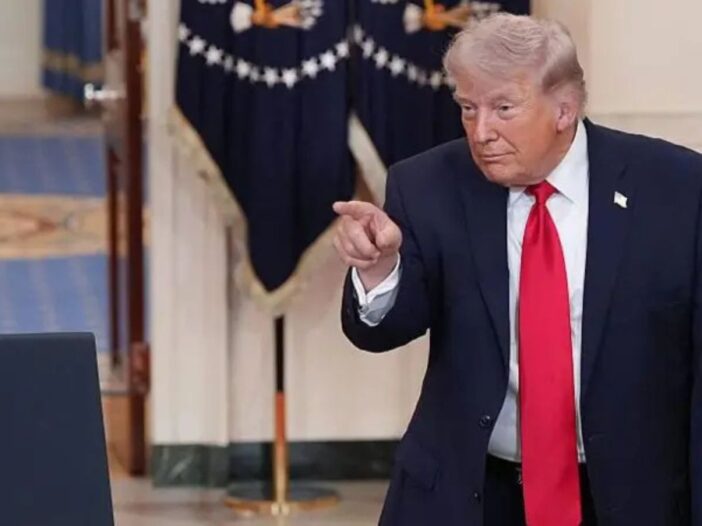
Former US President Donald Trump has also featured in the headlines, claiming that his envoys are engaged in “serious discussions” with the Iranian officials. At the same time, US messaging is mixed as it sends out diplomatic signals while at the same time issuing unusually crude military warnings.
Therefore, the ceasefire proposal is an opportunity for peace as well as a pressure tactic.
Why the Talks Face Serious Obstacles
However, the road to a ceasefire is still hard. The US official was quoted as saying that it is unlikely that there will be meaningful talks unless there is a prior cessation of fighting. Therefore, the very violence diplomacy is seeking to eradicate is what is also hindering diplomacy from progressing.
For one thing, Iran is reportedly unwilling to make any significant concessions over two sensitive issues:
Iran-US Ceasefire Talks and the Strait of Hormuz
Control and security around the Strait of Hormuz stays central. This route is one of the most important energy maritime corridors in the world. Thus any interference there could alter the confidence in shipping and prices of oil rapidly, as well as the markets on the global scale.
Iran Nuclear Program and Regional Security
The second big sticking point is Iran’s nuclear program. This issue continues to play every significant diplomatic calculus. This issue continues to define every major calculation diplomatically until both sides find even limited common grounds upon which they can rely on thus making hard for a lasting settlement to be achieved.
Iran’s Warning Over Global Energy and Trade Routes
Iran, on the other hand, has made unusually strong warnings about what might happen if talks break down. Officials have indicated that any large-scale military assault would be met with retaliation outside the batmapond.
For example, Iranian-linked statements have ignited concerns around the Bab-el-Mandeb and broader international shipping routes. Such a development would not remain regional but rather reverberate through markets globally in the fuel sector, trade flows and tied supply chains.
That is why this story matters far beyond the realm of diplomacy. It is also about global energy security, shipping security, and economic risk.
Attack in Tehran Adds Urgency to Diplomacy
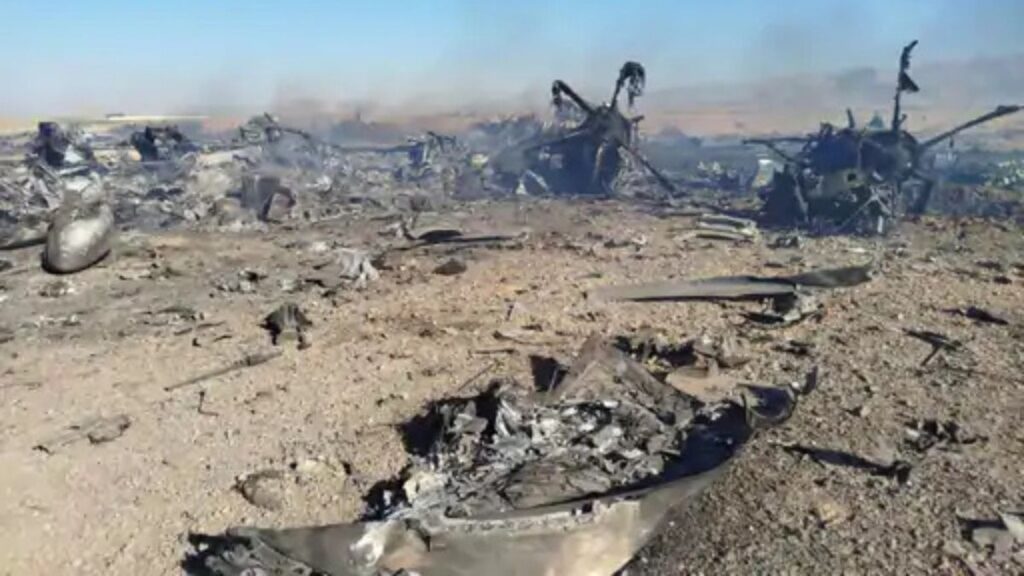
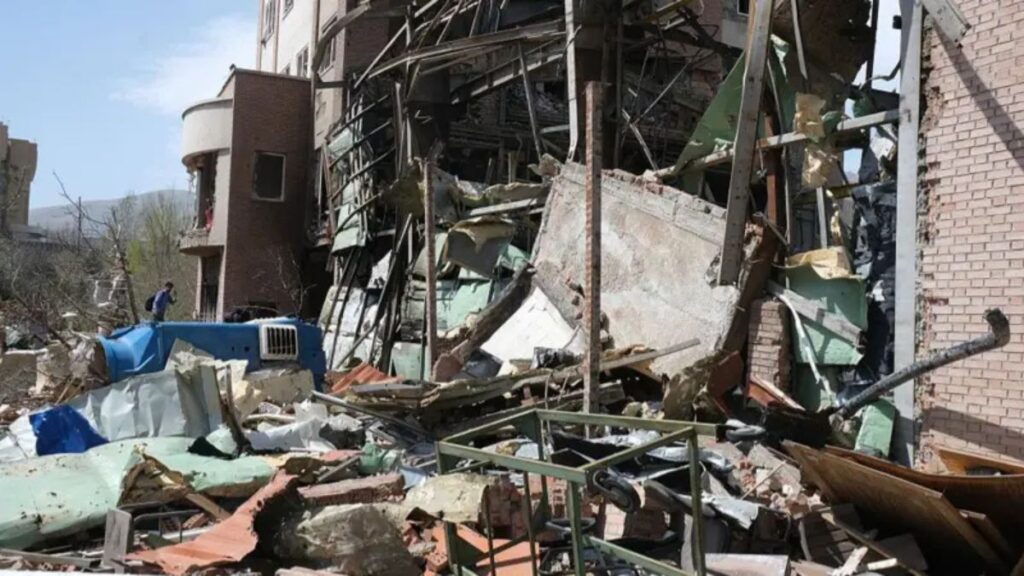
Another development that escalated the tensions was that a gas station close to the Sharif University of Technology in Tehran was attacked. There have been reported cuts of gas supplies within the neighbourhood, while there is heavy smoke coming out of western Tehran (Ibid).
Although details are still scarce, damage to nearby facilities, reportedly associated with the university, has increased emotional and political significance to an already complex situation. As it stands, there is very little room for dispassionate calculations.
India Political and Humanitarian Updates Linked to the Crisis

The wider regional conflict has also been intertwined with events in India.
Rahul Gandhi criticized the government over rising LPG affordability concerns, stating that people with low income and migrant workers are struggling under economic pressure. Besides, Himanta Biswa Sarma and Gaurav Gogoi exchanged accusations over another dispute in Assam.
On a more constructive note, India has sent humanitarian aid to Afghanistan following the recent floods and earthquakes. That aid includes tarpaulins, sleeping bags, kitchen kits, and other necessary items.
Key Takeaways
It is reported that negotiations for a 45-day ceasefire are underway between Iran and the US.
The next 48 hours could be the end of diplomacy.
The Strait of Hormuz and Iran’s nuclear program still constitute the biggest obstacles.
Iran has warned that such an escalation could jeopardize the trade routes and energy supplies globally.
An attack in Tehran has put the spotlight on the need for immediate de-escalation.
India-related political and humanitarian developments provide regional context.
Conclusion
At this moment, this is more than a headline. It is a geopolitical test with stakes for peace, oil markets, shipping routes, and regional stability.
If negotiators succeed, this 45-day ceasefire might just prove to be a vital first step towards a broader settlement. If they fail, however, the world may soon have to deal with a much worse form of the Middle East crisis.
Frequently Asked Questions (FAQs)
What is the Iran-US 45-Day Ceasefire and why is it suddenly making headlines?
The Iran-US 45-Day Ceasefire is a reported proposal aimed at temporarily stopping hostilities between Iran and the United States for 45 days while negotiators try to build a broader peace framework. Right now, it is drawing intense global attention because it could become the last major diplomatic opening before a wider regional conflict. Moreover, the timing makes it even more urgent, as mediators believe the coming hours are critical. Reports from Reuters and Axios say the proposal is being discussed in phases and could create space for deeper negotiations if both sides agree.
How would the Iran-US 45-Day Ceasefire actually work if both sides agree?
If accepted, the Iran-US 45-Day Ceasefire would begin with a temporary halt in military escalation. During that period, both sides would use the pause to discuss a more durable political and security arrangement. In simple terms, it is not meant to be the final peace deal—it is meant to buy time, lower tensions, and prevent immediate disaster. Additionally, some reports suggest the truce could be extended if negotiators make progress but need more time.
Why is the Iran-US 45-Day Ceasefire being called a possible breakthrough?
The Iran-US 45-Day Ceasefire is being seen as a possible breakthrough because both diplomacy and military pressure are happening at the same time. That combination is rare, tense, and often decisive. On one hand, regional mediators are pushing hard to keep talks alive. On the other hand, public threats and rising military rhetoric have increased the stakes dramatically. Therefore, even a short truce now could help prevent a much larger crisis from unfolding across the Middle East.
Who is helping mediate the Iran-US 45-Day Ceasefire talks?
Several countries are reportedly helping facilitate the Iran-US 45-Day Ceasefire discussions, including Pakistan, Egypt, and Türkiye. Their involvement matters because direct communication between rivals often becomes politically difficult during active tensions. As a result, these regional players can act as bridges, helping carry proposals, responses, and pressure points between both sides. In high-risk diplomacy like this, mediators often become the reason talks survive long enough to matter.
What are the biggest obstacles to the Iran-US 45-Day Ceasefire?
The biggest barriers to the Iran-US 45-Day Ceasefire appear to be trust, timing, and unresolved strategic disputes. Most importantly, reports indicate that the Strait of Hormuz and Iran’s nuclear program remain major sticking points. In addition, ongoing fighting makes diplomacy harder because both sides are negotiating under pressure, anger, and public scrutiny. That is why even small disagreements now can block larger progress.
Why is the Strait of Hormuz so central to the Iran-US 45-Day Ceasefire?
The Iran-US 45-Day Ceasefire cannot be understood without the Strait of Hormuz, because this waterway is one of the world’s most vital energy routes. If it is disrupted, the impact could spread far beyond the Middle East and affect oil prices, shipping costs, fuel markets, and global trade confidence. That is why pressure over reopening and securing the strait has become one of the most explosive parts of the current standoff. In many ways, this is not just a regional issue—it is an economic one for the entire world.
Could the Iran-US 45-Day Ceasefire help prevent a larger war in the Middle East?
Yes, the Iran-US 45-Day Ceasefire could reduce the immediate risk of a larger war—if it holds. A temporary pause would not solve every dispute overnight. However, it could stop the momentum toward rapid escalation, which is often how regional wars spiral out of control. Just as importantly, it could create enough breathing room for negotiators to move from threats to actual bargaining. For many observers, that possibility alone makes this proposal incredibly significant.
What happens if the Iran-US 45-Day Ceasefire talks fail?
If the Iran-US 45-Day Ceasefire collapses, the consequences could be severe. Reports suggest that failure could raise the risk of major military action and trigger wider retaliation involving infrastructure, maritime routes, and regional allies. Furthermore, Iran has signaled that any large-scale attack could affect global energy supply chains and key shipping corridors. In other words, the fallout may not stay local for long. That is precisely why markets, governments, and ordinary readers are watching this story so closely.
How is the Iran-US 45-Day Ceasefire linked to the reported attack in Tehran?
The reported attack near Sharif University of Technology in Tehran has made the Iran-US 45-Day Ceasefire talks even more urgent. When violence reaches civilian-linked or urban areas, the emotional and political cost rises immediately. Consequently, every new incident can harden positions, deepen fear, and shrink the space for diplomacy. That is why attacks like this do not just change the battlefield—they also change the mood of negotiations.
Why does the Iran-US 45-Day Ceasefire matter to readers outside the Middle East, including in India?
The Iran-US 45-Day Ceasefire matters globally because its outcome could influence oil prices, shipping routes, inflation, energy affordability, and political stability far beyond the region. For readers in India and elsewhere, this is not just a foreign policy story. It can shape the cost of fuel, household expenses, business confidence, and broader geopolitical risk. That is exactly why this developing situation feels both distant and deeply personal at the same time.






Leave a Reply