
Introduction of Japan Northern Coast Shaken:
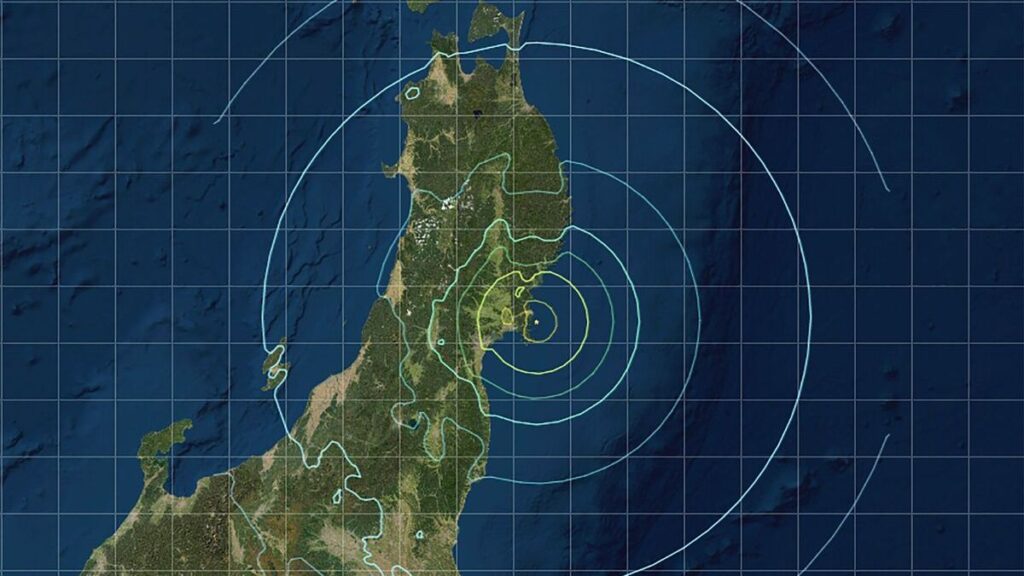
Japan’s northern coast experienced a strong 6.9-magnitude earthquake on Sunday evening. It struck off the coast of Iwate Prefecture, leading to a tsunami advisory and a quick, coordinated response from authorities. Fortunately, there were no reported injuries and only minor sea-level changes. This event highlights the effectiveness of Japan’s disaster preparedness systems along the Pacific “Ring of Fire.”
What Happened & Where
At around 5:03 p.m. local time on Sunday, November 9, 2025, a strong earthquake occurred beneath the sea off Iwate Prefecture, at a depth of about 10 to 16 km. Initially recorded as 6.7, the magnitude was later adjusted to 6.9 by the Japan Meteorological Agency (JMA). The quake reached a seismic intensity of “4” on Japan’s Shindo scale in cities like Morioka and Yahaba.
Tsunami Advisory & Actual Sea Conditions
After the quake, the JMA issued a tsunami advisory for Iwate’s northeastern coastline, warning of possible waves up to 1 meter, and in some areas even up to 3 meters. However, actual wave heights were much lower, around 10 to 20 centimeters at places like Ofunato and Kuji. The advisory was lifted roughly three hours later, at about 8:15 p.m., as no significant wave activity occurred.
Impact and Response
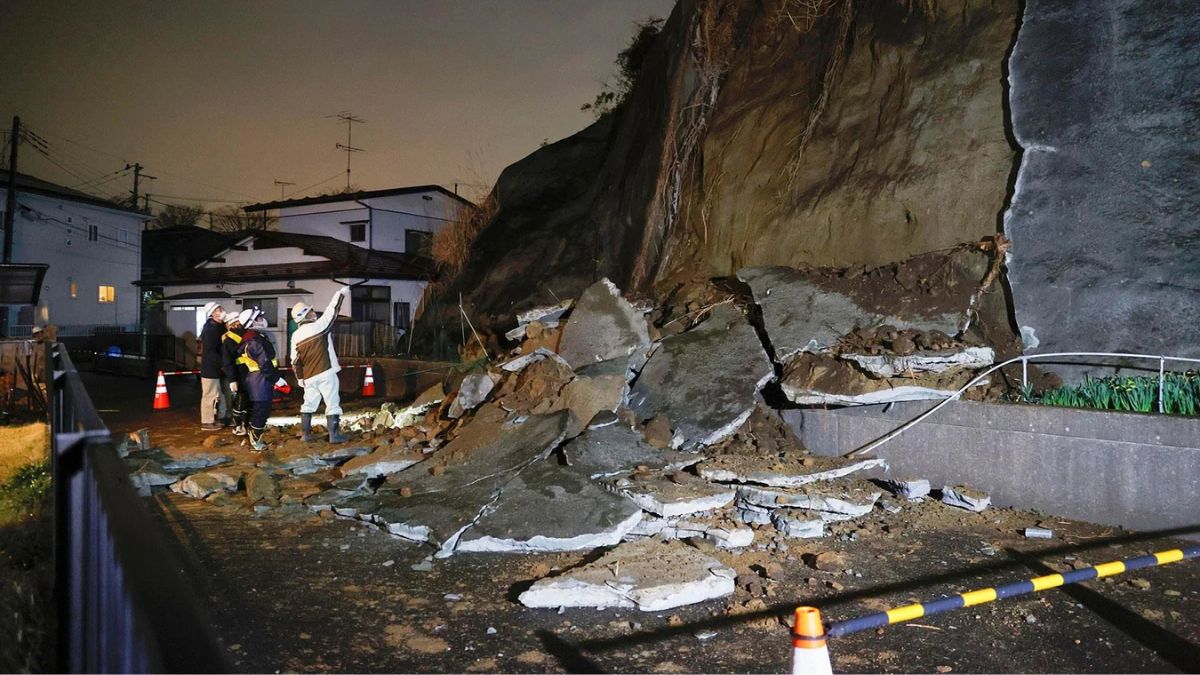
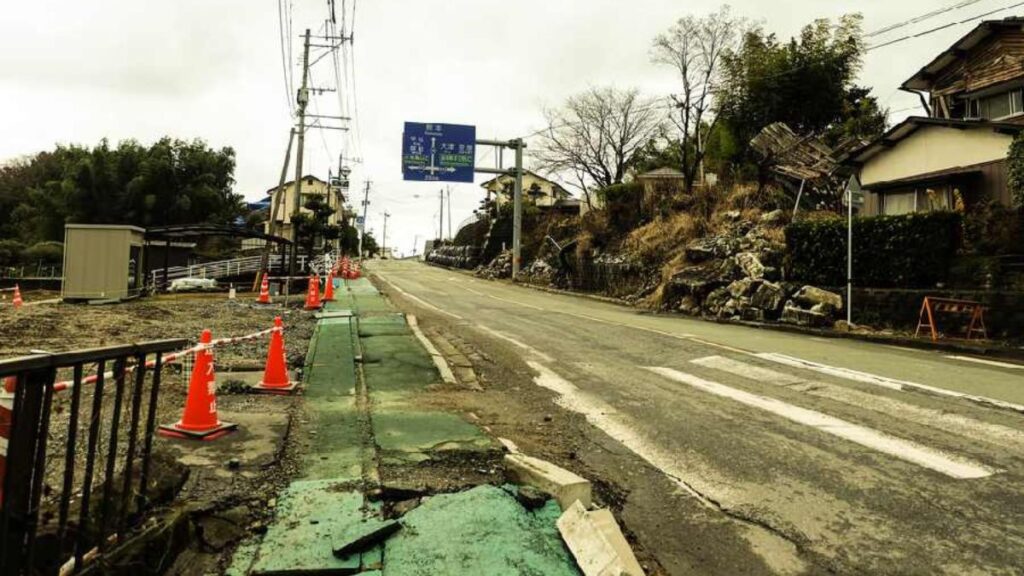
There were no immediate casualties or serious damage reported. Both nuclear power plants in the affected area remained safe. Some rail services, including the Tohoku Shinkansen line, faced brief delays due to precautionary power cuts and inspections. Authorities warned residents about the possibility of aftershocks for up to a week, urging extra caution for the next two to three days.
Why This Matters
Japan lies along the Pacific plate boundary known as the “Ring of Fire,” making earthquakes common. The last major disaster in the region happened in March 2011, when a magnitude 9.0 earthquake triggered a massive tsunami. The quick issuance and cancellation of the advisory this time, along with the lack of significant damage, reflect how much progress Japan has made in disaster preparedness and early warning systems.
What Residents and Visitors Should Know
Stay away from coastal areas until officials give the all-clear and sea levels stabilize.
Monitor official updates from the JMA and local authorities, as aftershocks may occur.
If you feel strong shaking, move to higher ground or a safe building away from the shoreline.
Even when waves are small, currents and surges can still create dangers along the coast.
Looking Ahead
While the immediate threat has passed, the JMA stresses the importance of staying alert for potential seismic activity over the next few days. Local infrastructure and communities remain on high alert, reinforcing Japan’s commitment to readiness in the face of natural hazards.
Conclusion on Japan Northern Coast Shaken:
A 6.9-magnitude earthquake struck off Iwate Prefecture, Japan, on November 9, 2025. This prompted a tsunami advisory, which was later canceled after only minor wave activity. No injuries or significant damage were reported, and authorities are keeping an eye out for possible aftershocks in the coming days.
FAQs: Everything You Need to Know — Japan Northern Coast Shaken by 6.9-Magnitude Quake
1. What exactly happened when Japan Northern Coast Shaken by the 6.9-magnitude earthquake?
When Japan’s northern coast was shaken on November 9, 2025, by a powerful 6.9-magnitude earthquake off Iwate Prefecture, it triggered immediate alerts across the region. The Japan Meteorological Agency (JMA) issued a tsunami advisory as a precaution. Fortunately, only minor sea-level changes occurred, and no injuries or major damage were reported — showcasing Japan’s advanced earthquake preparedness.
2. Where was the epicenter located when Japan Northern Coast Shaken by the quake?
The earthquake’s epicenter was beneath the sea, off the coast of Iwate Prefecture in northeastern Japan. The tremor occurred at a depth of approximately 10 to 16 kilometers, registering a seismic intensity of “4” on the Shindo scale in nearby cities such as Morioka and Yahaba.
3. How high were the tsunami waves when Japan Northern Coast Shaken by the earthquake?
The Japan Meteorological Agency initially warned of tsunami waves possibly reaching up to 1 meter, and in isolated areas even up to 3 meters. However, actual waves were much smaller — around 10 to 20 centimeters — at Ofunato, Kuji, and Ominato ports. The tsunami advisory was lifted roughly three hours later, at 8:15 p.m. local time.
4. Was there any damage or casualties reported when Japan Northern Coast Shaken by the quake?
No casualties or major damage were reported. Both nuclear power plants in the region remained secure, and infrastructure such as power lines and communication networks functioned normally. Some bullet train services were temporarily delayed due to automatic safety inspections, which resumed shortly after confirming safety.
5. Why is Japan Northern Coast Shaken events like this so common?
Japan lies along the Pacific “Ring of Fire”, a tectonic boundary known for frequent earthquakes and volcanic activity. The country experiences around 1,500 tremors annually, most minor. Advanced monitoring systems and strict building codes help minimize the impact of moderate-to-strong quakes like this one.
6. How did Japan respond so quickly when Japan Northern Coast Shaken by this powerful quake?
Japan’s highly efficient early warning system, managed by the JMA, instantly issued alerts via television, mobile phones, and public loudspeakers. Local governments activated disaster response units, ensuring people stayed away from coastal areas until the all-clear was given. This proactive approach reflects Japan’s leadership in earthquake preparedness.
7. What lessons were reinforced when Japan Northern Coast Shaken by this 6.9-magnitude earthquake?
This event highlighted the importance of constant readiness, community drills, and rapid communication. It also demonstrated how Japan’s post-2011 disaster reforms — including tsunami barriers and automatic train safety protocols — have greatly improved the nation’s resilience against natural disasters.
8. Are more aftershocks expected after Japan Northern Coast Shaken by the earthquake?
Yes. The JMA advised that aftershocks may continue for up to a week, particularly during the next two to three days. Residents are encouraged to stay alert and follow official updates, though the likelihood of a damaging aftershock remains relatively low.
9. What should people do if Japan Northern Coast Shaken by another earthquake soon?
Residents and visitors should:
- Move quickly to higher ground if near the coast.
- Avoid using elevators during shaking.
- Stay updated through official JMA broadcasts and local government alerts.
- Keep an emergency kit ready with essentials like water, food, and a flashlight.
10. What positive outcomes emerged when Japan Northern Coast Shaken by this quake?
Despite its strength, this earthquake became a testament to Japan’s progress in disaster resilience. No major damage, no casualties, and rapid response efforts underscored how effective Japan’s warning systems and public awareness programs have become. It reaffirmed the nation’s global reputation for precision, preparedness, and public safety.






Leave a Reply