
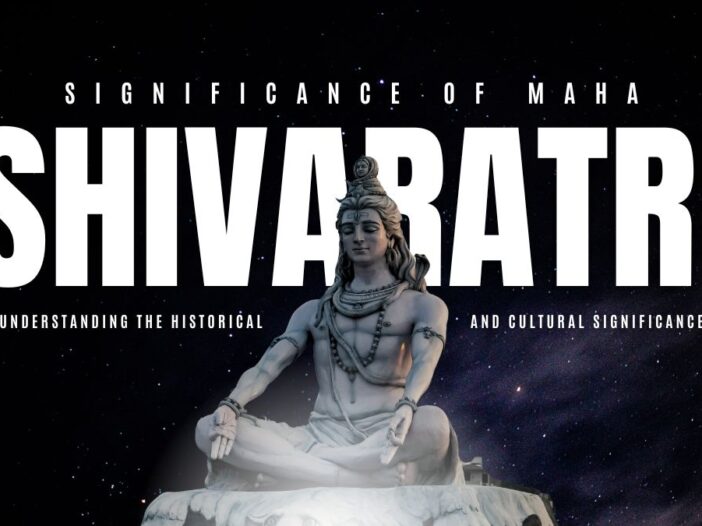
Maha Shivratri 2026 Crowd at Prayagraj Sangam as Magh Mela 2026 Ends, Faith can turn normal mornings into something amazing. This year, Maha Shivratri at Prayagraj was one of those times, with tons of people gathering at the holy spot. You could feel the energy in the air, and the city had one of its biggest religious gatherings of the year.
Over a million people came to take a dip in the water, celebrating the festival and the end of the yearly Magh Mela. The Sangam ghats were full of chants, rituals, and deep faith.
Why Maha Shivratri at Prayagraj is a Big Deal

Maha Shivratri is known as one of the most important nights in Hinduism. People usually dedicate this day to Lord Shiva, which represents change, understanding yourself, and balance. Celebrating at Triveni Sangam is a little more special, though.
At the meeting point of the Ganga, Yamuna, and the Saraswati rivers, people think that spiritual cleaning is stronger. That’s why many plan their trips months ahead to feel this special mix of faith and tradition.
Record Number of People at Triveni Sangam
This year’s Maha Shivratri had a crazy turnout at Prayagraj’s Sangam. Local officials said that over a million people took a dip during the last bathing day of Magh Mela 2026. The crowd started showing up before sunrise and kept coming all day.
By the afternoon, officials said that the numbers were higher than expected. The ghats were packed, but the vibe was peaceful and full of worship.
This huge crowd shows how important Prayagraj is for culture and religion. It also shows how traditional festivals bring people together no matter where they’re from or what language they speak.
Early Morning Stuff and Traditions
Before the holy dip, you could see people getting emotional. Locals and visitors tied holy threads around their wrists while chanting “Har Har Mahadev” along the riverbanks.
As it got closer to dawn, people waited patiently along the ghats. Some prayed silently, while others sang or chanted. The Sangam became a place where everyone showed their thanks, hopes, and spiritual desires.
These rituals may seem simple, but they mean a lot. Tying cotton threads can mean purity and protection, while chanting helps you focus spiritually.
How Security and Crowd Control Worked
Handling this many people takes a lot of planning. Local authorities and the Uttar Pradesh Police put in place security and traffic systems.
Barricades helped people move, and security watched the crowds at main points. Teams were also placed in certain spots to stop crowding and keep things safe.
Because of all this, people could get around the ghats easily. The teamwork between the city and security made everything go smoothly.
Why Magh Mela is a Big Deal
The end of Magh Mela made the day even more special. Unlike other festivals, Magh Mela lasts for weeks, bringing in holy people, spiritual seekers, and pilgrims from all over India.
It usually happens during the Hindu month of Magh and focuses on being simple, praying, and bathing. The last bathing day, mainly when it lines up with Maha Shivratri, is a great spiritual moment.
For many, taking part in this final bath means closing one chapter, starting fresh, and getting blessings for the new year.
What People Did Across India
While Prayagraj was the main spot, celebrations happened everywhere. People went to Shiva temples, prayed, and fasted. Many families also held worship events all night.
Staying up all night, called Jagran, has its meaning. People light lamps, sing, and think deeply. It essentially highlights staying aware and giving in to the divine.
These celebrations highlight the festival’s impact on Indian culture. They show how spiritual traditions can fit into both big public events and personal home rituals.
Main Points
Over a million people gathered at Prayagraj’s Sangam for Maha Shivratri.
The holy dip marked the last bathing day of Magh Mela 2026.
Early morning rituals created a great spiritual atmosphere.
Security measures made sure the crowds moved smoothly.
Maha Shivratri celebrations took place all over India with temple visits and all-night worship.
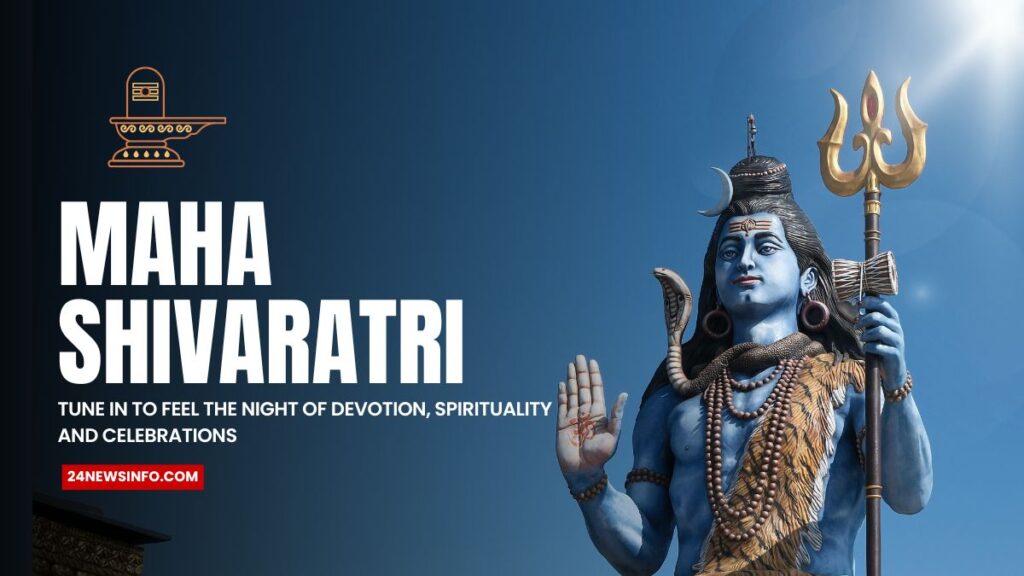
Maha Shivratri 2026 Wishes – A Complete Collection for Every Mood and Moment
Festivals often remind us to pause, reflect, and reconnect. Maha Shivratri, in particular, carries a rare stillness that feels both deeply personal and beautifully universal. Some people seek blessings, others search for the right words, and many simply wish to share warmth with loved ones. Therefore, choosing meaningful messages becomes more than a ritual — it becomes an expression of emotion.
Because people celebrate differently, wishes also take many forms. While some prefer spiritual reflections, others lean toward devotional prayers or calming thoughts. Consequently, having a well-organized reference helps readers quickly find what resonates with their feelings.
Quick Guide to Maha Shivratri 2026 Wishes
| Category of Maha Shivratri 2026 Wishes | Emotional Tone & Purpose | When These Wishes Feel Most Appropriate | Example Style of Message |
|---|---|---|---|
| Spiritual Maha Shivratri 2026 Wishes | Introspective, mindful, reflective | Ideal for personal messages, journaling captions, or thoughtful greetings | Messages centered on silence, inner clarity, awareness, and self-growth |
| Devotional Maha Shivratri 2026 Wishes | Faith-driven, reverent, prayerful | Best for family, elders, religious communities, and traditional greetings | Wishes invoking Lord Shiva’s blessings, protection, strength, and grace |
| Calming Maha Shivratri 2026 Wishes | Gentle, soothing, emotionally grounding | Suitable for friends, colleagues, or anyone going through stress or change | Wishes emphasizing peace, stillness, comfort, and emotional balance |
| Short Maha Shivratri 2026 Wishes | Simple, direct, universally shareable | Perfect for WhatsApp messages, SMS, social media statuses | Crisp blessings and positive thoughts with minimal wording |
| Inspirational Maha Shivratri 2026 Wishes | Motivational, uplifting, hopeful | Useful for broader audiences and public posts | Wishes linking Shiva’s symbolism with courage, resilience, and renewal |
| Family-Focused Maha Shivratri 2026 Wishes | Warm, affectionate, protective | Ideal for relatives and close bonds | Wishes highlighting harmony, prosperity, and collective well-being |
| Professional Maha Shivratri 2026 Wishes | Respectful, balanced, culturally sensitive | Appropriate for workplace greetings and formal networks | Polished, neutral blessings without excessive religious intensity |
A Moment Where Faith Meets Feelings
Events like Maha Shivratri at Prayagraj remind us that faith is more than just a personal thing — it’s deeply shared. When millions move together with a common goal, it goes beyond ritual and becomes a living, breathing part of our culture.
In the end, beyond the numbers, the human emotion is what stays with us: hope, devotion, and that constant search for something bigger.
Frequently Asked Questions About Maha Shivratri 2026 at Prayagraj Sangam
Large spiritual gatherings naturally spark curiosity. People want to understand not only what happened, but also why the event felt so meaningful. Therefore, these frequently asked questions aim to provide clarity, context, and practical insight into the significance of the celebrations.
1. Why did Maha Shivratri 2026 draw such a massive crowd at Prayagraj Sangam?
Maha Shivratri holds deep religious importance in Hindu tradition, and when it coincides with the concluding phase of Magh Mela, the spiritual pull intensifies. Devotees believe that bathing at the Triveni Sangam on this sacred night amplifies purification and blessings. Consequently, pilgrims from across India plan their journeys months in advance.
2. What made Maha Shivratri 2026 at Triveni Sangam spiritually special for devotees?
The Triveni Sangam — the confluence of the Ganga, Yamuna, and the mystical Saraswati — represents a powerful symbol of spiritual unity. On Maha Shivratri, a festival associated with transformation and inner awakening, devotees feel a heightened sense of devotion. As a result, many experience the occasion as emotionally and spiritually profound.
3. How many people attended Maha Shivratri 2026 celebrations at Prayagraj?
Local administrative estimates indicated that over a million devotees gathered at the Sangam ghats during Maha Shivratri 2026. The footfall began before sunrise and continued throughout the day. Notably, despite the enormous numbers, the environment remained orderly and devotional.
4. How did authorities manage safety during Maha Shivratri 2026 crowds?
Managing gatherings of this scale requires extensive coordination. Authorities implemented traffic diversions, crowd-control barricades, and constant monitoring at key entry points. Moreover, security personnel and local police forces worked collectively to ensure smooth movement and prevent congestion.
5. Why is bathing during Maha Shivratri 2026 considered spiritually important?
In Hindu belief systems, ritual bathing symbolizes purification of the mind and soul. On Maha Shivratri, devotees associate the practice with surrender, renewal, and divine connection. Therefore, taking the holy dip at the Sangam carries emotional as well as symbolic meaning for pilgrims.
6. What rituals did devotees observe on Maha Shivratri 2026 at the Sangam?
Many pilgrims followed traditional practices such as chanting “Har Har Mahadev,” tying sacred threads, and offering silent prayers before bathing. Some devotees engaged in meditation or devotional singing. Collectively, these rituals reflected faith, discipline, and spiritual focus.
7. How did Maha Shivratri 2026 mark the conclusion of Magh Mela 2026?
Magh Mela spans several weeks and culminates in highly auspicious bathing dates. When Maha Shivratri aligns with the final snan, the moment becomes doubly significant. Consequently, devotees interpret the day as both a spiritual closure and a fresh beginning.
8. What is the cultural importance of Maha Shivratri 2026 beyond Prayagraj?
Although Prayagraj served as a major focal point, Maha Shivratri 2026 resonated nationwide. Devotees visited Shiva temples, observed fasting, and participated in night-long worship. This widespread participation highlights the festival’s enduring relevance across regions and communities.
9. Why do devotees stay awake during Maha Shivratri 2026 night celebrations?
The night vigil, commonly known as Jagran, symbolizes awareness and devotion. Staying awake reflects spiritual alertness and dedication to Lord Shiva. For many participants, the practice fosters calm reflection and emotional grounding.
10. How can people share meaningful Maha Shivratri 2026 wishes with loved ones?
Festival wishes often express blessings, gratitude, and emotional connection. Some individuals prefer spiritual reflections, while others send devotional prayers or calming messages. Choosing words that genuinely reflect intention and warmth usually creates the most memorable impact.
11. What emotions do devotees commonly associate with Maha Shivratri 2026 gatherings?
Beyond rituals and numbers, Maha Shivratri evokes feelings of hope, surrender, and inner peace. Many pilgrims describe a sense of collective energy and shared devotion. In essence, the experience becomes as emotional as it is spiritual.
12. Why does Maha Shivratri 2026 continue to inspire such deep devotion in modern times?
Despite changing lifestyles, the festival’s themes — reflection, transformation, and balance — remain universally relevant. Moreover, spiritual traditions often provide comfort amid uncertainty. As a result, Maha Shivratri continues to connect generations through shared meaning.
Closing Reflection
Events like Maha Shivratri 2026 at Prayagraj Sangam illustrate how faith can unite vast numbers of people through shared intention. While statistics tell part of the story, the deeper narrative lies in human emotion — devotion, belief, and the timeless search for spiritual connection.




Leave a Reply