
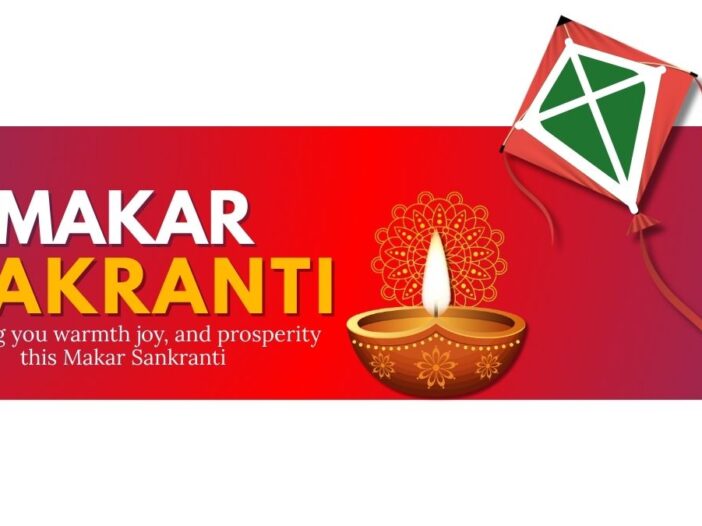
Makar Sankranti & Uttarayan: Some festivals announce themselves loudly—with drums, lights, and countdowns.
Makar Sankranti arrives differently. It slips in with clearer mornings, gentler sunlight, and the quiet sense that winter has begun to loosen its grip.
This is a harvest festival, yes—but it’s also a festival of turning. The Sun changes direction. Seasons shift. People step outside. Rooftops fill. Kites rise. Fires glow. Sweets are passed hand to hand.
Across India and neighboring regions, this moment is celebrated as Makar Sankranti and Uttarayan—two names for the same seasonal threshold, each telling a slightly different story.
Makar Sankranti vs Uttarayan: Same Turning, Two Meanings
Though often used interchangeably, Makar Sankranti and Uttarayan reflect two perspectives on the same event.
- Makar Sankranti names the specific astronomical transition: the Sun entering Makara (Capricorn) in the sidereal zodiac.
- Uttarayan expresses the seasonal feeling: the Sun’s northward journey, symbolizing longer days, returning warmth, and renewed energy.
One is calendar-precise.
The other is emotional.
Astronomically, the Sun begins its northward movement around the winter solstice in December. But in popular tradition, Makar Sankranti is treated as the welcome threshold—a beautiful example of how festivals keep time not just with the sky, but with lived experience.
Why Uttarayan Means Kite Festival in Gujarat
In many parts of India, especially Gujarat, the word Uttarayan doesn’t just describe the Sun’s movement—it is the festival.
Here, Makar Sankranti transforms into one of the world’s most vibrant kite festivals.
- Rooftops turn into gathering spaces
- Neighbors become teammates (and friendly rivals)
- Scissors, snacks, and spools are freely shared
- Cheers erupt when a kite is cut—even if it’s not yours
For a day or two, the sky stops belonging to no one and starts belonging to everyone.
In local usage, people may even distinguish:
- January 14 as Uttarayan
- January 15 as Vasi-Uttarayan
It’s proof that when a tradition becomes beloved enough, it can rename the calendar itself.
(A gentle reminder: choosing safer kite materials and being mindful of birds and passersby helps keep this shared sky truly shared.)
The Deeper Meaning of a Harvest Festival
Makar Sankranti arrives in the middle of ordinary life—between workdays, chores, and fields still being tended. That’s part of its power.
Harvest festivals carry a quiet truth:
Eating is never only individual.
Every sweet contains a chain of care—someone planted, harvested, carried, sold, cooked. Sharing food becomes a way of acknowledging that invisible collaboration.
This is why Sankranti is less about spectacle and more about connection—through visits, offerings, greetings, and time.
Why Sesame and Jaggery Define Sankranti
Across regions, Sankranti foods return again and again to two ingredients:
- Til (sesame seeds)
- Gud / Gur (jaggery)
You’ll find them shaped into:
- Laddoos
- Chikki
- Winter snacks meant to travel from house to house
These foods are warming, nourishing, and sturdy—perfect for mid-January and perfect for sharing.
In Maharashtra, the festival is summed up in one beautiful line:
“Tilgul ghya, goad goad bola.”
Take sesame-jaggery sweets, and speak sweetly.
It’s not about forced politeness. It’s a reminder that words, like food, can warm or burn—and this season asks us to choose warmth.
One Season, Many Names, Shared Gratitude
Makar Sankranti is recognized across regions, each celebrating in its own language of food and ritual:
- Pongal – Tamil Nadu (rice, milk, gratitude to the Sun)
- Magh Bihu / Bhogali Bihu – Assam (community feasts and fires)
- Lohri – Punjab (often just before Sankranti)
- Maghe Sankranti – Nepal
- River dips, temple visits, village fairs, shared meals
Different names. Different flavors.
The same seasonal pause to say: we made it through winter, together.
A Festival That Feels Like Light Returning
Makar Sankranti doesn’t shout that winter is over.
It gently suggests that the light is learning to stay.
Through kites, fires, sweets, and shared words, the festival reminds us that seasons change—and so do we. And sometimes, all it takes to feel that shift is looking up at the sky, or holding a small sweet in your hand, knowing it didn’t arrive there alone.
Note: All information and images used in this content are sourced from Google. They are used here for informational and illustrative purposes only.
Makar Sankranti & Uttarayan: Frequently Asked Questions
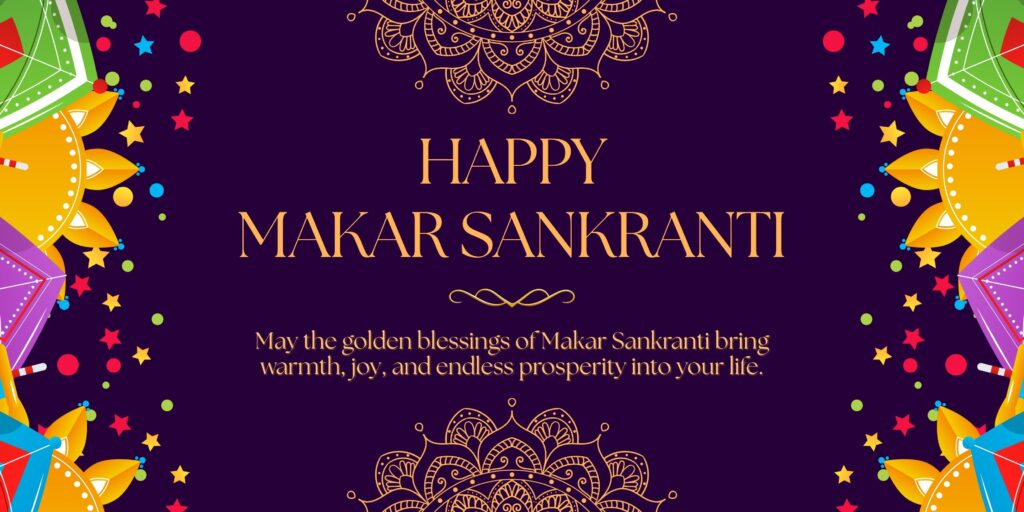
What is the spiritual and seasonal significance of Makar Sankranti & Uttarayan?
Makar Sankranti & Uttarayan mark a powerful seasonal turning point when the Sun enters Makara (Capricorn) and begins its traditionally recognized northward journey. This shift symbolizes the gradual return of light, warmth, and growth, making the festival both spiritually auspicious and agriculturally meaningful.
Why are Makar Sankranti & Uttarayan considered harvest festivals across India?
Makar Sankranti & Uttarayan coincide with the completion of major harvest cycles in many regions. Farmers celebrate the fruits of their labor, communities express gratitude to nature and the Sun, and households share freshly prepared foods made from new crops.
How are Makar Sankranti & Uttarayan connected yet different in meaning?
Makar Sankranti refers to the specific solar transition into Capricorn, while Uttarayan reflects the broader seasonal idea of the Sun’s northward movement. Together, Makar Sankranti & Uttarayan blend astronomical timing with cultural emotion and lived tradition.
Why do Makar Sankranti & Uttarayan usually fall around January 14 every year?
Unlike lunar festivals, Makar Sankranti & Uttarayan are based on the solar calendar. The Sun’s entry into Makara generally occurs around mid-January, which is why the festival date remains relatively fixed compared to other Indian celebrations.
How are Makar Sankranti & Uttarayan celebrated differently across regions?
Makar Sankranti & Uttarayan are observed in diverse ways—kite flying in Gujarat, Pongal cooking in Tamil Nadu, Magh Bihu feasts in Assam, Lohri fires in Punjab, and river rituals in other regions—each expressing local culture while honoring the same seasonal shift.
Why is kite flying such an important part of Makar Sankranti & Uttarayan?
During Makar Sankranti & Uttarayan, longer daylight hours and clearer skies make outdoor celebration ideal. Kite flying symbolizes freedom, joy, and collective participation, turning rooftops and neighborhoods into shared community spaces.
What is the cultural meaning of sesame and jaggery in Makar Sankranti & Uttarayan?
Sesame and jaggery are central to Makar Sankranti & Uttarayan because they provide warmth and nourishment during winter. Symbolically, they represent unity, sweetness in relationships, and the sharing of prosperity after harvest.
What does the phrase “Tilgul ghya, goad goad bola” signify during Makar Sankranti & Uttarayan?
During Makar Sankranti & Uttarayan, this Marathi saying means “Accept sesame-jaggery sweets and speak sweetly.” It emphasizes harmony, kindness in speech, and renewing relationships as the season changes.
How do Makar Sankranti & Uttarayan reflect the idea of community bonding?
Makar Sankranti & Uttarayan bring people outdoors and into each other’s homes. Sharing food, flying kites, visiting family, and participating in local gatherings reinforce social bonds and collective joy.
Are Makar Sankranti & Uttarayan considered auspicious in Hindu tradition?
Yes, Makar Sankranti & Uttarayan are regarded as highly auspicious. Many believe that actions taken during this period—such as charity, prayer, and gratitude—carry special spiritual merit due to the Sun’s favorable movement.




Leave a Reply