
Intro Murshidabad Drone Operation Recovers 150 Crude Bombs
West Bengal Security Triumph: Over 150 Crude Bombs Recovered in Murshidabad During High-Alert Drone Operation. In an extraordinary 36-hour security breakthrough, the West Bengal Police and Border Security Force (BSF) recovered more than 150 crude bombs from Murshidabad district, which borders India and Bangladesh. This large-scale anti-bomb effort took place during the Special Revision of Electoral Roll (SIR) and highlights the state’s renewed focus on safety, peace, and border vigilance.
Massive Operation Led by BSF and Police
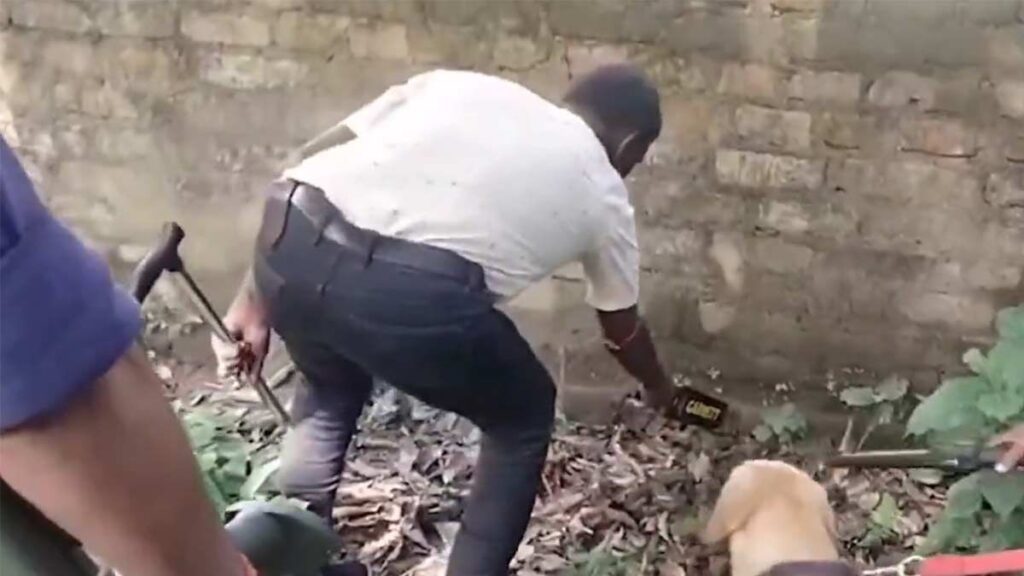
The joint anti-bomb initiative was led by the Murshidabad district police, CID bomb disposal squads, and the BSF. It has become one of the largest coordinated security operations in recent times. Drones, police dogs, and intelligence-based searches were used across various police station areas: Hariharpara, Raninagar, Domkal, Sagardighi, Khagra, Islampur, Barhampur, Beldanga, Salar, and Murshidabad town.
According to District Superintendent of Police Kumar Sani Raj, the district-wide anti-bomb operation began after receiving credible intelligence and multiple public tips through a new helpline (9144455518). “People are coming forward to share information, and that has made this mission a success,” said the SP.
Drones, Dogs, and Intelligence at Work
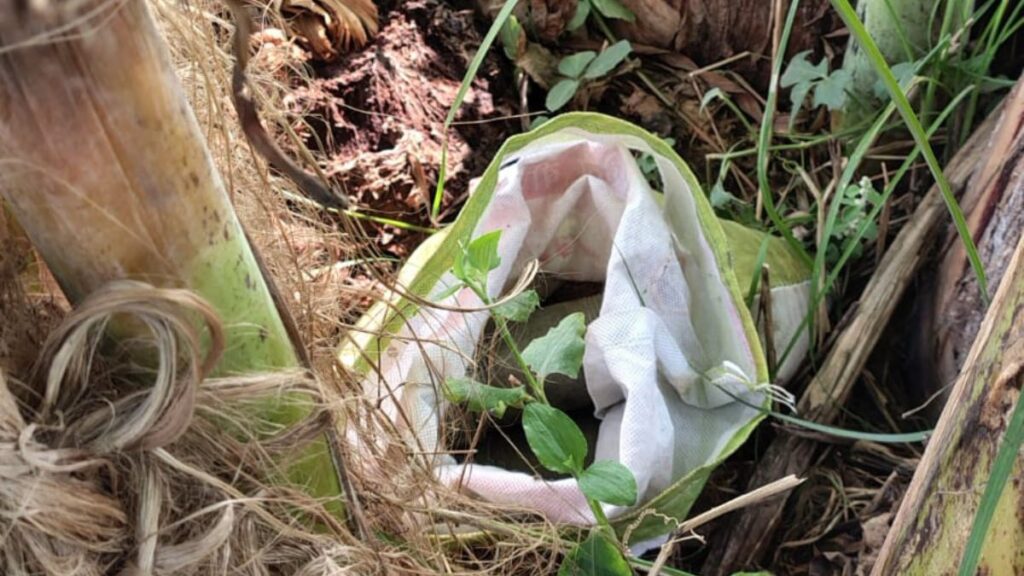
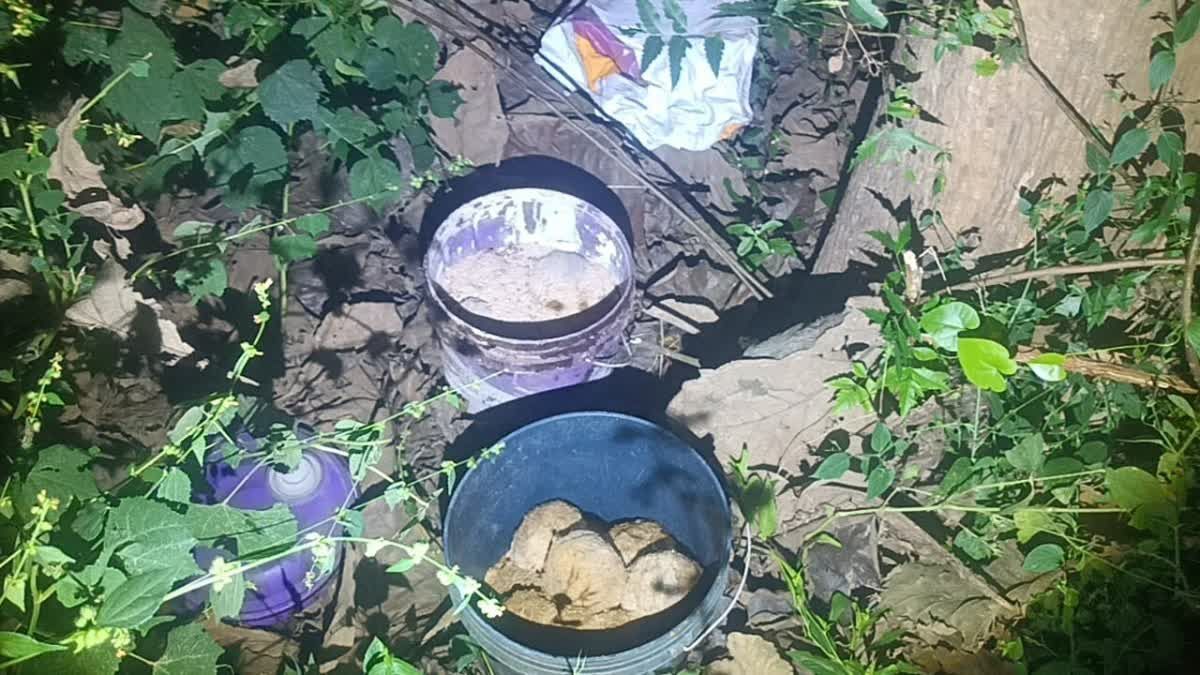
Over 36 hours, drones scanned large areas of borderland and river zones, helping bomb disposal teams locate hidden caches. In Raninagar’s Chetiani Ghoshpada, teams seized 12 socket bombs stored in jars, while additional devices and bomb-making materials were found in nearby forests.
In Hariharpara, police recovered 14 bombs, four pipes, and 500 grams of explosives. Two cases have been filed, and investigations are ongoing. In Khargram, five live bombs were recovered based on a citizen tip-off, which led to the detention of Rafikul Sheikh from Morgram.
Late-night raids in Domkal subdivision uncovered 45 more bombs and led to three arrests. In Islampur’s Herampur Natunpara, 11 bombs were found in the home of repeat offender Tajrul Sheikh. Other recoveries included 20 bombs from Kalitola Nababbpara and Tulsipur Sisapara, and 10 socket bombs from Sagardighi’s Khairtala Tiktikipara; Mobiyul Islam was arrested there.
Explosives Found Amid Electoral Roll Revision
The timing of these discoveries is crucial. The entire operation started just as the Special Revision of Electoral Roll (SIR) began in early November. Within two days, police seized 150 bombs and arrested several people suspected of being involved in smuggling or political violence.
Drone surveillance has played a key role, providing real-time visuals to bomb disposal units and preventing potential explosions in crowded border villages.
Ongoing Investigation and Political Context
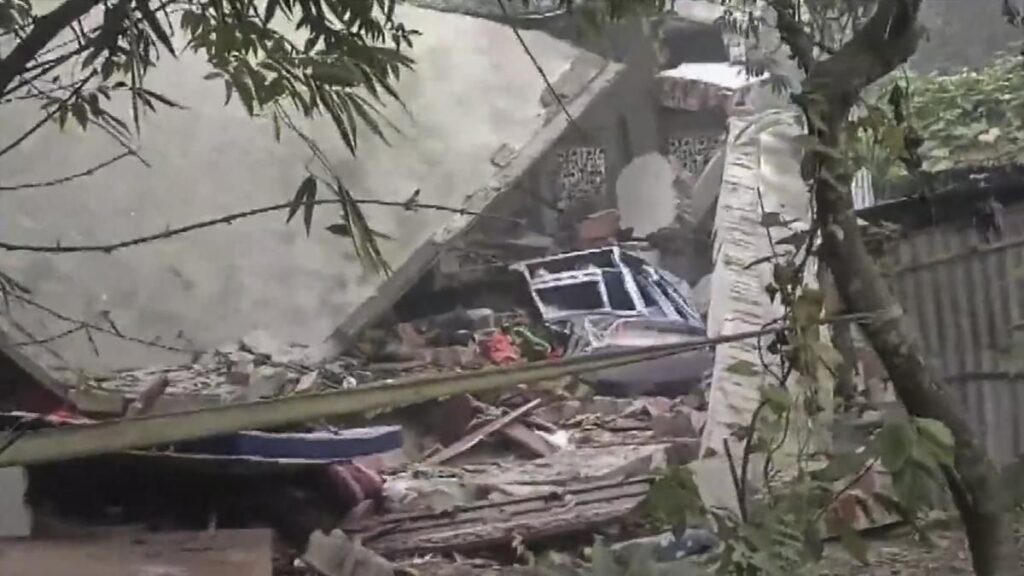
Police sources confirm that some of the bombs were active, while others had already been defused. A senior officer stated that investigators are looking into potential links to terrorism or smuggling, given the area’s proximity to the Bangladesh border, which has long been known for illegal crossings, phensedyl trafficking, and local political rivalries.
Murshidabad, where over 70% of the population is Muslim, often experiences political tension. The district has seen competition among Trinamool Congress (TMC), Congress, and BJP, leading to occasional outbreaks of local violence.
In recent years, statements by Congress leader Adhir Ranjan Chowdhury regarding Murshidabad’s demographics have ignited debate. However, today’s successful bomb-recovery effort shifts the discussion back to security, unity, and active policing rather than politics.
West Bengal’s Proactive Security Success
This coordinated anti-bomb campaign marks a significant security success for West Bengal, demonstrating how technology, intelligence, and community involvement can effectively neutralize threats. Authorities stress that such operations will continue until the district is fully secure.
Murshidabad’s situation illustrates how drone-assisted policing and citizen cooperation can transform border security in India. While investigations into cross-border links and local networks are ongoing, one fact stands out: West Bengal’s law enforcement is now stronger, faster, and more alert than ever.
Conclusion:
Over 150 crude bombs were recovered within 36 hours from various areas of Murshidabad district, near the Bangladesh border, through a high-tech joint operation by the BSF, CID, and West Bengal Police. Multiple arrests were made, and a full-scale investigation is underway into political violence, smuggling networks, and potential terror links.
Note: All information and images used in this content are sourced from Google. They are used here for informational and illustrative purposes only.
FAQs: Murshidabad Drone Operation Recovers 150 Crude Bombs
Q1. What is the Murshidabad Drone Operation Recovers 150 Crude Bombs case about?
The Murshidabad Drone Operation Recovers 150 Crude Bombs case refers to a massive joint security drive by the West Bengal Police, CID bomb disposal squad, and the Border Security Force (BSF). Within just 36 hours, over 150 crude bombs were recovered from different areas of Murshidabad district, which borders Bangladesh. This large-scale anti-bomb exercise was launched during the Special Revision of Electoral Roll (SIR) to ensure peace, safety, and electoral integrity in the region.
Q2. When did the Murshidabad Drone Operation Recovers 150 Crude Bombs take place?
The Murshidabad Drone Operation Recovers 150 Crude Bombs was carried out over a 36-hour period starting from November 4 to November 6, 2025. The operation began immediately after the Special Revision of Electoral Roll (SIR) process started, as authorities wanted to prevent any security threats during voter list updates in the sensitive border district.
Q3. Who led the Murshidabad Drone Operation Recovers 150 Crude Bombs?
The operation was led by the Murshidabad District Police, in collaboration with the State CID Bomb Disposal Unit and the Border Security Force (BSF). The team was guided by District Superintendent of Police Kumar Sani Raj, who coordinated the use of drones, bomb squads, and local intelligence to locate and neutralize hidden explosives.
Q4. How were the crude bombs discovered during the Murshidabad Drone Operation Recovers 150 Crude Bombs?
Drones played a central role in identifying suspicious areas from the sky, particularly along the India-Bangladesh border. Ground teams with police dogs and bomb experts then conducted detailed searches. Based on drone visuals and public tips received through the district’s helpline number (9144455518), several bomb caches were discovered in villages like Raninagar, Domkal, Sagardighi, and Hariharpara.
Q5. What areas were covered in the Murshidabad Drone Operation Recovers 150 Crude Bombs?
The anti-bomb drive extended across multiple police station jurisdictions, including Hariharpara, Raninagar, Domkal, Sagardighi, Khagra, Islampur, Barhampur, Beldanga, Salar, and Murshidabad town. These areas are close to the international border and are known for previous cases of smuggling and political violence.
Q6. How many arrests were made in the Murshidabad Drone Operation Recovers 150 Crude Bombs?
Several individuals suspected of being involved in bomb-making, smuggling, or political violence were arrested. Notable arrests include Rafikul Sheikh from Morgram, Ajmal Sheikh from Gudhya Majhpara, Tajrul Sheikh from Herampur Natunpara, and Mobiyul Islam from Sagardighi. All are currently under police investigation.
Q7. Why was the Murshidabad Drone Operation Recovers 150 Crude Bombs conducted during the Electoral Roll Revision?
The Special Revision of Electoral Roll (SIR) is a crucial process for updating voter lists ahead of elections. Conducting the Murshidabad Drone Operation Recovers 150 Crude Bombs during this period ensured that no illegal or violent activity could disrupt the democratic process. The timing reflects the government’s intent to maintain law and order and protect the electoral environment in sensitive areas.
Q8. What technologies were used in the Murshidabad Drone Operation Recovers 150 Crude Bombs?
The operation used drone surveillance, real-time GPS mapping, sniffer dogs, and on-ground bomb disposal robots from the CID unit. This combination of aerial and ground intelligence enabled teams to locate explosives hidden underground, in jars, and in forested zones. This marked one of West Bengal’s most advanced coordinated security operations to date.
Q9. What is the political and social background of the Murshidabad Drone Operation Recovers 150 Crude Bombs?
Murshidabad is a politically sensitive border district with a Muslim-majority population exceeding 70%. It has a history of political rivalry involving Trinamool Congress (TMC), Congress, and BJP. The operation comes amid ongoing concerns about smuggling networks, cross-border crime, and local clashes. However, authorities have emphasized that the mission’s sole focus is security, peace, and community protection.
Q10. What impact does the Murshidabad Drone Operation Recovers 150 Crude Bombs have on West Bengal’s security?
The successful recovery of 150 crude bombs is being hailed as a major security triumph for West Bengal. It highlights how the integration of modern technology, intelligence sharing, and citizen cooperation can enhance border safety. The operation also sends a strong message that law enforcement will continue proactive measures to maintain peace and prevent any terror or smuggling-related incidents.
Q11. What lessons were learned from the Murshidabad Drone Operation Recovers 150 Crude Bombs?
The operation proved that community engagement and technological intervention are vital for preemptive security. Locals reporting suspicious activity through helplines played a key role in preventing potential tragedies. It also demonstrated the efficiency of drone-assisted policing, which could soon become a model for other high-risk districts across India.
Q12. What is the future of security measures after the Murshidabad Drone Operation Recovers 150 Crude Bombs?
Authorities have announced that anti-bomb operations will continue regularly. More drones and surveillance tools will be deployed in border districts like Murshidabad and Malda. The focus will remain on eliminating illegal explosives, strengthening intelligence networks, and ensuring safe elections in 2026.





Leave a Reply