

OCI Card Rules Tightened: A Major Step Toward Legal Accountability: OCI Card holders, take note—India has introduced significant updates to the Overseas Citizen of India scheme, reinforcing its commitment to legal integrity and national security. In a move aimed at preserving the sanctity of this long-term residency program, the Ministry of Home Affairs has issued a new gazette notification outlining stricter grounds for eligibility and cancellation. Under the revised rules, individuals convicted or charge-sheeted for serious criminal offences—whether in India or abroad—now risk losing their OCI status.
What Is the OCI Card Scheme?
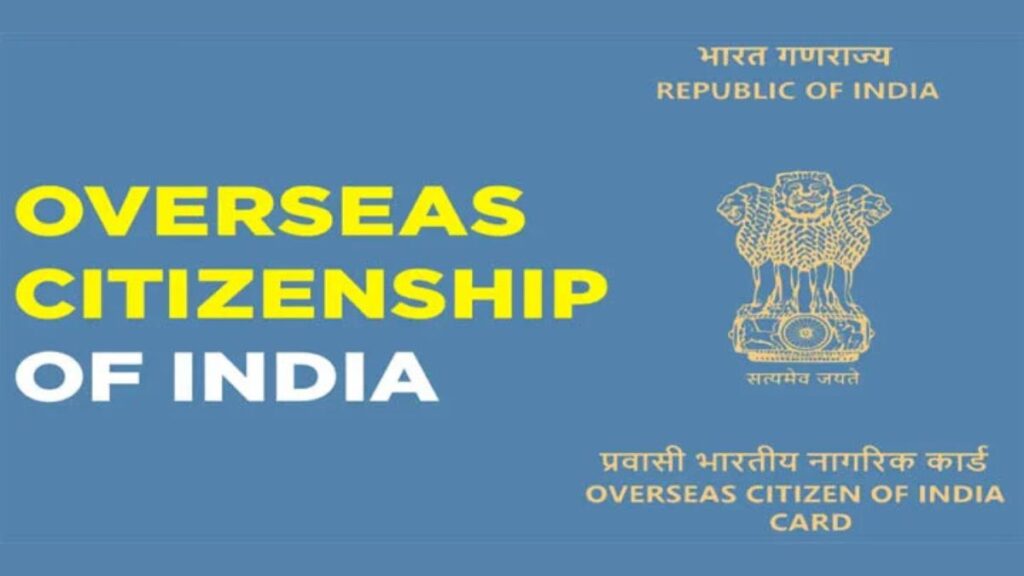
The Overseas Citizen of India (OCI) scheme was first launched in August 2005 as a way to strengthen ties with the global Indian diaspora. It provides multiple benefits, including:
- Visa-free travel to India
- Multiple-entry access
- Long-term residency rights
- Parity with NRIs in areas like financial, educational, and economic opportunities
The OCI card is available to individuals who were Indian citizens on or after January 26, 1950, or were eligible for Indian citizenship at that time. However, the scheme excludes nationals of Pakistan, Bangladesh, or any other country specified by the Indian government.
New OCI Rules: What Has Changed?
According to the latest notification by the Ministry of Home Affairs, the government can now cancel an individual’s OCI card based on two specific conditions:
- If the cardholder is convicted and sentenced to two or more years of imprisonment.
- If the cardholder is charge-sheeted for an offence punishable with imprisonment of seven years or more.
These changes are being implemented under Section 7D (clause da) of the Citizenship Act, 1955, and apply regardless of where the offence was committed—as long as the act is considered a crime under Indian law.
OCI Card: Why This Move Was Necessary

Quoting government sources, the objective behind this update is to tighten the legal framework around OCI privileges and ensure they are not misused by individuals with questionable legal backgrounds.
This shift marks a clear message: India values integrity and expects OCI cardholders to maintain a high standard of lawful behavior. The rule not only acts as a deterrent against crime but also aligns the OCI program with international best practices for dual-residency programs.
OCI Card: Concerns Around Due Process
While the cancellation of OCI cards upon conviction is widely accepted, the inclusion of charge-sheeting (before a court judgment) as a ground for cancellation has raised concerns among legal experts. Critics argue that this may conflict with the principle of “innocent until proven guilty”, potentially leading to misuse or unjust consequences.
Still, the government maintains that this measure is aimed at only the most serious criminal offenses such as financial fraud, organized crime, terrorism, and grave economic offences, which have a direct impact on public safety and national interest.
OCI Card: Impact on the Global Indian Community
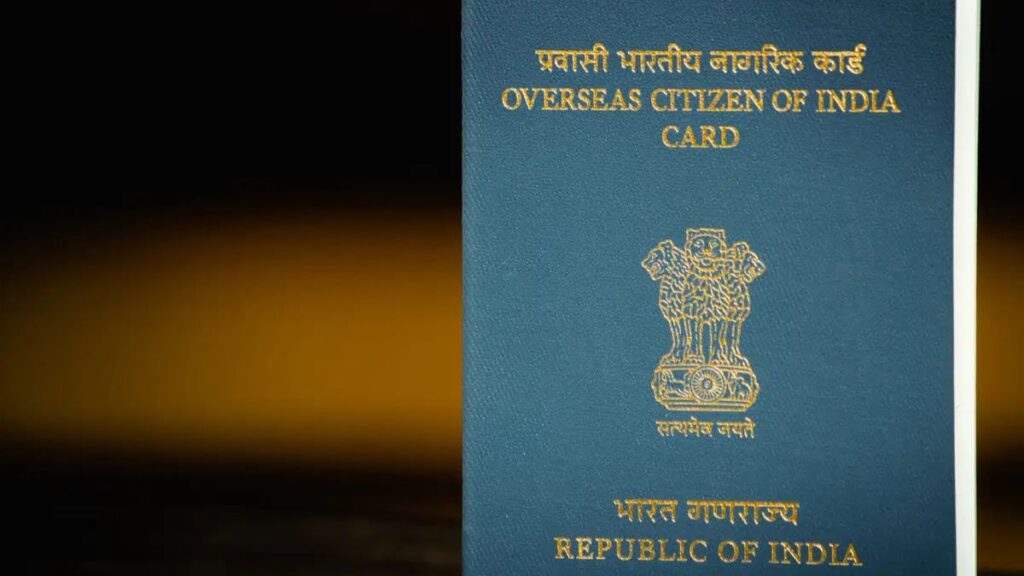
This move is expected to impact OCI holders involved in criminal proceedings, especially those related to:
- Money laundering
- Financial scams
- Serious economic offences
- Organized crime
Foreign nationals of Indian origin planning to apply for or renew their OCI status must now be particularly cautious about their legal history and any ongoing proceedings.
OCI Card Conclusion: Upholding Trust and National Integrity
With the latest amendments to the OCI card rules, India reaffirms its commitment to protecting the sanctity of its legal system and ensuring that the privileges extended through the OCI scheme are not exploited. This is a strong step toward safeguarding national interest and sending a clear signal about the standards expected from members of the global Indian diaspora.
As India grows in global prominence, policies like these reflect a mature and proactive approach to international engagement, emphasizing trust, responsibility, and integrity.
Summary of Updated OCI Card Rules – 2025 Notification

| Aspect | Details |
|---|---|
| Scheme Name | Overseas Citizen of India (OCI) |
| Scheme Launched | August 2005 |
| Key Benefits | Visa-free travel to India Long-term residency rights Multiple entries to India |
| Eligible Applicants | Former Indian citizens or their descendants Eligible to become Indian citizens after January 26, 1950 |
| Exclusions | Nationals of Pakistan, Bangladesh, and other countries as notified by the Government of India |
| New Grounds for Cancellation | 1. Conviction leading to imprisonment of 2 years or more 2. Being charge-sheeted for offences carrying 7 years or more in prison |
| Jurisdiction of Offence | Applies to convictions and charges both in India and abroad, as long as the offence is recognized under Indian law |
| Legal Basis | Section 7D (clause da) of the Citizenship Act, 1955 |
| Targeted Offences | Financial fraud Organised crime Serious economic or criminal offences |
| Legal Concerns Raised | Experts caution that including charge-sheeting (before conviction) may conflict with due process and risk potential misuse |
| Policy Objective | To align OCI privileges with legal integrity and a higher moral standard, ensuring national security and public trust |
Note: All information and images used in this content are sourced from Google. They are used here for informational and illustrative purposes only.
Frequently Asked Questions (FAQ) on Updated OCI Rules – 2025

1. What is the Overseas Citizen of India (OCI) scheme?
The OCI scheme, introduced in August 2005, allows foreign nationals of Indian origin to visit India without a visa. It offers long-term residency, multiple-entry access, and certain privileges similar to those enjoyed by Non-Resident Indians (NRIs).
2. What are the recent changes made to the OCI rules?
As per the 2025 gazette notification by the Ministry of Home Affairs, OCI registration can now be cancelled if:
- The cardholder is convicted and sentenced to imprisonment for two years or more
- The cardholder is charge-sheeted for an offence punishable with imprisonment of seven years or more
3. Do these rules apply only to convictions in India?
No. These rules apply regardless of where the conviction or charge-sheeting occurs, as long as the offence is recognised under Indian law. This includes convictions or charges made in other countries.
4. What is a charge-sheet, and why is it controversial in this context?
A charge sheet is a formal accusation filed by law enforcement after an investigation, before a court trial begins. The controversy arises because being charge-sheeted does not mean the person is proven guilty. Some legal experts believe this could undermine the principle of “innocent until proven guilty.”
5. What types of crimes can lead to cancellation of OCI status under the new rules?
The rules target serious criminal offences such as:
- Financial fraud
- Money laundering
- Organised crime
- Grave offences under Indian penal laws
6. What is the legal basis for these changes?
The changes are enacted under Clause (da) of Section 7D of the Citizenship Act, 1955, giving the central government authority to cancel OCI registration under certain legal conditions.
7. Can an OCI cardholder appeal against cancellation?
Yes. OCI cardholders whose registration is cancelled generally have the right to appeal or seek legal redress through appropriate legal channels, though the specific process depends on the case and jurisdiction.
8. Are citizens of all countries eligible for OCI status?
No. Individuals who are, or have been, citizens of Pakistan, Bangladesh, or any other country specified by the Indian government are not eligible for OCI status.
9. Will these changes affect existing OCI cardholders?
Yes. Existing OCI holders who fall under the new disqualification criteria—either by conviction or charge-sheeting for serious offences—may face cancellation of their OCI registration.
10. Why did the Indian government implement these changes?
According to the Ministry of Home Affairs, the goal is to strengthen the legal framework surrounding OCI privileges, ensuring they are not misused by individuals involved in serious criminal activities. It reflects India’s commitment to legal integrity and national security.






Leave a Reply