
Dhurandhar 2 Review & Release has finally arrived—and the excitement is impossible to ignore. From the moment the first preview ended, audiences began calling it a cinematic storm that refuses to slow down. Not only does the film bring back intense action, but it also delivers emotions that hit deeper than expected. As viewers step into theatres, they aren’t just watching a sequel; instead, they’re experiencing a larger, bolder chapter of a story that already captured millions of hearts. So, the real question is—does it truly live up to the sky-high hype, or does it go even beyond?
An Indian movie is a packed hall, emotion, and story-telling and few movies are successful in dominating all three. Dhurandhar 2 has come with all such promise. The sequel is set not only to uphold the blockbuster legacy but also to bring expectations to a whole new level. More so, with Ranveer Singh back in a powerful avatar, there is the tension of whether the film will do better than its predecessor’s blockbuster success.
Dhurandhar 2 Story & Cast Overview
Essentially, Dhurandhar 2 explores the life of an Indian spy, Jaskirat Singh Rangi, in greater detail. This time, the story gets more complicated as Hamza gets closer to becoming the ‘Sher-e-Baloch’ of Lyari. Hence the stakes are higher, darker and more personal this time.
Besides, the film has a strong supporting cast of Sanjay Dutt, R. Madhavan, Arjun Rampal, Sara Arjun and Rakesh Bedi. Thanks to this casting, the film is able to pull out nuanced performances in multiple storylines.
Early Buzz & Box Office Expectations
Even prior to its official release, anticipation about the film was already high. Even before the official release of the movie, paid previews generated ₹44 crore. Therefore, experts in trades expect that the opening day collections will touch the figure of ₹100 crores.
Also, the advance booking trend strongly signals massive audience turnout. As such, Dhurandhar 2 is being tagged as the biggest box office openers of the year already.
Dhurandhar 2 Reviews & Public Reactions
Critics and celebrities have praised the film. For example, trade analyst Taran Adarsh called it “cinema at its best. On the same note, Ricky Kej labeled it to be a ‘masterpiece’ with a true cinematic tone.
Besides, the filmmaker Madhur Bhandarkar has termed the sequel as ‘monumental’ while Allu Arjun has hailed “patriotism with swag” as the sequel. This has caused audience expectations to rise by a great degree.
CBFC Cuts, Certification & Runtime Details
Interestingly, the film was awarded an ‘A’ certificate by the CBFC. However, before it could be approved, it had to go through more than 21 changes.
For example, some abusive words were muted, and visual violence was cut short. Scenes showing head hits and beheading were also cut short by several seconds.
Also, disclaimers related to drug use and violence were required by the board. As a result, the final runtime is slightly longer than the first installment at 229 minutes.
Pre-Sales Records & Advance Booking Performance
Looking at the numbers from a business perspective, they appear to be extremely encouraging. Domestic advance bookings alone crossed 24.5 crores and over 6.25 lakh tickets have been sold.
Meanwhile, overseas pre-sales are expected to touch ₹60 crore. Therefore, the global pre-sales have already crossed ₹124 crore.
Therefore the film is ready for a historic inaugural weekend as a result of this huge reaction.
Controversies & Behind-the-Scenes Updates
Despite the hype, the film incited few controversies. In particular, a poster produced by artificial intelligence that depicted Ranveer Singh in a controversial appearance led to public outrage. But this was later clarified to be fake.
In addition, actor Vivek Sinha addressed criticism he received online over his role, stating that there was a difference between fiction and reality.
Meanwhile, director Aditya Dhar urged audiences to avoid spoilers and watch the film in its entirety, including the end credits.
Legacy of Dhurandhar Franchise
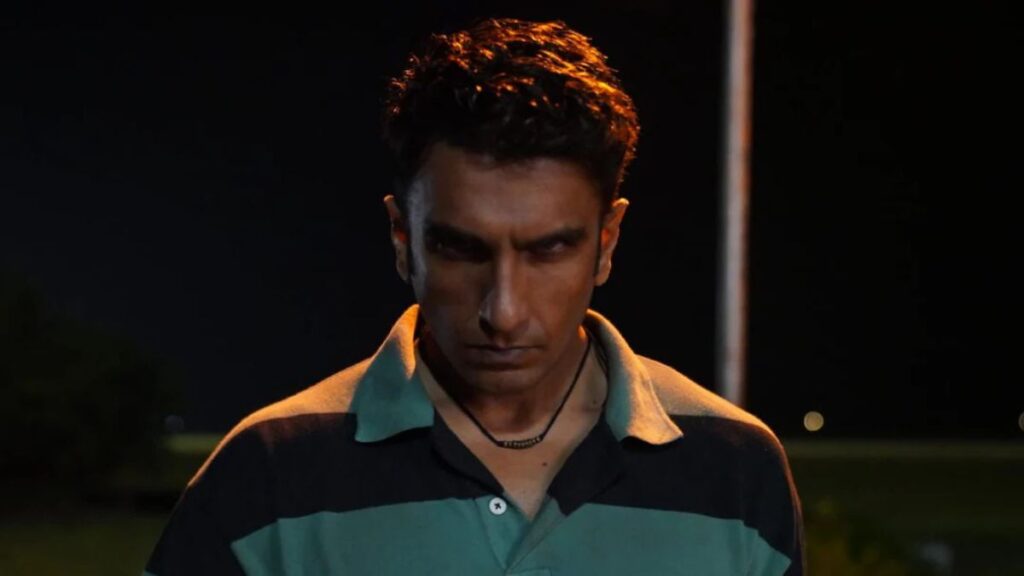
The original Dhurandhar film released in December 2025 made approximately ₹1300 crores worldwide. Therefore, it created a benchmark for grand scale action dramas in Indian cinema.
Although the first film received criticism for blurring fiction with real events, it still registered massive commercial success. As such, the production of the sequel is met with many expectations and criticisms.
Key Takeaways
Dhurandhar 2 is an emotional blockbuster cum high-octane action film.
Massive pre-sales guarantee a blockbuster opening.
Critics and celebrities have largely praised the film.
CBFC cuts kept the film more polished without compromising its impact.
Franchise legacy is another factor that generates excitement amongst audiences.
Conclusion
Ultimately, Dhurandhar 2 is more than just a sequel but a cinematic event. Based on initial reactions, the film lived up to its promise, despite the high expectations that preceded the release.
So, if you’re looking for an intense, large-scale spy thriller with emotional depth and powerhouse performances, this film deserves your attention.
Frequently Asked Questions (FAQs) on Dhurandhar 2 Review & Release
1. What makes Dhurandhar 2 Review & Release so special compared to other action films?
Dhurandhar 2 stands out because it blends high-intensity action with emotional storytelling. Moreover, the film doesn’t rely only on visuals; instead, it builds a gripping narrative that keeps viewers deeply invested. As a result, audiences feel both the thrill and the emotional weight of every scene.
2. Is Dhurandhar 2 Review & Release worth watching in theatres?
Absolutely, and here’s why. The film is designed for the big screen, with масштаб action sequences, powerful background music, and immersive storytelling. Therefore, watching it in theatres enhances the overall experience in a way that streaming simply cannot match.
3. How is Ranveer Singh’s performance in Dhurandhar 2 Review & Release?
Ranveer Singh delivers one of his most intense performances to date. In fact, his transformation into a complex spy character feels raw, believable, and powerful. Because of this, many viewers believe his performance could earn major awards recognition.
4. What is the storyline focus in Dhurandhar 2 Review & Release?
The sequel dives deeper into the journey of a spy navigating dangerous territory and moral dilemmas. Additionally, it explores themes of identity, power, and sacrifice. As the story progresses, the tension rises, making it a gripping watch from start to finish.
5. How strong is the box office performance of Dhurandhar 2 Review & Release?
The numbers speak for themselves. Not only did the film earn massive pre-sales, but it also created strong momentum even before release. Consequently, it is expected to dominate the box office and potentially break multiple records.
6. What are critics saying about Dhurandhar 2 Review & Release?
Critics have largely praised the film for its scale, storytelling, and performances. Furthermore, many reviews highlight its cinematic quality and emotional depth. Because of this positive reception, audience expectations have increased significantly.
7. Did Dhurandhar 2 Review & Release face any controversies?
Yes, but they were quickly addressed. For instance, an AI-generated poster created confusion, while some scenes sparked discussions online. However, clarifications resolved these issues, allowing the focus to return to the film itself.
8. Why did Dhurandhar 2 Review & Release receive an ‘A’ certificate?
The film includes intense action and mature themes. Therefore, the certification board suggested several modifications, including trimming violent scenes and adding disclaimers. As a result, the final version maintains impact while meeting guidelines.
9. How long is Dhurandhar 2 Review & Release, and does it feel lengthy?
The runtime is around 229 minutes. However, despite its length, the film maintains a fast-paced narrative. Because of strong storytelling and engaging sequences, many viewers feel the film moves quickly without dragging.
10. What makes Dhurandhar 2 Review & Release a must-watch this year?
It combines everything audiences look for—action, emotion, performances, and масштаб storytelling. In addition, the legacy of the first film adds excitement. Therefore, it becomes more than just a movie; it feels like a complete cinematic experience.
11. Does Dhurandhar 2 Review & Release live up to the hype of the first film?
Interestingly, the sequel not only meets expectations but, in many ways, surpasses them. While comparisons are inevitable, the film manages to create its own identity. Consequently, it strengthens the franchise’s reputation even further.
12. Should first-time viewers watch the original before Dhurandhar 2 Review & Release?
It is highly recommended. Although the sequel explains key elements, watching the first film provides better emotional connection and context. As a result, the overall experience becomes richer and more meaningful.