
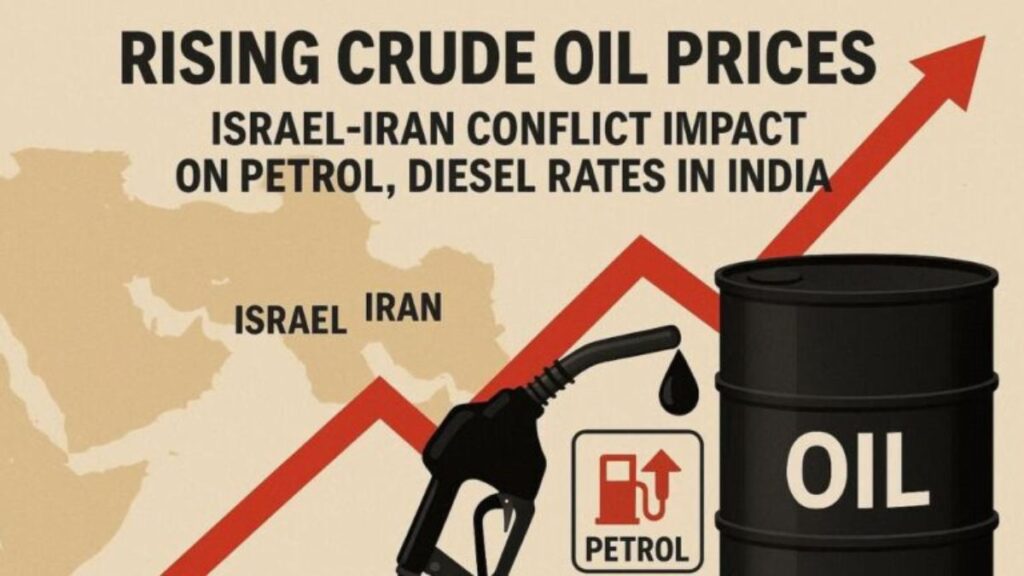
Rising Crude Oil Prices: Fuel costs are always moving, based on what’s happening around the world, political stuff, taxes, and how the Rupee is doing. Right now, the price of crude oil is climbing because things are tense between Israel and Iran, and everyone in India is wondering the same thing: Will petrol and diesel get more expensive?
The price at the pump hasn’t changed yet, but what’s happening globally suggests we should pay attention. Knowing what’s going on can help you make better choices.
Why Rising Oil Prices Matter to India
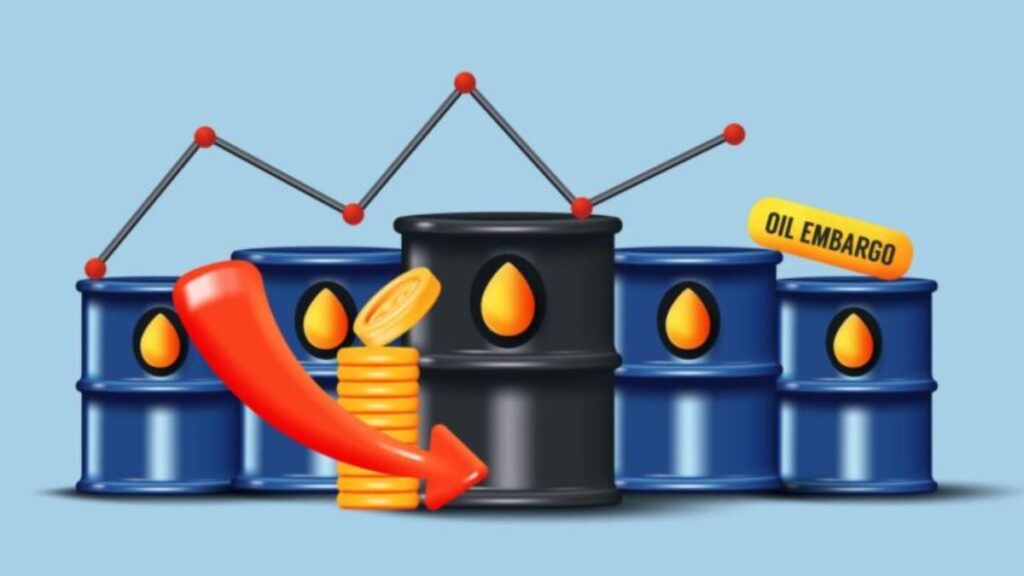
India buys most of its crude oil from other countries. So, if global oil prices wiggle even a little, it can mess with how expensive everyday stuff is, people’s budgets, and how much businesses have to spend. When the price of Brent crude goes up, everyone starts talking about fuel costs.
The bad thing is, higher crude prices trickle down to transportation, how food gets to stores, and how much things cost to make. So, even if the price at the pump stays the same, people still feel the pinch.
What’s Causing the Oil Price Increase
When things are unstable politically, oil prices jump around. Recently, things got heated between Israel and Iran after some attacks and threats. Because of this uncertainty, the price of Brent crude went up to around $76–78 a barrel.
Market watchers see a familiar pattern: when there’s a chance that oil supplies might be affected, traders get nervous. So, prices go up fast, even if there aren’t any actual shortages yet.
Here’s what could happen:
- If things just get a little disrupted: Prices stay between $75–80 a barrel
- If there’s a big supply problem: Prices could shoot up past $120 a barrel
But, other things, like OPEC keeping production steady and the U.S. producing shale oil, might stop prices from going too crazy.
How Global Oil Prices Impact India’s Fuel Costs
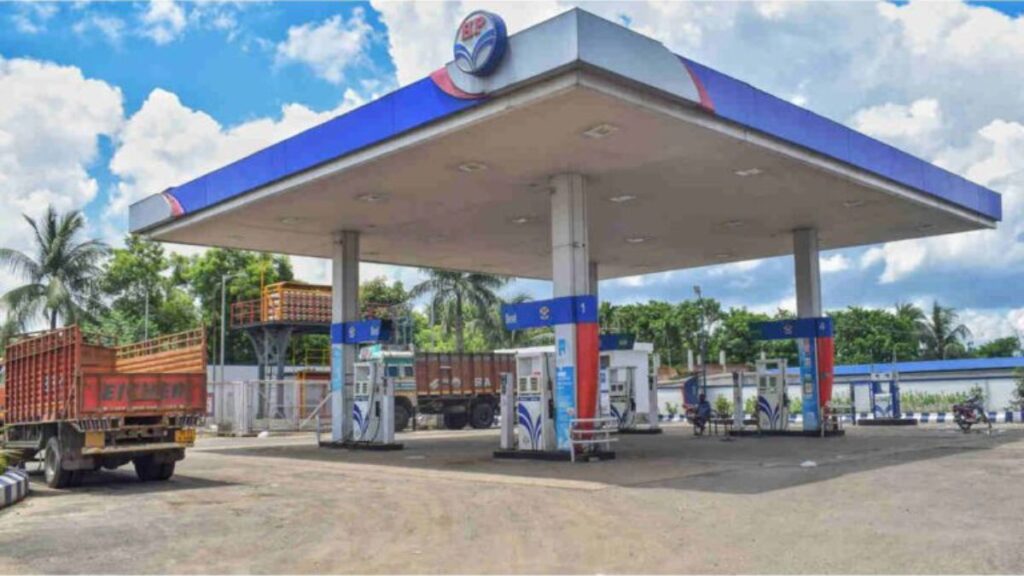
Unlike some countries, India uses a system where petrol and diesel prices change based on what’s happening. Basically, the price of fuel here reflects the average global crude oil prices over the past 15 days, plus how the Rupee is doing.
What this means is:
- One-day price jumps usually don’t change things right away
- Trends that last matter more
- Oil companies try to even out the short-term ups and downs
So, even if crude prices spike for a few days, the price at the pump might not budge.
Taxes: The Real Reason for Petrol & Diesel Prices
Crude oil is only part of the story. Taxes make up almost half of what you pay for fuel in India. The government charges excise duties, states add VAT, and dealers get commissions, which all add up.
This makes things interesting:
- If crude prices go down → The price at the pump might not drop right away
- If crude prices go up → The price at the pump might increase faster
So, what the government decides about taxes has a big effect on how much you pay.
Current Petrol and Diesel Prices in Big Cities
Around the middle of June 2025, fuel prices in India vary quite a bit. Even though global crude prices are all over the place, the price at the pump has mostly stayed the same.
| City | Petrol (₹/L) | Diesel (₹/L) |
|---|---|---|
| Delhi | 94.77 | 87.67 |
| Mumbai | 103.50 | 90.03 |
| Kolkata | 105.41 | 92.02 |
| Chennai | 100.93 | 92.39 |
| Bangalore | 102.92 | 88.99 |
| Gurgaon | 95.17 | 88.02 |
| Noida | 94.71 | 87.81 |
The differences are mostly because of state VAT and how much it costs to transport the fuel.
Petrol Prices in Assam: Why They Change from City to City
People often wonder why fuel prices in Assam are different in different cities.
Petrol Prices in Assam Cities (June 18, 2025)
| City | Petrol Price (₹/L) |
|---|---|
| Guwahati | 98.33 |
| Dibrugarh | 98.60 |
| Silchar | 99.05 |
| Jorhat | 98.42 |
| Tezpur | 98.76 |
| Tinsukia | 99.10 |
Reasons for the Differences
Here’s why the prices aren’t the same:
- How much it costs to move fuel from storage places
- State taxes and dealer profits
- How far away it is from where fuel is supplied
For example, Guwahati has an advantage because it’s easier to get fuel there, while Tinsukia has higher costs because it’s more expensive to distribute.
The Ripple Effect of Higher Oil Prices
Crude oil affects more than just how much you pay at the pump. The truth is, it affects the whole economy.
a) Current Account Deficit (CAD)
If import costs go up, India’s CAD gets bigger. Experts estimate that every $10 increase in crude oil prices can add billions to the deficit.
b) Currency Issues
When oil import bills rise, we need more U.S. dollars. This often makes the Rupee weaker, which then makes oil even more expensive.
c) How expensive is it?
Higher fuel prices slowly push up how much it costs to transport and make things. In the end, you might see higher prices for almost everything.
Are Fuel Prices Going Up Soon in India?
It’s hard to say for sure what will happen with fuel prices. But, here are some things that usually happen before prices go up:
Price increases are more likely if:
- Brent crude stays above $80 a barrel
- The Rupee gets a lot weaker
- Oil companies don’t make as much profit
On the other hand, prices usually only go down if crude oil stays around $60–65 a barrel for a while.
How High Fuel Costs Affect People
Keeping fuel prices steady is important to everyone. Even small increases can change how people manage their money day to day.
Across India:
- Delivery people have to pay more to operate
- Transportation companies might raise fares
- Small businesses have a harder time making a profit
In Assam, transportation groups sometimes want to raise fares to make up for higher fuel costs.
Simple Ways to Track Fuel Prices Daily
Because prices keep changing, people are using online tools more and more. Luckily, there are plenty of good options.
You can watch prices by:
- SMS Services – Text codes to get updates right away
- Mobile Apps – Apps from Fuel@IOC, HP Pay, and BPCL
- Official Websites – Oil companies post daily prices
Checking prices regularly can help you avoid surprises and plan your budget better.
✅ Main Points
- Oil prices are going up mostly because of political problems
- India’s pricing system helps to smooth out prices
- Taxes have a big impact on prices at the pump
- Fuel costs in Assam change because of transportation and infrastructure
- Prices at the pump usually only go down if crude oil stays low for a while
📢 Conclusion: Staying Ahead of Fuel Price Uncertainty
Global oil markets are always changing. While rising crude oil prices are because of political tension right now, fuel prices here are stable for the moment. But, things could change, so it’s important to be aware and prepared.
Instead of just listening to the news, it’s better to understand how prices work, how taxes affect them, and what the financial signs are. When the world is full of crazy events, being informed is the best way to protect yourself.
FAQs About Rising Crude Oil Prices and What They Mean for Your Wallet in India
1. So, How Do Rising Crude Oil Prices mess with Your Daily Petrol and Diesel Costs in India?
Crude oil dictates fuel costs globally. Indian pump prices don’t change instantly; they use an average. A quick jump might not hit you right away, but if prices stay high, expect to pay more at the pump.
2. Why Do Rising Crude Oil Prices freak people out Even if Fuel Prices Stay the Same?
It’s a mind game. Headlines scream about Rising Crude Oil Prices, and people think, Uh oh, costs are going up. But local prices, taxes, and oil company tricks can delay or soften any quick changes.
3. Can Rising Crude Oil Prices mess with the Indian Economy Beyond Just Petrol and Diesel?
Big time. Rising Crude Oil Prices can hurt India’s bank balance, cause inflation, and weaken the rupee. Industries that rely on transport, like logistics and factories, might feel the pinch.
4. Will Rising Crude Oil Prices Always Mean Higher Fuel Prices Everywhere in India?
Not always. Crude oil is key, but taxes, dealer fees, and exchange rates also matter. So, prices might not move even if global prices creep up a bit.
5. Why Do Rising Crude Oil Prices Hit India Harder Than Other Countries?
India buys most of its crude oil. So, global price swings hit our energy costs hard. Countries that pump their oil feel it less.
6. How Do Rising Crude Oil Prices Play Into Fuel Price Differences Between Cities Like Delhi, Mumbai, and Guwahati?
Rising Crude Oil Prices set the stage, but local taxes and getting the fuel there make a difference. Different tax rates and shipping costs explain why prices vary, even in the same country.
7. Could Rising Crude Oil Prices kickstart Inflation for everyday stuff?
Yeah, in a roundabout way. Higher fuel costs mean pricier transport and production. Businesses might pass those costs to you, raising prices for food, deliveries, and other services.
8. What’s the Deal With Taxes When Rising Crude Oil Prices are all everyone Talks About?
Taxes are a big chunk of what you pay for fuel in India. Even when Rising Crude Oil Prices bounce around, taxes have a huge say in the final cost. Tax policy can either soften or worsen the blow.
9. What Can You Do to Protect Your Wallet When Rising Crude Oil Prices are a thing?
Stay informed. Watch daily fuel prices, plan your trips wisely, and look into fuel-efficient options like CNG, sharing rides, or maybe an electric car.
10. Are Rising Crude Oil Prices Always Because of world problems & fighting?
It’s a big reason, but not the only one. Supply and demand, OPEC’s decisions, currency moves, and the global economy all play a role.
11. Will Rising Crude Oil Prices ever Calm Down, Or Should We Just Get Used to Things being unstable?
Historically, oil markets go up and down. they can stick around for months, but things like production changes and demand shifts often bring things back to normal.
12. Why Should You Care About Rising Crude Oil Prices Even If You Don’t Drive?
Fuel prices affect almost everything. From your grocery deliveries to bus fares, Rising Crude Oil Prices can quietly impact your monthly budget and cost of living.






Leave a Reply