For many of us, the word Nokia instantly sparks memories of indestructible phones, marathon battery life, and that unmistakable startup tone. Back then, Symbian OS quietly powered millions of devices worldwide. Although most people assume Symbian vanished forever, the truth is far more exciting. In 2026, Symbian on Nokia is living again, thanks to passionate enthusiasts who refused to let history fade away.
More importantly, this revival is not just about nostalgia. Instead, it shows how strong communities, technical skill, and emotional attachment can breathe new life into forgotten technology. And at the center of this story stands a true icon: the Nokia N8.
A Time Before iOS and Android Took Over
Today, smartphones feel inseparable from Apple and Android ecosystems. However, long before app stores and swipe gestures became mainstream, smartphones already existed.
In fact, the roots of the smartphone stretch back to the early 1990s, when IBM introduced a device that combined communication and computing. Later, during the early 2000s, Nokia dominated the global market. At the heart of this dominance was Symbian OS, an operating system that quietly handled multitasking, mobile email, and advanced hardware long before most users realized what they were holding.
Nevertheless, while Symbian was powerful, it struggled with usability. As a result, many people owned smartphones without ever calling them that.
Why Nokia Lost the Smartphone War
Although Nokia led the market, it failed to evolve quickly enough. Meanwhile, Apple entered the scene with the iPhone and completely redefined how smartphones should feel.
Unlike Symbian, iOS focused on simplicity, touch-first design, and seamless app discovery. At the same time, Android offered flexibility and rapid innovation. Consequently, Symbian began to feel outdated.
Nokia tried to fight back. The Nokia N8 was their bold attempt to challenge the iPhone directly. On paper, it looked incredible. Yet, in practice, it fell short.
The Nokia N8: A Brilliant Phone With One Fatal Flaw
There is no denying that the Nokia N8 was ahead of its time in several ways. For example:
- It featured a 12MP camera that still impresses today
- It offered premium materials and solid build quality
- It delivered excellent multimedia performance
However, despite these strengths, one major issue held it back. Symbian lacked a smooth, on-device app store experience. Installing apps often required a clunky Windows-based PC process that frustrated users.
As a result, the N8 never reached its full potential. Shortly afterward, Nokia abandoned Symbian and stepped into the risky Windows Phone partnership with Microsoft—a move that ultimately sealed its fate.
Fast Forward to 2026: Symbian Refuses to Die
Here’s where the story takes an emotional turn.
Even fifteen years later, dedicated Symbian fans remain active. Instead of letting the platform fade into obscurity, some developers decided to do something extraordinary. They built a new custom ROM for the Nokia N8, finally giving it what it always deserved.
This modernized ROM installs the final official Symbian release from Nokia, along with the crucial missing piece: a functional app store.
Breathing New Life Into the Nokia N8
In a recent hands-on video, a Symbian enthusiast takes two Nokia N8 units and rebuilds one fully working device. First, the iconic camera is restored to perfect condition. Then, the new ROM is installed.
The result is nothing short of impressive.
Suddenly, the Nokia N8 feels fluid, responsive, and complete. Navigation feels smoother, app access is easier, and the device finally behaves like the flagship it was meant to be. Even in 2026, it delivers a surprisingly slick user experience.
What the Nokia N8 Could Have Been
Watching this revived N8 in action feels bittersweet. On one hand, it proves how capable the hardware always was. On the other hand, it reminds us how close Nokia came to staying relevant.
If Symbian had offered this experience earlier, history might have unfolded differently. Unfortunately, that moment passed. Still, this revival gives us a glimpse into an alternate timeline—one where Nokia never lost its crown.
Why This Symbian Revival Truly Matters
This project is more than a technical experiment. Instead, it represents:
- Preservation of mobile history
- Respect for engineering excellence
- The power of community-driven innovation
Moreover, it highlights something important. Technology doesn’t truly die when companies move on. As long as people care, platforms can survive far beyond their commercial lifespan.
A Love Letter to Forgotten Smartphones
Many of us still have old Nokia devices tucked away in drawers. While this new ROM currently focuses on the N8, it naturally sparks hope. Perhaps, someday, other classic N-series phones will receive the same treatment.
Until then, this project stands as a reminder of what once was—and what still can be.
Final Thoughts: Symbian Lives On Through Passion
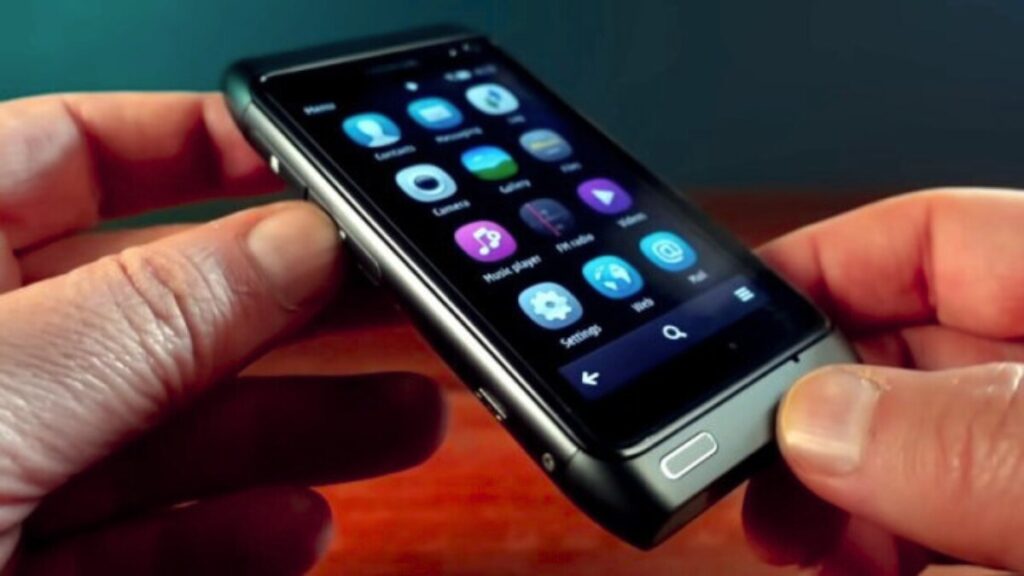
Symbian on Nokia may no longer dominate the market. However, thanks to passionate developers, it remains alive in spirit and in practice. The revived Nokia N8 proves that great hardware and thoughtful software can stand the test of time.
So yes, Symbian lives again in 2026. And for those who remember the golden days of Nokia, that fact alone feels incredibly powerful.
Frequently Asked Questions About Symbian’s Return on Nokia in 2026
Why is Symbian still alive on Nokia phones in 2026?
Symbian is still alive because a dedicated community refused to let it disappear. Even after Nokia and major manufacturers moved on, passionate developers continued to preserve, rebuild, and improve the system. Their work proves that technology backed by emotional loyalty can survive long after its commercial life ends.
How does Symbian feel to use on the Nokia N8 in 2026?
Symbian on the Nokia N8 feels surprisingly smooth and enjoyable. With the new custom ROM installed, the phone becomes faster, more responsive, and far more practical than it ever was at launch. Instead of feeling outdated, it feels like a polished device that finally matches its premium hardware.
What makes the Symbian revival on the Nokia N8 so exciting for fans?
The excitement comes from seeing unrealized potential finally fulfilled. For many users, this is what the Nokia N8 should have been from day one. The revival brings closure, pride, and a sense of “what if” that resonates deeply with long-time Nokia fans.
How did Symbian influence smartphones before iOS and Android existed?
Symbian quietly defined early smartphones by offering multitasking, advanced hardware support, and smart communication features years ahead of its time. Many users owned Symbian-powered phones without even realizing they were using early smartphones, which shows how far ahead the platform truly was.
Why did Symbian fail even though Nokia dominated the market?
Symbian failed not because it lacked power, but because it lacked simplicity. While Apple focused on intuitive design and Android embraced flexibility, Symbian struggled with usability and app distribution. As a result, users slowly drifted toward platforms that felt easier and more modern.
Was the Nokia N8 limited by Symbian or by Nokia’s strategy?
The Nokia N8 was limited by both. Symbian struggled with user experience, while Nokia failed to adapt quickly enough to changing expectations. Together, these factors prevented the N8 from competing effectively, despite having some of the best hardware of its time.
How does the new Symbian ROM fix the original platform’s weaknesses?
The new Symbian ROM addresses long-standing issues by improving system stability, refining performance, and adding a proper app store. This removes the frustrating PC-based installation process and makes daily use far more enjoyable and practical.
Can Symbian still be useful alongside modern smartphones in 2026?
Symbian is no longer a mainstream competitor, but it remains useful for enthusiasts and collectors. For users who value simplicity, hardware durability, and mobile history, Symbian offers a refreshing alternative to today’s complex ecosystems.
Why does the Symbian-powered Nokia N8 camera still stand out today?
The Nokia N8 camera was years ahead of its time, and Symbian was optimized to support it. Even in 2026, the image quality, sensor size, and natural color output still impress, reminding users how innovative Nokia once was.
What emotional impact does Symbian’s return have on long-time Nokia users?
For many, Symbian’s return brings nostalgia mixed with pride and regret. It reminds users of a time when Nokia led the industry, while also highlighting missed opportunities. At the same time, it delivers joy by proving that their favorite platform was never truly gone.
Is the Symbian revival just nostalgia, or does it have real value?
While nostalgia plays a role, the revival has real technical and cultural value. It preserves mobile history, demonstrates engineering excellence, and shows how community-driven development can extend the life of forgotten technology.
Could other Nokia devices also see a Symbian revival in the future?
Although the current focus is on the Nokia N8, the success of this project has sparked hope. Many enthusiasts believe other classic Nokia models could also be revived if enough interest and development support emerge.
What lessons can modern tech companies learn from Symbian’s journey?
Symbian teaches an important lesson: innovation alone is not enough. User experience, accessibility, and ecosystem support matter just as much. Even powerful technology can fail if it does not evolve with its users.
Why does Symbian still matter in today’s smartphone conversation?
Symbian matters because it represents a crucial chapter in smartphone evolution. It reminds us where modern devices came from and shows how passion, community, and respect for technology can keep a platform alive long after its prime.