
Summary
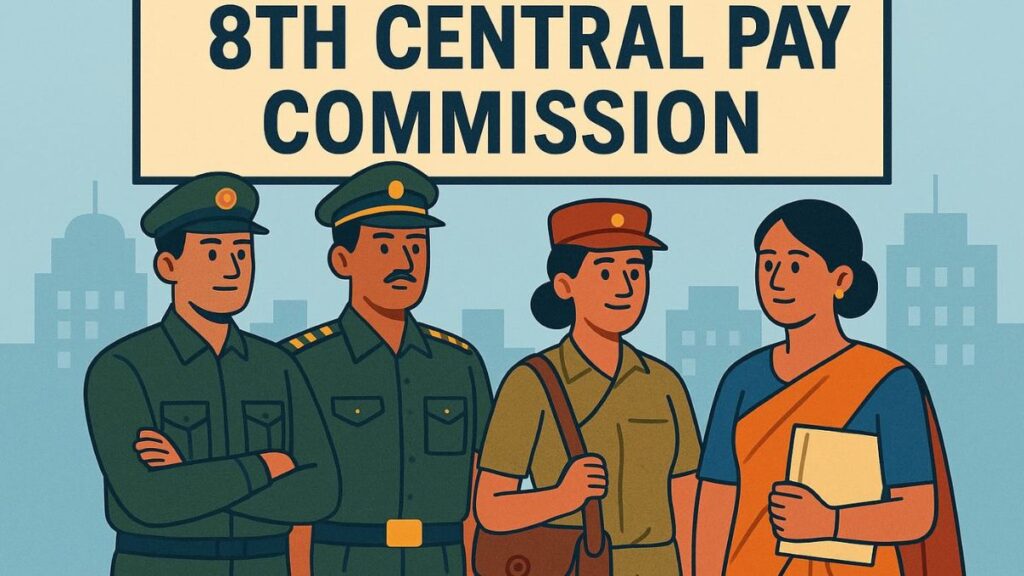
Okay, so the next Central Pay Commission, the 8th one, is a big thing for government employees and pensioners. Everyone’s waiting to see what it does, and for good reason. This thing could really change how they live and work.
What’s the Deal?
The 8th CPC will have a chair, a part-time person, and someone in charge of paperwork. They have a year and a half to give their advice. They’re copying what past groups have done, so things should be pretty clear.
The government’s already talking to ministries, states, and offices to get ready for what the 8th CPC will look at. (The Times of India)
What They Need to Think About
The 8th CPC has to think about a lot when they recommend changes:
- How the economy is doing: They need to make sure any pay raises don’t mess up the country’s money situation.
- Money for other things: The government also needs money for roads, schools, and helping people, so the pay stuff has to be affordable.
- Old pension costs: The government still has to pay a lot of money to people who are already retired, so that’s part of the puzzle.
- How states are doing: Changes for federal employees can also hit state budgets, so they have to keep that in mind.
- Pay in other jobs: The government needs to look at what people make in public companies and private jobs to be fair.
These things will guide what the 8th CPC does, so it’s all connected and looks ahead.
Being able to change things quickly
The 8th CPC can give updates as they finish parts of their work. That means the government doesn’t have to wait for everything to change things little by little.
Why You Should Care

For millions of government workers and retirees, the 8th CPC is a big deal. It could:
- Put more money in their pockets, for everyday life and when they retire. (Jagranjosh.com)
- Make them feel more secure about their finances, especially with prices going up.
- Make people happier and work better in government jobs.
- Make things fairer between government workers and people in other jobs.
- Help the government keep helping people and building things without going broke.
What to Watch For
- When the commission is announced: The government has said yes, but we’re still waiting for the official paper and names. (ET Now)
- What they’ll look at exactly: The rules will say what the commission can change, like pay, benefits, and stuff.
- When they’ll give advice: They have 18 months, but it could change based on talks and tough problems.
- When the changes will happen: The goal was always January 1st, but the 8th CPC changes might take until late 2026 or even 2027. (mint)
- Pay changes: People are talking about how basic pay will be changed and if some benefits will be cut. (Financial Express)
In Conclusion
The 8th Central Pay Commission is a good chance to fix how government workers are paid. If they balance what workers want with being smart about money, it could be a win for everyone: better lives for workers and a stable government.
Note: All information and images used in this content are sourced from Google. They are used here for informational and illustrative purposes only.
Frequently Asked Questions (FAQs) on the 8th Central Pay Commission (CPC)
Q1. What is the 8th Pay Commission (CPC)?
The 8th Pay Commission is a government-appointed body responsible for reviewing and recommending revisions in the pay structure, allowances, and retirement benefits of central government employees and pensioners.
Q2. When was the 8th Pay Commission announced?
The 8th Pay Commission was officially announced by the Government of India in January 2025 to assess and update salaries and benefits in line with economic growth and inflation.
Q3. When did the Union Cabinet approve the Terms of Reference (ToR)?
The Union Cabinet approved the Terms of Reference for the 8th Pay Commission on October 28, 2025, marking a key milestone toward implementing the next salary revision cycle.
Q4. What does the Terms of Reference mean for the 8th Pay Commission?
The Terms of Reference define the scope, responsibilities, and guiding principles that the 8th Pay Commission must follow while preparing its report on pay and pension structures.
Q5. Who will be part of the 8th Central Pay Commission panel?
The Commission will consist of one Chairperson, one Part-Time Member, and one Member-Secretary, ensuring a balanced and expert team for evaluating employee compensation.
Q6. How long will the 8th Pay Commission take to submit its report?
The 8th Pay Commission is required to submit its recommendations within 18 months from the date of its constitution, similar to previous commissions.
Q7. What key factors will the 8th Pay Commission consider while preparing its recommendations?
The Pay Commission will examine the country’s economic condition, fiscal prudence, resource availability for welfare, pension liabilities, and parity with public and private sector pay.
Q8. Will the Pay Commission’s recommendations impact state government employees?
While the 8th Pay Commission directly affects central government employees, its recommendations often guide or influence salary revisions in several state governments as well.
Q9. Why is the 8th Pay Commission significant for government employees and pensioners?
The 8th Pay Commission plays a vital role in enhancing income levels, boosting morale, and maintaining purchasing power for millions of employees and retirees across the country.
Q10. Can the 8th CPC issue interim reports before final recommendations?
Yes, the Commission can submit interim reports on specific topics when necessary, allowing faster implementation of urgent changes or benefits.
Q11. What areas beyond salaries will the 8th CPC examine?
Apart from pay structure, the Commission will assess allowances, pension schemes, and working conditions, and compare them with Central Public Sector Undertakings (CPSUs) and private-sector practices.
Q12. How do Pay Commission recommendations affect India’s economy?
The recommendations of every Pay Commission influence public spending, inflation, and consumer demand, making them key to shaping India’s economic and fiscal outlook.
Q13. When can employees expect the 8th CPC recommendations to be implemented?
If the 18-month timeline is maintained, employees can expect implementation around late 2026 or early 2027, following government approval.
Q14. What makes the 8th CPC different from earlier commissions?
The 8th CPC aims to adopt a data-driven, transparent, and balanced approach, combining fair compensation with fiscal responsibility.
Q15. How can employees stay updated about the 8th CPC progress?
Employees can stay informed through official government releases, finance ministry notifications, and reliable media outlets covering the latest developments on the 8th Pay Commission.