
Summary
In a powerful display of military readiness and self-reliance, India’s tri-service exercise near Sir Creek has India’s big military training exercise, called Exercise Trishul, got everyone’s attention and seems to have worried Pakistan a bit. It shows India flexing its military muscles on land, in the air, and at sea. Pakistan reacted by telling airlines to avoid certain routes right before India’s exercise, which has made things pretty tense in the area, since Sir Creek is a really important spot for both countries.
Why Pakistan’s Airspace Move is Suspicious
Just before India’s drill, Pakistan closed off some air routes in its central and southern areas for a couple of days. They didn’t say why, but experts think it’s either because they’re doing their own military stuff or they’re being cautious because of India’s upcoming Exercise Trishul.
This happened right after India said they’d be doing their own exercise, one of their biggest in years. The timing makes it clear that things are tense at the border.
Exercise Trishul: India Showing Off
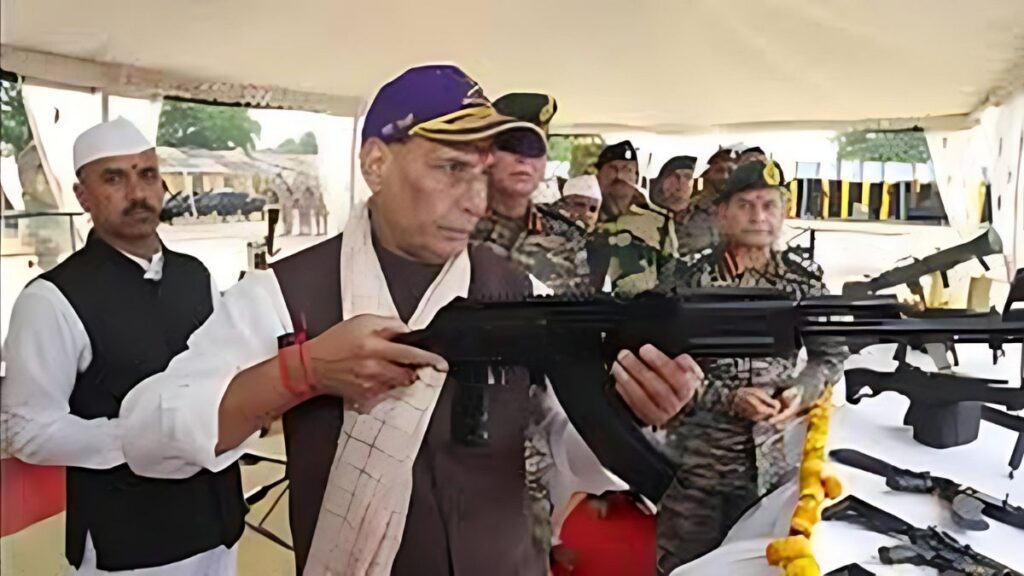
The Indian Defence Ministry said that Exercise Trishul involves the Army, Navy, and Air Force working together. Soldiers from the Southern Command are practicing fighting in different places, like deserts and beaches.
The Ministry said they want to show they can rely on themselves, come up with new ideas, and fight in different kinds of situations without problems. Satellite photos showed that the airspace for the exercise goes up pretty high, which suggests it’s a big and important operation.
Sir Creek’s Importance
Sir Creek is a long, swampy area between India and Pakistan that matters a lot for deciding sea borders and who gets to use sea routes in the Arabian Sea. Whoever controls it has a big advantage for defence and fishing, and for keeping trade routes safe.
India holding this exercise near Sir Creek shows they’re serious about protecting their borders and interests in this sensitive area.
Pakistan Nervous: Remembering Operation Sindoor
Pakistan’s reaction might also be because they remember Operation Sindoor, when Indian forces struck back after a terror attack and destroyed terror camps and military sites inside Pakistan.
Since then, both countries have been issuing warnings to airlines every now and then as a way of showing they’re ready for a fight without actually fighting. But Pakistan’s move makes it seem like they’re extra worried about India’s military getting stronger.
Rajnath Singh’s Strong Words
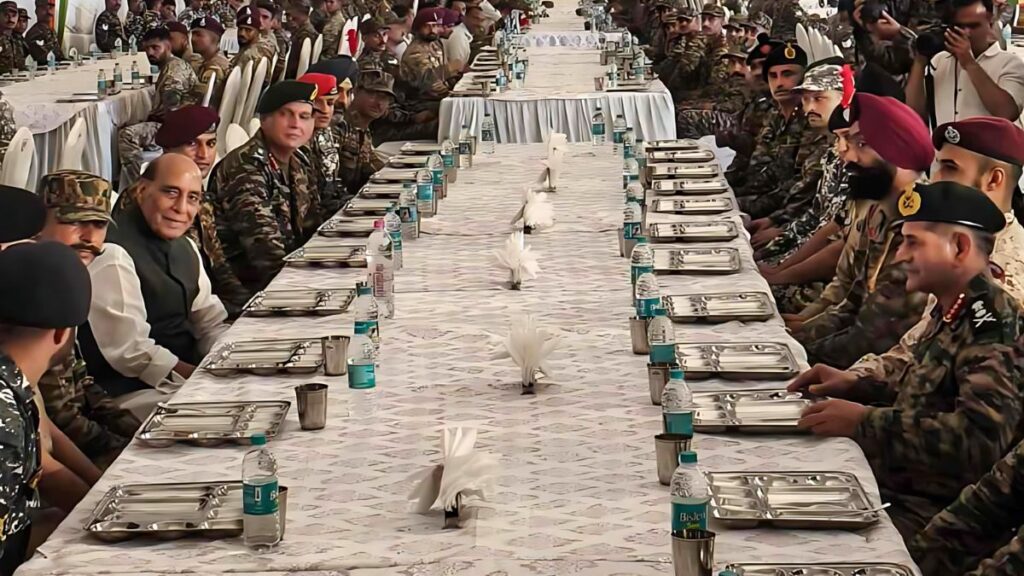
India’s Defence Minister, Rajnath Singh, also sent a strong message to Pakistan. He told soldiers that if Pakistan causes trouble in the Sir Creek area, India will respond so strongly that it will change everything.
He said this after getting information that Pakistan was building up its military in the Sir Creek area. So, Exercise Trishul is both a way to prepare and a warning to Pakistan.
Why This Exercise Matters
- It makes India look stronger in the region.
- It shows India can defend itself.
- It improves how the Army, Navy, and Air Force work together.
- It keeps the border safe.
In Conclusion
The India-Pakistan border is always a sensitive spot, and Exercise Trishul shows that India is determined to be ready, self-reliant, and united. While Pakistan watches closely, India’s military is showing strength, discipline, and new ideas. This exercise not only makes India a stronger force but also shows that it’s a growing power in the region that’s ready to defend its territory.
Note: All information and images used in this content are sourced from Google. They are used here for informational and illustrative purposes only.
FAQs on India’s Tri-Service Exercise Near Sir Creek
Q1. What is India’s latest military exercise near Sir Creek?
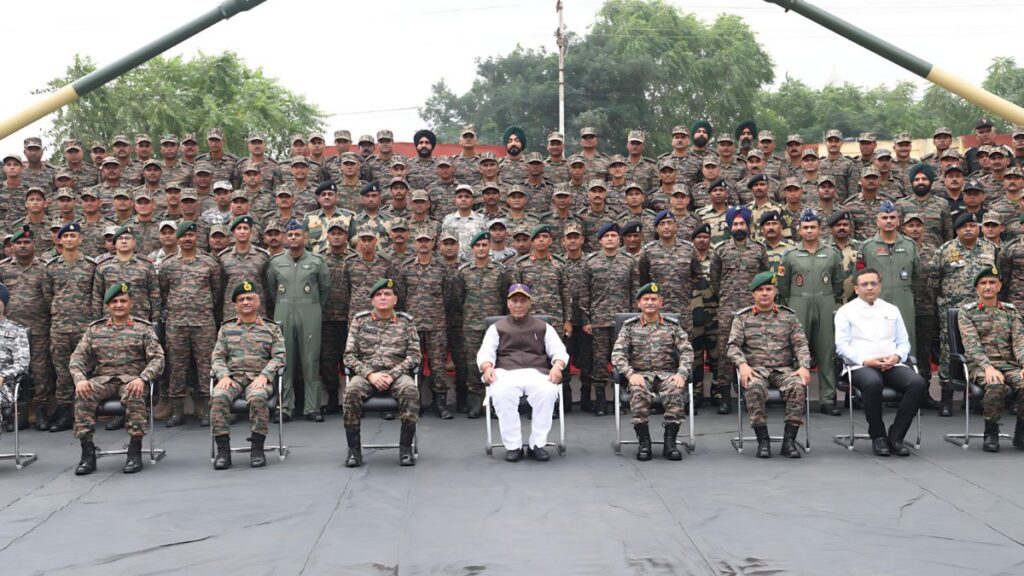
India’s latest military exercise near Sir Creek is called Exercise Trishul, a large-scale tri-service drill involving the Army, Navy, and Air Force, aimed at demonstrating joint operational strength and self-reliance.
Q2. When will Exercise Trishul take place?
Exercise Trishul will take place from October 30 to November 10, showcasing India’s integrated defence readiness along the Pakistan border.
Q3. Why did Pakistan restrict its airspace before the exercise?
Pakistan restricted its airspace on October 28–29, possibly as a precautionary measure in response to India’s upcoming military exercise or due to its own planned activities.
Q4. What is the significance of Sir Creek for both nations?
Sir Creek, a 96-km-long estuary between Gujarat and Sindh, holds strategic importance because control over this area influences maritime boundaries and access to key sea routes in the Arabian Sea.
Q5. What does the Indian Defence Ministry say about the exercise?
The Defence Ministry stated that the exercise aims to demonstrate joint operational capabilities, atmanirbharta (self-reliance), and innovation through multi-domain operations in challenging terrains.
Q6. How high will the air operations extend during Exercise Trishul?
Satellite imagery indicates that the airspace reserved for Exercise Trishul will extend up to 28,000 feet, making it one of the largest joint operational drills in recent years.
Q7. What kind of operations will be conducted during Exercise Trishul?
The exercise will include offensive manoeuvres in the creek and desert sectors, amphibious operations off the Saurashtra coast, and joint air and land-based missions to validate operational synergy.
Q8. What triggered this heightened military activity near Sir Creek?
This activity follows Operation Sindoor, an earlier joint mission where India targeted terror camps and military installations inside Pakistan after the Pahalgam attack.
Q9. What did Defence Minister Rajnath Singh say about the Sir Creek situation?
Defence Minister Rajnath Singh warned Pakistan that any misadventure in the Sir Creek sector would invite a response so strong it would “change both history and geography.”
Q10. Why is Exercise Trishul considered important for India’s defence strategy?
Exercise Trishul is crucial for testing tri-service coordination, strengthening border security, and reaffirming India’s commitment to self-reliant defence capabilities under the Atmanirbhar Bharat vision.
Q11. How has Pakistan reacted to India’s defence exercises historically?
Historically, Pakistan has responded to India’s large-scale military exercises with NOTAMs and airspace restrictions, reflecting a pattern of strategic signalling and heightened vigilance.
Q12. How does Exercise Trishul enhance India’s regional influence?
Exercise Trishul enhances India’s regional influence by showcasing military readiness, indigenous technology, and coordination among armed forces, reinforcing its position as a responsible and powerful regional force.