
Christmas 2025 will be celebrated on Thursday, December 25, marking one of the most meaningful and widely celebrated festivals in the world. Observed by billions of people across cultures and faiths, Christmas is more than a holiday—it is a reminder of love, faith, compassion, and the life-changing teachings of Jesus Christ.
While lights, gifts, and festive meals bring joy, the true essence of Christmas lies in reflecting on the birth of Jesus and the values He gave humanity—values that continue to guide our lives today.
When Is Christmas 2025 Celebrated?
Christmas is celebrated every year on December 25, and in 2025 it falls on a Thursday.
- Western Christianity: December 25
- Eastern Orthodox Churches: January 7
- Armenian Church: January 6 or January 19 (depending on tradition)
Despite different dates, the message remains the same—hope, peace, and salvation through Christ.
What Is Christmas and Why Is It Celebrated?
Christmas is an annual festival that commemorates the birth of Jesus Christ in Bethlehem, more than 2,000 years ago. Christians believe Jesus is the Son of God, sent to Earth to guide humanity toward love, forgiveness, humility, and righteousness.
Beyond religion, Christmas has become a global cultural celebration because Jesus’ teachings speak to universal human values—kindness, generosity, selflessness, and unity.
At its heart, Christmas reminds us that:
- Love is stronger than fear
- Compassion heals the world
- Faith gives meaning to life
The Contribution of Jesus Christ to Our Lives
The life and teachings of Jesus Christ have profoundly shaped human civilization. His message was simple yet powerful:
- Love one another
- Forgive those who wrong you
- Serve the poor and the needy
- Walk in truth, humility, and faith
Jesus did not teach through power or wealth, but through example. His life showed humanity how to live with purpose, integrity, and moral strength. Walking in the path He showed helps build strong character, healthy relationships, and a compassionate society.
Christmas is a time to reflect on how we can apply His teachings in our daily lives—not just through words, but through actions.
History and Origin: How December 25 Became Christmas
In early Christianity, Jesus’ exact birth date was unknown. The most important Christian celebrations were Easter (His resurrection) and Epiphany (January 6).
By the 4th century, December 25 was officially recognized as Christmas, first appearing in a Roman calendar in AD 336. The date aligned with existing winter festivals, making it easier for people to embrace the celebration.
Christian tradition also links December 25 to the Annunciation on March 25, believed by many early Christians to be the day God created the world and the day Mary was told she would conceive Jesus.
The Nativity Story: A Message of Humility and Hope
According to the Bible, Jesus was born in a humble stable because there was no room at the inn. Angels announced His birth to shepherds—ordinary people—showing that God’s love is for everyone.
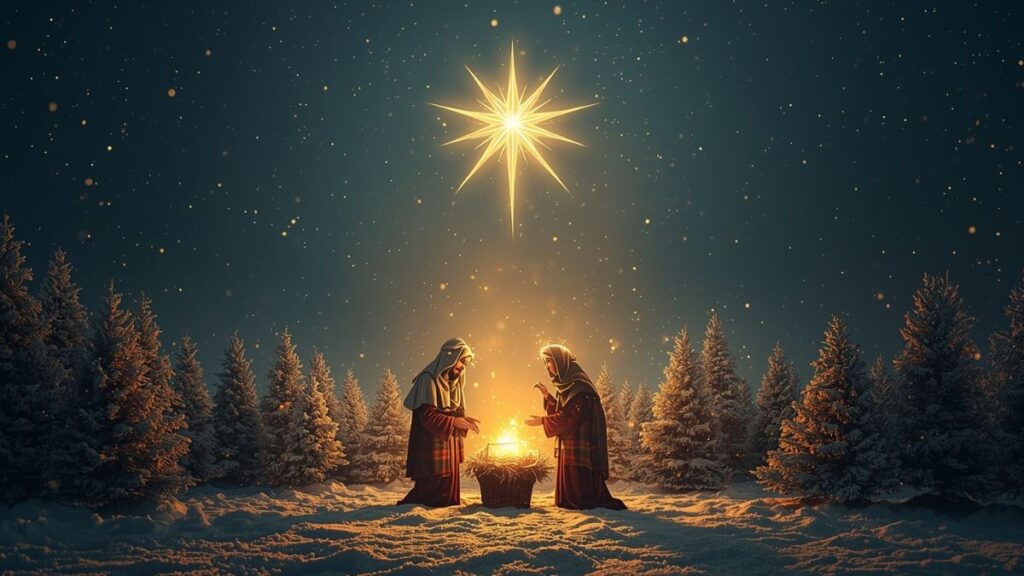
Later, the Three Wise Men (Magi) followed a star to Bethlehem and brought gifts of gold, frankincense, and myrrh. Today, this story is remembered through Nativity scenes, reminding us that greatness can come from humility and faith.
Religious Importance of Christmas
For Christians, Christmas represents the belief that God came to Earth in human form to save and guide humanity.
- Church services and Midnight Mass
- Prayer, hymns, and carol singing
- Reflection on faith and gratitude
Christmas Eve and Christmas Day are considered sacred moments to renew faith and commitment to living by Christ’s teachings.
Popular Christmas Traditions
Over centuries, Christmas has evolved into a celebration filled with meaningful traditions:
- Decorating Christmas trees
- Lighting homes and streets
- Singing carols
- Exchanging gifts
- Family gatherings and festive meals
Santa Claus, inspired by Saint Nicholas, symbolizes generosity and kindness—values deeply rooted in Christian teachings.
Symbols of Christmas and Their Meaning
- Nativity Scene: Birth of Jesus
- Christmas Tree: Life, hope, and renewal
- Star of Bethlehem: Divine guidance
- Candles and Lights: Christ as the light of the world
Each symbol carries a spiritual message that connects celebrations to faith.
Christmas Food and Family Celebrations
Food plays an important role in Christmas celebrations. Families prepare special meals, cakes, sweets, and traditional dishes. Sitting together strengthens bonds and reflects Jesus’ teaching about love, sharing, and togetherness.
Christmas Around the World
Christmas is a public holiday in many countries. While it is a Christian festival, people of different religions and cultures also celebrate it, making Christmas a global event of unity and goodwill.
Significance of Christmas in Today’s World
In a fast-paced and divided world, Christmas reminds us of what truly matters:
- Compassion over conflict
- Faith over fear
- Love over hatred
The birth of Jesus Christ symbolizes hope for humanity. His teachings encourage us to live meaningful lives, help others, forgive freely, and walk the path of righteousness.
Final Thoughts
Christmas 2025 is not just a date on the calendar—it is an opportunity to reflect on the life, teachings, and everlasting contribution of Jesus Christ. By walking in the path He showed, we nurture values that shape our character, strengthen society, and bring peace to our hearts.
May this Christmas inspire us to live with love, faith, humility, and purpose—not only during the festive season, but throughout our lives.
Merry Christmas 2025 🎄✨
Note: All information and images used in this content are sourced from Google. They are used here for informational and illustrative purposes only.
Frequently Asked Questions About Christmas 2025
1. When will Christmas 2025 be celebrated and on which day does it fall?
Christmas 2025 will be celebrated on Thursday, December 25. It is observed annually on December 25 by most Christian communities worldwide, making it one of the most important religious and cultural holidays of the year.
2. Why is Christmas 2025 considered a globally significant celebration?
Christmas 2025 is significant not only for Christians but for people across cultures because it promotes universal values such as peace, love, kindness, generosity, and togetherness, inspired by the life and teachings of Jesus Christ.
3. What is the religious meaning of Christmas 2025 for Christians?
For Christians, Christmas 2025 commemorates the birth of Jesus Christ, believed to be the Son of God. It marks the moment when God came to Earth in human form to guide humanity toward faith, compassion, forgiveness, and salvation.
4. How does Christmas 2025 reflect the teachings of Jesus Christ in daily life?
Christmas 2025 encourages people to follow the path shown by Jesus Christ—living with humility, helping the needy, forgiving others, loving unconditionally, and strengthening moral values that shape character and purpose in life.
5. What is the historical origin of Christmas 2025 being celebrated on December 25?
The date December 25 was officially recognized as Christmas in the 4th century AD. Although the Bible does not mention Jesus’ exact birth date, the Church chose this day to honor His birth and spread Christian teachings more widely.
6. Was Jesus Christ actually born on December 25, as celebrated in Christmas 2025?
The exact birth date of Jesus is not mentioned in the Bible. Christmas 2025 follows a long-standing Christian tradition that symbolically celebrates His birth on December 25 to honor His arrival and divine mission.
7. How do different Christian communities observe Christmas 2025?
Most Christians celebrate Christmas 2025 on December 25. However, Eastern Orthodox churches observe it on January 7, while the Armenian Church celebrates it on January 6 or January 19, depending on tradition.
8. What is the Nativity story remembered during Christmas 2025?
The Nativity story of Christmas 2025 tells of Mary giving birth to Jesus in Bethlehem, angels announcing His birth to shepherds, and wise men visiting with gifts. This story highlights humility, faith, and God’s love for humanity.
9. What are the most popular traditions associated with Christmas 2025?
Christmas 2025 traditions include attending church services, decorating homes and Christmas trees, singing carols, exchanging gifts, sharing festive meals, and spending meaningful time with family and loved ones.
10. What symbols are most closely associated with Christmas 2025 and their meanings?
Common symbols of Christmas 2025 include the Nativity scene representing Jesus’ birth, the Christmas tree symbolizing life and hope, the Star of Bethlehem symbolizing divine guidance, and candles representing light overcoming darkness.