
Summary
Introduction about Cyclone Montha Prepares to Make an Impact
Heads up! Cyclone Montha is coming. It’s time to act fast! We want to make sure you’re ready and know what’s going on, especially if you’re in Andhra Pradesh or Odisha. This storm is serious, but if we do the right things, we can get through this safely.
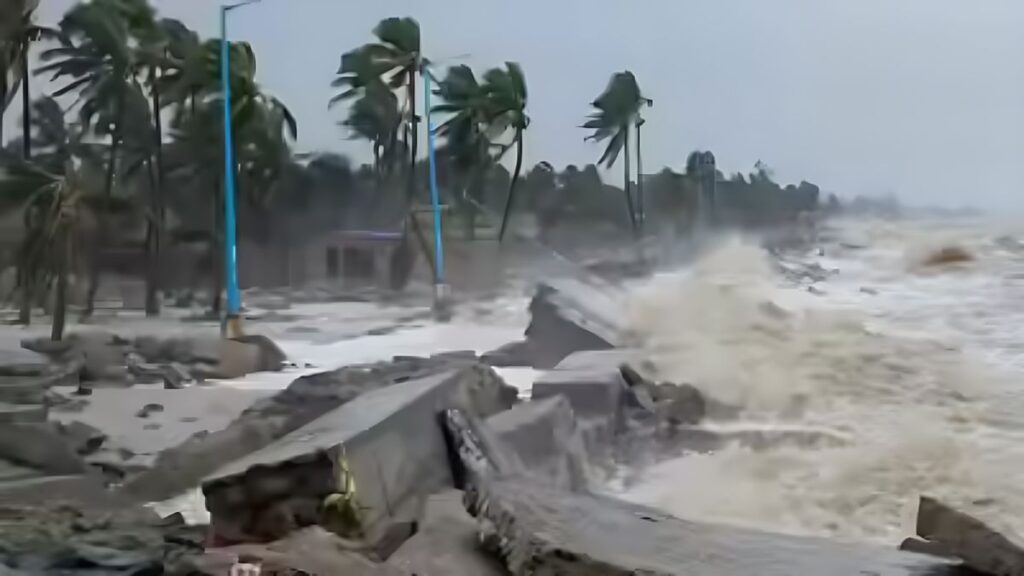
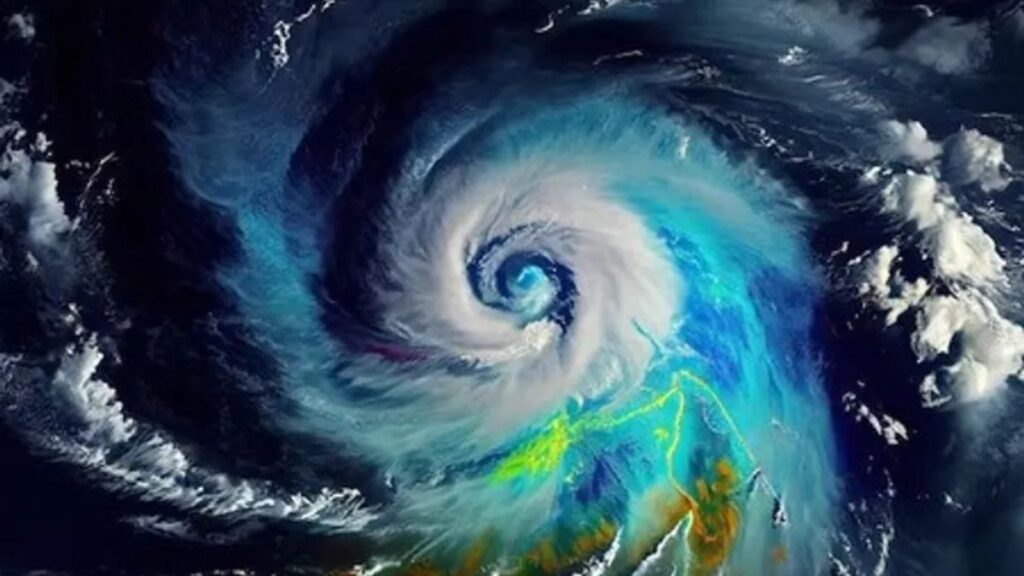
Cyclone Montha is getting stronger in the Bay of Bengal. It’s probably going to hit the coast of Andhra Pradesh somewhere between Machilipatnam and Kalingapatnam, near Kakinada, on Tuesday evening or night (October 28, 2025). The weather people (IMD) say it’ll be a pretty bad storm when it hits, with winds around 90-100 km/h, and stronger gusts up to 110 km/h.
Because of this, Andhra Pradesh has put 16 districts on high alert. They’re moving people out of coastal areas, especially those who might need help, like pregnant women. Odisha has also put its southern districts on alert, sending out rescue teams and starting to evacuate people before the rain and wind get bad.
What’s Happening Now
People in Andhra Pradesh and southern Odisha are already getting hit with heavy rain, strong winds, and bigger waves as Cyclone Montha gets closer.
The IMD thinks some spots might get a ton of rain (over 21 cm) between October 27 and 29, mostly in coastal Andhra and parts of Odisha.
To be safe:
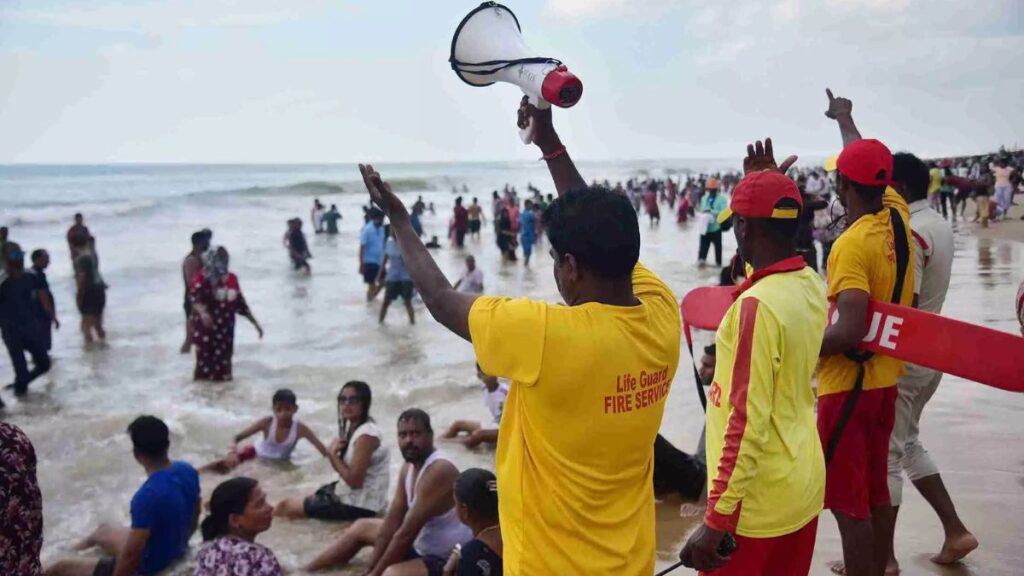
Schools and colleges are closed in several districts until October 31.
Fishermen should stay on land. The sea will be rough, with waves up to 4.7 meters.
Rescue people are ready to go with boats, life jackets, shelters, and food.
Getting People to Safety
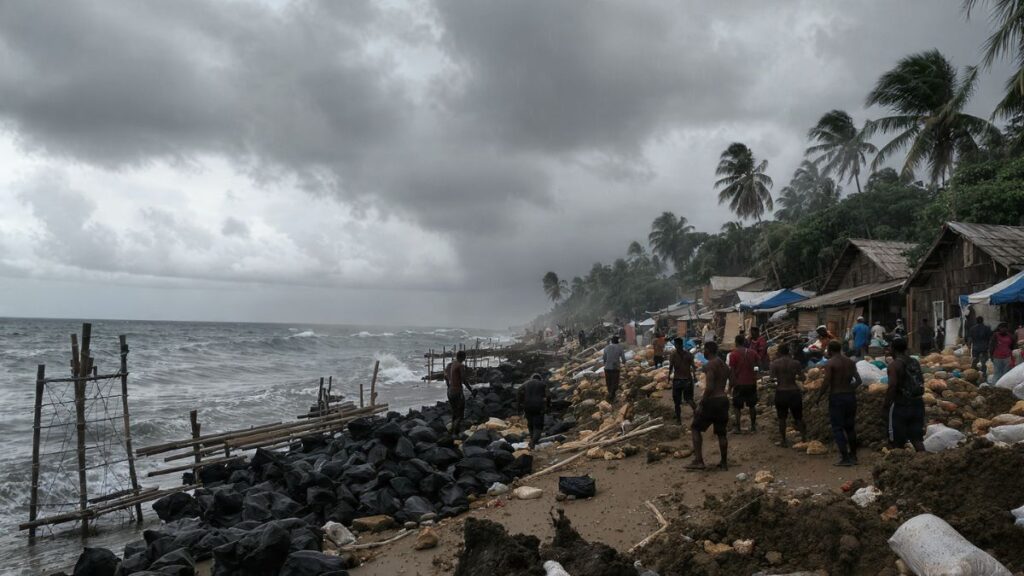
Andhra Pradesh is working hard to evacuate people. Thousands of people are being moved from coastal areas around Kakinada to shelters. Over 100 pregnant women and their families have been taken to hospitals and other safe places.
Odisha has marked eight southern districts as most at risk. Rescue teams are there, and they’re evacuating people to try to keep everyone safe.
What to Expect When It Hits
The IMD says:
It’ll probably come ashore between Machilipatnam and Kalingapatnam, near Kakinada, on Tuesday night.
Winds will be around 90-100 km/h, with gusts up to 110 km/h.
The sea will be rough, and low-lying areas might flood.
There will be heavy rain in the affected areas, spreading inland.
The Good News: We’re Ready
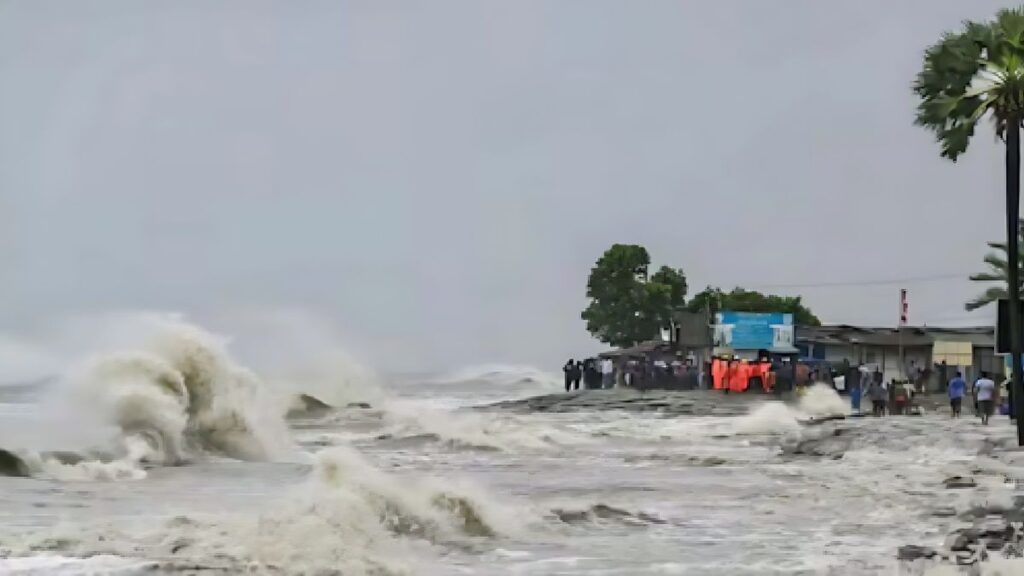
The good thing is that everyone’s getting ready ahead of time. Warnings are out, people are being evacuated, things are closing down, and rescue teams are getting ready. This will hopefully make things easier when the storm actually hits.
If you stay informed, listen to what the officials say, and work with the local people doing the evacuations, we can all get through this together.
What You Should Do
Keep watching for updates from the IMD and the state disaster management people.
If you’re in a red-alert district in Andhra Pradesh or Odisha, get ready to move to a shelter.
Leave when they tell you to. Have your important papers, medicines, phone, charger, and emergency kit ready.
Don’t go near the sea, low areas, or places that flood easily.
After the storm, stay inside until the officials say it’s okay. Watch out for downed power lines, flooding, and debris.
Cyclone Montha Prepares – Impact and Response Breakdown
| Category | Region/Aspect | Situation Overview | Preparedness & Actions | Expected Outcome |
|---|---|---|---|---|
| 1. Coastal Landfall Zone | Kakinada, Andhra Pradesh | Cyclone Montha Prepares the coast with intense winds of 90–100 km/h and heavy rainfall expected during landfall. | Cyclone Montha Prepares local authorities for mass evacuation and safe shelter management near Kakinada and East Godavari. | Reduced casualties and faster recovery due to early evacuation. |
| 2. Secondary Coastal Impact | Machilipatnam to Kalingapatnam belt | Cyclone Montha Prepares the entire stretch for destructive gusts, storm surges, and waterlogging in low areas. | Cyclone Montha Prepares fishermen and residents to avoid coastal activity and remain in inland shelters. | Minimal loss of life through strict coastal restrictions. |
| 3. Inland Rainfall Zones | Rayalaseema & North Coastal Andhra | Cyclone Montha Prepares these inland regions for extended rainfall and possible flooding post-landfall. | Cyclone Montha Prepares drainage teams and emergency power restoration units. | Faster restoration and minimal prolonged flooding. |
| 4. Southern Odisha Belt | Ganjam, Gajapati, Koraput, Malkangiri | Cyclone Montha Prepares these southern districts for strong winds, heavy rain, and tree damage. | Cyclone Montha Prepares state disaster teams for pre-storm evacuations and temporary shelter setups. | Controlled damage through early mobilization. |
| 5. Marine and Fishing Zones | Bay of Bengal Coastal Waters | Cyclone Montha Prepares the sea with violent waves up to 4.7 meters, dangerous for any marine activity. | Cyclone Montha Prepares Coast Guard and marine police to prevent vessel movement and issue alerts. | Zero sea casualties through enforcement of bans. |
| 6. Agriculture & Livelihoods | Coastal Andhra & South Odisha Farmlands | Cyclone Montha Prepares paddy fields and vegetable crops for wind and water damage risk. | Cyclone Montha Prepares farmers with advisories to harvest early and secure livestock. | Reduced crop loss through pre-harvest actions. |
| 7. Infrastructure & Power | Urban and rural coastal belts | Cyclone Montha Prepares cities and villages for outages, damaged poles, and blocked roads. | Cyclone Montha Prepares electricity boards and road-clearing units for quick repairs. | Restoration within 24–48 hours post-landfall. |
| 8. Health and Emergency Services | District Hospitals & Mobile Clinics | Cyclone Montha Prepares health centers with extra staff, supplies, and backup generators. | Cyclone Montha Prepares ambulances and relief teams to reach vulnerable groups like pregnant women. | Continuous medical support during the cyclone. |
| 9. Education and Institutions | Schools and Colleges in Alert Districts | Cyclone Montha Prepares campuses for closures and emergency shelter conversion until Oct 31. | Cyclone Montha Prepares classrooms as safe spaces for evacuated families. | Safer community shelters without academic disruption. |
| 10. Community Readiness | Villages & Coastal Towns | Cyclone Montha Prepares local people through awareness drives and official alerts. | Cyclone Montha Prepares volunteers for door-to-door evacuations and radio communication. | Unified local response and lower panic levels. |
| 11. Environmental Impact | Forests, Wetlands & Estuaries | Cyclone Montha Prepares ecosystems for strong gusts that may uproot trees and affect biodiversity. | Cyclone Montha Prepares forest departments to monitor wildlife movement and prevent poaching during chaos. | Balanced eco-recovery with post-cyclone restoration drives. |
| 12. Transportation & Logistics | Highways, Railways & Ports | Cyclone Montha Prepares transit routes for temporary closures and delays. | Cyclone Montha Prepares transport departments to suspend coastal train routes and port operations. | Avoided accidents and safe transport resumption post-cyclone. |
| 13. Relief & Humanitarian Aid | National Disaster Response Force (NDRF) | Cyclone Montha Prepares NDRF units with boats, life jackets, and food kits for immediate rescue. | Cyclone Montha Prepares command centers in Visakhapatnam and Bhubaneswar for coordinated responses. | Swift aid delivery and minimal response lag. |
| 14. Communication & Awareness | Media, Radio, and IMD Bulletins | Cyclone Montha Prepares the public through 24/7 weather updates and warnings. | Cyclone Montha Prepares communication towers with backup power and SMS alert systems. | Reliable, timely information reaching remote areas. |
| 15. Post-Storm Recovery | Entire Impact Zone | Cyclone Montha Prepares recovery efforts including debris removal and relief package distribution. | Cyclone Montha Prepares civil departments and NGOs to assess damage and rebuild quickly. | Efficient rehabilitation and community resilience. |
To Wrap It Up
Act Fast as Cyclone Montha Approaches is what we need to do. The storm is coming to the Andhra coast near Kakinada on Tuesday night, so we need to work together quickly. With evacuations in Andhra Pradesh and rescue teams in Odisha, plus closures and warnings, we’ve already started. If we all do our part, we can stay safe and make things easier. Stay ready, stay safe, and let’s get through this!
Note: All information and images used in this content are sourced from Google. They are used here for informational and illustrative purposes only.
Cyclone Montha Prepares: Everything You Need to Know and How to Stay Safe
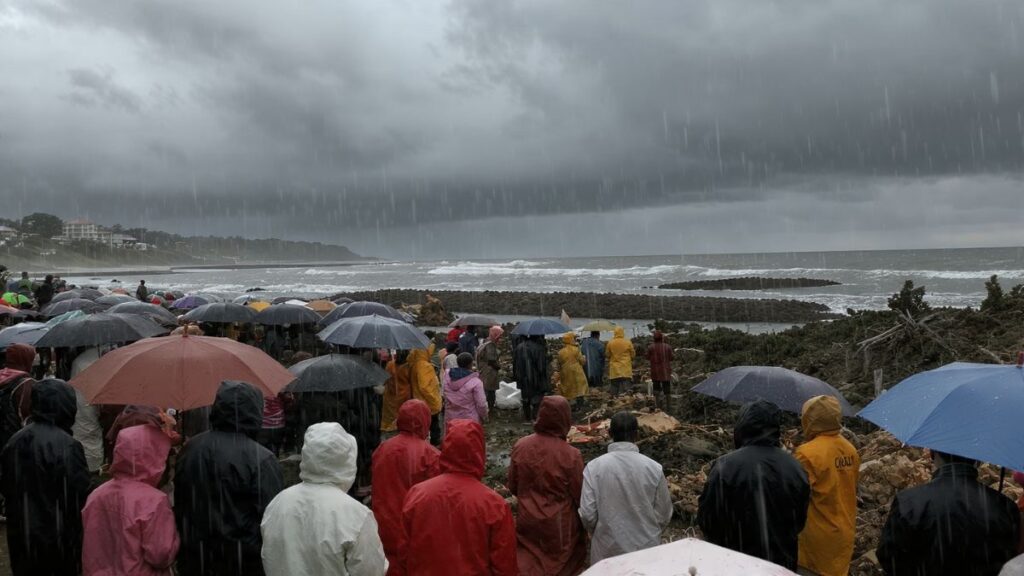
As Cyclone Montha moves closer to the eastern coast of India, here’s a set of frequently asked questions to help you stay informed, ready, and safe.
1. What is Cyclone Montha, and where is it headed?
Cyclone Montha is a powerful storm system forming over the Bay of Bengal, expected to make landfall along the Andhra Pradesh coast, between Machilipatnam and Kalingapatnam, near Kakinada, on Tuesday evening or night (October 28, 2025).
2. How strong will Cyclone Montha be when it hits?
The India Meteorological Department (IMD) predicts winds of 90–100 km/h, with gusts up to 110 km/h. The storm will bring heavy rain, rough seas, and possible flooding in low-lying coastal areas.
3. Which areas should prepare the most for Cyclone Montha?
The states Andhra Pradesh and Odisha are on high alert.
- Andhra Pradesh: 16 coastal districts are preparing, with major focus on Kakinada, East Godavari, and nearby regions.
- Odisha: Eight southern districts are marked as high-risk zones.
4. How are Andhra Pradesh and Odisha preparing for Cyclone Montha?
Both states have launched major safety efforts:
- Evacuations from coastal and low-lying areas.
- Shelters are prepared with food, water, and medical care.
- Rescue teams equipped with boats and life jackets are ready to respond.
- Schools and colleges closed until October 31 in several districts.
- Fishermen are advised to stay ashore due to dangerous sea conditions and waves up to 4.7 meters.
5. What’s the current weather like as Cyclone Montha approaches?
Even before landfall, strong winds, heavy rainfall, and rising waves are already being reported in coastal Andhra Pradesh and southern Odisha. Some areas may receive more than 21 cm of rainfall between October 27 and 29.
6. What safety steps should people take during Cyclone Montha Prepares?
If you live in or near the affected zones:
- Follow official instructions from IMD and disaster management teams.
- Pack an emergency kit with medicines, documents, a flashlight, and phone chargers.
- Move to designated shelters if advised—don’t delay evacuation.
- Stay away from beaches, rivers, and flooded roads.
- Avoid travel until authorities declare it safe.
7. How is the government helping vulnerable people during Cyclone Montha?
Special attention is being given to pregnant women, children, and the elderly. In Andhra Pradesh alone, over 100 pregnant women and their families have been moved to safe hospitals and shelters ahead of the storm.
8. What should you expect when Cyclone Montha makes landfall?
When the cyclone hits:
- Expect very strong winds (up to 110 km/h).
- Heavy rain and flooding in coastal and nearby inland areas.
- Power outages and fallen trees or power lines.
- Disruptions to transport and communication.
Stay indoors, stay calm, and don’t go out until officials confirm safety.
9. What’s the good news about Cyclone Montha Prepares?
The positive side is that both states are ready:
- Warnings were issued early.
- Evacuations started ahead of time.
- Relief materials, shelters, and emergency teams are in place.
These proactive steps will help reduce damage and save lives.
10. What can citizens do to help during Cyclone Montha Prepares?
- Share verified information only—don’t spread rumors.
- Check on neighbors, especially the elderly or those with disabilities.
- Conserve phone battery power for emergencies.
- Cooperate with local authorities and volunteer groups if you can.
Cyclone Montha Prepares Us to Act Fast and Stay Safe
Cyclone Montha is expected to hit near Kakinada on Tuesday night, bringing strong winds and heavy rain. With timely warnings, evacuations, and coordinated efforts across Andhra Pradesh and Odisha, we’re better prepared than ever.
Stay alert, follow official updates, and remember — staying informed and calm is your best protection. Together, we can face Cyclone Montha safely.