
Summary
Introduction of Interstellar Comet 3I/ATLAS
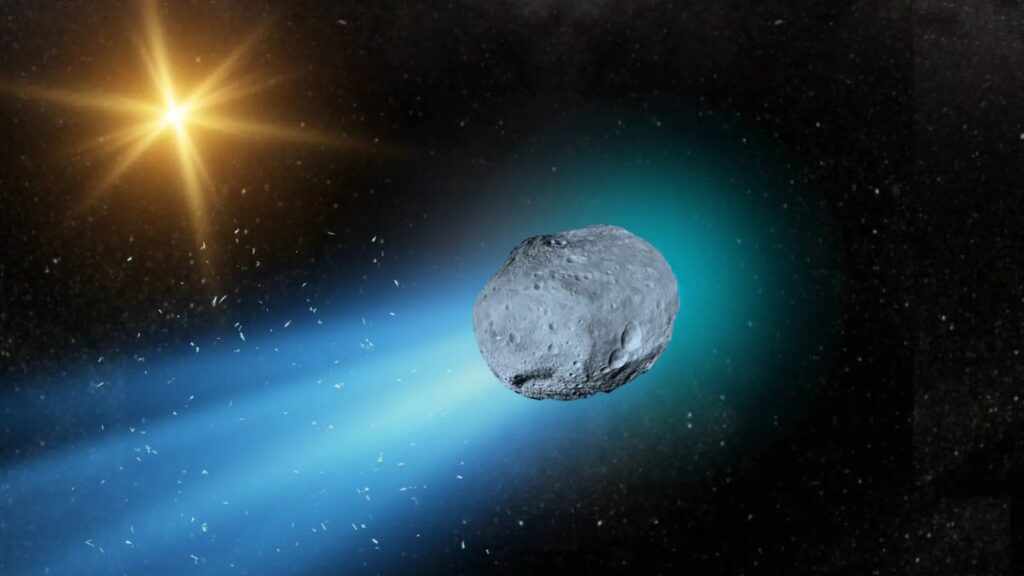
Comet 3I/ATLAS is zooming through our solar system, and it’s a super rare event! It will get closest to the sun in late October 2025. It’s a visitor from way beyond our neighborhood, so I’ll tell you how to watch it and why it’s so cool for science.
What’s the Deal with 3I/ATLAS?
So, 3I/ATLAS is only the third interstellar object ever to swing by our solar system, after 2I/Borisov and 1I/ʻOumuamua.
It was spotted on July 1, 2025, by the ATLAS telescope in Chile. Because of its path, scientists know it didn’t start here.
Mark Your Calendars!
Closest to the Sun: Around October 29–30, 2025. It’ll be about 210 million km from the Sun.
Closest to Earth: Around December 19, 2025. It’ll be about 270 million km away, which is a safe distance.
You won’t see it when it’s closest to the sun because of where Earth will be, but it should pop back into view in November.
How to Watch It
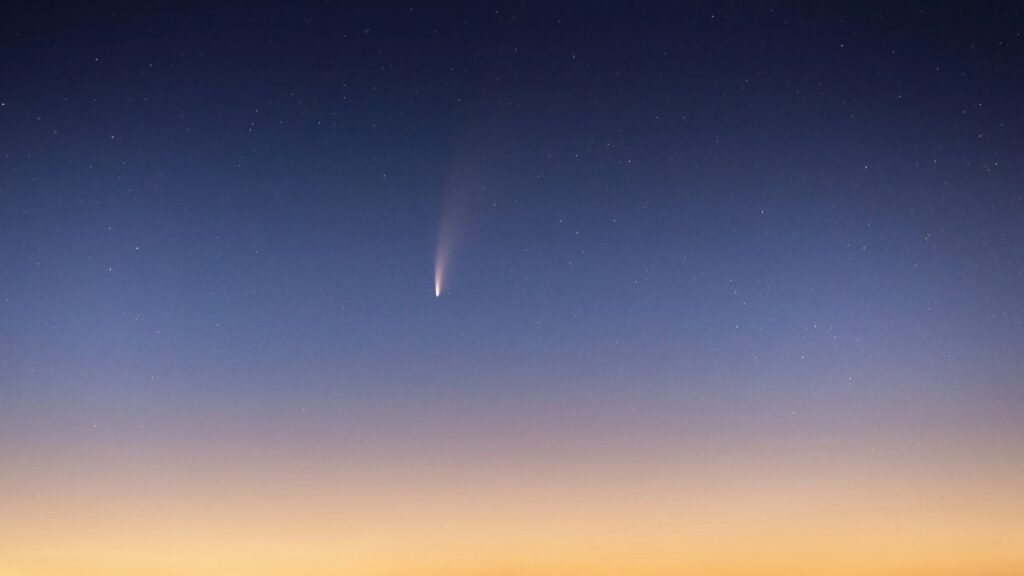
You probably won’t see it without a telescope, but here’s how to check it out:
Use stargazing apps or NASA’s Eyes on the Solar System to see where it is.
Keep an eye out for live streams and images from observatories and space agencies.
If you have some ok equipment, you might catch a glimpse after it passes the sun.
Why Should You Care?
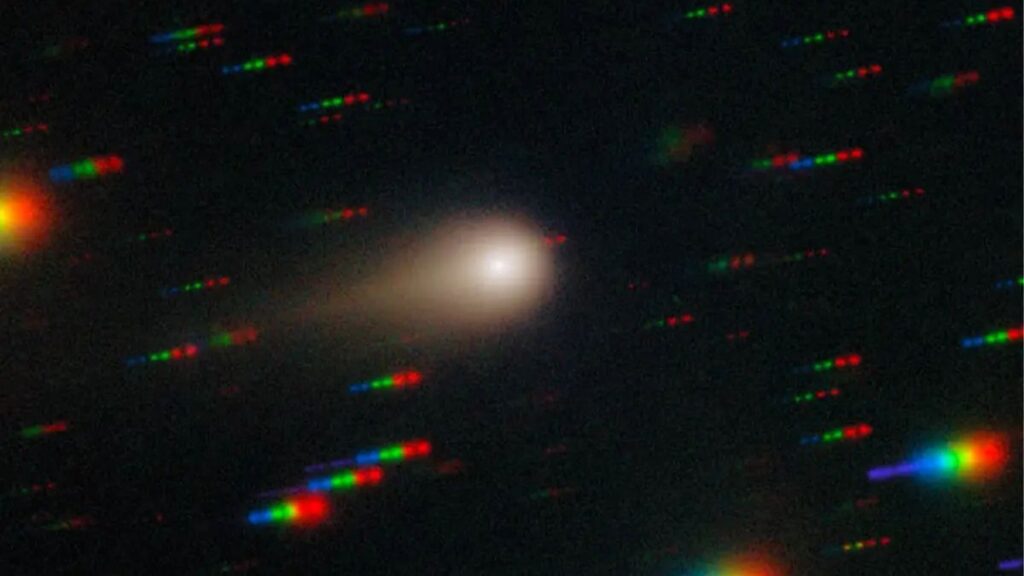
This comet is a big deal because it comes from another star system, bringing clues with it!
It’s acting weird. Telescopes saw a huge burst of gas and dust heading toward the sun as it heated up.
It’s losing a lot of stuff fast – like 180 kg of dust every second at one point
It’s made of different stuff than our comets. It has a lot of carbon dioxide compared to water, which means it might have started somewhere else.
Because of its path, we know for sure it’s from another star system.
Don’t Worry, It’s Not Going to Hit Us!
3I/ATLAS isn’t going to crash into Earth. It’ll stay at least 270 million km away.
In Conclusion
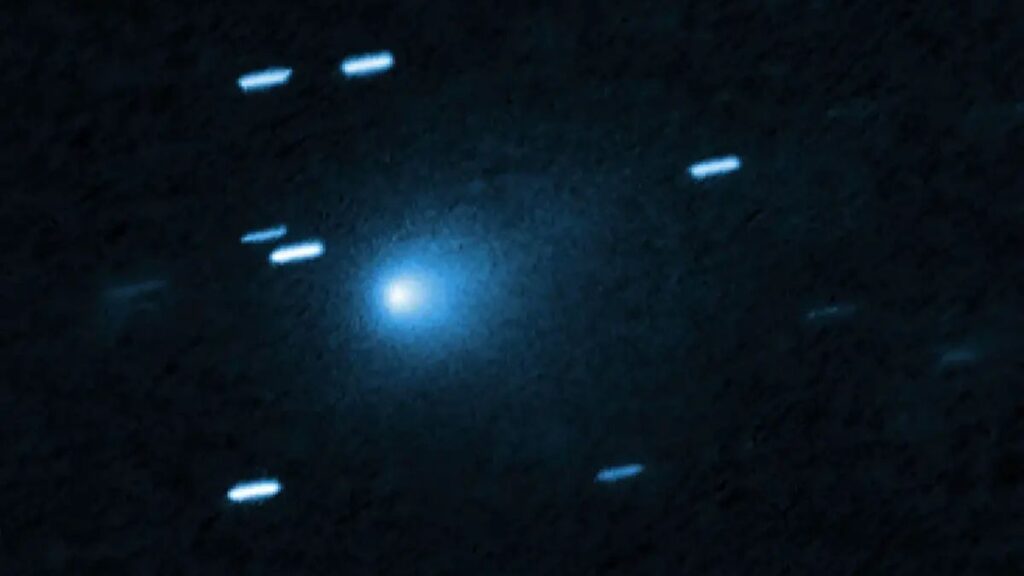
3I/ATLAS is a cool reminder that our solar system is open to visitors. We might not see it super clearly, but it’s still a great thing for science. So, start tracking it, read up on it, and get ready to witness something rare!
Grab your telescope, watch for updates, and keep looking up! 3I/ATLAS is only here for a short time, but it’ll leave info that we can use to understand the universe for years.
Note: All information and images used in this content are sourced from Google. They are used here for informational and illustrative purposes only.
Frequently Asked Questions About Interstellar Comet 3I/ATLAS
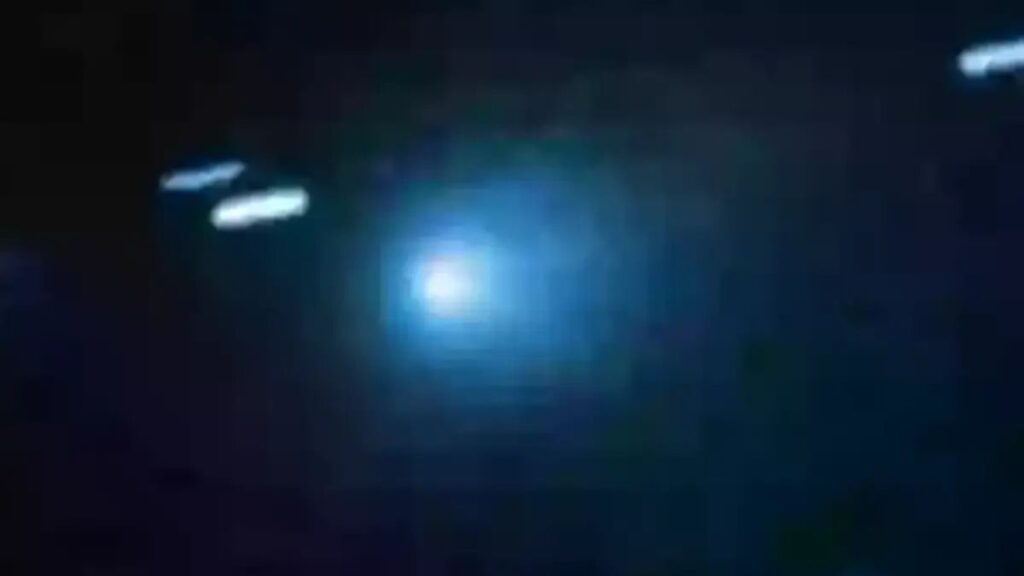
1. What makes Interstellar Comet 3I/ATLAS so special?
Interstellar Comet 3I/ATLAS is only the third interstellar object ever detected in our Solar System. Unlike regular comets that orbit the Sun, this one comes from far beyond — another star system entirely! That means it carries ancient material that could reveal how other planetary systems form.
2. When will Interstellar Comet 3I/ATLAS get closest to the Sun?
The comet will reach its closest point to the Sun (perihelion) around October 29–30, 2025, coming within about 1.4 astronomical units (210 million kilometers). At that point, it will be just inside Mars’s orbit, but positioned behind the Sun from Earth’s view — so you won’t see it until November.
3. How close will Interstellar Comet 3I/ATLAS come to Earth?
Don’t worry — it’s completely safe! 3I/ATLAS will make its closest approach to Earth on December 19, 2025, staying a comfortable 1.8 astronomical units (about 270 million kilometers) away. NASA has confirmed there’s no threat of collision with our planet.
4. Can I see Interstellar Comet 3I/ATLAS with my own eyes?
Probably not without help — it’s too faint for the naked eye. But you can track its position live using NASA’s Eyes on the Solar System tool or astronomy apps. Telescopes and space observatories, such as Hubble and the James Webb, are already capturing stunning images and data.
5. What have scientists learned so far from Interstellar Comet 3I/ATLAS?
Researchers have discovered that 3I/ATLAS is releasing gases such as carbon dioxide, water, and carbon monoxide, along with large plumes of dust. It’s even shedding around 180 kilograms of material every second! These differences show that it likely formed under very different conditions from our Solar System’s comets.
6. How big is Interstellar Comet 3I/ATLAS?
Observations from the Hubble Space Telescope suggest its nucleus — the solid core — is between 440 meters and 5.6 kilometers wide. That’s roughly the size range between a skyscraper and a small mountain.
7. Why do astronomers care so much about Interstellar Comet 3I/ATLAS?
Because it’s a messenger from another star system! Studying it helps scientists understand the composition and chemistry of materials formed around distant suns. It’s like getting a sample from another galaxy without leaving home.
8. What missions are tracking Interstellar Comet 3I/ATLAS?
NASA and the European Space Agency (ESA) are both following it closely. Instruments like Hubble, James Webb, Mars Express, and Jupiter’s JUICE mission are observing the comet from multiple angles to learn as much as possible about its speed, composition, and trajectory.
9. How fast is Interstellar Comet 3I/ATLAS traveling?
It’s racing through the Solar System at about 210,000 kilometers per hour, making it one of the fastest space visitors ever recorded. Its incredible speed confirms it won’t loop back — it’s just passing through once before heading back into deep space.
10. Will we ever see Interstellar Comet 3I/ATLAS again?
Sadly, no. Because its orbit is hyperbolic, 3I/ATLAS won’t return. Once it swings past the Sun and speeds away, it’ll vanish back into interstellar space forever — which is why 2025 is such a unique chance to study it.
🌌 Final Thought
Interstellar Comet 3I/ATLAS is more than just a passing visitor — it’s a rare cosmic gift offering clues about how worlds form beyond our Sun. Whether you’re watching live updates or following telescope images, don’t miss the chance to witness this historic interstellar event before it disappears forever.
Click Here For More Information: https://www.wionews.com/photos/3i-atlas-and-telescopes-how-scientists-are-tracking-it-now-1761756213740/1761756213741 https://www.facebook.com/profile.php?id=61578709299739