
Summary
Tributes Paid to Martyrs: 26-11 Mumbai Terror Attack
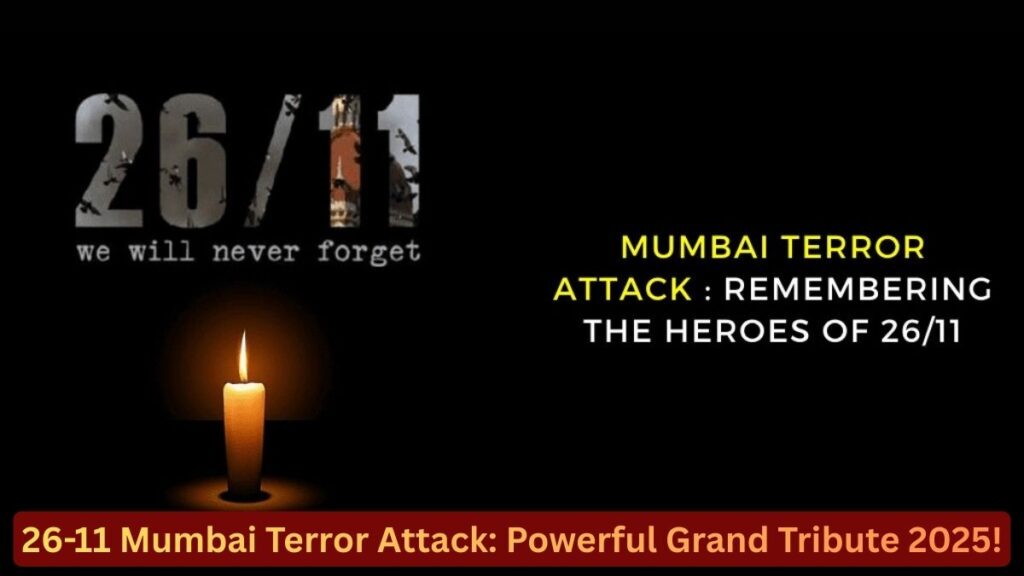
Mumbai, November 26, 2025: India today remembered the bravehearts and innocent civilians who lost their lives during the 2008 Mumbai terror attacks, as tributes poured in across the city on the solemn 17th anniversary of the tragedy. From top political leaders to common citizens, thousands joined in paying homage to the 166 people who were killed and the over 300 who were injured during the four-day siege that shook the world.
Leaders Pay Floral Tributes at Mumbai Police Headquarters
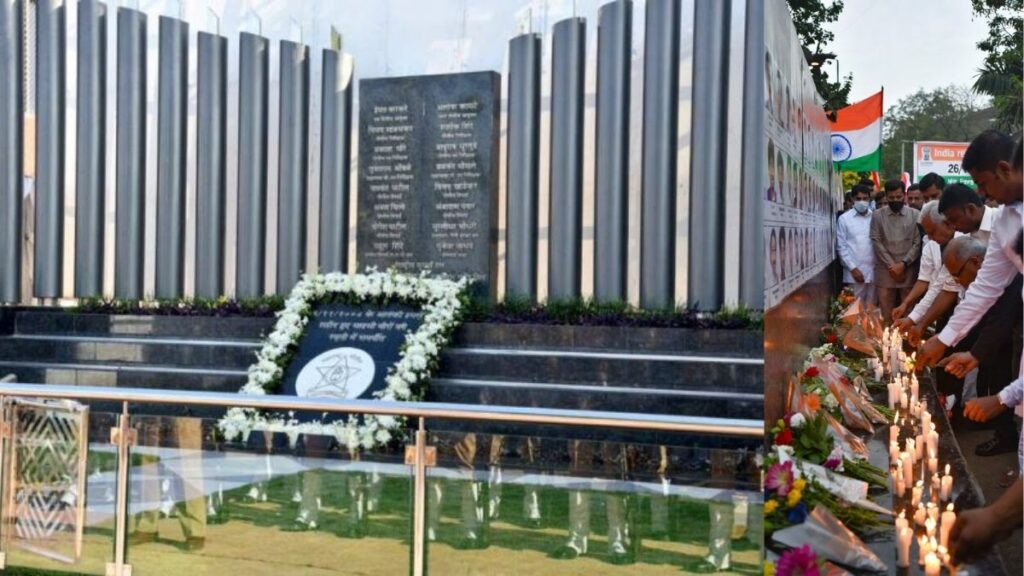
Maharashtra Chief Minister Devendra Fadnavis led the state in commemorating the martyrs, offering floral tributes at the Mumbai Police Headquarters. Deputy Chief Minister Ajit Pawar, along with state minister Ashish Shelar, also honored the fallen heroes at the martyrs’ memorial inside the Police Commissioner’s Office in South Mumbai.
Top officials including Maharashtra DGP Rashmi Shukla and Mumbai Police Commissioner Deven Bharti were present at the ceremony. Family members of police personnel who sacrificed their lives also gathered to remember their loved ones.
Homage Across the City: CSMT, Cama Hospital, Nariman House & More
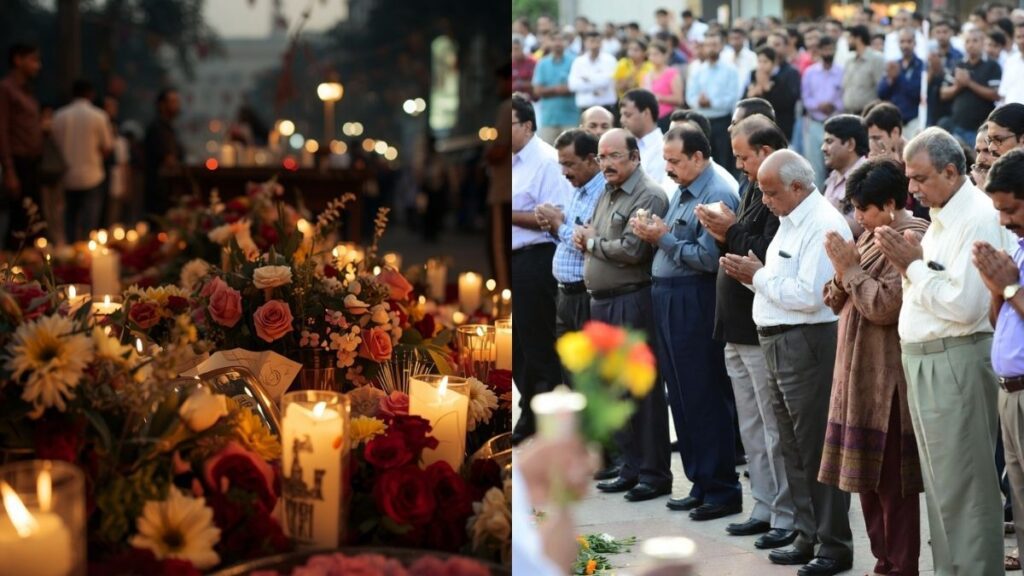
Throughout the day, citizens visited various attack sites such as:
- Chhatrapati Shivaji Maharaj Terminus (CSMT)
- Cama and Albless Hospital
- Nariman House (Jewish Centre)
- Leopold Café
- Taj Mahal Palace Hotel
- Oberoi Trident Hotel
These were among the key locations targeted by the 10 Lashkar-e-Taiba (LeT) terrorists who entered Mumbai via sea on the night of November 26, 2008.
Visitors also paid their respects at “Prerana Sthal”, the memorial dedicated to ASI Tukaram Omble, who heroically tackled terrorist Ajmal Kasab with only a lathi, sacrificing his life to ensure Kasab’s capture alive.
NSG Hosts “Neverever” Memorial at Gateway of India
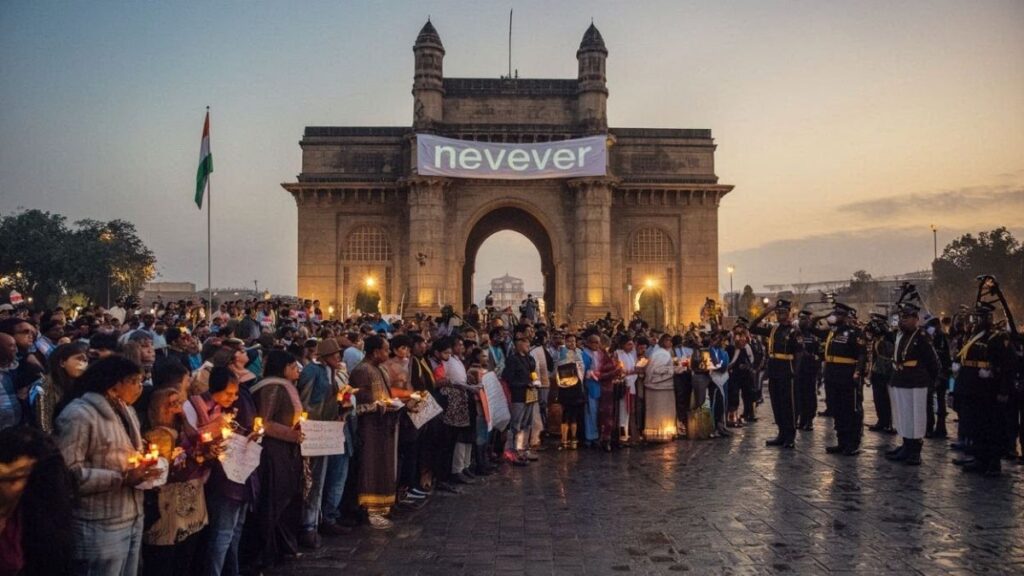
In the evening, the National Security Guard (NSG) organized a special commemorative event titled “Neverever” at the Gateway of India. Families of the victims, along with Mumbai residents, gathered to take a pledge against terrorism and honor the courage displayed by security forces during the attacks.
EAM S Jaishankar Reaffirms India’s Stand: “Zero Tolerance for Terror”
External Affairs Minister S Jaishankar marked the anniversary with a post on X (formerly Twitter), reiterating India’s uncompromising stance against terrorism.
“Zero tolerance for terror in all forms and manifestations. The world remembers the victims and heroes of 26/11. Reaffirm our resolve to bring all those involved to justice.”
His message reflected India’s ongoing efforts to hold accountable all individuals and entities responsible for the attacks.
A Look Back: 26/11 – The Night That Changed India Forever
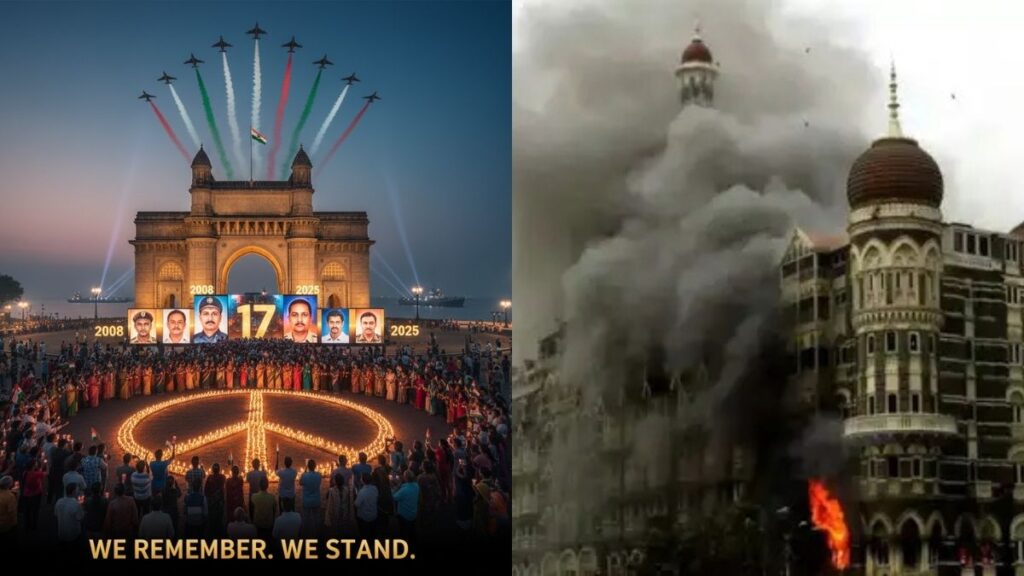
The 26/11 attacks, executed by Pakistan-based Lashkar-e-Taiba, remain one of the deadliest terror strikes in India’s history. The terrorists carried out coordinated assaults across multiple locations, choosing their targets after careful reconnaissance to inflict maximum casualties.
Major Sites Targeted During the Attacks:
- Taj Mahal Palace Hotel
- Oberoi Trident Hotel
- CSMT Railway Station
- Nariman House Jewish Centre
- Cama & Albless Hospital
- Leopold Café
- Metro Cinema vicinity
Over four days, Mumbai was left paralysed as commandos battled the heavily armed militants. Nine terrorists were killed, while the lone surviving gunman, Ajmal Kasab, was captured alive. Kasab was sentenced to death in 2010 and hanged in 2012 at Pune’s Yerwada Jail.
A City That Remembers, A Nation That Stands United
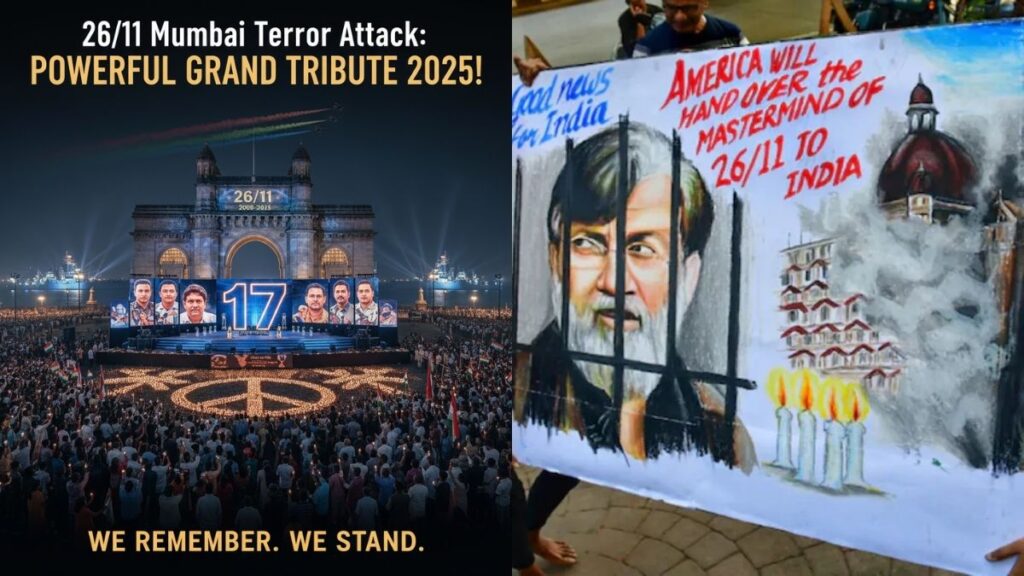
Even 17 years later, the scars of 26-11 remain etched in the hearts of Mumbaikars. Bullet marks at Leopold Café, the restored façade of the Taj, and memorials across South Mumbai serve as constant reminders of the sacrifice, resilience, and unity that emerged from one of the darkest chapters in India’s history.
As the nation pays tribute, the message remains clear:
India will never forget, and will never bow down to terror.
Note: All information and images used in this content are sourced from Google. They are used here for informational and illustrative purposes only.
Frequently Asked Questions (FAQ) About the 26-11 Mumbai Terror Attack Anniversary
1. What is the significance of the 26-11 Mumbai Terror Attack anniversary?
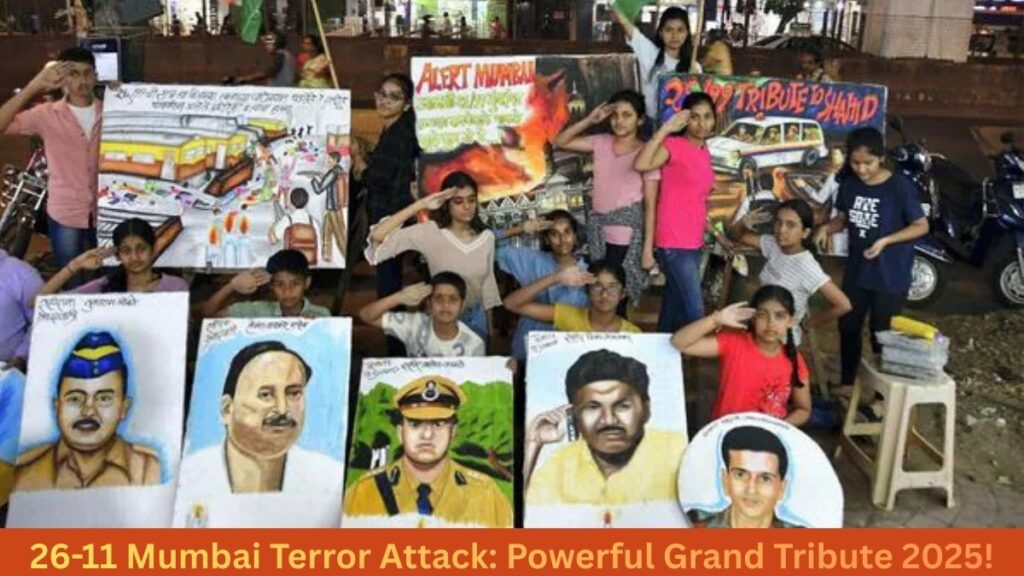
The 26-11 Mumbai Terror Attack anniversary marks a solemn national remembrance of the 166 lives lost and over 300 injured during the 2008 terror strikes. Every year, citizens and leaders come together to honor the bravery of the police, security forces, and civilians who showed immense courage during the four-day siege.
2. Who paid tributes on the 26-11 Mumbai Terror Attack anniversary in 2025?
On the 2025 anniversary of the 26-11 Mumbai Terror Attack, Maharashtra Chief Minister Devendra Fadnavis, Deputy CM Ajit Pawar, minister Ashish Shelar, DGP Rashmi Shukla, and Mumbai Police Commissioner Deven Bharti paid floral tributes at the Mumbai Police Headquarters. Families of the fallen heroes also joined the ceremony to honor their loved ones.
3. Which locations were visited for homage on the 26-11 Mumbai Terror Attack anniversary?
Several major attack sites were visited during the 26-11 Mumbai Terror Attack anniversary, including CSMT, Cama and Albless Hospital, Nariman House, Leopold Café, Taj Mahal Palace Hotel, and the Oberoi Trident. These locations were targeted by the 10 LeT terrorists who entered Mumbai by sea on the night of November 26, 2008.
4. Why is ASI Tukaram Omble remembered during the 26-11 Mumbai Terror Attack ceremonies?
ASI Tukaram Omble is honored every 26-11 Mumbai Terror Attack anniversary for his unmatched bravery. Armed only with a lathi, he confronted Ajmal Kasab and ensured the terrorist’s capture alive, sacrificing his own life in the process. His memorial at “Prerana Sthal” remains a powerful symbol of courage.
5. What was the NSG’s “Neverever” event held on the 26-11 Mumbai Terror Attack anniversary?
The NSG organized a commemorative “Neverever” memorial event on the 26-11 Mumbai Terror Attack anniversary at the Gateway of India. Families of victims, citizens of Mumbai, and security officials gathered to take a pledge against terrorism and honor the forces who fought during the attacks.
6. What message did EAM S Jaishankar share on the 26-11 Mumbai Terror Attack anniversary?
On the 26-11 Mumbai Terror Attack anniversary, External Affairs Minister S Jaishankar reaffirmed India’s firm stance of “zero tolerance for terror.” His message emphasized remembering the victims, saluting the brave responders, and ensuring justice for those involved in planning and executing the attacks.
7. Which locations were targeted during the 26-11 Mumbai Terror Attack?
The 26-11 Mumbai Terror Attack involved coordinated assaults on high-profile sites including the Taj Mahal Palace Hotel, Oberoi Trident, CSMT Railway Station, Nariman House Jewish Centre, Cama Hospital, Metro Cinema area, and Leopold Café. These locations were chosen to maximize impact and casualties.
8. How did the 26-11 Mumbai Terror Attack change India’s security measures?
The 26-11 Mumbai Terror Attack prompted significant reforms in India’s counter-terrorism infrastructure, including upgraded coastal security, strengthened intelligence sharing, and the expansion of specialized response units like the NSG and Quick Response Teams (QRTs), ensuring faster and more coordinated action.
9. What happened to the terrorists involved in the 26-11 Mumbai Terror Attack?
During the 26-11 Mumbai Terror Attack, nine of the ten terrorists were killed in action by security forces. The only survivor, Ajmal Kasab, was captured alive thanks to ASI Tukaram Omble’s bravery. Kasab was sentenced to death in 2010 and executed in 2012.
10. Why do people continue to remember the 26-11 Mumbai Terror Attack even after 17 years?
The 26-11 Mumbai Terror Attack remains etched in public memory due to the scale of destruction, the bravery of security personnel, and the resilience of Mumbai’s citizens. Memorials, bullet-marked sites, and restored landmarks continue to remind the nation of the sacrifices made and the unity shown during the tragedy.