
Operation Sindhu is more than just a rescue mission—it’s a powerful symbol of how India is stepping onto the global stage with confidence and purpose. In June 2025, while Indian aircraft brought thousands of citizens safely home from conflict zones, New Delhi was also making bold diplomatic moves across the world. From taking an uncompromising stand on terrorism at the SCO meeting to carefully rebuilding ties with Canada and strengthening its partnership with the United States, India showed a mix of strength, compassion, and strategy. These moments reveal a country that isn’t just reacting to global events—it’s actively shaping them with determination and vision. 🌍🇮🇳
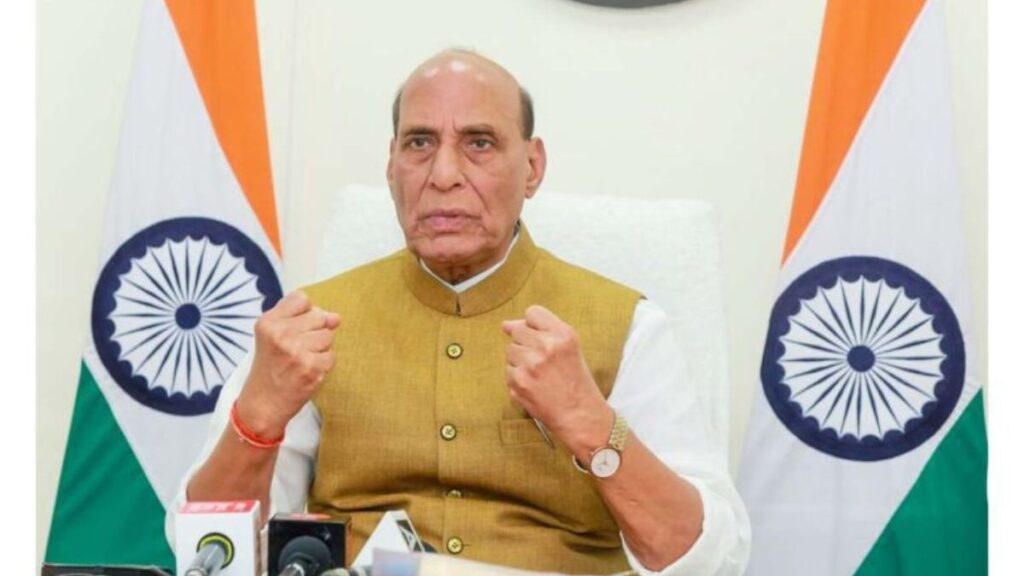
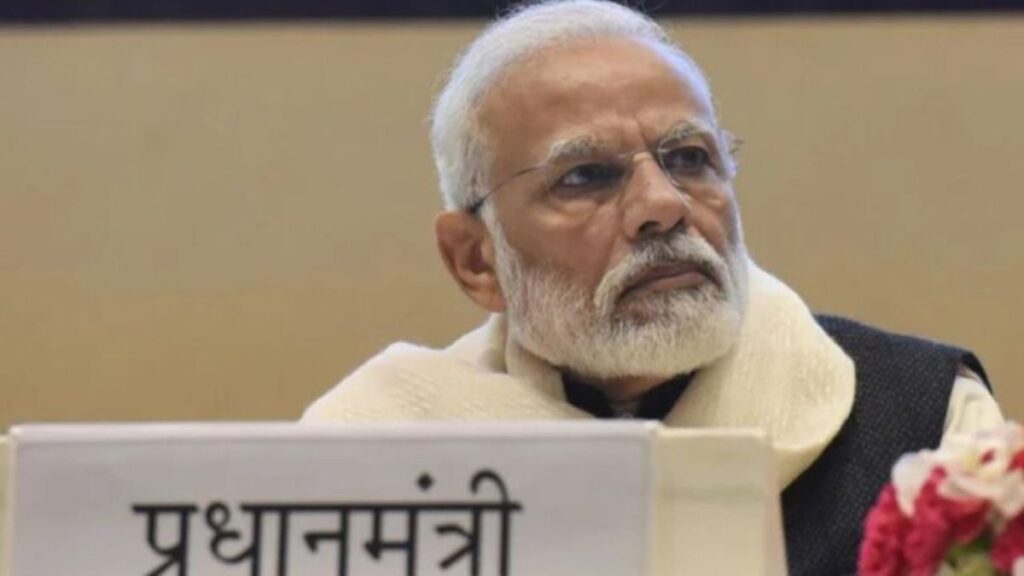
India flexing its muscles on the world stage: Takes a firm stance on terrorism at SCO, nails ‘Operation Sindhu,’ and shapes foreign policy with smart diplomacy in June 2025.
India is showing it’s becoming a major player globally with a confident foreign policy, as the External Affairs Ministry (MEA) pointed out in their weekly media briefing on June 26, 2025. From taking a tough line against terrorism at the SCO Defence Ministers’ meeting to the huge success of Operation Sindhu—a big rescue mission—India is balancing strength with smart diplomacy. Improving relations with Canada, working more closely with the United States, and reaching out to neighbors shows India is serious about regional stability and being a leader on the world stage.
Taking a Stand: India’s Strong Position on Terrorism Stops SCO Joint Statement
One of the big things from the briefing was that the SCO Defence Ministers’ meeting couldn’t agree on a joint statement. Mr. Jaiswal said that they couldn’t agree because India insisted that strong words against terrorism had to be included.
What caused the disagreement?

According to the MEA Spokesperson, although the meeting, where India’s Defence Minister Shri Rajnath Singh was present, was going well, there was a problem with the final statement. “India wanted the document to reflect concerns about terrorism, but one country didn’t agree, so the statement wasn’t approved,” Mr. Jaiswal explained.
This unwillingness to compromise shows what’s really important in India’s current foreign policy: fighting terrorism in every way. India won’t accept a statement on regional security that waters down the issue of terrorism. The spokesperson didn’t name the country that disagreed, but it seems like it was China, which has often protected Pakistan from criticism on this issue. By standing firm, India made it clear that protecting its own security is more important than agreeing with everyone else, especially when that agreement means ignoring terrorism.
Raksha Mantri Rajnath Singh Addresses the SCO
India is standing its ground
Mr. Jaiswal talked about Mr. Rajnath Singh’s main points at the two-day meeting. The Defence Minister called for everyone to work together against terrorism.
Here are some key points from his speech:
He urged all SCO members to “work together to fight terrorism in all its forms.”
He said that “those who commit, organize, fund, and support terrorism, including cross-border terrorism, must be held responsible and brought to justice.” He was clearly talking about countries that use terrorism as a “tool of policy.”
The Defence Minister said that there should be no double standards and that the SCO should be willing to criticize countries that support terrorists.
He urged all members to “work together to strengthen stability and security in our region.”
Failing to agree on a joint statement isn’t a bad thing for India; it shows that India is confident and willing to take charge on security issues, rather than just going along with everyone else.
‘Operation Sindhu’: A Success Story and Proof of India’s Dedication to Its People
The briefing spent a lot of time on ‘Operation Sindhu’, the big rescue mission that started on June 18th, 2025, to bring Indian citizens back from Iran and Israel where there was conflict. This operation shows that India is able and willing to protect its people.
The Impressive Size of the Rescue Mission
Mr. Jaiswal gave detailed numbers that show how complex and successful the mission was:
From Iran: 3,426 Indian citizens, 11 OCI cardholders, 9 Nepalese citizens, 4 Sri Lankan citizens, and one Iranian married to an Indian citizen were rescued on 15 special flights.
From Israel: 818 Indian citizens were flown home on four special flights.
These numbers show that India is committed to its own citizens and is also a responsible leader in South Asia, helping people from Nepal and Sri Lanka too.
Overcoming Challenges: Geopolitical and Logistical
Operation Sindhu wasn’t just a logistical achievement; it was also a diplomatic victory. Mr. Jaiswal talked about the complicated coordination needed to carry out the rescues in a dangerous situation.
Cooperation with Iran: “We asked them to open their airspace so we could rescue our citizens, and they did. We appreciate this special favor from the Iranian government,” the spokesperson said. This was essential for quick and direct evacuations.
Working with Multiple Countries: Because the airspace in Israel was closed, India worked with nearby countries to move Indian citizens across the border to Jordan and Egypt, from where they were flown back. Mr. Jaiswal thanked the governments of Israel, Jordan, and Egypt for their help.
A Flexible Approach: Evacuation flights left from different locations, including Mashhad in Iran, as well as Yerevan in Armenia and Ashgabat in Turkmenistan, showing a flexible and effective strategy.
The MEA said that the evacuation of everyone in Iran who wanted to return would be finished once the final flight from Armenia arrived. Mr. Jaiswal said, “We are watching the situation and will decide what to do next based on that.” This careful approach, along with India’s support for the recent ceasefire, shows a policy that is both proactive in times of crisis and realistic in its follow-up.
Repairing Relationships: India and Canada Trying to Get Back to Normal
Relations with Canada, which haven’t been great for a while, are starting to improve. The spokesperson said that there’s been good progress in discussions aimed at bringing stability back to the relationship.
A Step Forward: The G7 Meeting
This improvement started at the G7 summit in Kananaskis, Alberta, where Prime Minister Narendra Modi and Canadian Prime Minister Justin Carney met. Mr. Jaiswal mentioned the agreement they made, which included:
Reaffirming that India and Canada have important ties based on shared democratic values and respect for the rule of law.
Supporting the principles of sovereignty and territorial integrity.
Agreeing to take “measured and constructive steps to bring stability back to the relationship.”
One important step was the “early return of High Commissioners to each other’s capitals.” The spokesperson said that “both sides are working on this,” which means that they are actively trying to make this happen.
Addressing the Hardeep Singh Nijjar Case
When asked about the court case in Canada regarding the murder of Hardeep Singh Nijjar and whether it could affect this positive progress, Mr. Jaiswal took a careful approach. He said that the matter is currently in the legal system, adding, “It is a legal issue. As far as India-Canada relations are concerned… both sides stressed the need to pursue a constructive and balanced partnership.”
This response separates the legal proceedings from the broader goal of rebuilding the relationship. India’s focus, according to the MEA, is on the potential of the partnership, including cooperation in economic, trade, energy, mobility, and education.
‘The Most Important Partnership’: India-US Ties Strong as Ever
The briefing also emphasized the strength of the India-US relationship, addressing questions about visa issues and regional developments.
Navigating Visa Rules and Travel Advice
Regarding the new US visa rules requiring social media information, the spokesperson restated an important principle: “all visa applications from Indian citizens should be treated fairly.” While acknowledging that visa and immigration are controlled by each country, he confirmed that India is talking to the US about these issues to protect the interests of its citizens.
Mr. Jaiswal clarified that the US travel advisory for India hasn’t changed, remaining at level 2, which has been the same for several years, so the recent update was normal and not a downgrade.
A Strong Partnership
When asked about a Pakistani military official visiting the White House, the spokesperson responded confidently, highlighting the strong ties between India and the US. “Our partnership with the United States is broad, based on shared democratic values and growing strategic agreement,” he said.
He described the partnership between the two countries as one that “continues to receive high-level attention” and is seen in cooperation across important areas. He concluded by saying, “We are confident in the future of this important partnership.” This statement positions India as a reliable partner to the US, not worried about Washington’s relationships with other countries in the region.
Managing Regional Relationships: Working with China, Bangladesh, and Neighbors
The briefing gave important information about how India manages its relationships with its neighbors, especially China and Bangladesh.
Economic Cooperation with China
Mr. Jaiswal said that India is actively working with China to fix supply chain problems. When asked about the shortage of chemicals used in fertilizer production, he said, “We are talking to the Chinese about several economic and trade issues.” Specifically, they are discussing the supply of rare earth elements in both New Delhi and Beijing to “fix the supply chain issue.” This shows a practical approach focused on meeting India’s economic needs.
Fairness and Reciprocity with Bangladesh
Several questions focused on relations with Bangladesh, including trade, water sharing, and the safety of the Hindu community.
Trade Changes: The spokesperson explained that India’s actions were in response to long-standing issues and were “based on Bangladesh’s own desire for fairness, equal treatment, and reciprocity.”
Ganges Water Treaty: With the treaty expiring in 2026, Mr. Jaiswal said that India is ready to discuss all issues with Bangladesh through existing groups like the Joint Rivers Commission.
Security of Minorities: The MEA expressed concern over the demolition of a Durga temple in Khilkhet, Dhaka. “We are disappointed that such incidents continue to happen in Bangladesh,” he said, adding, “The interim government of Bangladesh is responsible for protecting Hindus, their property, and religious institutions.” This strong statement shows India’s commitment to the well-being of minorities in its neighborhood.
Balancing Positions in BRICS and SCO
India’s different approaches to statements from BRICS and the SCO show a careful aspect of its diplomacy. India signed a BRICS statement that expressed “concern” over the strikes on Iran but didn’t support the SCO statement. The spokesperson explained that India has consistently called for de-escalation and dialogue. The difference is that India’s refusal at the SCO was because its concerns about terrorism, whereas the BRICS statement was a more general concern that members agreed on. This shows that India’s approach to these groups is based on its own interests.
Key Points – June 2025

Firm Stance on Terrorism at SCO
Aspect: Details: Events
Key Event: MEA Weekly Briefing – June 26, 2025: India MEA briefing June 2025
SCO Summit Outcome: India blocked joint statement over soft language on terrorism: India SCO 2025, India stance on terrorism at SCO
Primary Reason for Disagreement: India’s insistence on strong anti-terror language; likely opposition from China: India China SCO rift, cross-border terrorism policy
Raksha Mantri’s SCO Address: Called for unity against terrorism, end to double standards: Rajnath Singh SCO speech 2025, India counterterrorism diplomacy
Operation Sindhu: Evacuation of 3,426 Indians from Iran, 818 from Israel; included OCI cardholders, Nepalese, Sri Lankans: Operation Sindhu India evacuation 2025, India rescue mission Iran
Logistics & Diplomacy: Airspace opened by Iran; evacuations via Jordan, Egypt, Armenia: India Iran coordination, India Israel conflict evacuation
India–Canada Relations: Renewed diplomatic dialogue post G7; working on return of High Commissioners: India Canada diplomatic reset 2025, PM Modi Justin Carney meeting
Nijjar Case Response: Legal matter; India focused on broader partnership: India Canada Nijjar case update, India Canada legal diplomacy
India–US Relations: Visa rules update discussed; no change in US travel advisory level for India: India US visa news 2025, India US travel advisory June 2025
Pakistan-US Engagement: India confident in its partnership with the US: India Pakistan US triangle, India US strategic partnership 2025
India–China Trade Talks: Supply chain discussions ongoing: India China trade relations 2025, rare earth elements supply India
India–Bangladesh Issues: Trade imbalance, Ganges treaty extension, Durga temple demolition raised; demand for minority protection: India Bangladesh border issues, India Bangladesh minority rights
Multilateral Diplomacy Strategy: Differentiated stances at BRICS and SCO; consistent on anti-terrorism: India BRICS SCO 2025 position, India multilateral diplomacy stance
Upcoming Global Engagement: Prime Minister Modi to attend BRICS Summit in Brazil: BRICS Summit Brazil 2025, Modi global diplomacy schedule
Overarching Message: India’s foreign policy is principled, strong on terrorism, and puts citizen safety first: India foreign policy 2025 summary
Conclusion: India’s Confident Diplomacy
The MEA briefing from June 26, 2025, shows a country that knows what it wants and believes in its abilities. From the success of Operation Sindhu to its firm stance at the SCO, and from improving ties with Canada to strengthening its partnership with the United States, India’s foreign policy is a mix of strength, compassion, and smart thinking.
Its relationships with China and Bangladesh show a policy that is practical on economic matters but sticks to its principles on national security. As India prepares for visits, including the Prime Minister’s trip to Brazil for the BRICS summit, the world is watching a country that is not just part of global affairs but is actively shaping them.
Frequently Asked Questions (FAQs)
Q1. Why did India block the SCO joint statement in June 2025?
Answer:
India blocked the SCO joint statement because it didn’t have strong enough language against terrorism, insisting that cross-border terrorism be mentioned. This reflects India’s strong foreign policy on national security.
Q2. What is Operation Sindhu and why is it so important?
Answer:
Operation Sindhu was a big rescue mission started by India in June 2025 to save Indian citizens and others from war zones in Iran and Israel. The mission saved over 4,200 people, showing India’s strength and diplomatic skills.
Q3. How did India get international support for Operation Sindhu?
Answer:
India got diplomatic support from countries like Iran (for airspace), Israel, Jordan, and Egypt for safe routes. Special flights from Mashhad, Yerevan, and Ashgabat were used to efficiently bring people home.
Q4. What’s new in India-Canada relations as of June 2025?
Answer:
India and Canada are working to improve their relationship after a meeting between PM Narendra Modi and Canadian PM Justin Carney at the G7 Summit. They plan to bring back High Commissioners and are committed to working together.
Q5. What is India saying about the Hardeep Singh Nijjar case in Canada?
Answer:
India has said that the Nijjar case is a legal matter in Canada and shouldn’t affect the broader relationship, which is being rebuilt on trust and shared values.
Q6. Has the US travel advisory for India changed in 2025?
Answer:
No, the US travel advisory for India is still at Level 2. The update was normal and doesn’t mean that security has gotten worse. India is still talking to the US about visa and travel issues for Indian citizens.
Q7. What’s India’s view on the BRICS vs SCO joint statements?
Answer:
India supported the BRICS statement on the situation in Iran but didn’t support the SCO statement because it didn’t mention terrorism enough. This shows that India supports these groups only when they align with its own interests.
Q8. How is India dealing with trade issues with China in 2025?
Answer:
India is talking to China about fixing supply chain problems, especially for important chemicals and rare earth materials. These discussions are happening in both New Delhi and Beijing, showing India’s calm approach to economic issues.
Q9. What’s India’s position on minority rights in Bangladesh?
Answer:
India is concerned about the attacks on Hindu minorities in Bangladesh, including the temple demolition in Dhaka. The MEA has urged the Bangladeshi government to protect minorities.
Q10. What were the main points of Rajnath Singh’s speech at the SCO Defence Ministers’ Meeting?
Answer:
Mr. Rajnath Singh called for everyone to fight terrorism, hold state sponsors of terror accountable, and stop using double standards within the SCO. His speech talked about India’s vision for peace and security in the region.