
Summary
Introduction to A Journey That Begins with The Taj Story
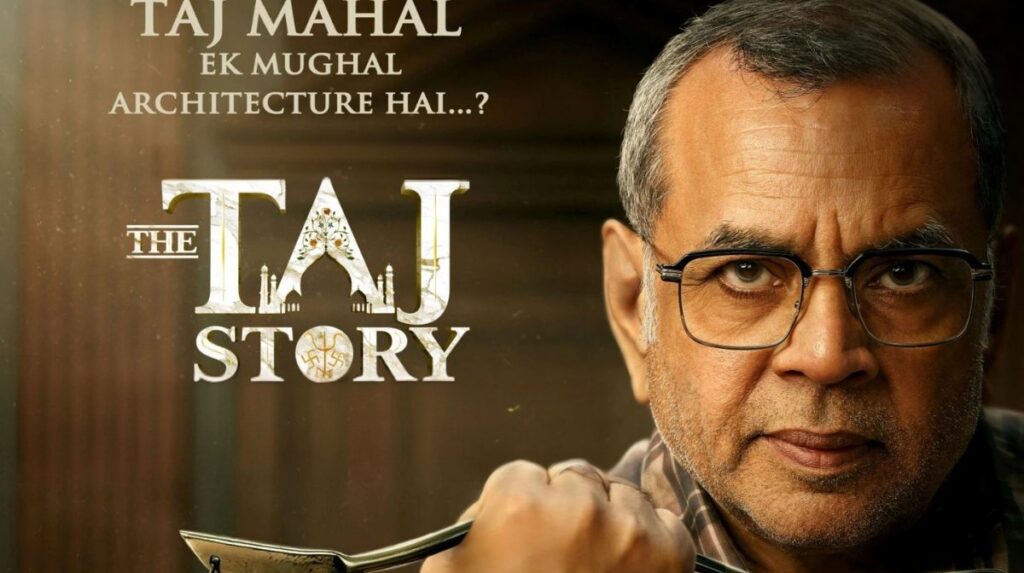
Which temple are you headed to, uncle?
Taj Mahal. The magnificent marvel of Mughal architecture — a wonder whose beauty enchants everyone.
But was the Taj Mahal really built by Shah Jahan?
Have you ever seen a mausoleum anywhere in the world that has a dome topped with a Kalash?
Let’s have a DNA test of the Taj Mahal!
When Vishnudas announces he’s filing a case against Shah Jahan, the shock begins.
“Our community has the rightful claim to the Taj Mahal,” he says.
The Taj Mahal guide himself sues the monument — and that’s where the mystery starts.
The Core Question: Was the Taj Mahal Ever a Temple?
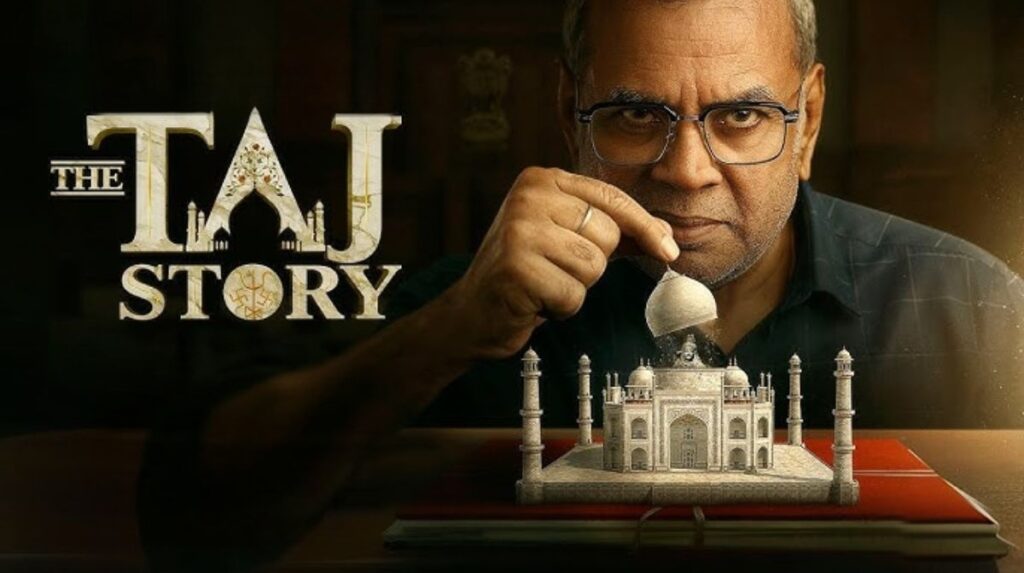
In a powerful courtroom scene, Vishnudas declares,
“My Lord, for me, the Taj Mahal is no less sacred than any temple.”
This sparks the central debate — was Shah Jahan confused?
Was he building a tomb or restoring an ancient temple?
The film dares to ask the question many have whispered for centuries.
A Truth That Could Shake Beliefs
Just imagine — if a hidden truth suddenly came to light, what would happen?
Beliefs would tremble, history would rewrite itself, and the world would talk.
That’s the premise of The Taj Story, Paresh Rawal’s most-awaited film, releasing soon.
Paresh Rawal Returns With Another Bold Performance
After Oh My God, where he sued God himself, Paresh Rawal once again brings a thought-provoking story that challenges tradition.
He plays a historian who claims — through an ancient document — that the Taj Mahal was once a Hindu temple.
His performance is subtle yet powerful, filled with expressions that speak louder than words.
The Clash Between Faith and Facts
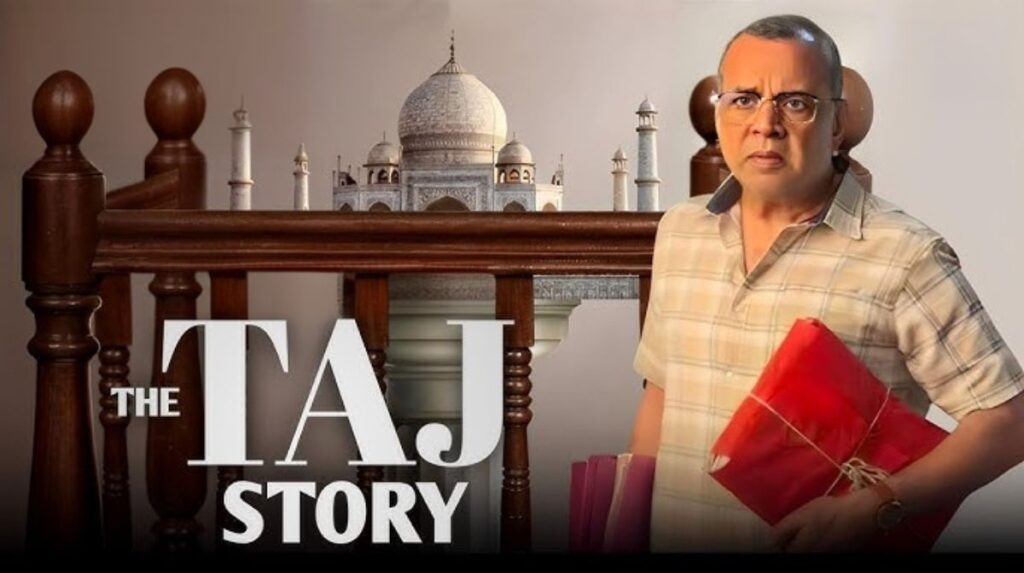
The film beautifully portrays the eternal conflict between logic and belief.
On one side stands evidence; on the other, centuries of devotion.
As soon as the trailer was released, audiences were divided — some praised it as courageous, others called it controversial.
But everyone agreed — The Taj Story had awakened curiosity.
A Dialogue That Shook the Nation
Paresh Rawal’s viral line from the trailer became a national talking point:
“The truth cannot be hidden forever.”
This dialogue alone lit a fire of debate across the country.
Social Media Storm and Rising Anticipation
Social media is buzzing. Hashtags like #TheTajStory and #PareshRawal are trending.
People are waiting eagerly to uncover what truth the film dares to reveal.
Just two days before release, excitement and tension both reach their peak.
The Secret Diary and the Hidden Truth
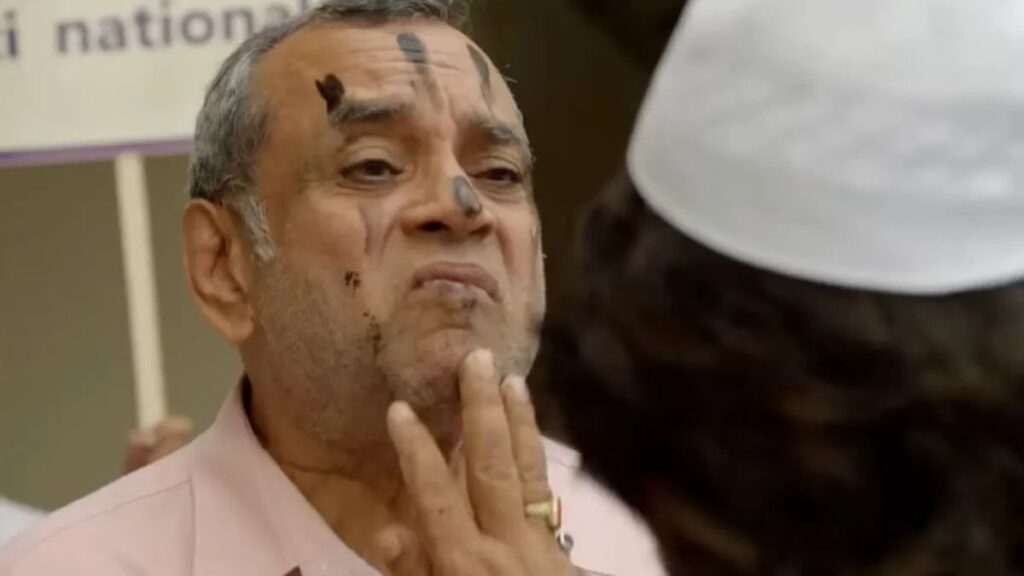
Midway through the movie, a shocking twist changes everything.
A centuries-old diary is discovered, claiming that before the Taj Mahal, there stood a grand Hindu temple.
Paresh Rawal’s character presents it as proof, but the system tries to silence him.
His battle becomes not only for truth but for freedom of expression.
Dialogues That Feel Real and Powerful
The film’s dialogues resonate deeply.
In one scene, Rawal says:
“To hide the truth, they first make it a joke.”
This single line has gone viral, striking a chord with audiences.
The Boldest Film of 2025
Critics are calling The Taj Story one of the most daring films of 2025 — a movie that questions not just history, but belief itself.
Viewers are preparing for a journey where they must decide:
Will they stand with truth or tradition?
An Unpredictable and Emotional Climax
The climax leaves everyone speechless.
Rawal’s character says:
“Even if I have the truth, I cannot impose it on others.
Truth is only truth when it is accepted by the heart.”
The entire theater falls silent.
Beyond Controversy: A Message of Balance
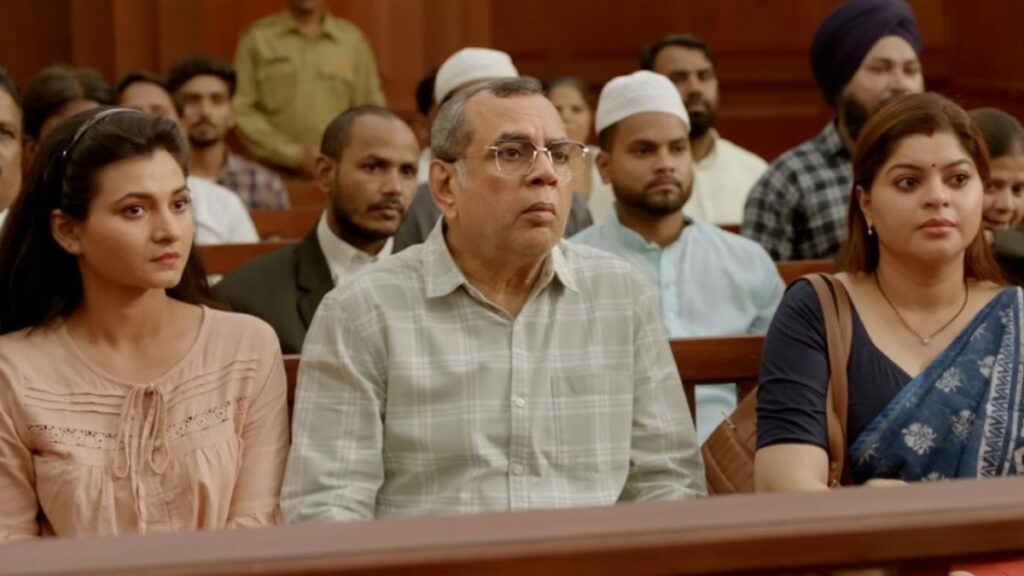
Despite debates and protests, the movie delivers a profound message — truth and faith must coexist.
Paresh Rawal embodies this balance perfectly, both emotionally and intellectually.
The Aftermath: A New Way to See History
After its release, discussions deepened.
Some historians supported the premise; others criticized it.
Yet everyone agreed — The Taj Story gives a new perspective on Indian history and identity.
A Monument of Emotions
As the film concludes, Paresh Rawal’s dialogue touches every heart:
“Remember — the Taj is not just made of marble; it’s built from the emotions of those who burned in love.”
In the end, The Taj Story reminds us that both truth and love have their own timeless tales —
Some written in pain, others in sacrifice, but always eternal.
Behind every monument lies a feeling, and to understand it, you need not only eyes but a heart.
Note: All information and images used in this content are sourced from Google. They are used here for informational and illustrative purposes only.
FAQs About The Taj Story — Paresh Rawal’s Bold Historical Drama
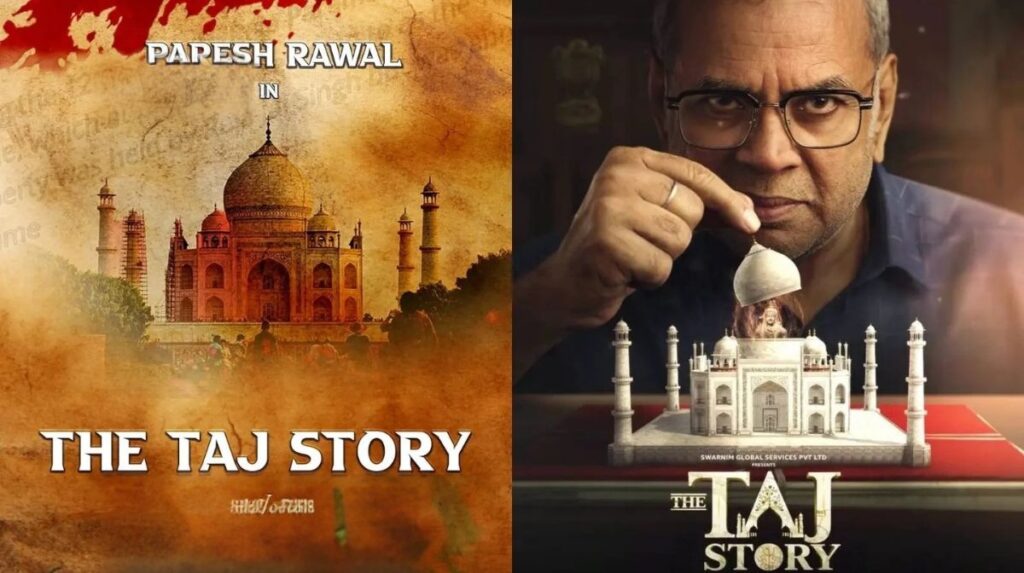
1. What is The Taj Story and why is it creating such a buzz?
The Taj Story is Paresh Rawal’s upcoming historical drama that questions long-held beliefs about the Taj Mahal. It explores the mystery behind whether the monument was originally a Hindu temple, blending fact, faith, and fiction into a gripping narrative that’s sparking national debate.
2. What is the central theme of The Taj Story?
The main theme of The Taj Story revolves around the clash between truth and belief, faith and facts. It challenges viewers to think — was the Taj Mahal really built by Shah Jahan, or is there a hidden truth buried beneath history?
3. Who plays the lead role in The Taj Story and what makes his performance special?
Veteran actor Paresh Rawal leads The Taj Story, portraying a historian who dares to reveal the truth about the Taj Mahal’s origins. His powerful yet restrained performance, filled with deep expressions and thought-provoking dialogue, adds authenticity and intensity to the film.
4. How does The Taj Story compare to Paresh Rawal’s earlier film Oh My God?
Just as Oh My God questioned blind faith and religious dogma, The Taj Story questions historical narratives and belief systems. Both films share one thing — the courage to spark national conversation and make audiences think beyond convention.
5. What makes The Taj Story one of the most anticipated films of 2025?
The Taj Story stands out for its bold storyline, powerful dialogues, and unflinching social commentary. Its mix of mystery, emotion, and historical inquiry makes it one of 2025’s most awaited and talked-about films.
6. What is the meaning behind Paresh Rawal’s viral dialogue from The Taj Story?
The dialogue — “The truth cannot be hidden forever” — encapsulates the film’s core message. It reflects the idea that no matter how deeply history tries to conceal reality, truth always finds a way to rise.
7. Does The Taj Story reveal a hidden truth about the Taj Mahal?
In The Taj Story, a centuries-old diary surfaces, claiming that a temple once stood where the Taj Mahal now stands. Whether this revelation is a historical fact or artistic fiction is left to the audience’s interpretation, making it all the more compelling.
8. How has social media reacted to The Taj Story trailer?
Since the trailer’s release, social media has exploded with reactions. Hashtags like #TheTajStory and #PareshRawal are trending, with viewers praising its courage and curiosity. Some call it controversial, while others hail it as revolutionary cinema.
9. Why is The Taj Story being called a film that redefines Indian cinema?
Because it dares to blend history, faith, and courage in a way rarely seen before. The Taj Story isn’t just entertainment — it’s a cinematic experience that challenges perspectives and encourages dialogue about India’s cultural identity.
10. What message does The Taj Story leave for its audience?
The film ends with a profound message: truth and faith can coexist. Paresh Rawal’s final dialogue reminds viewers that the Taj Mahal is not just marble and stone — it’s made from emotions, sacrifice, and timeless love.
11. Will The Taj Story spark controversy like Oh My God did?
While The Taj Story touches on sensitive subjects, it promotes open-mindedness rather than confrontation. Its balanced storytelling invites discussion, not division — a hallmark of mature, thought-provoking cinema.
12. What makes The Taj Story an emotional and intellectual journey?
Beyond its historical premise, The Taj Story takes audiences on an emotional quest — where truth, love, and belief intertwine. It’s not just about monuments or religion, but about humanity’s eternal search for meaning.