Summary
Introduction of Tariff Twist:
President Trump said something pretty surprising. The USA wants to help China, not hurt it!!! This comes as a shock, since he also threatened to slap a 100% tariff on Chinese goods starting November 1 because China is putting tighter controls on rare earth exports. Let’s break down what’s going on with this whole situation – the rare earths fight, the tariffs, what it all means for the market, and if there’s any chance they can work things out.
Rare Earths: Why They’re a Big Deal
Rare earth elements are super important for making all sorts of modern stuff – electric cars, smartphones, renewable energy stuff, and even military equipment. Right now, China is the big player; they make and refine most of the world’s rare earths.
Back in early October, China said it was going to limit exports even further by adding five more elements (holmium, erbium, thulium, europium, and ytterbium) and require licenses for related tech. When people complained, the Chinese government said it’s only targeting sensitive stuff or things that can be used for both civilian and military purposes, not an all-out ban. They said regular civilian uses that follow the rules would still be okay.
China thinks the U.S. is being unfair with these higher tariffs. They said it would really hurt China’s interests and mess up the mood for trade talks.
Trump’s Tariff Threat and Change of Heart
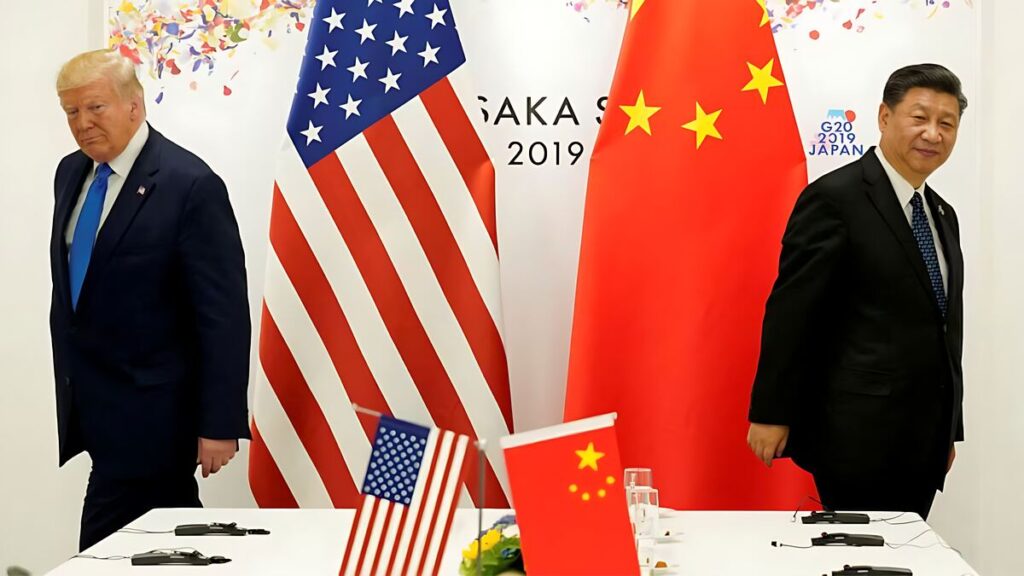
On Friday, Trump got mad about China’s limits and threatened a 100% tariff on all Chinese exports to the U.S. starting November 1. He also mentioned new export controls on important software.
The market freaked out. U.S. stock indexes dropped because people were worried the trade war was going to get even worse.
But then, two days later, Trump seemed to change his tune. In a post, he said Washington wants to help China, not hurt it, and that President Xi doesn’t want Depression for his country. He said the tariff threat was because China was being way too aggressive with its export limits.
This back-and-forth shows he’s trying to look tough but still leave room to talk.
China’s Response
China’s government said the tariff increase was typical double standards. They pointed out that the U.S. has been doing a bunch of things that they see as trying to provoke them, like blacklisting Chinese companies and adding new port fees.
But China didn’t immediately hit back with its tariffs. Instead, they said they still don’t want a tariff war but would take action if they had to.
China also said its export controls are about national security, not a complete ban, and promised licenses for regular civilian trade.
Some people think China’s holding back because they want to avoid a big fight before Trump and Xi possibly meet at an upcoming meeting.
What This Means for the World
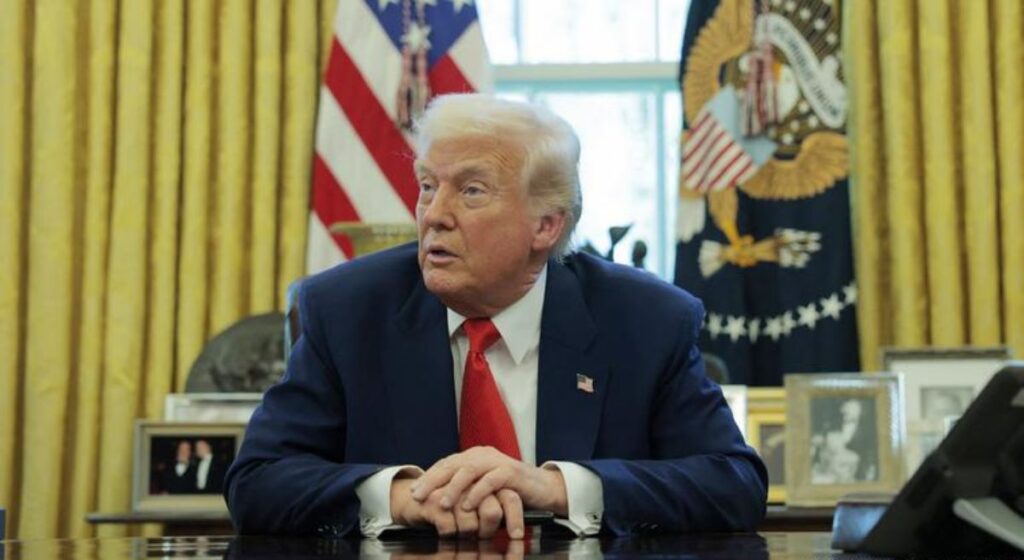
This fight over rare earths could have a lot of fallout:
- Supply chain problems: Industries that need these materials might have trouble getting them.
- Export control problems: U.S. limits on software and tech could make things more expensive for Chinese companies.
- Stockpiling: The U.S. military is getting more of these minerals to rely less on China.
- Changing alliances: Countries and companies might look for rare earth sources outside of China.
- Market craziness: Stocks, especially in tech and resources, might go up and down a lot based on what happens between the U.S. and China.
What’s Next: Talking or Fighting?
Both sides are talking tough, but the real question is whether they can work things out. Trump’s saying he wants to help while threatening tariffs could mean there’s a chance for a deal.
If China loosens its export limits or makes it easier to get licenses for civilian exports, that could help calm things down. The U.S. could back off the tariffs if they get more access to rare earth materials.
A good agreement could help everyone by keeping global trade stable, calming the markets, and making supply chains more reliable. Maybe help, not hurt can be more than just a tweet.
Detailed Summary of Trump’s 100% Tariff Twist:
| Section | Description |
|---|---|
| Tariff Twist Introduction | Tariff Twist begins with Trump’s surprising statement that the U.S. wants to help China, not hurt it, even as he threatens a 100% tariff on Chinese goods starting November 1. |
| Tariff Twist Shock Factor | Tariff Twist stuns global observers because it contrasts Trump’s tough trade rhetoric with an unexpected tone of cooperation toward China. |
| Tariff Twist Rare Earth Focus | Tariff Twist centers on China’s control of rare earth elements—critical for smartphones, electric vehicles, renewable energy, and defense systems. |
| Tariff Twist China’s Export Limits | Tariff Twist intensifies as China restricts exports of five additional rare earth elements, citing dual-use technology concerns tied to national security. |
| Tariff Twist U.S. Reaction | Tariff Twist triggers a heated response from Washington, with Trump viewing China’s export curbs as an aggressive move that demands a strong countermeasure. |
| Tariff Twist 100% Tariff Threat | Tariff Twist escalates dramatically when Trump threatens a 100% tariff on all Chinese imports, sending shockwaves through financial markets and trade sectors. |
| Tariff Twist Market Impact | Tariff Twist rattles Wall Street as U.S. stocks fall sharply amid fears of a renewed trade war and disruptions in tech and manufacturing supply chains. |
| Tariff Twist Trump’s Reversal | Tariff Twist takes a surprising turn as Trump later claims the U.S. wants to “help China,” signaling possible openness to dialogue despite earlier threats. |
| Tariff Twist Strategic Messaging | Tariff Twist reflects a balancing act—Trump aims to appear firm for domestic audiences while leaving diplomatic space for negotiation with President Xi. |
| Tariff Twist China’s Diplomatic Stance | Tariff Twist meets a cautious Chinese response; Beijing labels U.S. actions as double standards but avoids immediate retaliation to maintain stability. |
| Tariff Twist Beijing’s Justification | Tariff Twist deepens as China defends its export curbs as legitimate measures for national security and sustainable resource management, not retaliation. |
| Tariff Twist Global Repercussions | Tariff Twist reverberates worldwide, threatening supply chain disruptions, higher production costs, and volatility in resource and tech markets. |
| Tariff Twist Supply Chain Shifts | Tariff Twist prompts the U.S. and allies to seek new rare earth sources outside China, encouraging investment in alternative mining and refining hubs. |
| Tariff Twist Military and Tech Concerns | Tariff Twist reinforces U.S. defense priorities as the military begins stockpiling rare earths to reduce dependency on Chinese suppliers. |
| Tariff Twist Investor Anxiety | Tariff Twist keeps global investors on edge, with unpredictable policy swings affecting commodities, tech stocks, and market confidence. |
| Tariff Twist Diplomatic Openings | Tariff Twist leaves room for compromise—analysts believe both nations may de-escalate tensions through targeted trade talks before November 1. |
| Tariff Twist Future Scenarios | Tariff Twist presents two outcomes: escalation into a full trade conflict or a negotiated deal restoring stability and cooperation in global trade. |
| Tariff Twist Economic Stakes | Tariff Twist underscores the mutual economic risks—both the U.S. and China need to maintain growth, supply reliability, and investor trust. |
| Tariff Twist Policy Paradox | Tariff Twist reveals Trump’s paradoxical stance: using tariffs as leverage for fairness while expressing goodwill toward China’s leadership. |
| Tariff Twist Positive Outlook | Tariff Twist ultimately hints at hope—if both sides choose dialogue over confrontation, trade stability and global confidence can be restored. |
Note: All information and images used in this content are sourced from Google. They are used here for informational and illustrative purposes only.
FAQs on Trump’s “US Wants To Help China, Not Hurt It” Remark
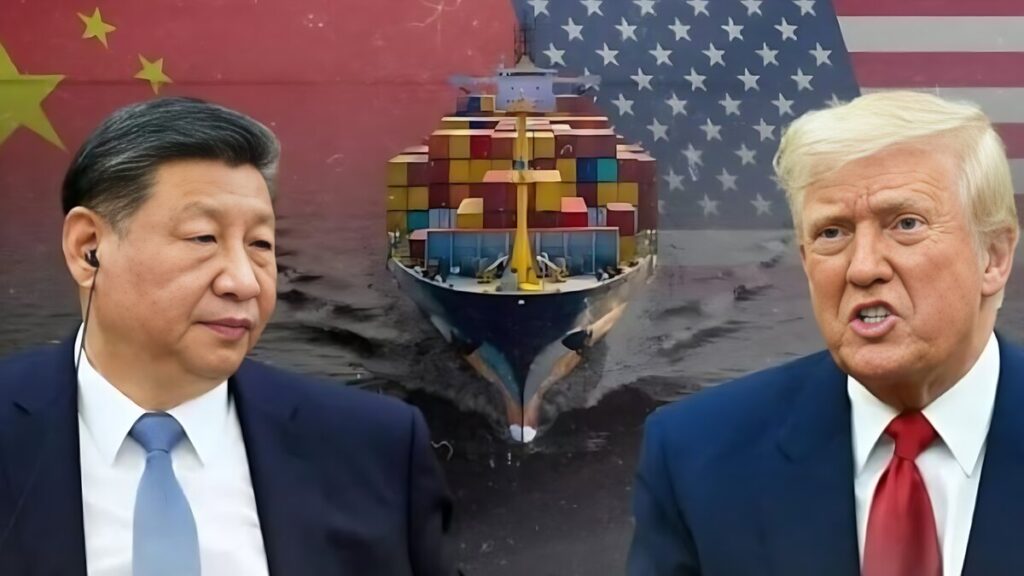
What did Donald Trump mean by saying the US wants to help China, not hurt it?
Donald Trump explained that despite his 100% tariff threat, the United States seeks to create fair trade conditions, not cripple China’s economy. He said the US aims to support China’s stability while protecting American manufacturers.
What triggered Trump’s new 100% tariff announcement against China?
The 100% tariff proposal came after Trump accused Beijing of imposing “extraordinarily aggressive” export curbs on rare earths. He believes this 100% tariff will counter China’s dominance in critical minerals and restore balance in trade relations.
Why are rare earths so central to Trump’s 100% tariff plan?
Rare earths are vital for producing smartphones, EVs, and defense technology. Since China controls most of the supply, Trump’s 100% tariff move aims to pressure Beijing into easing its export restrictions and opening fairer trade channels.
What impact did Trump’s 100% tariff threat have on the US stock market?
Trump’s 100% tariff declaration caused Wall Street to fall sharply as investors feared a renewed US-China trade war. Market analysts warned that the 100% tariff could lead to short-term volatility but might strengthen US bargaining power long-term.
What was China’s reaction to Trump’s 100% tariff statement?
China’s Ministry of Commerce condemned the 100% tariff proposal as a “typical double standard.” Beijing argued that Washington was escalating tensions unnecessarily and said the 100% tariff contradicts Trump’s claim of wanting to “help China, not hurt it.”
What tariffs currently exist between the US and China?
At present, Chinese goods face around 30% US tariffs, while China has 10% retaliatory tariffs on American products. Trump’s proposed 100% tariff would represent a massive escalation in economic measures if implemented on November 1.
What did Trump say about his relationship with President Xi Jinping after the 100% tariff threat?
Trump praised Xi as a “respected President” and noted that both nations wish to avoid depression. He insisted that the 100% tariff is not about hostility but about encouraging fair and reciprocal trade practices between the two economies.
When will the new 100% tariff take effect if enforced?
The 100% tariff is scheduled to begin on November 1, unless diplomatic negotiations or economic concessions from Beijing lead to a delay. This 100% tariff timeline keeps global markets on high alert for policy updates.
How did China justify its rare-earth export curbs amid the 100% tariff threat?
Beijing defended its export curbs, claiming they protect national security and sustainable resource management. China said the 100% tariff response from Washington was excessive and politically motivated rather than economically necessary.
How could Trump’s 100% tariff impact global technology and manufacturing sectors?
If the 100% tariff is imposed, industries relying on Chinese rare earths—like tech, EVs, and defense—could face higher costs and supply shortages. Economists believe the 100% tariff could also accelerate global efforts to diversify supply chains beyond China.