
Summary
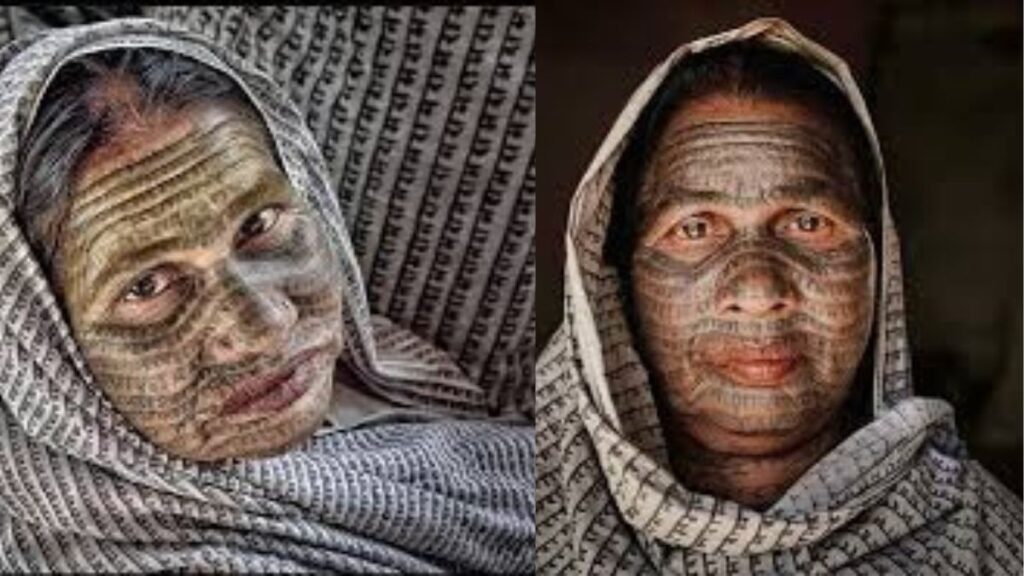
The Ramnami Tribe, also known as the Ramnami Samaj, is one of India’s most unique and spiritually driven communities. Famous for tattooing the sacred name “Ram” on their entire bodies—including in some cases eyelids—the Ramnamis represent an extraordinary story of devotion, resilience, and peaceful defiance against caste discrimination.
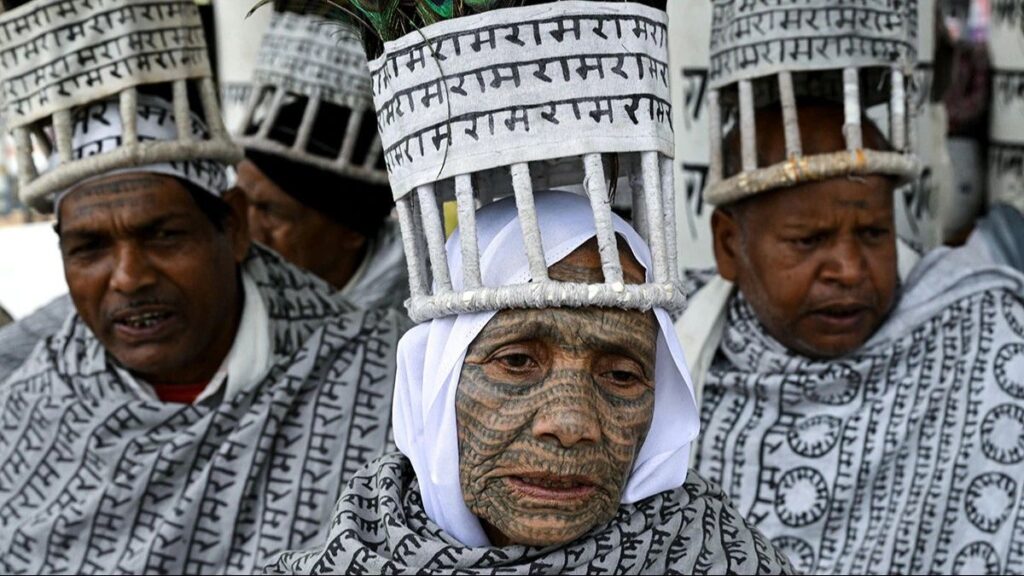
Their culture, lifestyle, and faith practices offer an unforgettable glimpse into a sacred world that stands apart from modern India—yet continues to survive through grace, simplicity, and unshakeable belief.
Ramnami Tribe Latest News
Recently, two members of the Ramnami community became emotional when the Prime Minister broke security protocol and allowed them to place the tribe’s traditional peacock-feather crown (mukut) on him.
This gesture deeply touched the community and brought renewed national attention to the Ramnamis.
Who Are the Ramnami Tribe?
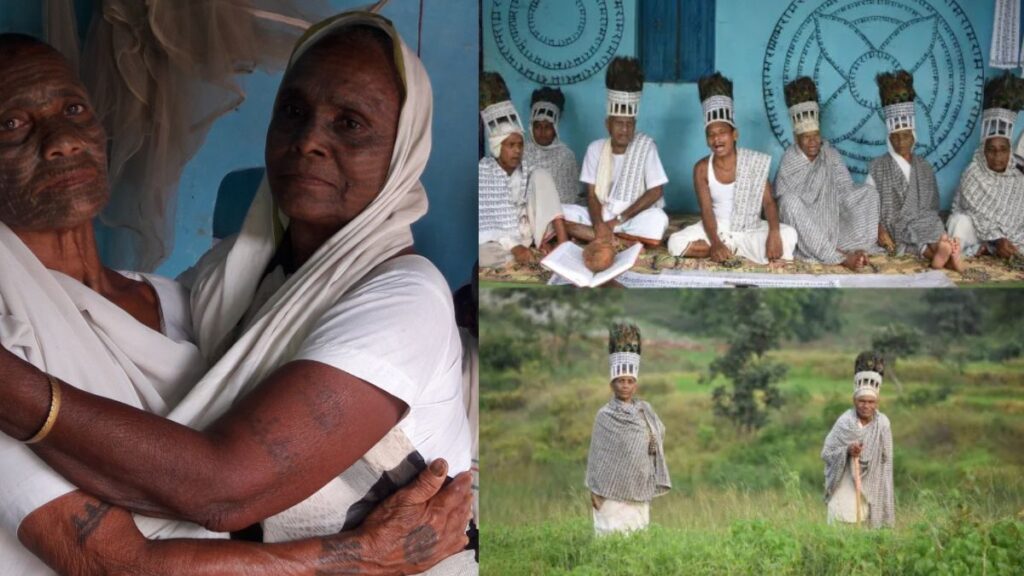
Originating in Chhattisgarh, the Ramnami Tribe emerged in the late 19th century as a peaceful movement against the caste system. Denied entry into temples, they declared their bodies as temples of Ram and tattooed themselves with the divine name.
Key Highlights
- Tribe from: Central & Northern Chhattisgarh, India
- Belief: Worship of Nirgun Ram (formless God)
- Symbol of faith: Tattooing ‘Ram-Ram’ (गोंदना / Godna) all over the body
- Lifestyle: Simple, minimalistic, spiritual, community-driven
- Signature clothing: White garments stamped with Ram-Ram
- Music tradition: Ghungroos used as the only instrument during bhajans
- Famous festival: Bada Bhajan Mela, held in a different village every year
At their peak, the Ramnamis numbered over 6 lakh members. Today, their population has fallen drastically, with estimates ranging between 20,000 and 1 lakh.
Origin of the Ramnami Movement
According to legend, the movement began with Parsuram Bhardwaj, a low-caste sharecropper’s son. A devoted reader of the Ramayana, he reportedly developed leprosy and retreated from society.
A wandering sage blessed him, instructing him to continue reading Ramayana. The next morning, his body was miraculously healed—and the words “Ram-Ram” appeared tattooed on his chest.
This event transformed him into a spiritual figure. Villagers began following his teachings, and by the end of the year, several people had tattooed Ram’s name as a symbol of liberation and equality.
The Landmark 1910 Court Victory
In 1910, upper-caste groups filed a case against the Ramnamis, arguing that lower castes had no right to inscribe the name “Ram.”
But the British judge ruled firmly in favor of the Ramnami community, establishing their right to use and tattoo the divine name.
This was a monumental victory that fueled the movement’s growth.
Tattoo Tradition (Godna): The Heart of Ramnami Identity
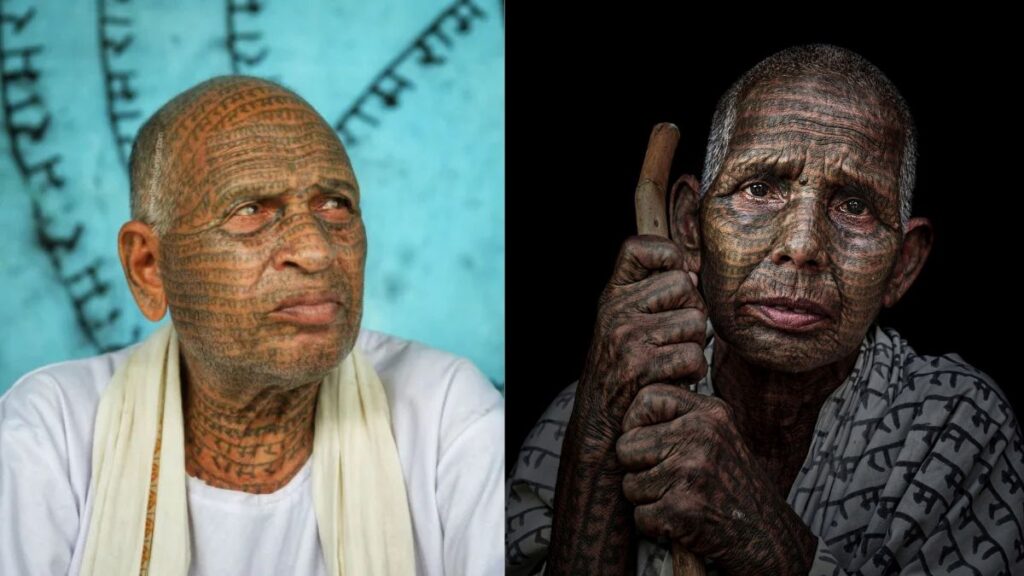
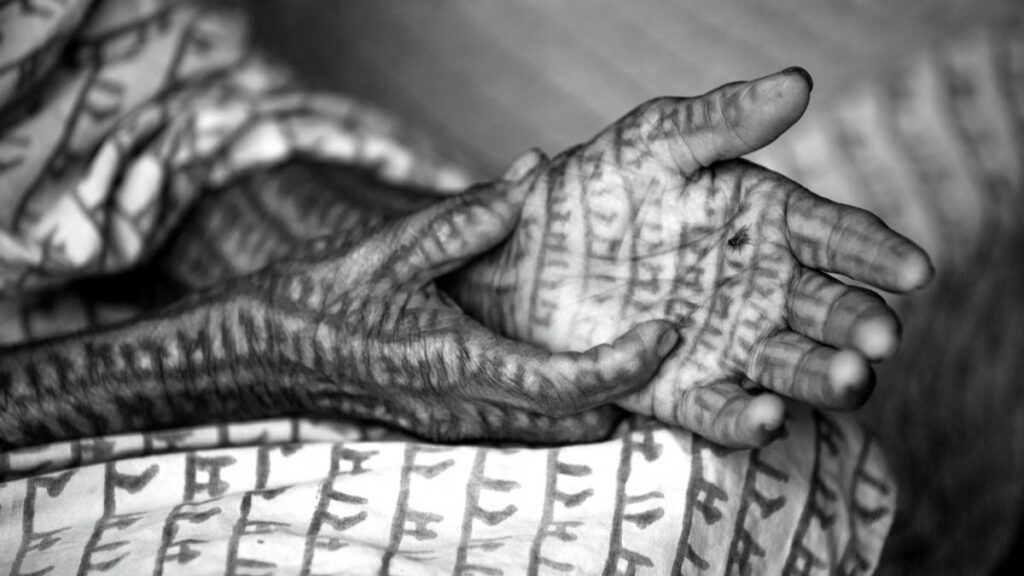
Tattooing Ram-Ram on their skin is the most sacred expression of Ramnami devotion.
How the Tattoo Ink Is Made
- Kerosene lamp soot collected from an earthen pot
- Stored in a coconut shell
- Applied using wooden needles
- A mix of acacia (babool) extract added for cloth-printing ink
There are three tattoo categories within the community:
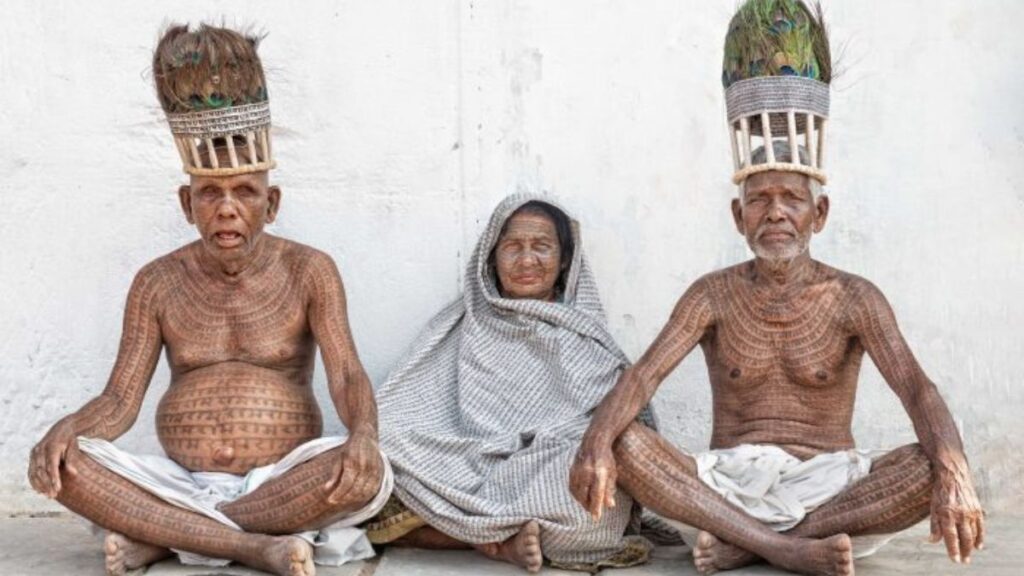
- Nakhshikh – tattooed from head to toe
- Badan – tattooed on the face and upper body
- Shiromani – tattooed only on the forehead
Those fully tattooed are deeply respected, though today fewer young Ramnamis choose to tattoo their bodies.
Ram Bhajan Tradition: A Spiritual Lifeline
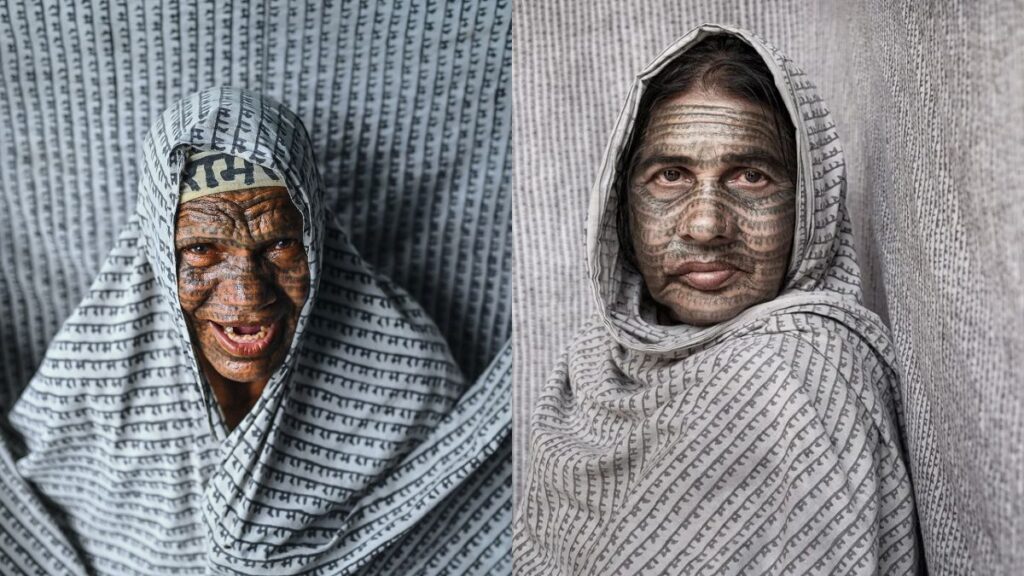
The Ramnamis do not worship idols. Instead, their spiritual life revolves around:
- Continuous chanting of Ramnam
- Reciting verses from Ramcharitmanas, but rejecting verses supporting caste hierarchy
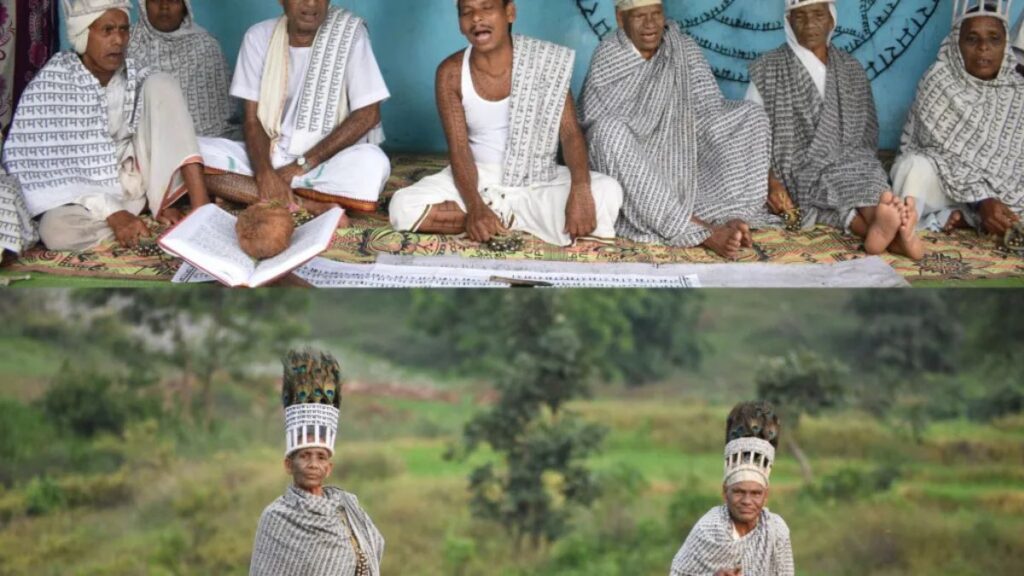
- Singing through the night using only ghungroos
- Wearing white clothing hand-printed with Ramnam
Bhajan sessions are believed to create a transcendental experience, especially at night when the sound of ghungroos echoes across villages.
Their Guiding Verse
Maans maans sab ek hain,
Kya harin, kya gai
(All living beings are equal, whether deer or cow)
The Annual Bada Bhajan Mela
The most important festival of the Ramnami community is the Bada Bhajan Mela, a three-day spiritual gathering attracting participants from dozens of villages.
Unique Features of the Mela
- Held every year in a different village
- The host is chosen based on the number of coconuts sent with the application
- A jait-khambh (victory pillar) marks each host village permanently
- A giant community kitchen cooks khichdi for all
- Marriages performed here are simple, low-cost, and dowry-free
This mela strengthens unity across villages and also brings economic benefits.
Festivals and Celebrations
Apart from the Bada Mela, special bhajan gatherings occur during:
- Chaitra Navratri (Udkakan)
- Sharad Navratri (Shivrinarayan)
- Maghi Purnima (Shivrinarayan)
Political Structure: Spiritual Unity, Minimal Hierarchy
Originally, the Ramnamis had no formal leadership, following Parsuram’s principle of spiritual equality.
In 1960, for government recognition, they formed a basic organisational structure:
- Leader called Adhyaksh (Chairman)
- Leaders ensure mela planning, registration, internal dispute resolution
However, the Samaj intentionally avoids priestly or hierarchical systems.
A Traveler’s Experience: Living With the Ramnamis
Visitors who spend time with the Ramnami people often describe the experience as transformative.
From navigating muddy village paths in monsoon rain to bathing in open, traditional bathrooms, participating in Ram bhajans, eating satvik farm-fresh meals, and witnessing the serene lifestyle, the experience highlights:
- their simplicity
- their spiritual depth
- their deep respect for guests
- their unbroken connection with nature and devotion
Tattoo-filled bodies, handwritten garments, peacock-feather crowns, and all-night bhajans create a living museum of devotion that feels untouched by time.
Challenges in Modern Times
The Ramnami culture faces several challenges:
- Declining interest among younger generations
- Reduced tattooing due to social and professional pressures
- Migration for education and jobs
- Gradual dilution of ancient traditions
Yet, the core values of equality, devotion, and simplicity persist.
Ramnami Tribe of Chhattisgarh: Conclusion
The Ramnami Tribe of Chhattisgarh is not just a religious community—it is a symbol of peaceful resistance, devotion, and the power of faith to break social barriers.
Their tattoos narrate stories of struggle.
Their bhajans echo unity.
Their lifestyle reflects purity and simplicity.
As modernity reshapes the world around them, the Ramnamis continue to hold firm to the belief that God is everywhere, in everyone, and beyond all caste boundaries.
Note: All information and images used in this content are sourced from Google. They are used here for informational and illustrative purposes only.
FAQs on the Ramnami Tribe of Chhattisgarh
1. Who are the Ramnami Tribe of Chhattisgarh and what makes them unique?
The Ramnami Tribe of Chhattisgarh is a devotional community known for tattooing the sacred name “Ram-Ram” across their bodies, sometimes including their eyelids. Their practice began over a century ago as a peaceful stand against caste discrimination, making them one of India’s most unique spiritual groups.
2. Why does the Ramnami Tribe of Chhattisgarh tattoo the name ‘Ram’ on their bodies?
For the Ramnami Tribe of Chhattisgarh, tattooing “Ram-Ram” is a sacred declaration that God is omnipresent and cannot be restricted by caste barriers. It became their identity and a symbol of spiritual liberation when they were denied entry into temples.
3. What is the origin story behind the Ramnami Tribe of Chhattisgarh?
Legend says the Ramnami Tribe of Chhattisgarh began when Parsuram Bhardwaj, a low-caste devotee of the Ramayana, miraculously recovered from illness and found “Ram-Ram” inscribed on his chest. This event inspired locals to follow his teachings and adopt tattooing as an act of devotion and equality.
4. What was the significance of the 1910 court case involving the Ramnami Tribe of Chhattisgarh?
In 1910, the Ramnami Tribe of Chhattisgarh won a historic court battle after upper-caste groups tried to stop them from using the name “Ram.” The judge ruled in their favor, legally protecting their right to tattoo and display the divine name, which empowered the movement’s growth.
5. What do the tattoos of the Ramnami Tribe of Chhattisgarh represent?
The tattoos of the Ramnami Tribe of Chhattisgarh symbolize devotion to Nirgun Ram, resistance to caste oppression, and the belief that the divine resides everywhere. Their tattoo patterns, known as “Godna,” are made with handmade ink and follow traditional designs.
6. What are the main categories of tattooing in the Ramnami Tribe of Chhattisgarh?
The Ramnami Tribe of Chhattisgarh recognizes three tattoo categories:
- Nakhshikh – tattooed from head to toe
- Badan – face and upper body
- Shiromani – forehead only
These categories form subtle cultural hierarchies within the community.
7. What festivals are celebrated by the Ramnami Tribe of Chhattisgarh?
The Ramnami Tribe of Chhattisgarh is widely known for the Bada Bhajan Mela, a massive three-day devotional gathering held in a different village each year. They also hold major bhajan gatherings during Chaitra Navratri, Sharad Navratri, and Maghi Purnima.
8. What is the Bada Bhajan Mela of the Ramnami Tribe of Chhattisgarh?
The Bada Bhajan Mela is the largest spiritual event of the Ramnami Tribe of Chhattisgarh. Followers from dozens of villages gather to chant Ramnam, share meals, conduct simple dowry-free marriages, and celebrate the community’s unity. The host village is chosen based on coconut offerings.
9. Why do members of the Ramnami Tribe of Chhattisgarh wear white clothes?
The Ramnami Tribe of Chhattisgarh traditionally wears white garments printed with “Ram-Ram” using handmade wooden blocks. White symbolizes purity, devotion, and equality, reinforcing their belief in a simple and spiritual lifestyle.
10. How does the Ramnami Tribe of Chhattisgarh perform their bhajans?
Bhajans in the Ramnami Tribe of Chhattisgarh are performed using only ghungroos (anklet bells) as instruments. Devotees chant verses from the Ramcharitmanas while replacing caste-based lines with egalitarian couplets. Bhajans often continue through the night, creating a deeply spiritual atmosphere.
11. What does the guiding verse of the Ramnami Tribe of Chhattisgarh teach?
Their guiding verse, “Maans maans sab ek hain, kya harin, kya gai,” teaches that all living beings are equal. This reflects the Ramnami Tribe of Chhattisgarh’s core values: equality, compassion, and universal brotherhood.
12. How does the Ramnami Tribe of Chhattisgarh choose the host village for their annual mela?
Every year, villages apply to host the Bada Bhajan Mela. The Ramnami Tribe of Chhattisgarh selects the village that submits the largest number of coconuts, symbolizing devotion and preparedness to host thousands of attendees.
13. Does the Ramnami Tribe of Chhattisgarh follow caste distinctions?
No. The Ramnami Tribe of Chhattisgarh was founded as a direct rejection of caste-based discrimination. Their practices emphasize spiritual equality, and their teachings often criticize caste-based verses in traditional scriptures.
14. What challenges does the Ramnami Tribe of Chhattisgarh face today?
Modernization, migration, job pressures, and reduced interest in full-body tattoos are causing the traditions of the Ramnami Tribe of Chhattisgarh to decline. However, the community continues to preserve its heritage through bhajans, festivals, and cultural practices.
15. Why is the Ramnami Tribe of Chhattisgarh still culturally important today?
The Ramnami Tribe of Chhattisgarh represents a powerful chapter in India’s social history. Their peaceful resistance, deep spirituality, and unwavering commitment to equality make them an inspiring example of cultural resilience and devotion.