Summary
Intro of Indian-Origin AI Startup
So, here’s the deal: An Indian founder’s startup is making a savvy move, swooping in with a sweet offer for engineers who have just been laid off from Meta. This startup isn’t just offering good money; it’s a sign of how quickly smaller AI companies are capitalizing on opportunities during Big Tech’s changes. If you’ve been keeping tabs on AI startup hiring ex-Meta folks or AI gigs with big paychecks for Meta engineers, this is a story you gotta hear.
The Startup’s Play

With Meta cutting around 600 AI jobs from teams like FAIR, product AI, and infrastructure, Smallest AI, a San Francisco startup led by Sudarshan Kamath, saw a chance. Kamath extended an invitation to ex-Meta AI staff to join his speech-AI team. We’re talking base salaries from $200K to $600K, plus stock options.
Why This Matters
- Top dollar: These are some seriously high salaries for a startup, which shows how competitive the hunt for AI talent is.
- Specific skills: They want people who know their stuff when it comes to speech evaluation, generation, and full-duplex speech-to-speech tech.
- Big Tech changes: Meta’s layoffs show they’re trying to slim down their AI teams and be more agile. Meta’s chief AI officer, Alexandr Wang, said they were cutting the number of required conversations to make decisions, and each person will have more scope and impact.
What This Means
For AI pros who suddenly found themselves jobless, this offer is a clear sign that their skills are still in demand. Areas like speech-AI are becoming prime territory. It also shows how startups are using Big Tech’s shake-ups to snag top talent by offering better perks and more exciting roles.
The Rise of Indian AI Startup: A Detailed Business Breakdown

| Category | Description / Analysis |
|---|---|
| Indian-Origin AI Startup Vision | Indian-Origin AI Startup aims to redefine the future of voice technology by developing high-performance speech-AI systems that can understand, evaluate, and generate natural conversation in real-time. |
| Indian-Origin AI Startup Founder | Indian-Origin AI Startup was founded by Sudarshan Kamath, a visionary Indian-origin entrepreneur based in San Francisco, who is committed to democratizing AI innovation and empowering global talent. |
| Indian-Origin AI Startup Business Model | Indian-Origin AI Startup operates with a hybrid business model that combines product development, AI-as-a-service (AIaaS), and enterprise-level speech integration solutions for commercial use. |
| Indian-Origin AI Startup Market Focus | Indian-Origin AI Startup primarily targets industries relying heavily on voice technology, such as customer service automation, smart assistants, accessibility tech, and language learning platforms. |
| Indian-Origin AI Startup Technology Stack | Indian-Origin AI Startup leverages advanced neural network architectures, speech synthesis models, and real-time processing frameworks to achieve superior speech-to-speech communication accuracy. |
| Indian-Origin AI Startup Recruitment Strategy | Indian-Origin AI Startup strategically hires top AI talent, including recently laid-off engineers from Big Tech companies like Meta, focusing on candidates with deep expertise in speech and machine learning. |
| Indian-Origin AI Startup Salary and Compensation | Indian-Origin AI Startup offers one of the highest pay packages in the startup ecosystem, ranging from $200,000 to $600,000, plus generous equity options to attract and retain elite AI researchers. |
| Indian-Origin AI Startup Competitive Advantage | Indian-Origin AI Startup’s biggest advantage lies in its agility—while large corporations face bureaucratic slowdowns, the startup moves faster in adopting new algorithms and deploying experimental models. |
| Indian-Origin AI Startup Funding and Investment Outlook | Indian-Origin AI Startup is attracting interest from venture capital firms looking to invest in high-potential AI ventures that combine deep tech with human-centric applications. |
| Indian-Origin AI Startup Collaboration Approach | Indian-Origin AI Startup is open to partnerships with universities, research institutes, and other AI-driven companies to accelerate innovation and shared breakthroughs in speech intelligence. |
| Indian-Origin AI Startup Global Impact | Indian-Origin AI Startup aims to make speech technology more inclusive, helping bridge language and accessibility gaps across diverse regions and industries worldwide. |
| Indian-Origin AI Startup Response to Meta Layoffs | Indian-Origin AI Startup turned Meta’s layoffs into an opportunity, positioning itself as a welcoming platform for displaced AI experts and giving them creative freedom and ownership of projects. |
| Indian-Origin AI Startup Industry Implication | Indian-Origin AI Startup’s move highlights the growing trend of startups capitalizing on Big Tech transitions, fueling a new era of AI entrepreneurship and decentralized innovation. |
| Indian-Origin AI Startup’s Cultural Philosophy | Indian-Origin AI Startup promotes a culture of “smart, hungry, and humble” professionals—valuing innovation, collaboration, and personal growth over hierarchy. |
| Indian-Origin AI Startup’s Role in AI Talent War | Indian-Origin AI Startup is playing a significant role in the ongoing global AI talent war by offering challenging projects, higher rewards, and meaningful problem-solving opportunities. |
| Indian-Origin AI Startup’s AI Product Line | Indian-Origin AI Startup is working on proprietary products like full-duplex conversational agents, emotion-aware voice interfaces, and next-gen multilingual speech engines. |
| Indian-Origin AI Startup’s Ethical AI Policy | Indian-Origin AI Startup follows strict guidelines to ensure AI fairness, prevent bias in voice data training, and maintain user privacy while processing conversational data. |
What’s Next?
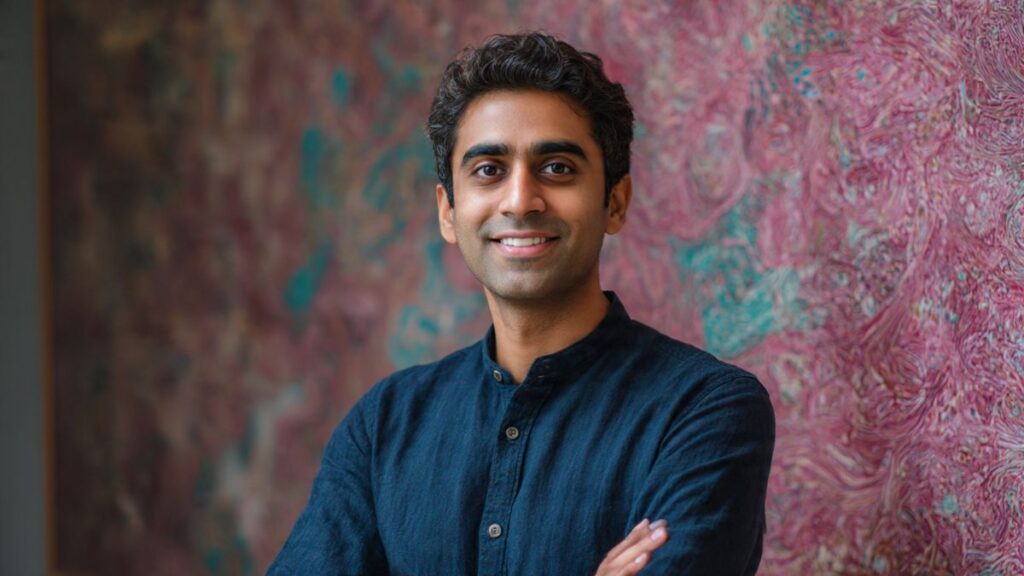
Meta’s restructuring may seem like a bummer for some, but it’s creating chances elsewhere. If you’re an engineer with speech-AI skills, things are looking up. And for founders and investors, this AI talent war is just getting started.
To Sum It Up
If you’ve been following laid-off Meta AI engineers getting hired, speech AI startup jobs, or high-paying AI jobs after Meta cuts, Smallest AI’s move is a big deal. It proves that when one part of tech gets disrupted, doors can open in other places, especially if you’ve got the right skills and attitude.
Note: All information and images used in this content are sourced from Google. They are used here for informational and illustrative purposes only.
Frequently Asked Questions (FAQ)
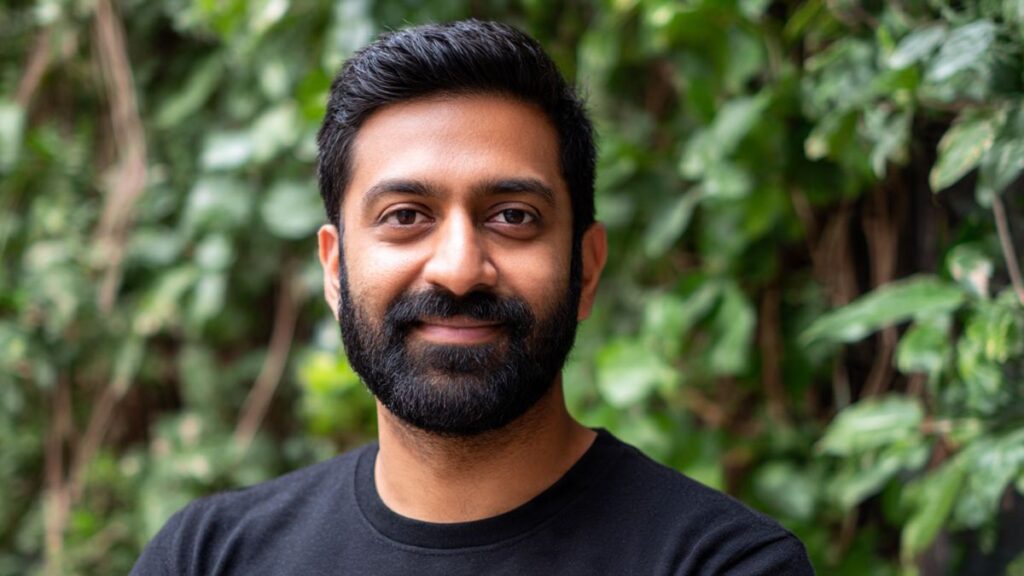
1. Who is the Indian-origin founder behind Smallest AI?
The startup Smallest AI was founded by Sudarshan Kamath, an Indian-origin entrepreneur based in San Francisco, USA. Kamath’s company focuses on cutting-edge speech AI technology, including speech evaluation, generation, and full-duplex conversational systems.
2. Why is Smallest AI hiring laid-off Meta employees?
After Meta Platforms laid off around 600 AI division employees, Smallest AI saw a major opportunity. The startup wants to onboard skilled engineers who already have experience with Meta’s large-scale AI systems—offering them competitive pay and exciting new projects in speech-AI research and development.
3. What salaries is Smallest AI offering to ex-Meta engineers?
Smallest AI is offering base salaries ranging from $200,000 to $600,000 per year, plus equity options. These are exceptionally high salaries for a startup, proving how valuable top-tier AI expertise has become in today’s competitive market.
4. What kind of roles are available at Smallest AI?
The startup is currently hiring for positions in its speech AI team, focusing on:
- Speech evaluation systems
- AI-based voice generation
- Full-duplex speech-to-speech technology
Candidates must have proven experience in these areas to qualify.
5. What does Meta’s AI layoff mean for the tech industry?
Meta’s recent layoffs—particularly within its FAIR (Fundamental AI Research), AI product, and infrastructure units—are part of its plan to become leaner and more efficient. However, this move also signals a new era of AI talent mobility, where startups can attract top engineers who were once at Big Tech companies.
6. What is Meta’s TBD Lab, and how is it different from FAIR?
Meta’s TBD Lab is a newer, elite research unit focused on superintelligence and next-gen AI models. Unlike FAIR, TBD Lab remains unaffected by layoffs and continues to expand, hiring top scientists from companies like OpenAI and Apple.
7. How does this hiring wave reflect the AI industry’s future?
The move by Smallest AI showcases how AI startups are gaining momentum and competing head-to-head with giants like Meta, Google, and OpenAI. As Big Tech streamlines operations, smaller, agile startups are stepping up—offering innovation, equity ownership, and faster career growth.
8. How can AI engineers apply for jobs at Smallest AI?
Interested candidates can apply directly through Smallest AI’s official website or contact the company via LinkedIn. Sudarshan Kamath has invited applicants publicly through social media posts, encouraging former Meta engineers to join the team and build advanced speech-AI systems.
9. What skills are in highest demand right now in AI startups?
Startups like Smallest AI are looking for expertise in:
- Speech AI and voice synthesis
- Machine learning and data modeling
- Natural language processing (NLP)
- Full-duplex AI communication systems
Professionals with experience in these areas are seeing high demand and premium salaries worldwide.
10. What’s the key takeaway from this story?
This development proves that AI innovation never stops—even when Big Tech restructures. As Meta trims its workforce, startups like Smallest AI are thriving, offering highly paid, impactful opportunities to engineers eager to build the next generation of intelligent systems.