
Summary
Trump’s meeting with Russian President Vladimir Putin in Alaska marked a historic diplomatic moment, drawing global attention. US President Donald Trump emphasized that the talks would either “work out very well” or end “very quickly” if unproductive. He framed the summit as a crucial opportunity to pursue peace while keeping firm pressure on Russia. This Trump-Putin Alaska summit could prove pivotal for the war in Ukraine, making it one of the most closely followed international events of the year.
A Meeting with High Stakes
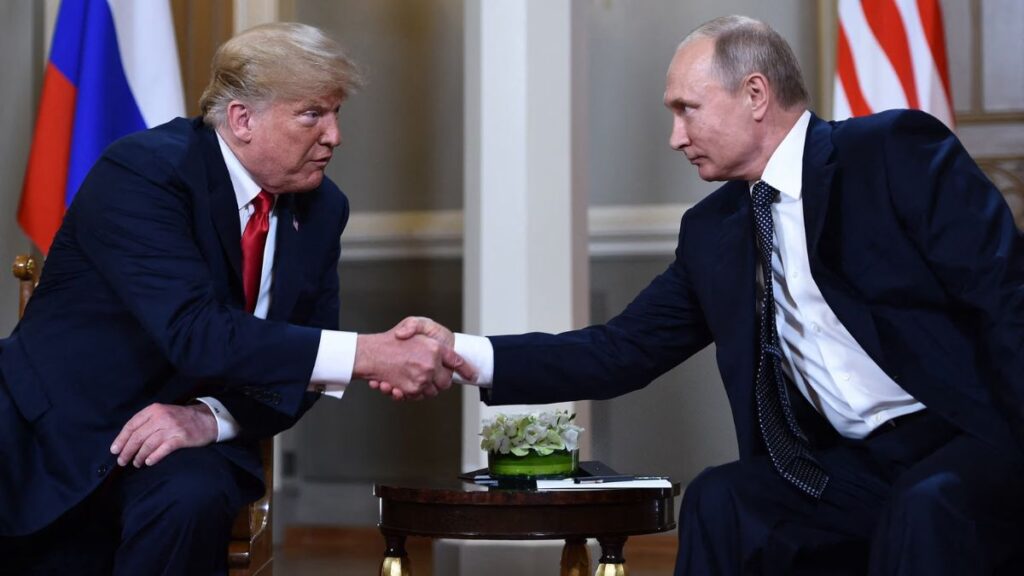
President Trump landed in Anchorage, Alaska, shortly after President Vladimir Putin’s arrival, setting the stage for what many have called the most consequential meeting since the war in Ukraine began in 2022. Trump clarified that he is “not here to negotiate for Ukraine” but instead to bring Putin to the table for meaningful discussions.
His statement, “If it’s a bad meeting, it’ll end very quickly, and if it’s a good meeting, we’re going to end up getting peace in the pretty near future,” underlined the high-stakes nature of the summit.
Donald Trump’s Approach: Tough Yet Open
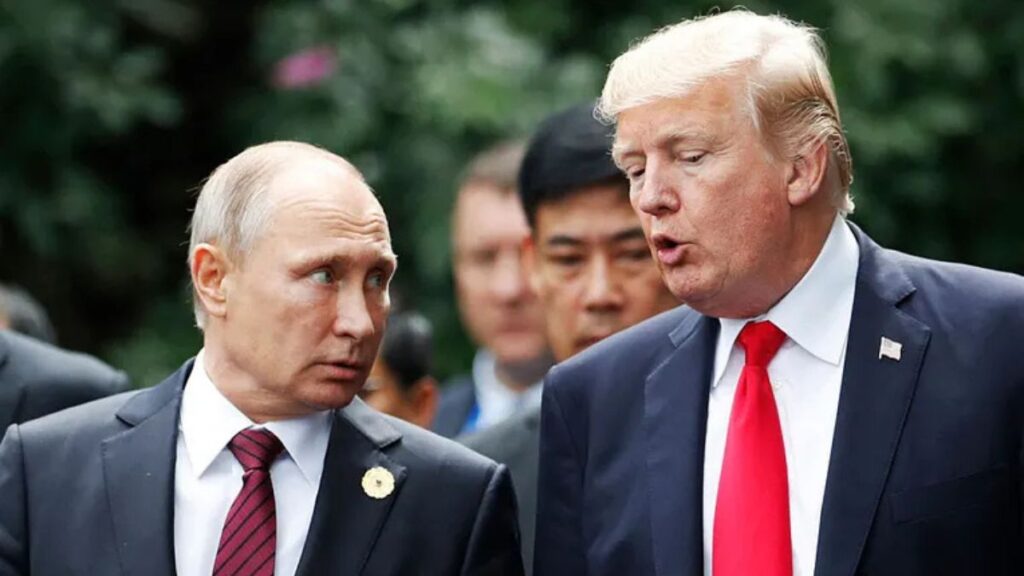
While speaking aboard Air Force One before arriving in Alaska, Trump outlined his firm approach. He noted that Putin’s continued aggression weakens his negotiating position rather than strengthens it. Trump emphasized: “Russia will face severe economic consequences if it does not reach an agreement.”
The U.S. president also signaled willingness to discuss land exchange as a possible path forward but stressed that the final decision rests with Ukraine. His message was clear: America will support Ukraine but will not impose terms on its behalf.
Ukraine’s Appeal for Peace
As Trump prepared for the summit, Ukrainian President Volodymyr Zelensky took to social media urging the U.S. to pressure Russia to halt its invasion. Zelensky’s words carried urgency: “It is time to end the war, and the necessary steps must be taken by Russia. We are counting on America.”
Despite not being directly involved in the Alaska summit, Ukraine’s leadership and people are deeply invested in the outcome.
Who’s in Trump’s Delegation
Accompanying President Trump is a high-level U.S. delegation, including Secretary of State Marco Rubio, Secretary of Treasury Scott Bessent, Secretary of Commerce Howard Lutnick, and CIA Director John Ratcliffe. Their presence highlights the wide-ranging scope of topics likely to be discussed—spanning from security to economic sanctions and future trade relations.
Russia’s Expectations
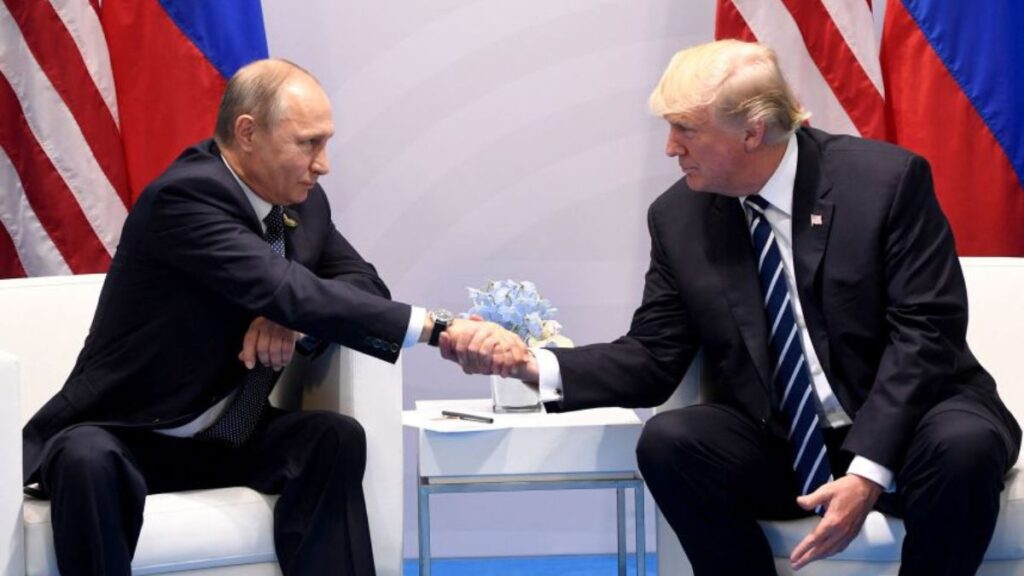
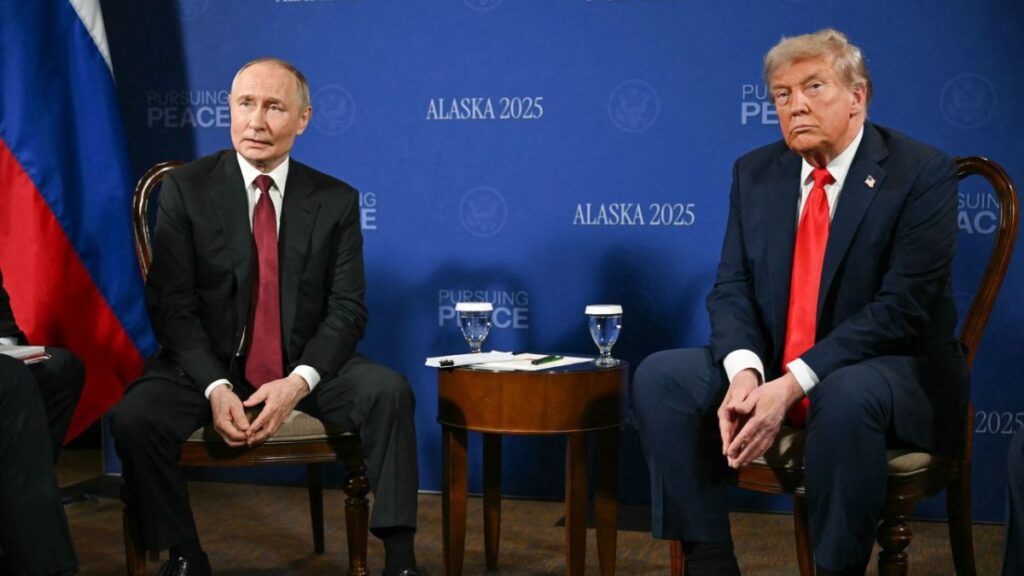
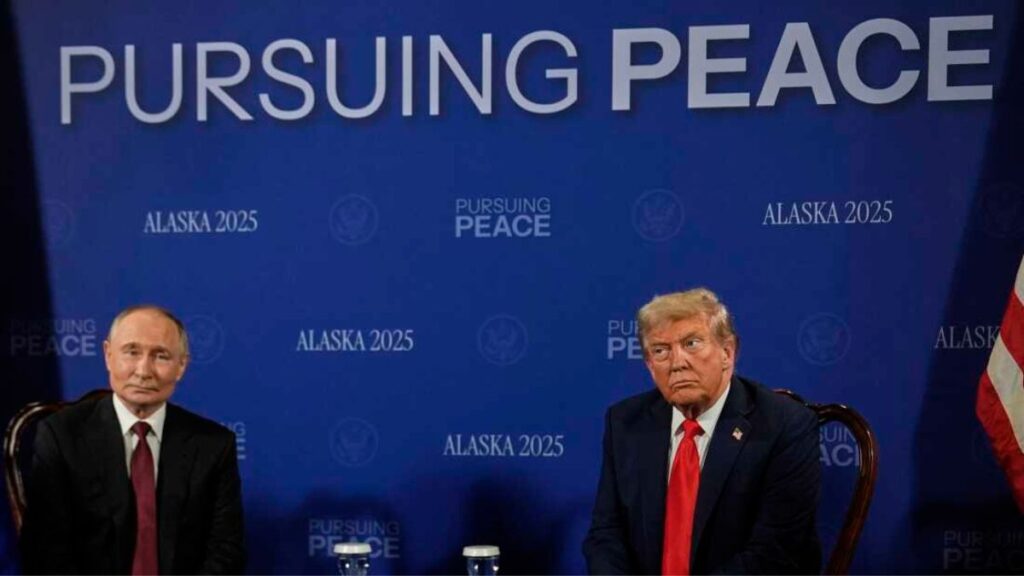
According to Kremlin spokesman Dmitry Peskov, Russia expects the talks to last six to seven hours and hopes for a productive conclusion. The meeting, held at Elmendorf Air Force Base—a Cold War-era installation—adds symbolic weight to the encounter.
Adding an unusual twist, Russian Foreign Minister Sergei Lavrov appeared in Anchorage wearing a sweatshirt with “USSR” printed across the front, sparking global media buzz.
A Historic Context
This is Putin’s first visit to the West since the start of the war in 2022. The symbolism of Alaska, once part of Russia before being sold to the U.S. in 1867, is not lost on either side. Moscow has often referenced the Alaska sale as a precedent in territorial negotiations, further intensifying speculation about the outcome of this summit.
Trump’s Warning and Promise
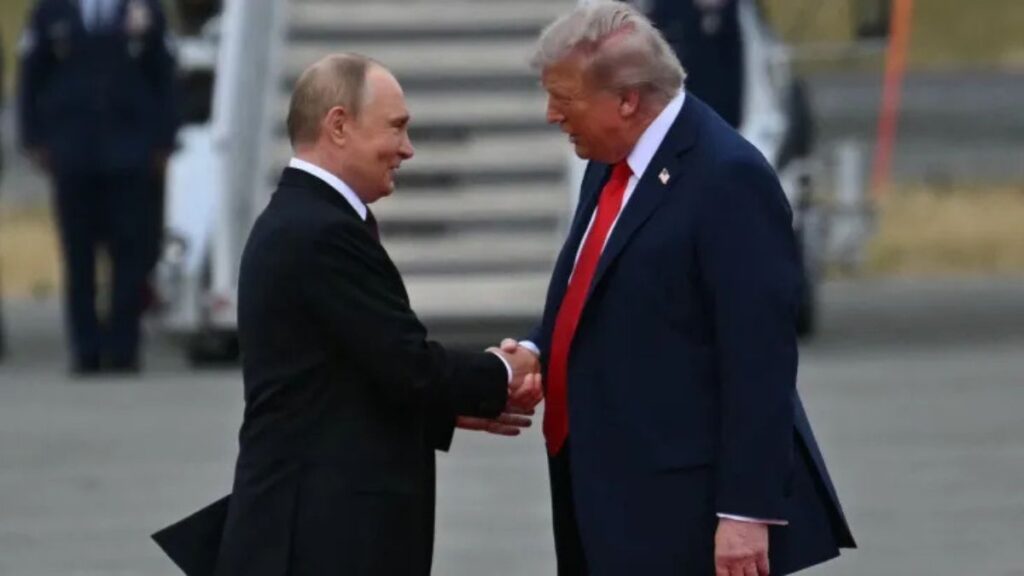
Trump has made it clear that he won’t hesitate to walk away: “I am president, and he’s not going to mess around with me.” He framed the Alaska summit as a “feel-out meeting” to test Putin’s seriousness.
At the same time, Trump promised to consult closely with European leaders and President Zelensky before endorsing any deal. He has proposed a three-way follow-up meeting with Ukraine to decide next steps if progress is made in Alaska.
Why This Meeting Matters
The Trump-Putin Alaska summit is more than a bilateral meeting—it is a turning point for the ongoing war in Ukraine and global security. With every statement being closely analyzed in Washington, Moscow, and Kyiv, the world awaits whether this encounter can open the door to peace or mark another missed opportunity.
Conclusion: A Defining Diplomatic Moment
This meeting in Anchorage, Alaska, is not just about U.S.-Russia relations—it’s about the broader question of global stability. With Trump’s promise to protect American interests while pushing for peace, and Putin’s rare visit to the West, this summit carries historic weight. Whether it ends swiftly or sets the stage for resolution, one thing is clear: the Trump-Putin Alaska meeting is a defining moment in the pursuit of peace for Ukraine and beyond.
Note: All images used in this content are sourced from Google. They are used here for informational and illustrative purposes only.
Frequently Asked Questions (FAQ)
Trump-Putin Alaska Summit: Key FAQs
Q1. Why is the Trump-Putin Alaska meeting considered historic?
The meeting is historic because it marks Vladimir Putin’s first visit to the West since the Ukraine war began in 2022, potentially shaping the future of the conflict.
Q2. What is the main agenda of the Alaska summit?
The talks focus on the Ukraine war, possible land agreements, sanctions, and restoring U.S.-Russia ties while protecting America’s and Ukraine’s interests.
Q3. Where is the meeting being held?
It’s taking place at Elmendorf Air Force Base in Anchorage, Alaska — a Cold War-era hub for U.S. surveillance of the former Soviet Union.
Q4. How long are the talks expected to last?
Kremlin officials say discussions could span six to seven hours, including one-on-one sessions and extended talks with senior advisers.
Q5. What has Trump said about the outcome?
He stated that if discussions go well, they could “bring peace soon.” Otherwise, he will “walk away very quickly” without any deal.
Q6. What role does Ukraine play in this summit?
Ukraine isn’t directly involved, but President Zelensky has urged pressure on Moscow to end the invasion. Any outcome will still need Ukraine’s participation.
Q7. Who is part of the U.S. delegation?
The delegation includes Secretary of State Marco Rubio, Treasury Secretary Scott Bessent, Commerce Secretary Howard Lutnick, and CIA Director John Ratcliffe.
Q8. What impact could the meeting have globally?
Its results could redefine U.S.-Russia relations, influence the Ukraine war’s direction, and reshape European and global security dynamics.