Summary
With the big Assembly elections coming up in West Bengal, all eyes are on what’s happening with the voter lists. In North 24 Parganas, a border district, there’s a lot of activity around revising the voter list—called the Special Intensive Revision (SIR). People are worried, and political parties and election officials are scrambling to respond.
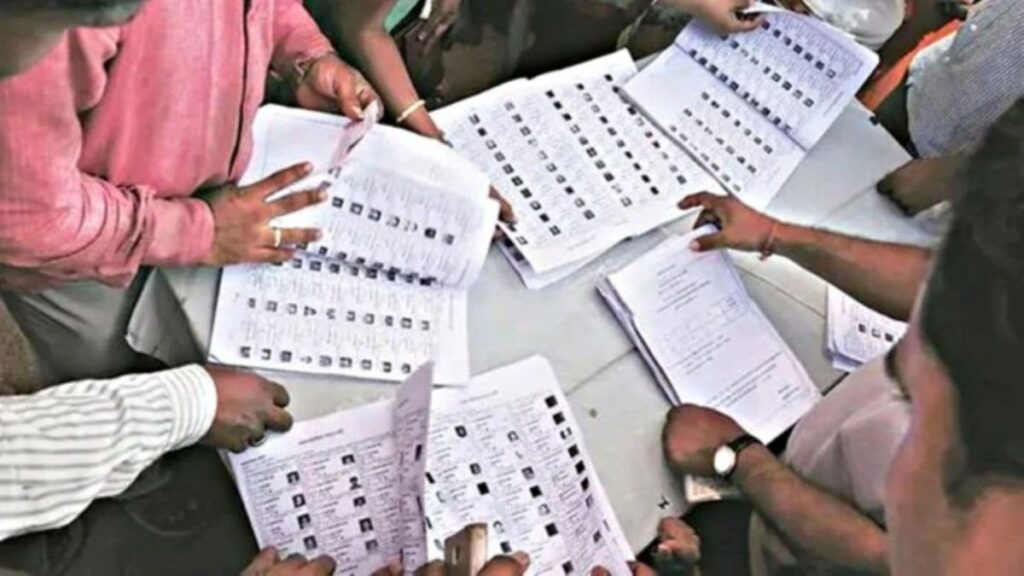
Basically, the SIR is a check to make sure the voter lists are up-to-date. They’re going house-to-house, checking documents, and comparing everything to an older list from 2002. They already did this in places like Bihar earlier this year.
In North 24 Parganas, where a lot of people came over from Bangladesh after Partition, this SIR thing has caused a real stir. There have even been reports of suicides because people are scared of being left off the list. That’s why everyone’s trying so hard to reach out to voters.
The Trinamool Congress (TMC), which is in power, is handing out copies of the old 2002 voter list to people who are already on it. They’re trying to calm everyone down and show them they’re still good to vote.
The opposition party, the BJP, isn’t sitting still either. They’ve set up a bunch of SIR camps in the border areas where people can figure out their status, get help with paperwork, and complain if they need to. It shows how political this whole thing is.
Why all the Fuss?
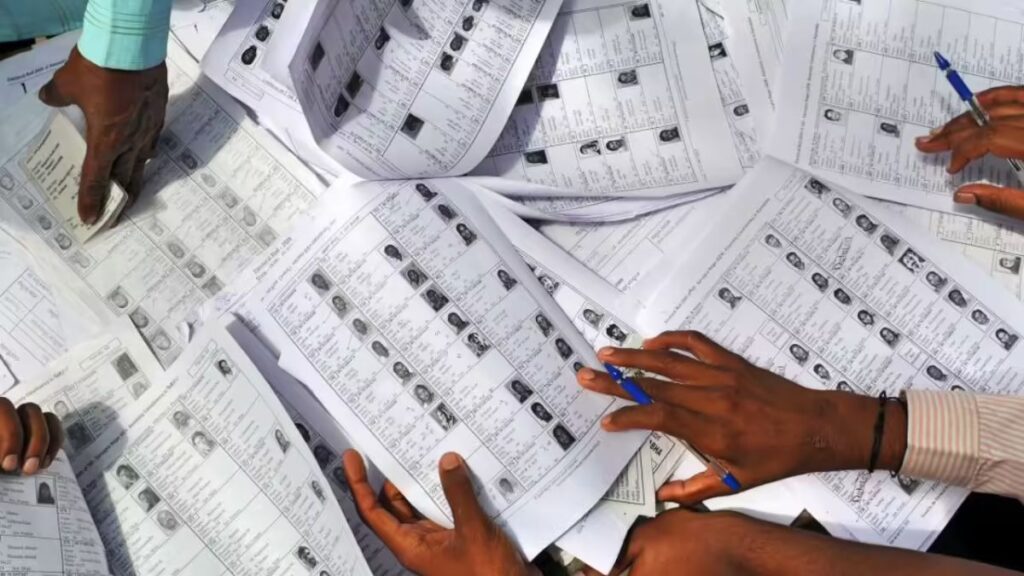
People are nervous because if you’re not on that 2002 list, you have to dig up extra documents to prove you’re eligible to vote. In areas with a lot of people from the Matua community, this has caused panic. They’re worried they’ll lose their voting rights.
Politically, this is huge. There are tons of Assembly seats in these border districts like North 24 Parganas, South 24 Parganas, and Nadia. Even a small change in the voter list could flip the election.
The TMC is trying to reassure people by giving out those 2002 lists and getting local leaders involved. They want to show that they’re not just going to randomly kick people off the rolls.
Important Dates & Facts
The SIR thing in Bengal kicked off with people going door-to-door on November 4th. The final voter list is supposed to be ready by February 7th, just before the election.
Officials say that about 45% of the names on the current voter list don’t match the 2002 list. In North 24 Parganas, it’s around 42%.
The TMC has also set up help desks with computers and WiFi to help people check their status and file claims if needed.
What You Need to Know

If you’re on the 2002 list, you’re probably fine. The TMC’s handout is just to make sure you know that.
If you’re not on the 2002 list, make sure you have your documents ready when they come around to check. Officials are saying that they don’t want to remove anyone who’s a real voter.
Those help camps are a good place to go if you’re confused or having problems.
And if you think you’ve been unfairly removed, remember that the political parties are watching closely and threatening legal action.
The Big Picture
This SIR voter-list revision is more than just a technicality. It touches on big issues like citizenship, identity, and migration, especially in those border areas. The TMC and BJP are both trying to win people over. The TMC is saying they’ll protect voter rights, while the BJP is talking about cleaning up the list and stopping illegal voting. All that activity—the lists, the camps, the help desks—shows how much is at stake.
From the government’s point of view, this is a real test. Can they update the voter list in a way that helps people vote and puts their minds at ease, instead of scaring them or confusing them? So far, it looks like a lot of people are getting involved, which is a good sign.
In conclusion
The efforts to reach out to voters in North 24 Parganas show how important it is to make sure everyone who’s eligible to vote actually gets to vote—and feels like they matter. Whether you’ve already got your copy of the 2002 list or you’re still checking…your status through a help-desk or SIR camp, being proactive now can spare you anxiety later. With the headline promise that “no genuine voter will be left out”, it’s up to all stakeholders — voters, communities and election authorities alike — to make that guarantee real.
Note: All information and images used in this content are sourced from Google. They are used here for informational and illustrative purposes only.
FAQs on Bengal’s SIR Voter-List Revision and Political Outreach
What is the Special Intensive Revision (SIR) of the voter list in Bengal?
The Special Intensive Revision (SIR) is a national initiative by the Election Commission of India to update and verify the voter list. In Bengal, the process involves door-to-door verification to ensure that all legitimate citizens remain on the voter list ahead of the 2026 Assembly election.
Why are people in North 24 Parganas worried about the voter list revision?
Residents of North 24 Parganas are anxious because the SIR uses the 2002 voter list as the base year. Many fear that individuals who migrated after that year—especially from neighboring Bangladesh—might lose their voting rights if their names are missing from the older voter list.
What steps has the Trinamool Congress taken to reduce voter-list anxiety?
The Trinamool Congress (TMC) has launched a widespread outreach program to build public confidence in the voter list revision. Party workers are distributing copies of the 2002 voter list to households and verifying names to reassure citizens that their status as voters is secure.
What is the BJP doing to assist voters during the voter-list revision?
The BJP has set up hundreds of SIR assistance camps across Bengal, particularly in border districts. These camps help residents check their names on the voter list, update documents, and understand the verification process to ensure that no genuine voter is left out.
Why did Aadhaar create confusion in the voter-list update process?
The confusion arose when the Election Commission initially declined to accept Aadhaar as proof of citizenship during the voter list verification. Later, the Supreme Court ruled that Aadhaar and official Voter ID (EPIC) cards must be accepted to confirm voter eligibility.
Who is leading the Trinamool’s voter-list outreach campaign?
Local civic leaders such as Prabir Saha, guided by Chief Minister Mamata Banerjee, are leading the campaign. Senior leader Abhishek Banerjee has assured people that no legitimate Bengali name will be removed from the voter list, promising protection for every genuine citizen.
What incidents triggered fears surrounding the voter list revision?
Reports of panic and alleged suicides over possible deletion from the voter list created widespread concern. Many residents began collecting old documents, residential proofs, and certificates to protect their inclusion in the updated voter list.
When will the Bengal voter-list revision be completed?
The enumeration phase of the voter list update begins on November 4, when officials will visit homes for verification. The Election Commission has scheduled the final publication of the updated voter list for February 7, 2026, ahead of the Assembly elections.
How is the Election Commission ensuring transparency in the voter-list revision?
The Election Commission has assured that no genuine voter will be deleted from the voter list. Multiple forms of ID—Aadhaar, EPIC, and other government-issued proofs—will be accepted. Officials have emphasized full transparency and fairness during the voter list verification process.
What message are political leaders giving about the voter-list update?
Both the TMC and BJP are urging citizens to remain calm, submit documents, and cooperate with enumerators. Their unified message is that every legitimate voter in Bengal will stay on the voter list, ensuring that democratic rights remain fully protected.