
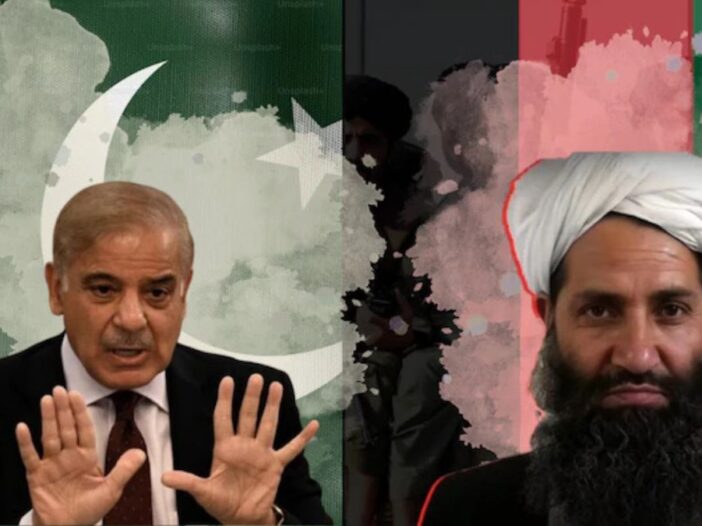
Why Pakistan and Afghan Taliban Turned From Allies to Adversaries is not just another geopolitical headline—it’s a story of broken trust, rising fear, and shifting power in a fragile region. Once bound by strategy and shared interests, these two forces now stand on the edge of open conflict. So, what went so wrong? The answer lies in betrayal, security threats, and growing mistrust that neither side can ignore anymore. As tensions escalate and lives hang in the balance, this unfolding crisis reveals how quickly alliances can collapse—and why the consequences could reshape the future of South Asia.
Pakistan and the Afghan Taliban used to be a symbol of strategic affinity. However, recent events show this in a stark and disturbing contrast. What changed so quickly and why are the two long-time partners now turning against each other?
Why Pakistan and the Taliban Are Now at Odds
Firstly, Pakistan initially rejoiced with the Taliban regained power in 2021. Former Prime Minister Imran Khan even took pride in Afghanistan’s “freedom.” This optimism was short-lived though.
Pakistan expected cooperation on security concerns. Pakistan expected the two countries to cooperate on security matters. Specifically, Pakistan claims that the Tehreek-e-Taliban Pakistan (TTP) militants operate from Afghan soil.
On the contrary, the Afghan Taliban have denied the allegations. They argue that Pakistan exaggerates threats to justify cross-border actions. Trust between the two sides has therefore been eroded.
What Triggered the Latest Clashes
There was a sequence of events that led to the recent violence and it was not overnight. Rather, it was after a series of fatal attacks within Pakistan that violence broke out. Authorities asserted that they possessed evidence that was ‘unmistakable and undisputable’ to link the attacks to militants operating from Afghanistan.
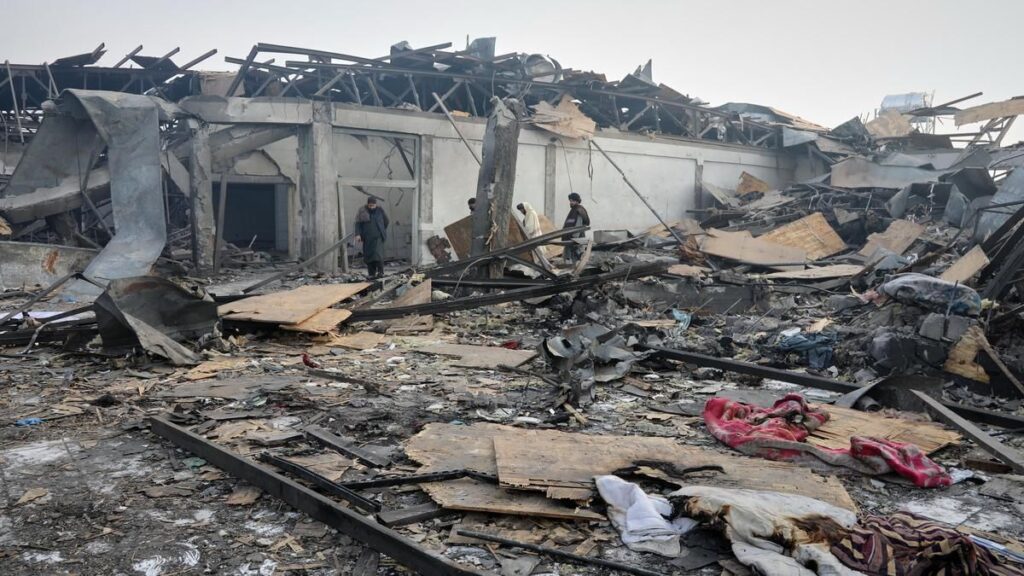
Consequently, Pakistan launched airstrikes against terrorist infrastructure. However, the Afghan Taliban alleged that civilians were killed during airstrikes, including those in a hospital.
On the other hand, diplomatic measures managed to relief the tensions for some time. Turkey and Qatar is reengaged in diplomacy to broker a ceasefire agreement. However, violence from both sides made the ceasefire agreement fall apart.
Understanding the TTP Factor
To grasp the nature of this conflict, it is necessary to understand the role played by the TTP. This group has been responsible for numerous attacks in different parts of Pakistan since its formation in 2007.
For instance, the TTP attacked military bases, markets, and schools. TTP even targeted a young schoolgirl Malala Yousafzai and attempted to kill her, an act that shocked the entire world.
Although Pakistan conducted military operations to weaken the group, the threat never fully disappeared. However, attacks have surged lately. Hence, Pakistani view Afghan territory as one of the main sources of insecurity.
Military Imbalance and Rising Risks
On paper, Pakistan has a valuable edge. Its military forces number 600,000, advanced military aircraft, and nuclear armaments.
The Taliban forces, on the other hand, are inferior in numbers as well as in equipment. They have helicopters and a few types of aircraft but do not have a modern air force.
Despite this, the situation is still dangerous. Cross-border raids and guerrilla tactics could cause a protracted conflict. The problem is going to spread to the whole region if the violence continues to escalate.
What Could Happen Next
Looking ahead, the tension might build up even more. Pakistan is likely to escalate its military operation further. The Taliban may also retaliate by conducting border raids or by waging an indirect war.
In addition, global and regional powers may intervene. For example, China has in several occasions tried to mediate between the two sides. International factors, however, might hamper the peacemaking process.
Therefore, the conflict can not be solved in a short time. Instead, it may become a long and unforeseeable standoff.
Key Takeaways
There was strategic alliance between Pakistan and the Taliban but the trust between them has been eroded. The presence of the TTP militants still remains the central issue. This has caused a great escalation of tension in the recent airstrikes. There is a military imbalance but the risks are still high. Finally, the regional balance is at stake in case the war continues.
Conclusion
The change from cooperation to antagonism between Pakistan and the Afghan Taliban is a clear example of how fast geopolitical alliances can vary. Hostility between Pakistan and the Afghan Taliban thus highlights the dynamics of changing geopolitical alliances where security remains a key concern.
Ultimately, there are likely to be more tensions without dialogue that makes sense and accountability. For now, the region watches closely because what comes next could change the security environment of South Asia for the future generations.
Frequently Asked Questions: Why Pakistan and Afghan Taliban Turned From Allies to Adversaries
1. Why Pakistan and Afghan Taliban Turned From Allies to Adversaries despite years of strong ties?
For decades, Pakistan supported the Afghan Taliban to secure strategic influence in the region. However, the situation changed when Pakistan began facing rising militant attacks linked to groups like the Tehreek-e-Taliban Pakistan (TTP). As a result, trust broke down because Pakistan expected cooperation, while the Taliban denied involvement. This growing gap in expectations eventually pushed both sides toward conflict.
2. Why Pakistan and Afghan Taliban Turned From Allies to Adversaries after the Taliban regained power in 2021?
Initially, Pakistan welcomed the Taliban’s return, hoping for stability along its borders. However, things did not go as planned. Instead of reducing violence, militant activities increased. Therefore, Pakistan felt betrayed, while the Taliban insisted they were not responsible. This mismatch in expectations quickly created friction between the two.
3. Why Pakistan and Afghan Taliban Turned From Allies to Adversaries over the TTP issue?
The TTP plays a central role in this conflict. Pakistan believes the group operates from Afghan territory and launches attacks inside its borders. On the contrary, the Taliban deny providing any safe haven. Because neither side agrees on the facts, tensions continue to rise, making peaceful resolution more difficult.
4. Why Pakistan and Afghan Taliban Turned From Allies to Adversaries leading to airstrikes and military action?
Repeated attacks inside Pakistan pushed the government to take stronger action. Consequently, Pakistan launched airstrikes targeting what it called militant bases. However, the Taliban claimed civilian casualties, which further worsened the situation. This cycle of action and reaction has now escalated into serious military confrontation.
5. Why Pakistan and Afghan Taliban Turned From Allies to Adversaries despite shared history and ideology?
Although both sides share ideological similarities, national interests now outweigh past alliances. Pakistan prioritizes internal security, while the Taliban focus on sovereignty and control. Therefore, even shared beliefs cannot prevent conflict when strategic goals clash.
6. Why Pakistan and Afghan Taliban Turned From Allies to Adversaries affecting regional peace and stability?
This conflict has broader consequences beyond just two countries. As tensions rise, trade routes, border movement, and diplomatic relations suffer. Moreover, instability in this region can impact neighboring countries. Hence, the situation raises serious concerns for long-term peace in South Asia.
7. Why Pakistan and Afghan Taliban Turned From Allies to Adversaries and what does it mean for the future?
Looking ahead, the relationship remains uncertain. While both sides may attempt negotiations, ongoing mistrust makes progress difficult. If tensions continue, the conflict could intensify. However, with the right diplomatic efforts, there is still hope for de-escalation and stability.
8. Why Pakistan and Afghan Taliban Turned From Allies to Adversaries and can they rebuild trust again?
Rebuilding trust will not be easy, but it is not impossible. Both sides need open dialogue, mutual accountability, and clear commitments on security issues. Although challenges remain, cooperation could return if both prioritize peace over conflict.






Leave a Reply