
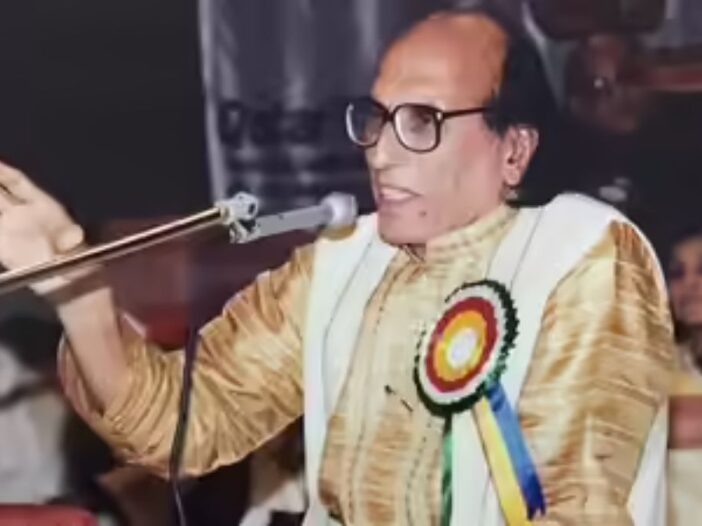
Bashir Badr Passes Away, and with him fades a voice that taught generations how pain could sound beautiful. His poetry was never locked inside difficult words or distant emotions — it lived in broken hearts, lonely evenings, old friendships, and silent goodbyes. From crowded mushairas to quiet corners of memory, his couplets became part of everyday life for millions. Even those who never studied Urdu found themselves repeating his lines like personal truths. As the legendary poet leaves the world at 91, Urdu literature mourns not just a writer, but a soul who transformed simple emotions into timeless poetry that will continue breathing forever.
Renowned Urdu poet Bashir Badr died on Thursday at his home in Bhopal, leaving behind a literary legacy that touched millions of hearts. He was 91 years old and had been battling dementia for a long time. His passing has sent deep waves of grief across the literary world.
Who Was Bashir Badr?
Born on February 15, 1935, in Ayodhya, Uttar Pradesh, Bashir Badr grew up to become one of the most celebrated poets in modern Urdu literature. He completed his higher education and earned his PhD from Aligarh Muslim University, where he later served as a professor of Urdu.
The Government of India honored him with the prestigious Padma Shri award for his extraordinary contributions to literature. Remarkably, he began writing poetry at just seven years old.
A Life Shaped by Language and Loss
Badr Sahib’s life carried both beauty and tragedy in equal measure. During the communal riots in Meerut in 1987, a mob burned down his home. The fire destroyed countless historical manuscripts and unpublished poems — irreplaceable pieces of literary history, lost forever.
After that devastating incident, he permanently relocated to Bhopal, where he lived until his final days.
The Poetry That Lived in Every Street
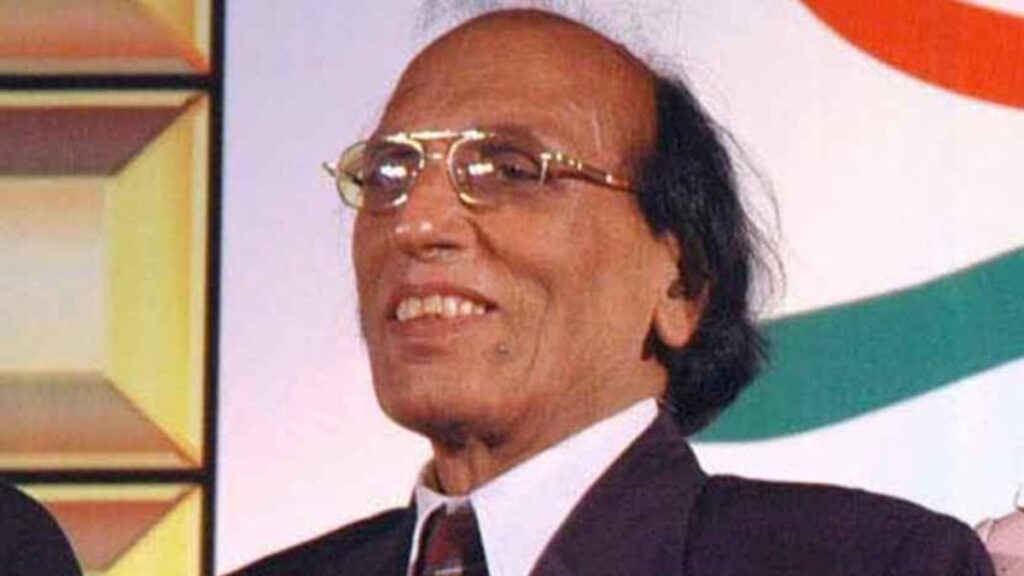
What truly set Bashir Badr apart was his extraordinary ability to speak the language of ordinary people. Traditional Urdu poetry often relied on complex vocabulary and classical forms. Badr, however, introduced everyday words into the ghazal with remarkable elegance and emotional depth.
His collections — Imkaan, Ahaten, Kulliyat-e-Bashir Badr, and Ujale Apni Yaadon Ke — remain deeply beloved across generations. Each work reflects his gift for turning simple emotions into unforgettable lines.
As poet Kumar Vishwas once said, wherever Bashir Badr stood, the mushaira would grow from there.
When Indira Gandhi Quoted Bashir Badr
His influence extended far beyond literary circles. During the historic Simla Agreement, Prime Minister Indira Gandhi recited one of his couplets directly to Pakistan’s Zulfikar Ali Bhutto:
“Be a strong enemy, but let there be a chance — that we don’t feel ashamed when we become friends.”
Few poets earn the distinction of having their words spoken at the highest levels of diplomacy. Bashir Badr was one of them.
Javed Akhtar’s Heartfelt Tribute
Poet and lyricist Javed Akhtar expressed his grief on social media after hearing the news. He wrote:
“Today, our language, Urdu, has become a little poorer. Bashir Badr, a very melodious poet, has left our community forever. This poet and his poetry will always remain alive in our memories.”
His Most Beloved Couplets
These lines capture why Bashir Badr’s words continue to resonate so deeply:
- “Let the light of your memories remain with us — who knows in which street the evening of life will come.”
- “We are travelers, you are also a traveler — we will meet again at some turn.”
- “No one will even shake hands if you hug immediately — this is a city of new temperament, meet people from a distance.”
- “There must have been some compulsions — no one becomes unfaithful like this.”
A Legacy That Will Never Fade
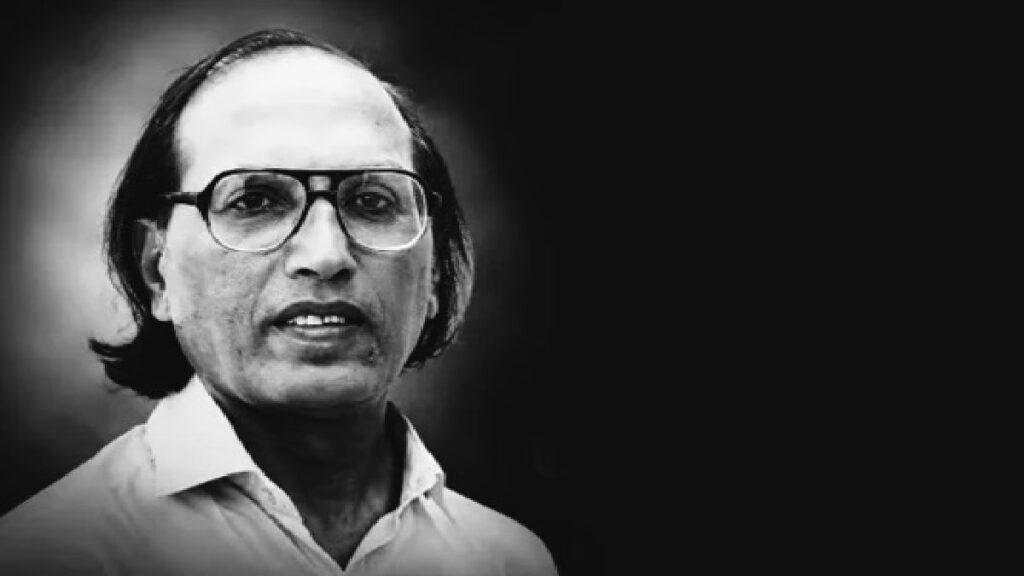
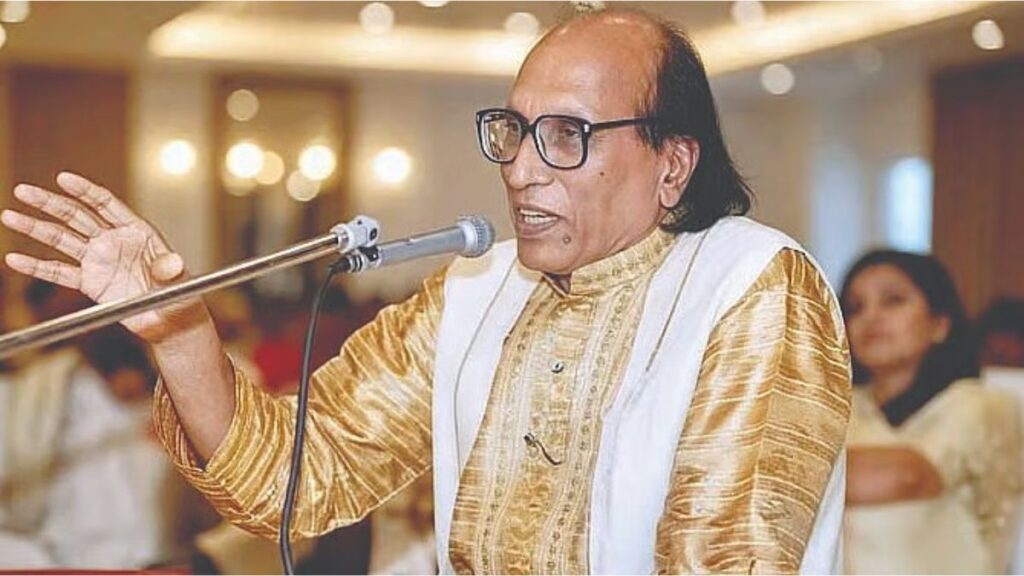
Bashir Badr was laid to rest at the Bada Bagh cemetery in Bhopal on the evening of his passing. However, his couplets live on — in homes, in hearts, and in every mushaira where Urdu poetry still breathes.
He turned heartbreak into art, and simplicity into immortality. The world has lost a poet, but Urdu literature has gained an eternal voice.
Bashir Badr | 1935–2026 | Padma Shri Awardee | Master of the Modern Ghazal
FAQ: Bashir Badr Passes Away at 91
1. Why is “Bashir Badr Passes Away” such an emotional moment for Urdu literature lovers?
The news that Bashir Badr passes away has deeply saddened poetry lovers because he was not just a poet — he was an emotion for millions. His simple yet powerful ghazals connected directly with ordinary hearts, making him one of the most beloved voices in modern Urdu poetry.
2. When did Bashir Badr passes away and what was the reason behind his death?
Renowned Urdu poet Bashir Badr passed away on Thursday at his residence in Bhopal at the age of 91. Reports revealed that he had been battling dementia for a long time, and his health had gradually declined over the years.
3. Where was Bashir Badr born before the news “Bashir Badr Passes Away” shocked the nation?
Before the heartbreaking news that Bashir Badr passes away, the legendary poet had lived a remarkable life that began in Ayodhya, Uttar Pradesh, where he was born on February 15, 1935. His literary journey later flourished through Aligarh Muslim University and beyond.
4. Why are people searching “Bashir Badr Passes Away” across social media today?
People are searching for “Bashir Badr Passes Away” because his poetry touched generations across India and Pakistan. His shayari became part of everyday conversations, mushairas, social media captions, heartbreaks, friendships, and memories.
5. How did Bashir Badr change modern Urdu poetry before Bashir Badr passes away?
Before Bashir Badr passes away, he transformed Urdu poetry by bringing everyday language into traditional ghazals. Unlike many classical poets, he used simple words that common people could instantly understand and emotionally connect with.
6. Which famous leaders mentioned Bashir Badr before the news “Bashir Badr Passes Away”?
One of the most remarkable moments in his literary legacy came when former Prime Minister Indira Gandhi reportedly quoted Bashir Badr during the historic Simla Agreement talks with Zulfikar Ali Bhutto. Few poets ever receive such national and diplomatic recognition.
7. What tragedy did Bashir Badr face before Bashir Badr passes away?
Long before Bashir Badr passes away, he suffered a devastating personal tragedy during the 1987 Meerut riots, when his home was burned down. The fire destroyed priceless manuscripts, unpublished poems, and years of literary work that could never be recovered.
8. Why do Bashir Badr’s couplets still feel so relatable after Bashir Badr passes away?
Even after Bashir Badr passes away, his poetry continues to feel timeless because it speaks about love, loneliness, distance, memories, and human emotions in the simplest possible way. His words sound personal, as if they belong to everyone’s own life story.
9. What are the most famous lines remembered after Bashir Badr passes away?
Some of the most remembered couplets after Bashir Badr passes away include:
- “Musafir hain hum bhi, musafir ho tum bhi, kisi mod par phir mulaqat hogi.”
- “Koi haath bhi na milayega jo gale miloge tapak se.”
- “Ujale apni yaadon ke hamare saath rehne do.”
These lines remain immortal among poetry lovers.
10. How did Javed Akhtar react after Bashir Badr passes away?
After Bashir Badr passes away, poet and lyricist Javed Akhtar paid an emotional tribute, saying that Urdu language has become “a little poorer” with his departure. He praised Bashir Badr as a melodious poet whose work will continue living forever.






Leave a Reply