Venezuela’s Earthquake Rescue Teams Race to Save Survivors — and every single second counts now.
Two catastrophic earthquakes — measuring 7.2 and 7.5 magnitude — struck just 39 seconds apart. Buildings crumbled instantly. Families vanished beneath the rubble. Over 235 people are now confirmed dead, and more than 1,500 others are injured. Yet beneath the debris, survivors are still fighting to breathe.
This is Venezuela’s most devastating earthquake crisis in decades. The world is watching.
Updated death toll reaches 235 as international aid floods in and rescue operations intensify across northern Venezuela
Venezuela is reeling from one of its worst natural disasters in recent memory. Two catastrophic earthquakes — measuring 7.2 and 7.5 in magnitude — struck the country’s northern coast within 39 seconds of each other on Wednesday night. As a result, the back-to-back tremors triggered mass destruction across multiple regions, leaving rescue teams in a desperate race against time.
Death Toll Climbs as Rescue Teams Search Through the Rubble
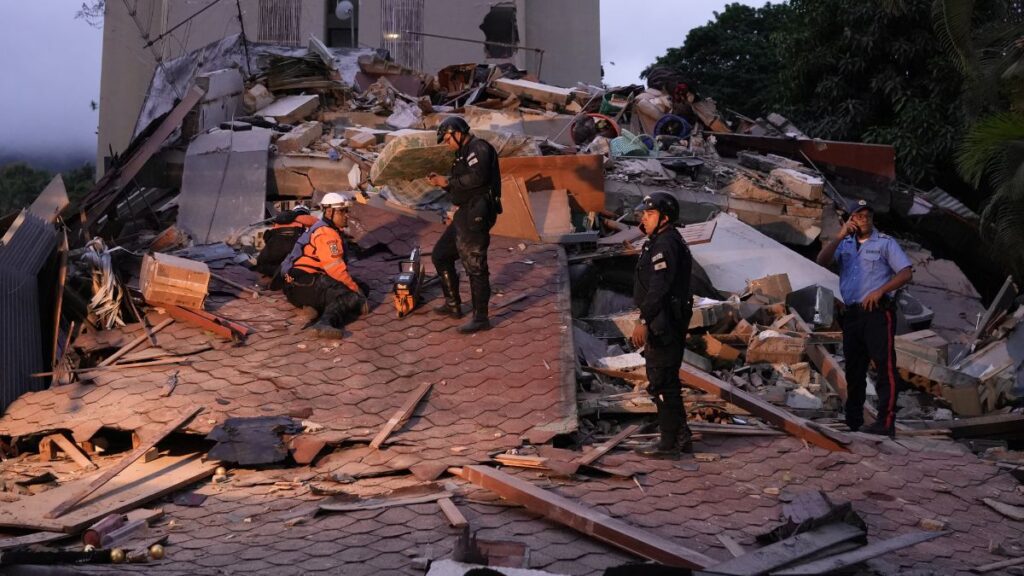
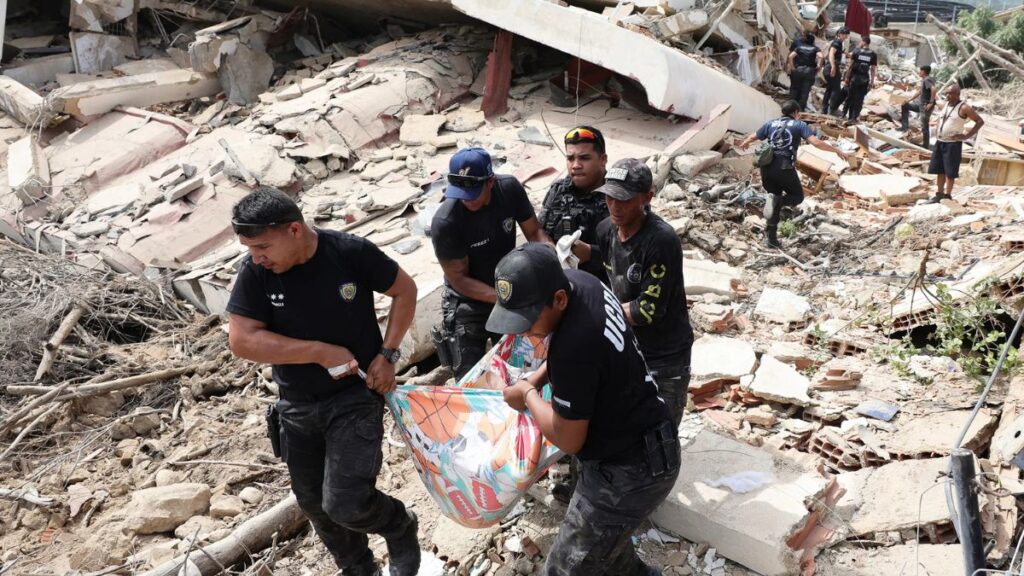
At least 235 people have died, and more than 1,500 others sustained injuries. National Assembly leader Jorge Rodriguez confirmed the rapidly rising figures on Thursday, warning that authorities expect the toll to climb further as recovery crews continue clearing debris.
The hardest-hit areas include the capital, Caracas, and the coastal city of La Guaira. Both cities suffered significant building collapses, trapping residents under rubble and damaging critical infrastructure. Thousands of families, moreover, now face displacement — with many sleeping outdoors as the full scale of destruction becomes clear.
Twin Earthquakes Struck Northern Venezuela Just 39 Seconds Apart
The US Geological Survey recorded both tremors — the first at 7.2 magnitude and the second, even stronger, at 7.5. Their near-simultaneous impact dramatically amplified structural damage across the region. Consequently, engineers and emergency officials say buildings weakened by the first quake stood little chance against the devastating second strike.
Coastal areas bore some of the heaviest destruction. Meanwhile, powerful shockwaves also reached inland communities, leaving collapsed structures and severed roads in their wake.
International Aid Begins Arriving Across Affected Regions
Global support for Venezuela is starting to flow in. International rescue teams, medical personnel, and relief supplies are reaching affected zones as governments and humanitarian organizations respond to urgent appeals. Therefore, authorities are coordinating incoming resources to ensure aid reaches the most devastated communities as quickly as possible.
Local emergency services continue operating around the clock. In addition, search-and-rescue teams are using heavy equipment and trained professionals to locate survivors still trapped beneath wreckage.
A Nation in Grief — Yet Determined to Survive
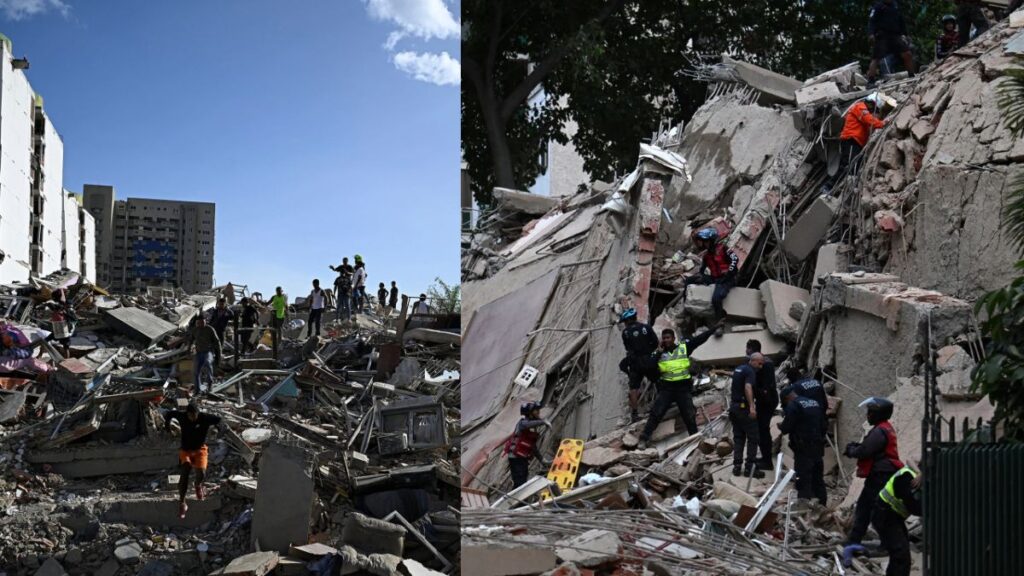
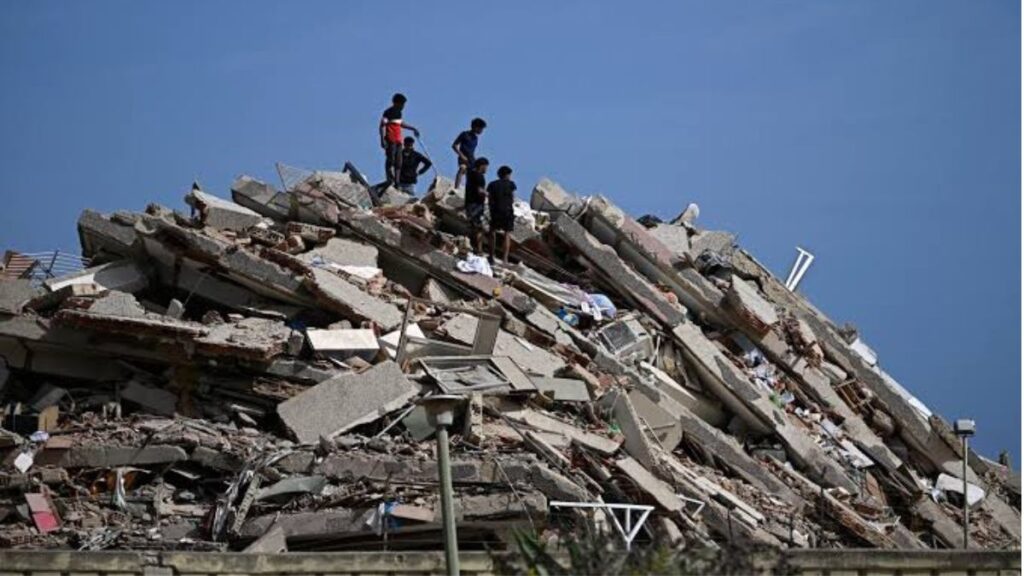
Scenes across northern Venezuela reflect immense loss alongside extraordinary human resilience. Neighbors pull together to clear rubble with their bare hands. First responders press forward without rest, driven by one shared hope — finding survivors.
Venezuela’s government has mobilized national resources while appealing to international partners for further assistance. Officials are urging calm as rescue efforts continue to intensify.
Long Road to Recovery Begins
Beyond the immediate rescue phase, Venezuela now faces the enormous challenge of rebuilding infrastructure, providing emergency shelter, and supporting thousands of displaced people. Healthcare systems in affected areas are already under strain, treating the injured while preparing for potential disease outbreaks that commonly follow major disasters.
International organizations plan to scale up their presence in the coming days. Aid distribution, field hospitals, and emergency shelters remain the most urgent priorities.
Key Takeaways
- Two earthquakes measuring 7.2 and 7.5 magnitude struck northern Venezuela within just 39 seconds of each other
- At least 235 people have died, with more than 1,500 injured across the region
- Caracas and La Guaira are among the worst-affected cities
- Rescue operations remain active, with international aid beginning to arrive
- Experts expect the death toll to rise further as recovery efforts continue
Venezuela’s people are living through one of the most painful chapters in the country’s recent history. Yet amid the rubble and the grief, rescue workers, communities, and global partners are rallying together — united by one powerful purpose: to find survivors, deliver relief, and guide this nation back toward hope.
FAQ: Venezuela’s Earthquake Rescue Teams Race to Save Survivors
1. Why Is Venezuela’s Earthquake Rescue Teams Race to Save Survivors So Critical Right Now?
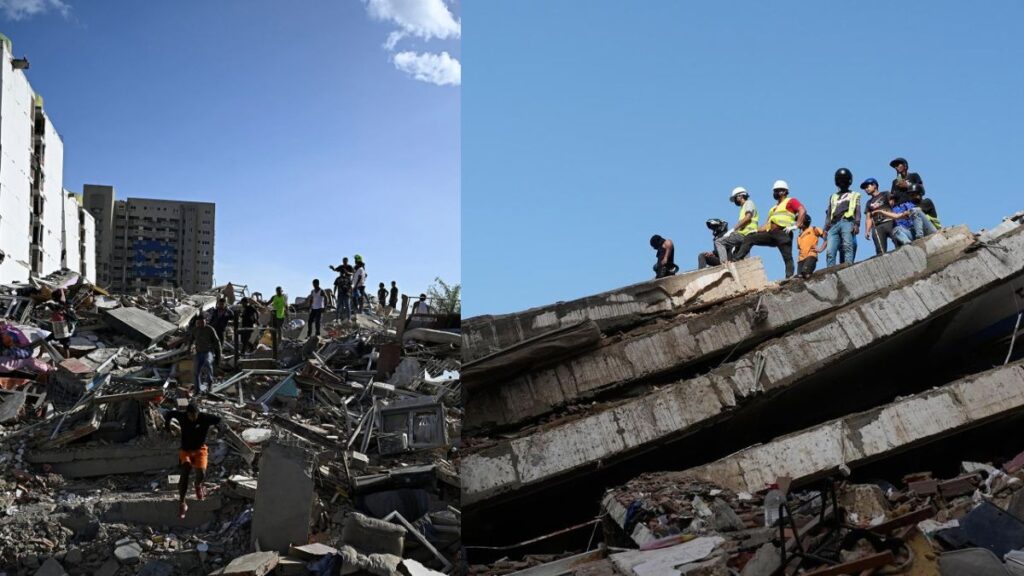
Every passing hour matters after the devastating 7.2 and 7.5 magnitude earthquakes. Rescue teams are searching collapsed buildings for survivors while medical crews treat the injured. Their rapid response offers hope to families still waiting for loved ones and helps reduce the disaster’s overall human toll.
2. How Did Venezuela’s Earthquake Rescue Teams Race to Save Survivors After the Twin Quakes?
Emergency responders immediately launched search-and-rescue operations after the twin earthquakes struck just 39 seconds apart. Using heavy machinery, rescue dogs, and specialized equipment, teams continue working day and night to reach trapped residents and provide urgent medical assistance across affected communities.
3. Which Areas Are Most Affected in Venezuela’s Earthquake Rescue Teams Race to Save Survivors?
Caracas and La Guaira remain the hardest-hit locations, where collapsed buildings, damaged roads, and disrupted services have complicated rescue efforts. Thousands of people have lost their homes, while emergency shelters and relief centers continue supporting families affected by the powerful earthquakes.
4. How Is International Aid Supporting Venezuela’s Earthquake Rescue Teams Race to Save Survivors?
Countries and humanitarian organizations have begun sending rescue specialists, medical teams, emergency supplies, and humanitarian aid. This international support strengthens local response efforts, speeds relief delivery, and helps provide food, shelter, healthcare, and hope to communities recovering from widespread destruction.
5. What Challenges Does Venezuela’s Earthquake Rescue Teams Race to Save Survivors Still Face?
Rescuers continue battling unstable buildings, blocked roads, aftershocks, and damaged infrastructure. These dangerous conditions slow recovery efforts and increase risks for emergency workers. Despite these obstacles, teams remain committed to finding survivors and helping families begin rebuilding their lives.
6. What Comes Next After Venezuela’s Earthquake Rescue Teams Race to Save Survivors?
Once rescue operations end, Venezuela will focus on rebuilding homes, restoring essential services, and supporting displaced families. Long-term recovery will require national leadership, international cooperation, and community resilience to help affected regions recover and prepare for future natural disasters.