India’s Champions Deserve Better. A nation that celebrates medals should never leave its heroes standing on the roadside, pleading with an auto-rickshaw driver to carry the very equipment that made history possible. Just hours after winning Gold and creating national records, India’s athletes were forced to explain that their fragile pole vault equipment wouldn’t break during the ride home — because no official support arrived for them. While cricket enjoys unimaginable wealth and spotlight, countless athletes in athletics, MMA, and other sports continue fighting battles far beyond the field. Behind every medal is pain, sacrifice, injuries, hunger, discipline, and years of struggle. Yet many of India’s finest talents are still abandoned when they need support the most.
Gold medals won on the track. Auto-rickshaws hailed on the road home. Why India’s most dedicated athletes are still fighting for basic support — and what must change now.
- Pole Vault National Record: 5.45m (Dev Kumar Meena & Kuldeep Kumar)
- Men’s 400m National Record: 44.98s (Vishal TK)
- South Asia Women’s MMA Strawweight Ranking: #1 (Sonam Zomba)
A Gold Medal — and No Ride Home
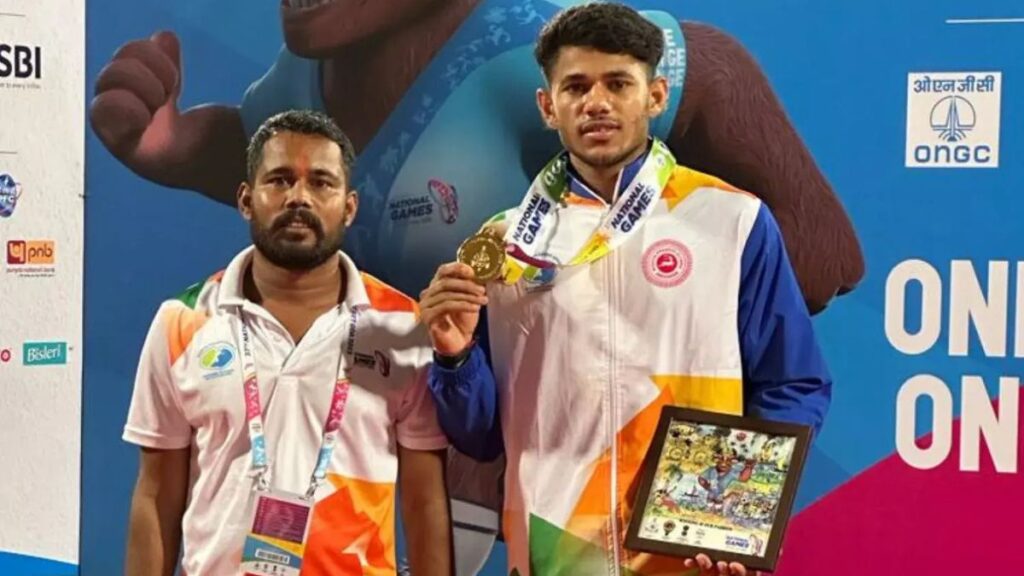
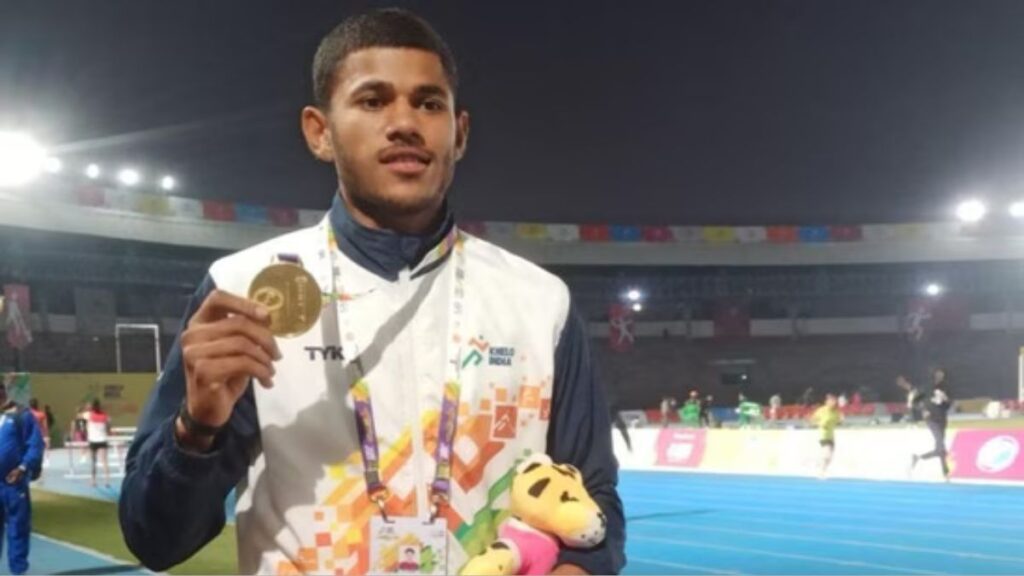
Just one hour after winning gold and setting a national record in the pole vault by clearing 5.45 meters, two Indian athletes found themselves standing on a street, trying to convince an auto-rickshaw driver to carry their equipment. Their explanation? That the pole was made of plastic, not glass fiber, so it wouldn’t shatter inside his vehicle.
This was not a scene from decades past. It happened at the same event where Gurvinder Veer Singh broke the national 100-meter record. While the athletics community celebrated those wins, no official vehicle, support staff, or transport arrangement existed for the pole vault pair. Champions were left to manage on their own.
Pole vault equipment is extremely expensive and dangerously fragile. If that pole breaks, these athletes may not be able to replace it. The absence of even basic post-competition logistics reveals a deeper problem — one that Finance Minister Nirmala Sitharaman urgently needs to address in the next sports budget.
The Inequality That Cannot Be Ignored
Cricket remains India’s most celebrated sport, and its players rightfully earn significant rewards. However, the contrast becomes deeply uncomfortable when athletes who dedicate their entire youth — enduring brutal training, strict diets, and financial hardship — receive so little institutional support in return.
These competitors sacrifice everything to represent India at the international level. Yet, after winning gold and making history, they navigate their journey home inside a three-wheeled auto-rickshaw, clutching a fragile pole and hoping it survives the ride.
India is not just failing its athletes. It is actively losing its champions because of this structural neglect.
“I completed 100 meters in under 10 seconds. But I couldn’t afford to keep going. Now I sell vegetables.” — A 17-year-old athlete’s message to a sports supporter
Talent Abandoned by the System
Stories like this arrive every day for coaches, advocates, and sports journalists across India. A teenager who clocked a sub-10-second 100-meter dash — a feat that would place most runners on a fast track to national glory — quietly quit the sport because the financial pressure became too heavy. Today, he sells vegetables at a local market.
This is not simply heartbreaking. It represents an irreversible loss of potential for an entire nation. Every young athlete who walks away due to poverty is a medal that India never wins, a record that never gets broken, a story that never gets told.
Introducing an optional sports development tax — even a modest 2% contribution from willing citizens — could channel real resources directly to athletes and infrastructure. Millions of Indians would support this, given the chance.
Vishal TK Shatters the 45-Second Barrier
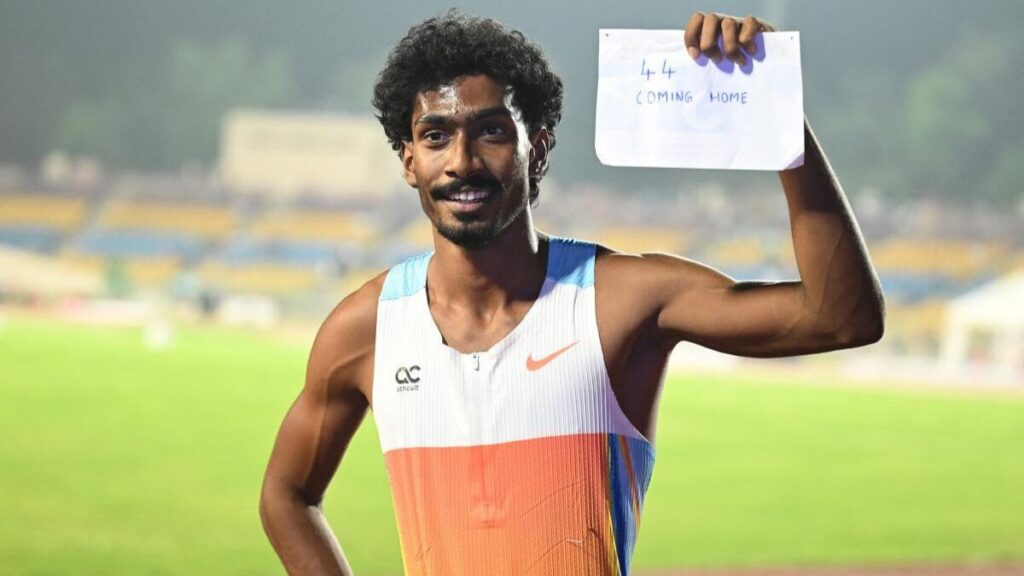
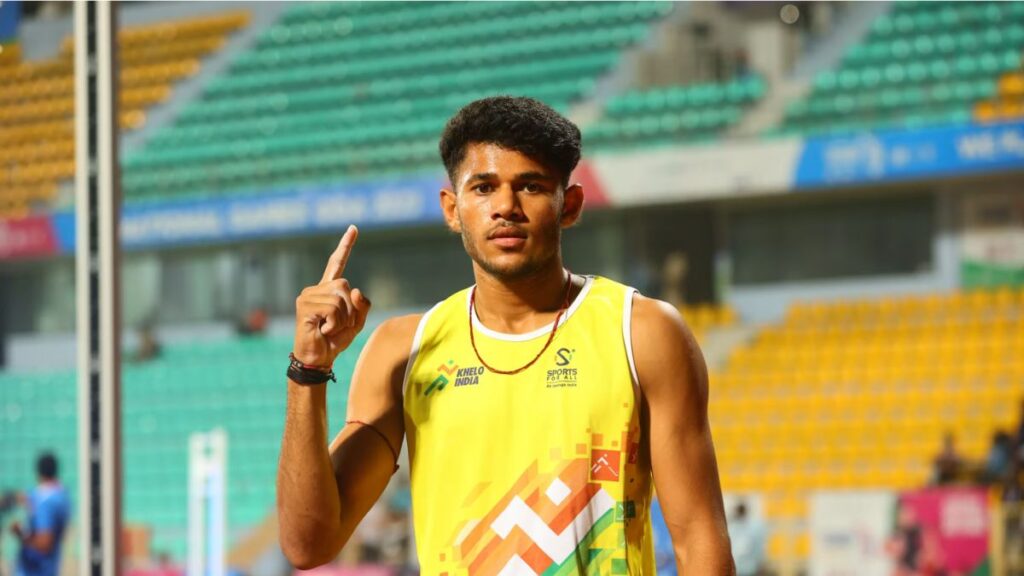
Meanwhile, Tamil Nadu sprinter Vishal TK delivered one of Indian athletics’ most defining performances at the Federation Cup. He clocked 44.98 seconds in the men’s 400 meters, becoming India’s fastest quarter-miler and breaking his own national record in the process.
More significantly, he crossed the 45-second threshold for the first time in his career — a milestone that places him among Asia’s elite 400-meter runners. After the race, Vishal reflected simply: “I trusted my training and just wanted to execute my race plan. Breaking 45 seconds has been a dream for a long time.”
Athletics officials believe the performance marks a genuine turning point for Indian sprinting. Coaches credit his improved pacing and consistent season preparation. With Asian and global championships ahead, expectations are rising fast.
From Arunachal Pradesh to South Asia’s Top Spot
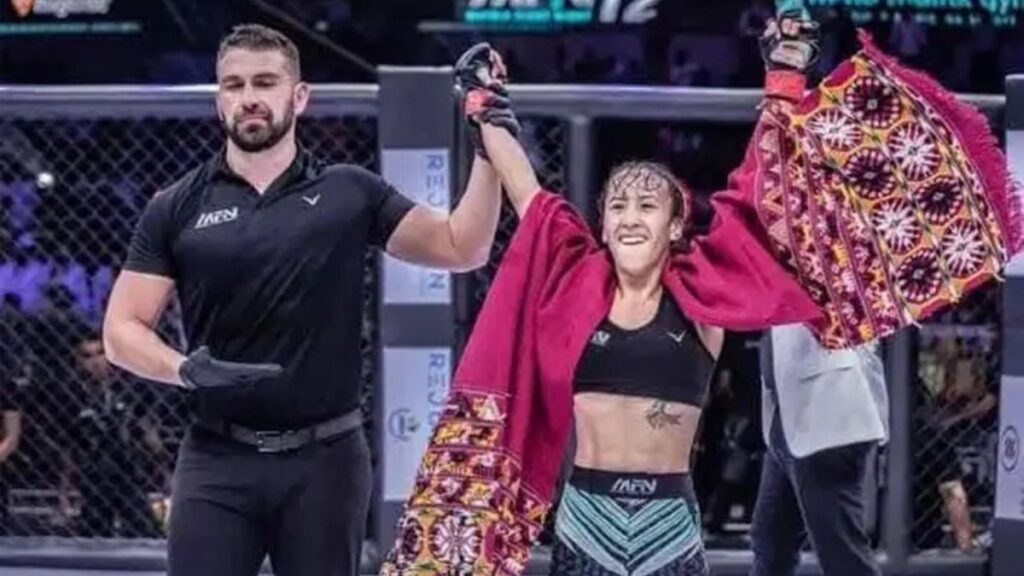
Sonam Zomba
South Asia’s #1 MMA Fighter · Arunachal Pradesh
Fought through serious injuries. No spotlight, no massive fame — just discipline, recovery, and relentless hard work. Today he carries India’s MMA rise on his shoulders.
Sonam Zomba’s story is perhaps the most quietly powerful of all. From one of India’s most remote northeastern states, he fought through serious muscle damage and constant pain — choosing recovery over retirement, discipline over defeat. Today, he holds the top MMA ranking in South Asia.
Most fans only see the victories. Behind each win lies brutal training sessions, medical setbacks, and a career nearly derailed by injury. Instead of giving in, he came back stronger. His rise is proof that India produces extraordinary fighters — when those fighters are given the chance to survive long enough to compete.
What India Must Do Next
India’s athletes are winning gold medals and breaking national records on a regular basis. The infrastructure surrounding them, however, has not kept pace. Proper transportation after competition, equipment funding, nutritional support, and financial stability for athletes between events are not luxuries — they are necessities for any serious sporting nation.
Increasing the sports budget is both a practical investment and a moral obligation. India cannot claim global ambitions in athletics while its pole vaulters hail auto-rickshaws after winning gold. The government must act — and act decisively — before more talent is lost forever.
Support India’s athletes. Share this story to raise awareness about the real challenges facing Indian sportspeople outside cricket. Every voice counts.
India’s Champions Deserve Better: Why Are India’s Gold Medalists Still Begging for Basic Support?
FAQ: India’s Champions Deserve Better
Why is the phrase “India’s Champions Deserve Better” trending emotionally among sports fans?
Because people are tired of seeing Indian athletes win medals for the country and still struggle for basic dignity afterward. Recently, two Indian pole vaulters created a national record by clearing 5.45 meters and winning Gold medals. But just one hour after making history, they were seen requesting an auto-rickshaw driver to transport their fragile pole vault equipment because no official transportation was arranged for them.
That image hurt millions of sports lovers across India.
Why does the incident with the pole vault athletes prove that India’s Champions Deserve Better?
Pole vault equipment is extremely expensive, delicate, and difficult to transport. If damaged, many athletes cannot afford replacements.
Despite setting a national record, the athletes had to explain to an auto-rickshaw driver that the pole was lightweight plastic and not dangerous glass fiber material just so he would agree to carry it.
Imagine representing your country, winning Gold, creating history — and then struggling to find transport home.
This is exactly why people are saying India’s Champions Deserve Better.
Who are the athletes that recently made India proud in athletics?
At the same event where Gurvinder Veer Singh created a national record in the 100 meters, India also witnessed history in pole vault.
Another major achievement came from Tamil Nadu sprinter Vishal TK, who became India’s fastest-ever quarter-miler by clocking 44.98 seconds in the men’s 400m.
He broke his own national record and became the first Indian to go below the 45-second barrier.
That performance placed him among Asia’s elite runners and gave Indian athletics a historic moment.
Yet many fans are asking:
If these athletes are making history, why are they still fighting for basic support?
Because India’s Champions Deserve Better.
Why are Indian athletes outside cricket struggling financially?
Most non-cricket athletes in India train with limited sponsorships, poor infrastructure, inadequate nutrition support, and almost no long-term financial security.
Many sacrifice their childhood, education, social life, and comfort just to compete for India.
While cricket generates enormous money and fame, athletes from athletics, wrestling, boxing, MMA, and other Olympic sports often struggle even after winning medals.
This imbalance is why so many people now strongly believe that India’s Champions Deserve Better.
Is India losing talented athletes because of poor support systems?
Unfortunately, yes.
Every year, many talented athletes quit sports because they simply cannot afford training, diet plans, travel expenses, equipment, or recovery treatment.
One heartbreaking example recently came from a 17-year-old boy who reportedly completed the 100 meters in under 10 seconds but had to leave athletics due to financial struggles. Today, he sells vegetables to support his family.
That is not just one person losing a dream.
That is India losing potential international medals.
That is why India’s Champions Deserve Better.
Why is Sonam Zomba’s story inspiring for Indian sports?
Sonam Zomba from Arunachal Pradesh is currently regarded as South Asia’s No. 1 MMA fighter.
But behind the victories is a story full of pain, injuries, damaged muscles, brutal training sessions, and recovery battles.
At one stage, injuries nearly destroyed his career.
Yet he refused to quit.
Without massive media attention or glamorous sponsorships, he fought through physical pain and continued dominating inside the cage through discipline and relentless hard work.
His journey proves that world-class talent exists in every corner of India — even in the most remote states.
Stories like his remind us again:
India’s Champions Deserve Better.
Why are people demanding a bigger sports budget in India?
Because better funding can completely transform Indian sports.
A larger sports budget could help provide:
- Better training facilities
- Scientific coaching
- Injury recovery support
- Athlete scholarships
- Nutrition programs
- International exposure
- Safe transportation for equipment
- Financial security for athletes
Many citizens are even willing to support an optional sports development tax if the money genuinely reaches athletes and improves infrastructure.
The public is no longer asking for luxury.
They are asking for dignity.
Because India’s Champions Deserve Better.
Can India become a global sporting powerhouse?
Absolutely.
India has extraordinary raw talent, mental toughness, and passion for sports.
From rural villages to remote mountain states, young athletes are pushing themselves beyond limits every single day.
What they need is consistent support, professional systems, financial stability, and belief.
If India invests seriously in sports beyond cricket, the country can become a dominant force in athletics, combat sports, Olympics, and global championships.
The talent already exists.
The question is:
Will the system finally recognize that India’s Champions Deserve Better?
What is the real message behind “India’s Champions Deserve Better”?
The message is simple:
Athletes should not have to beg for support after bringing glory to the nation.
A Gold medal should come with respect, dignity, infrastructure, and security — not transportation struggles and financial fear.
Whether it is a pole vaulter carrying fragile equipment in an auto-rickshaw, a sprinter breaking national records, or an injured MMA fighter silently battling through pain, every athlete represents India with pride.
And every one of them deserves better.
Because India’s Champions Deserve Better.