
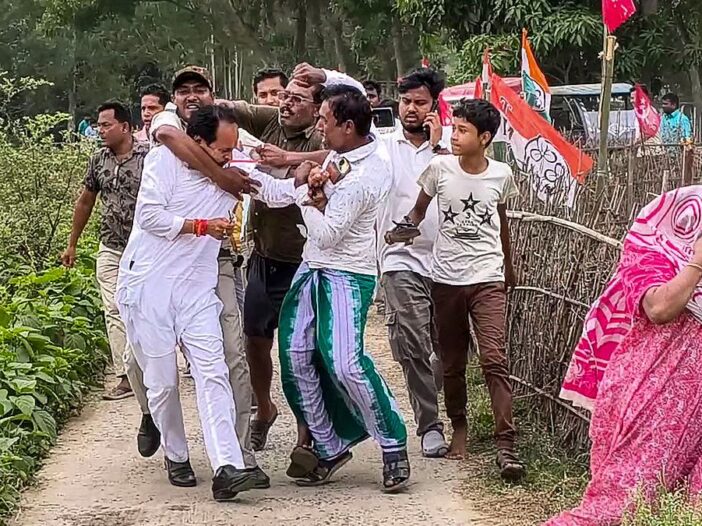
West Bengal Assembly Elections 2026 have unfolded like a gripping political drama—charged with hope, tension, and moments that leave the nation stunned. As millions stepped out with determination to shape their future, the atmosphere was anything but ordinary. While enthusiasm surged across polling booths, shocking scenes of chaos and confrontation emerged from the ground. One moment captured on camera—of a candidate running for safety—has sparked intense debate and concern. Yet, amid fear and conflict, voters stood resilient. This election is no longer just about power; instead, it has become a test of democracy, courage, and the true spirit of the people.
Sukanta Majumdar Alleges Attack on BJP Candidate in South Dinajpur—and suddenly, what should have been a routine democratic exercise feels charged with fear, urgency, and unanswered questions. As voters stepped out with hope in their hearts during Phase 1 of the West Bengal Assembly Elections 2026, disturbing reports began to surface, shaking the sense of calm many expected. According to Sukanta Majumdar, BJP candidate Subhendu Sarkar was allegedly attacked in Kumarganj, turning a peaceful polling day into a moment of tension and concern.
Moreover, this incident is not just about one candidate—it reflects a deeper anxiety among voters who expect safety, fairness, and respect for democracy. While authorities acted quickly and arrests followed, the emotional impact lingers.
Meanwhile, political accusations continue to intensify, with fingers pointed at Trinamool Congress workers. Consequently, the situation has sparked debates across the state, raising critical questions about security, accountability, and trust. As the day progresses, one thing becomes clear—this election is not just being fought at polling booths, but also in the hearts and minds of the people.
Looking Back at Phase 1 Voting in West Bengal’s 2026 Elections
West Bengal’s first phase of assembly elections on April 23, 2026, brought a blend of strong voter excitement and troubling unrest. While more people voted than ever before, several areas also saw fights, accusations, and moments of fear. So, the day highlighted both how strong democracy is and how much pressure it’s under.
BJP Candidate Attacked in South Dinajpur, Causing Worry
A troubling event in South Dinajpur quickly caught the nation’s eye. BJP candidate Shuvendu Sarkar was reportedly chased and attacked as he headed toward a polling booth in Kumarganj.
According to reports, a group of individuals thought to be supporters of other parties surrounded him. This led to chaos as security personnel had trouble getting things under control. A video that went viral made people even more worried, showing Sarkar running across a field while people chased him.
He also said that polling agents from his party were made to leave multiple booths. When he tried to step in, things got physical. So, this event brought up serious concerns about voter safety and how fair the election was.
Reports of Violence on Election Day in Several Districts
Although the South Dinajpur incident got a lot of attention, it was not the only one. Actually, many districts reported fights and trouble all day long.
For example, Murshidabad had problems late at night even before voting began. In Domkal, voters claimed they were threatened with guns, which made security forces get involved. Similarly, Birbhum and Cooch Behar also reported fights between supporters of different parties, and some people got hurt.
Besides this, reports came out about homemade bombs and roads being blocked in certain areas. Meanwhile, in Asansol South, a candidate’s vehicle was damaged, supposedly by people throwing stones. All these events showed how tense and unpredictable things were around the elections.
Election Commission Acts to Ensure Responsibility
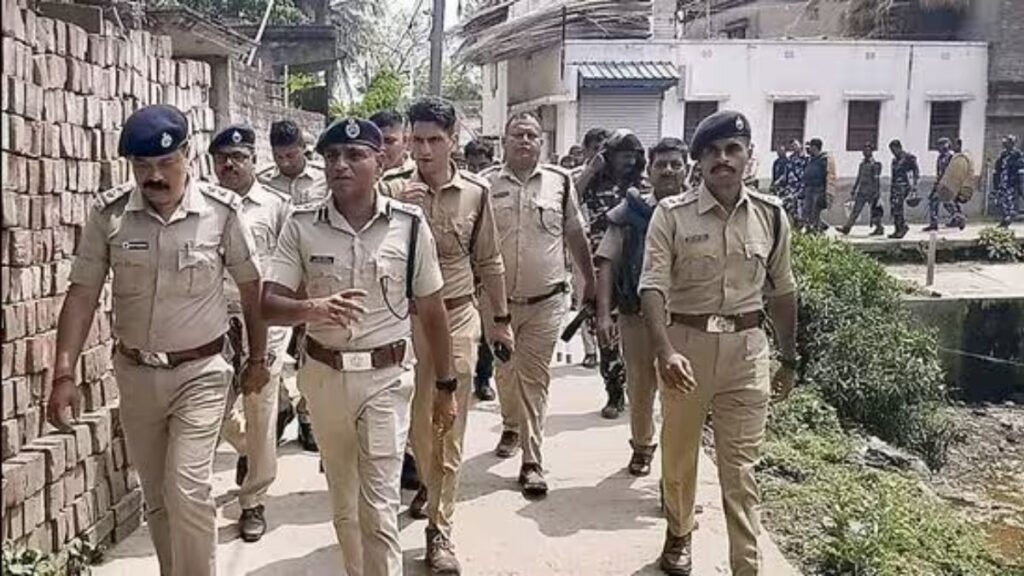
Because of these events, the Election Commission acted right away. Authorities asked local officials for full reports about what happened in Kumarganj. They also started looking at video evidence to find out who was responsible.
To stop things from getting worse, more security personnel were sent to sensitive areas. So, voting went on in most regions without big problems. Officials also told voters that democracy was still working, even with these separate incidents.
Huge Voter Turnout Shows Strong Democratic Belief
Despite tensions, voter participation hit a record high. Phase 1 saw a very high turnout of 91.78%, which is the highest West Bengal has ever seen for an election.
Throughout the day, participation kept going up. For example, turnout was over 60% by early afternoon and jumped to almost 90% by evening. This clearly shows that people were very involved and believed in the election system.
It’s worth noting that districts like Dakshin Dinajpur and Paschim Medinipur had especially high turnout. So, even with all the problems, voters showed how strong and dedicated they were.
Political Responses Show a Tough Election Fight
As expected, political reactions were very strong and split. BJP leaders worried about law and order, claiming unfairness and threats. Meanwhile, ruling party representatives talked about progress and asked voters to stay calm.
National leaders said they felt good about how their parties would do. So, these elections have turned into a very important competition that will really affect the state’s future.
Main Points from West Bengal’s Election Phase 1
- There was violence and fighting in several districts, which raised safety worries.
- The attack on the BJP candidate in South Dinajpur was a big, key event.
- The Election Commission stepped in fast to keep things orderly and make sure people were responsible.
- A record 91.78% voter turnout showed that many people took part in democracy.
- Political tensions are still high, pointing to a tough election fight coming up.
Conclusion: Democracy Put to the Test, But Standing Strong
West Bengal’s Phase 1 elections sent a strong message. On one hand, incidents of violence showed where the system was weak. But at the same time, the huge voter turnout proved that people still strongly believe in democracy.
As the state moves toward the next phases, everyone will be watching to see how officials handle security and make sure things are fair. In the end, what happens next will show if this election stands for fighting—or if it’s a win for democracy’s strength.
FAQs: West Bengal Assembly Elections 2026 – Key Questions Answered
1. What made the West Bengal Assembly Elections 2026 so significant this time?
The West Bengal Assembly Elections 2026 stood out because they combined record-breaking voter turnout with intense political competition. On one hand, millions of voters showed incredible enthusiasm. On the other hand, the high stakes between major parties turned this election into a defining moment for the state’s future.
2. Why is the attack incident during the West Bengal Assembly Elections 2026 gaining so much attention?
This incident has drawn attention because it highlights concerns around candidate safety and electoral fairness. When a candidate faces such a situation during voting hours, it naturally raises emotional and political questions about security, accountability, and the integrity of the process.
3. Were the West Bengal Assembly Elections 2026 conducted peacefully overall?
Although several areas reported clashes and tensions, most polling stations operated smoothly. In fact, the majority of voters were able to cast their votes without disruption. Therefore, while isolated incidents occurred, the broader process remained active and functional.
4. How did voters respond during the West Bengal Assembly Elections 2026 despite challenges?
Voters responded with remarkable courage and determination. Even in areas where tension existed, people stepped out in large numbers. As a result, the elections recorded an impressive turnout of over 90%, reflecting strong public faith in democracy.
5. What role did security forces play in the West Bengal Assembly Elections 2026?
Security forces played a critical role in maintaining order. Whenever tensions escalated, they intervened to control situations and protect voters. Additionally, authorities increased deployment in sensitive areas to ensure that polling continued safely.
6. What actions did officials take after incidents in the West Bengal Assembly Elections 2026?
Officials responded quickly by seeking detailed reports and reviewing available evidence. Moreover, they strengthened monitoring systems and deployed additional personnel. These steps were taken to ensure accountability and prevent further disruptions.






Leave a Reply