
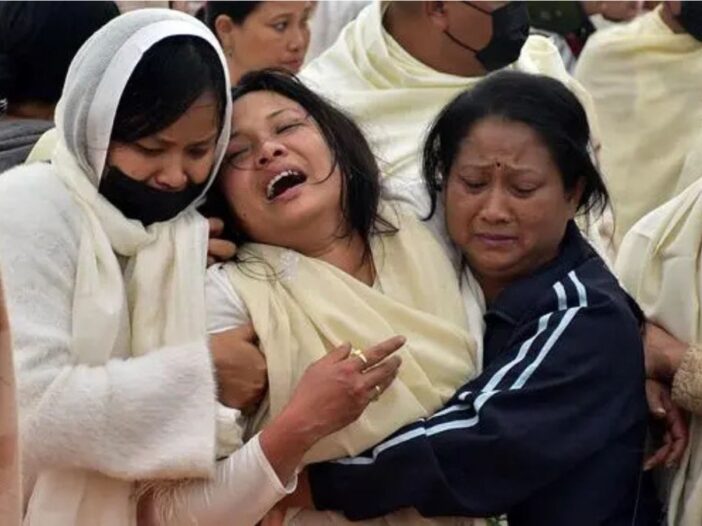
Manipur Unrest After Bomb Attack has left an entire state shaken, grieving, and searching for answers. In a moment, two innocent lives were lost, and with them, a fragile sense of calm disappeared. Since then, anger has spilled onto the streets, where thousands now march with torches, their voices heavy with pain and urgency. What began as a cry for justice quickly turned into clashes, chaos, and fear. Yet beneath the tension lies something deeper—a wounded community demanding to be heard. As emotions rise and uncertainty grows, one question echoes across Manipur: how did it come to this, and what happens next?
What led to the unrest in Manipur?
Manipur has been deeply affected by a tragic event. A serious bomb attack in Bishnupur district killed two young children, immediately causing widespread sadness and anger. After this, thousands of people came out to protest, asking for justice and quick action against those who did it.
This incident’s emotional impact encouraged communities to come together and protest. But what started as a peaceful way to show sadness quickly grew into something much more intense.
How the protests became violent
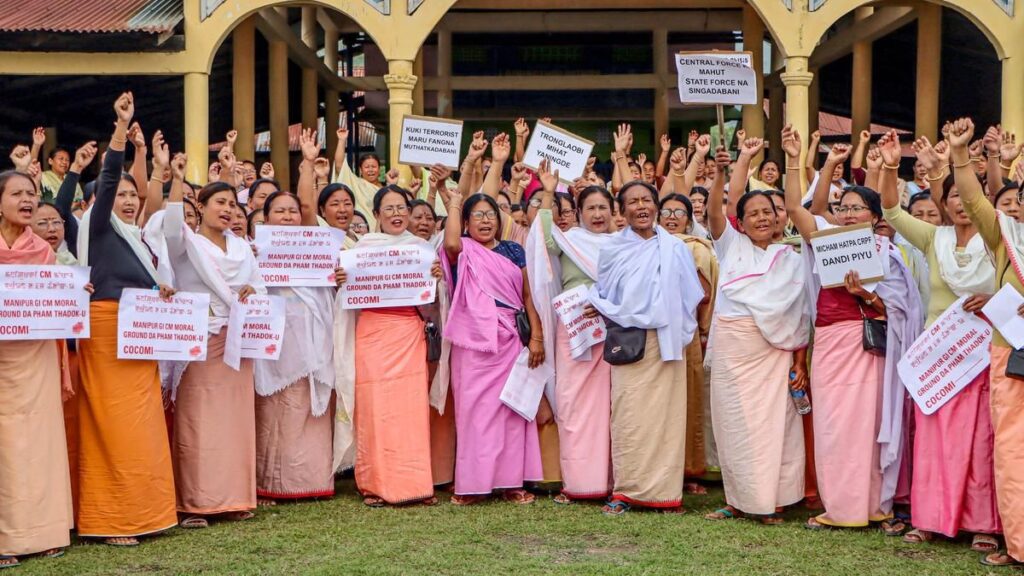
At first, people held rallies in Imphal West and surrounding areas. Thousands gathered, carrying torches to show both their sadness and their defiance. However, tensions quickly grew when security forces stepped in because of ongoing restrictions.
After this, clashes broke out. Reports say protesters threw stones and petrol bombs, and security personnel used tear gas and batons in response. Even though officials tried to manage the situation, fights got worse, creating disorder on the streets.
Arrests, Injuries, and How Police Responded
After the violence increased, police arrested at least 21 people connected to the unrest. Officials also held a 23-year-old, suspected of spreading inflammatory content online. This shows concerns that false information is adding to the tensions.
At the same time, people on both sides reported several injuries. Three security personnel were seriously hurt, and many protesters needed medical care because of tear gas and minor wounds.
Because of this, law enforcement has promised strong action against anyone trying to disturb the peace or encourage violence. Officials stressed that keeping communities in harmony is still their main focus.
Public Anger Keeps Growing, Night Rallies Continue
Even with police involvement, the protests have not stopped. Instead, demonstrations went on in many districts, often getting more intense at night. Large groups came together, ignoring restrictions and asking for justice for those who were hurt or killed.
Torch rallies, in particular, became a strong sign of public anger. Protesters expressed frustration not just about the attack itself, but also about what they saw as slow progress in finding those responsible.
So, tensions are still high, and officials are keeping a close watch on the situation.
Political Pressure and What the Government Did
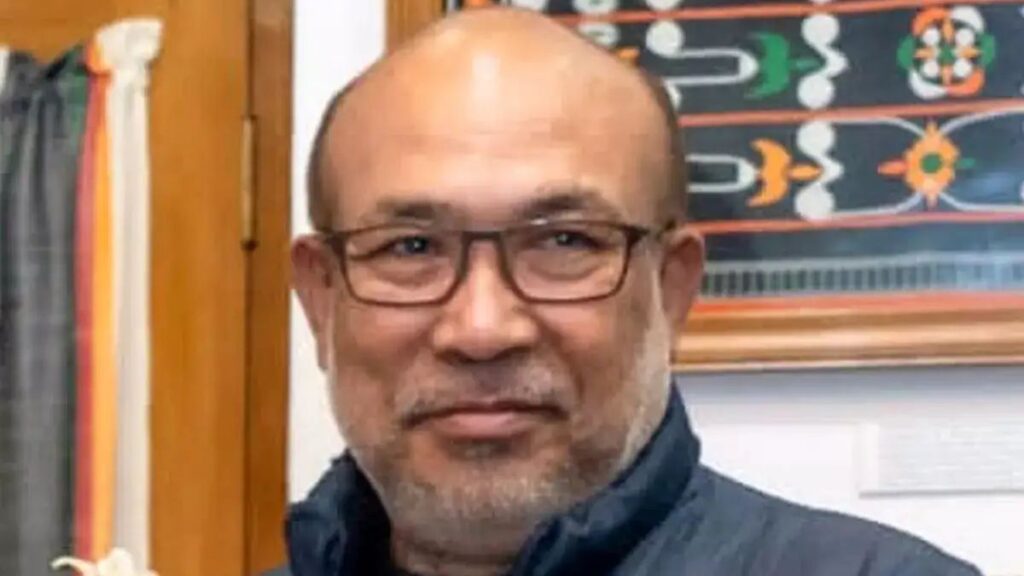
Meanwhile, this crisis has put a lot of pressure on the state government. The Chief Minister held emergency meetings and promised strong action. Also, officials put curfews in place and temporarily shut down internet services to stop false information from spreading.
On top of that, national investigation teams have taken over the case, showing how serious the incident is. Security forces have also carried out raids, resulting in arrests and finding weapons.
However, protest groups are still not satisfied. They keep asking for stronger actions, like a full investigation and better security.
Long-Standing Issues Behind the Crisis
Even though the recent bombing set off this crisis, problems that have been there for a long time are the real cause. Differences between ethnic groups in the valley and hill areas have always created ongoing tension in the region.
For instance, arguments over land rights, population worries, and political representation have made people distrust each other. Also, previous conflicts have split communities, making it hard to bring them back together.
So, this recent unrest shows not just immediate anger, but also deeper, unsolved problems that continue to affect Manipur’s unstable peace.
Main Points
A tragic bombing killed two children, which started large protests.
Protests quickly turned into violent clashes with security forces.
Police arrested 21 people and held others for encouraging unrest online.
Night rallies and public anger are still happening, even with restrictions.
The government put curfews in place, shut down the internet, and started investigations.
Old ethnic tensions are still a big problem underneath everything.
Conclusion
Manipur is at a very important point right now. On one side, the sadness from losing innocent lives has brought people together. On the other side, increasing violence could make existing divisions even worse.
However, this situation also offers a chance. If officials deal with it openly, take responsibility, and show understanding, they can rebuild trust and work towards a lasting peace.
In the end, the people protesting are not just asking for justice; they are calling for change.
Frequently Asked Questions: Understanding the Manipur Unrest After Bomb Attack
1. What exactly triggered the Manipur Unrest After Bomb Attack?
The Manipur Unrest After Bomb Attack began after a devastating explosion in Bishnupur district tragically took the lives of two young children. Naturally, this heartbreaking loss sparked deep emotional pain across communities. As a result, people gathered to demand justice, accountability, and immediate action from authorities.
2. Why did protests during the Manipur Unrest After Bomb Attack turn violent?
Although the protests started as peaceful gatherings, tensions quickly escalated. When security forces enforced restrictions, confrontations followed. Consequently, clashes broke out, leading to stone-pelting, tear gas use, and injuries on both sides. This shift reflects how grief and frustration can sometimes spiral into unrest.
3. How have authorities responded to the Manipur Unrest After Bomb Attack?
Authorities acted swiftly by arresting 21 individuals and tightening security across affected areas. In addition, they imposed curfews and temporarily suspended internet services to control misinformation. Meanwhile, national agencies stepped in to investigate the bombing, signaling a serious commitment to justice.
4. What role did social media play in the Manipur Unrest After Bomb Attack?
Social media significantly influenced the situation. On one hand, it helped spread awareness and mobilize protests. On the other hand, certain posts allegedly fueled anger and misinformation. Therefore, officials took action against individuals accused of inciting violence online.
5. Why are people continuing protests during the Manipur Unrest After Bomb Attack?
People continue to protest because they seek justice for the victims and clarity about the attack. Moreover, many feel that deeper issues remain unresolved. As emotions remain strong, night rallies and demonstrations continue to reflect both grief and determination.
6. What deeper issues are linked to the Manipur Unrest After Bomb Attack?
Beyond the immediate tragedy, the unrest connects to long-standing ethnic and political tensions in the region. For example, disputes over land, identity, and governance have created divisions over time. Therefore, this incident has reignited underlying concerns that still need meaningful resolution.
7. How is the government working toward stability after the Manipur Unrest After Bomb Attack?
The government has initiated multiple steps, including high-level meetings, increased security deployment, and ongoing investigations. Additionally, leaders have expressed grief and promised strict action. While progress may take time, these steps aim to restore calm and rebuild trust.
8. What does the Manipur Unrest After Bomb Attack mean for the future of the state?
This moment is both painful and pivotal. While the unrest highlights serious challenges, it also creates an opportunity for dialogue and reform. If handled with empathy and transparency, it could lead to stronger unity and long-term peace in Manipur.
9. How can communities heal after the Manipur Unrest After Bomb Attack?
Healing begins with acknowledgment, justice, and open communication. Communities can come together through peaceful dialogue, support for affected families, and efforts to rebuild trust. Even in difficult times, unity and compassion can guide the path forward.
10. Why should people stay informed about the Manipur Unrest After Bomb Attack?
Staying informed helps individuals understand the full picture rather than reacting to partial information. Moreover, awareness encourages responsible conversations and reduces the spread of misinformation. In times like these, informed voices can make a meaningful difference.






Leave a Reply