
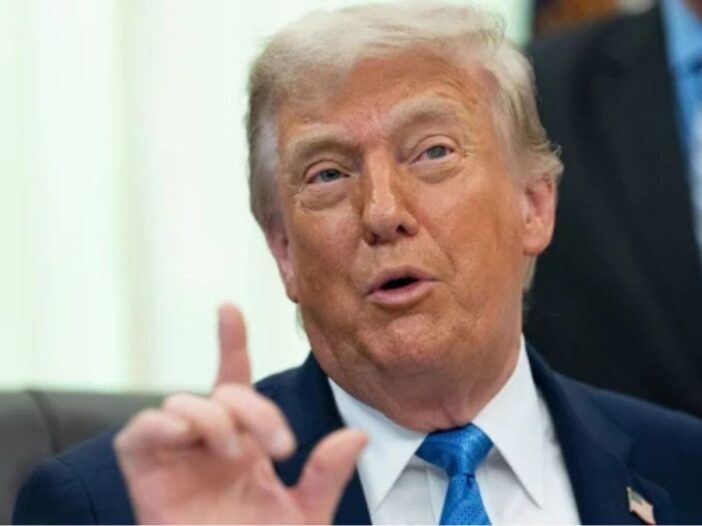
Trump Cancels Iran Strikes — But the World Is Still Holding Its Breath
Hours ago, the Middle East stood on the edge of catastrophe. Missiles were ready. Targets were locked. Then, without warning, Trump pulled back.
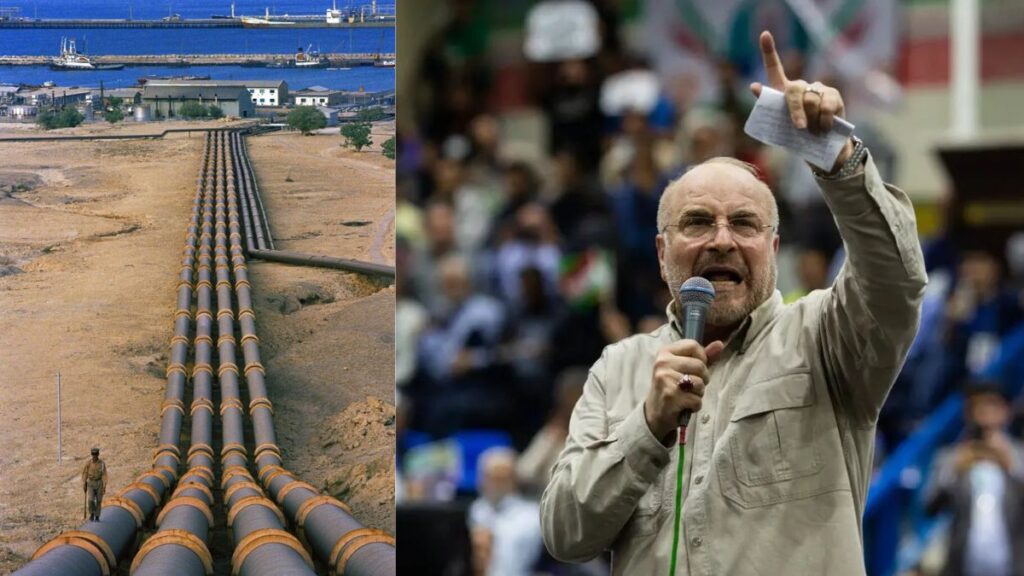
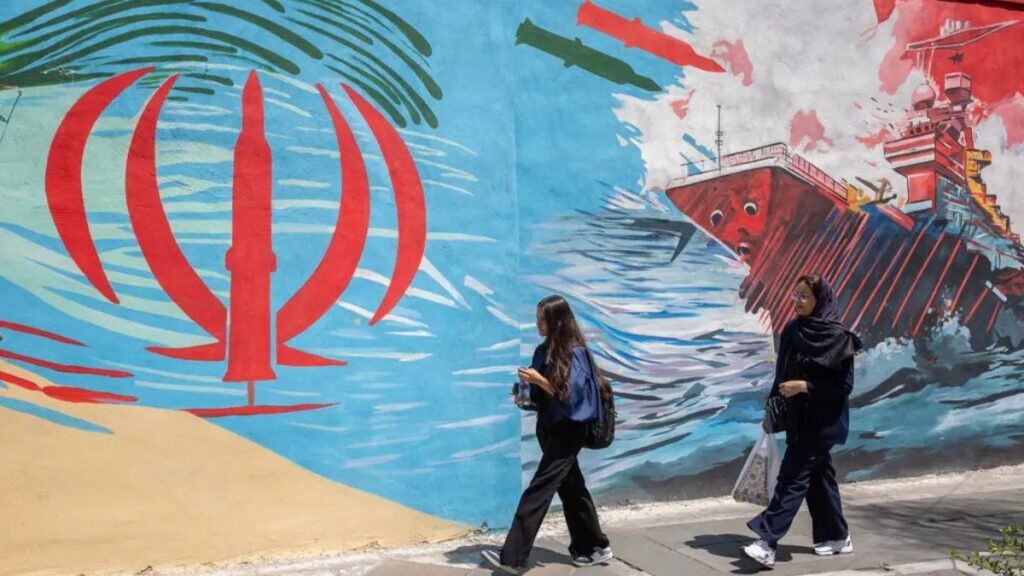
He cancelled planned strikes against Iran — claiming a historic deal is finally within reach. Markets surged. Leaders exhaled. Millions prayed it was real.
But Iran says no deal exists. The Strait of Hormuz remains closed. Three Indian sailors are already dead. And a fragile ceasefire keeps cracking under pressure.
Is this genuine peace — or just another dangerous pause before the next explosion?
Breaking developments in the U.S.-Iran conflict signal a potential turning point — but serious risks remain.
Trump Cancels Strikes at the Last Minute
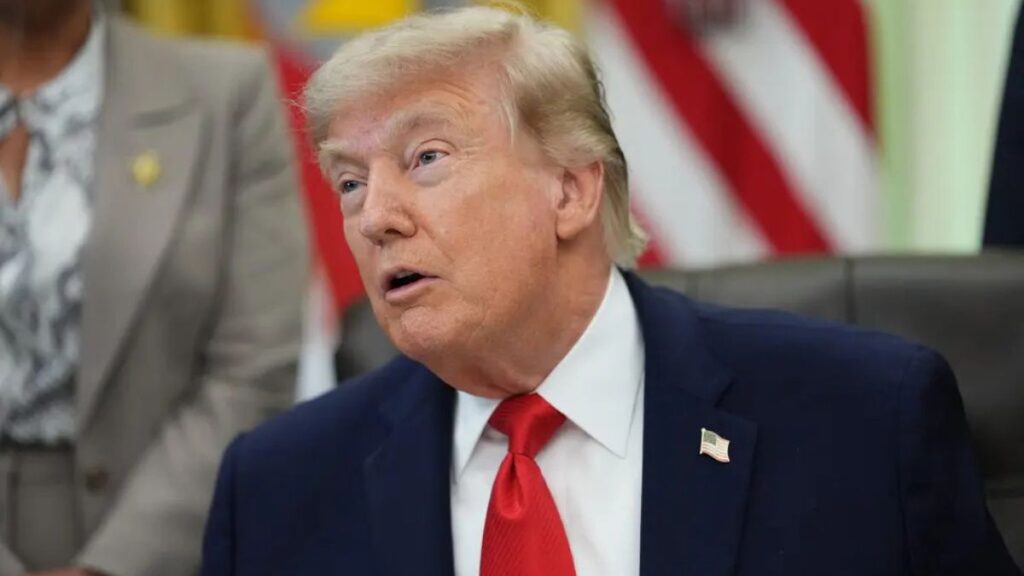
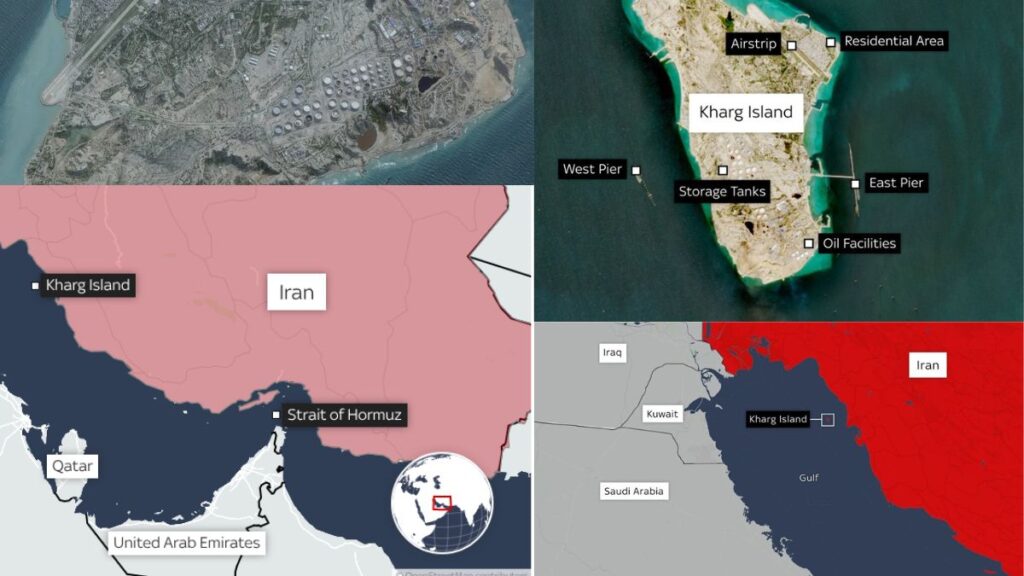
President Donald Trump announced Thursday that he had called off planned military strikes against Iran, citing significant progress in diplomatic negotiations. The decision came just hours after he threatened to hit Iran “very hard tonight” and raised the prospect of seizing Kharg Island — the heart of Iran’s oil export network.
“Based on the fact that discussions with the Islamic Republic of Iran have been brought to the highest level of Iranian leadership and approved, I have cancelled the scheduled strikes,” Trump stated.
He added that a naval blockade would remain in force until a formal agreement is signed.
What Led to This Moment
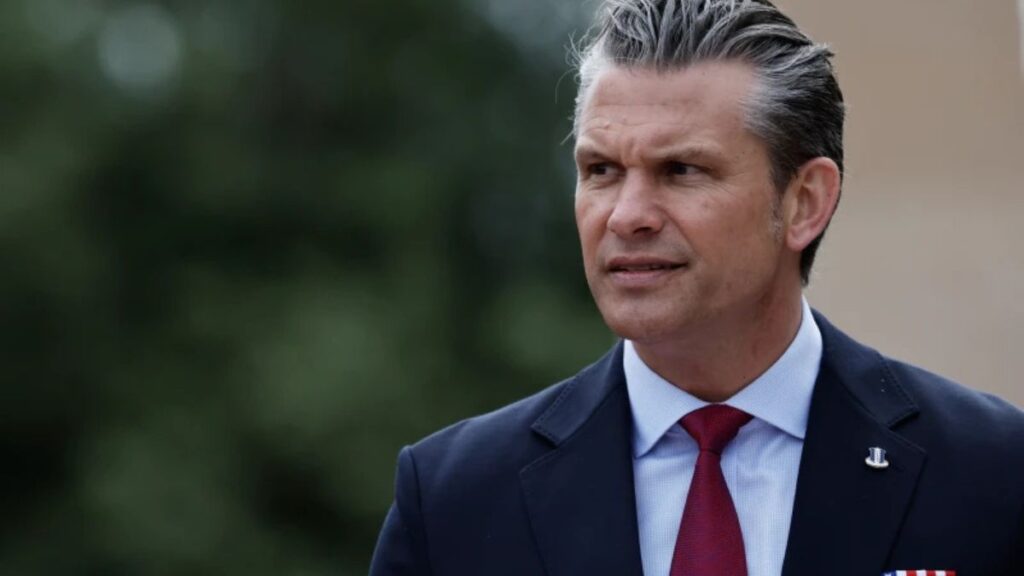
The conflict escalated rapidly over several days. U.S. forces struck Iranian air-defense systems, radar installations, and military communications facilities after Iran allegedly downed a U.S. Army Apache helicopter near the Strait of Hormuz.
Both pilots survived and were rescued safely.
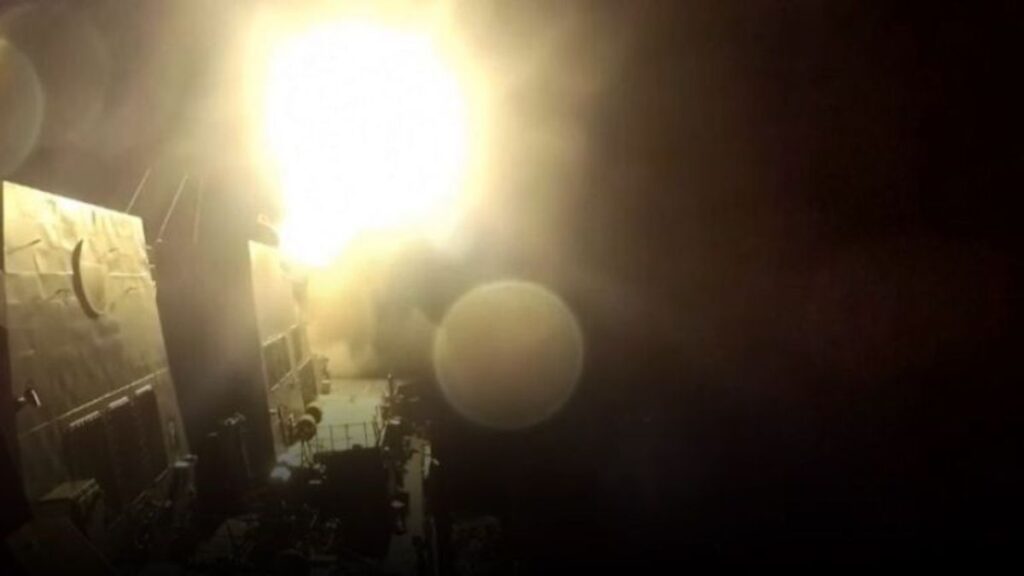
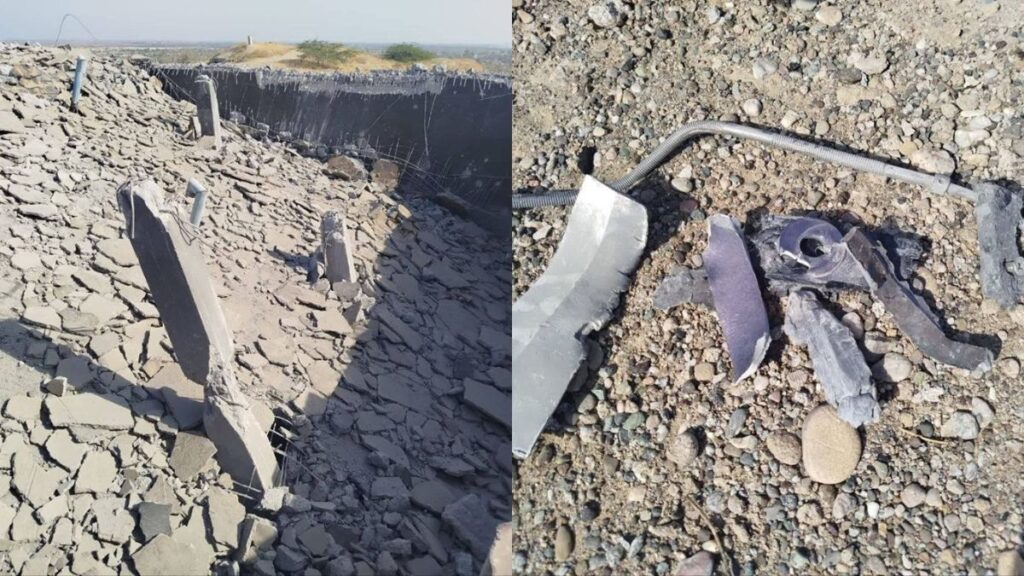
In response, Iran launched missile and drone attacks against U.S.-linked military facilities in Kuwait, Bahrain, and Jordan. Most projectiles were intercepted, though some debris caused injuries and property damage. Kuwait temporarily closed its airspace before later resuming normal operations.
Pakistan reportedly played a key mediation role, informing Trump that an agreement with Tehran had been reached — though Iranian officials did not immediately confirm this.
Iran’s Response: Skepticism and Warnings
Iranian officials cast doubt on Trump’s optimistic statements. Iran’s Fars News Agency reported that no deal had been finalized and that any agreement remains invalid without formal approval from Iranian authorities.
General Ali Abdollahi, commander of Iran’s Khatam al-Anbiya Central Headquarters, issued a stark warning: further U.S. strikes would trigger a harsher and broader regional response. Iranian parliamentary speaker Mohammad Bagher Qalibaf cautioned that continued military pressure could drag the United States into an “endless quagmire.”
The Strait of Hormuz Crisis
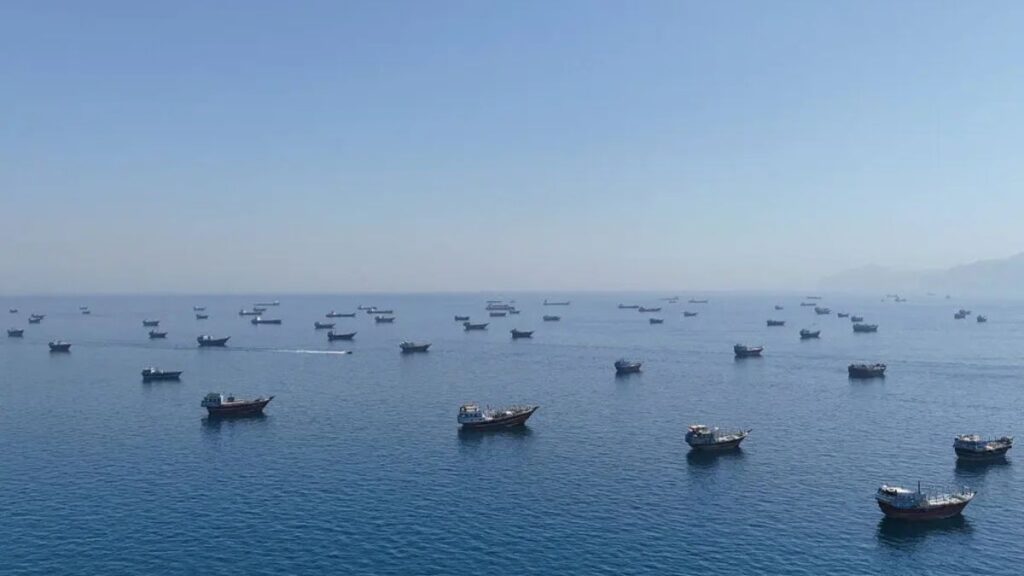
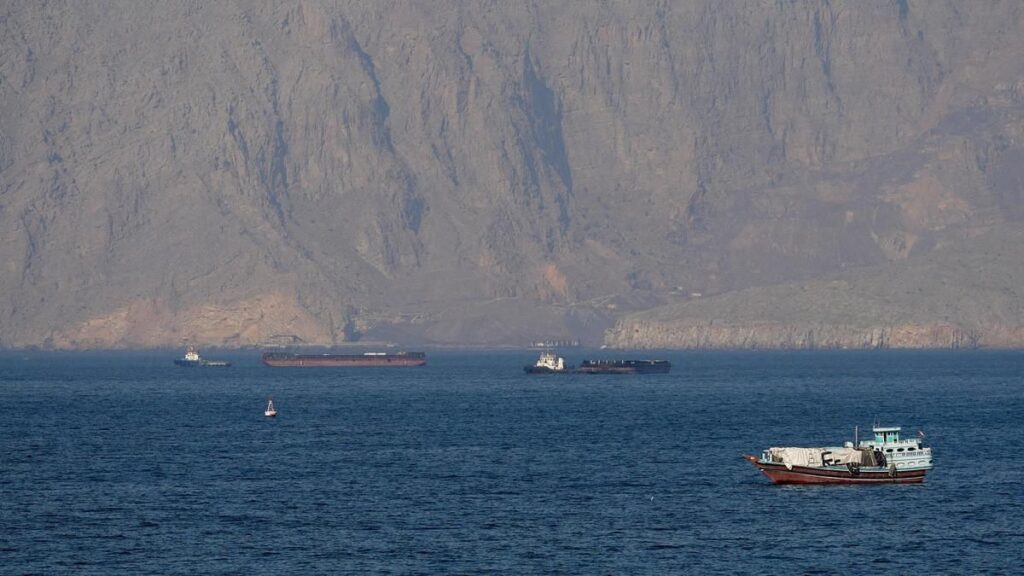
Iran declared the Strait of Hormuz closed to maritime traffic. U.S. military officials disputed that claim, stating that commercial vessels continued to transit the waterway.
Roughly one-fifth of the world’s oil trade passes through this critical chokepoint. Shipping activity dropped sharply, according to maritime tracking data, though some vessels continued moving through alternative routes.
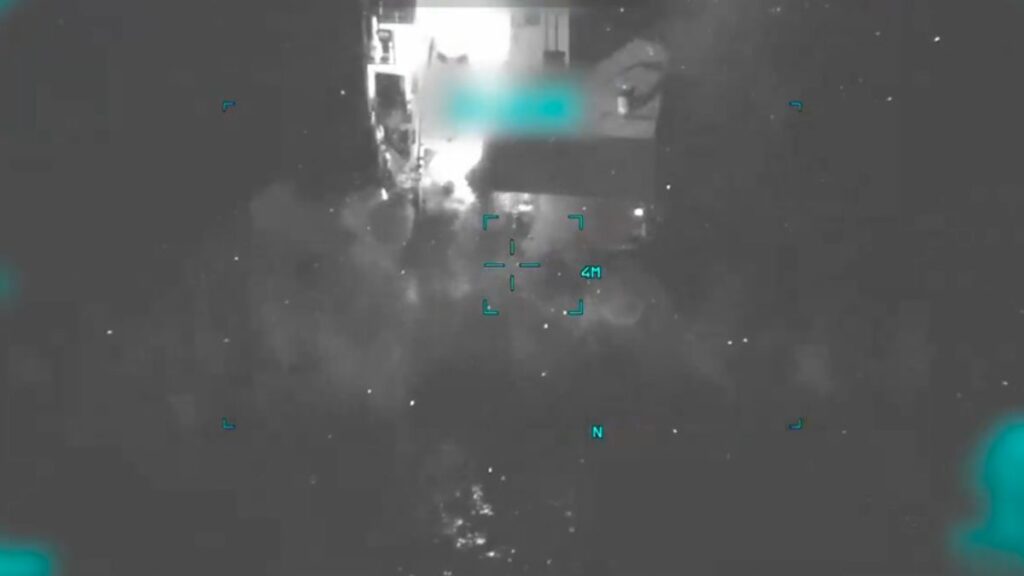
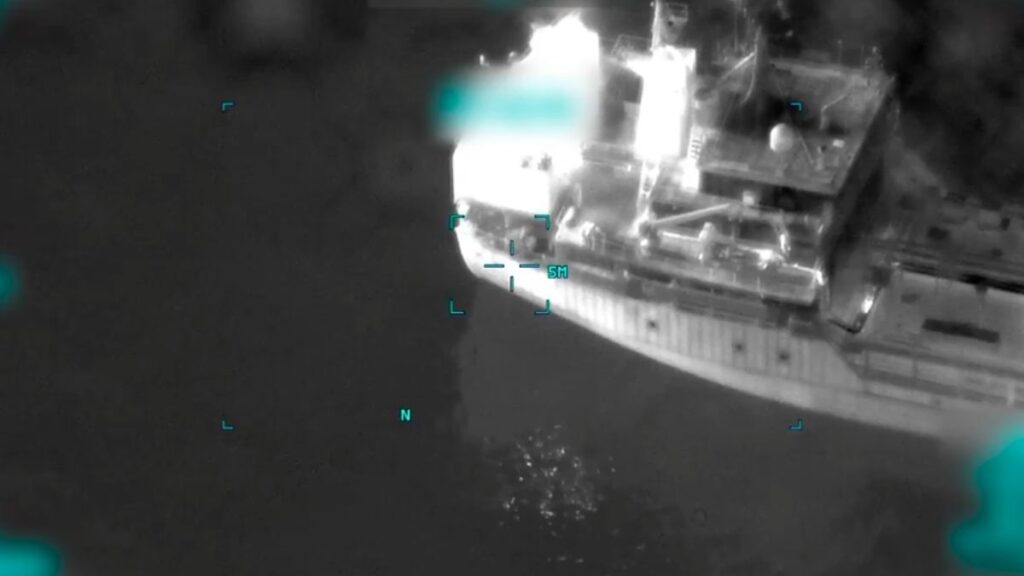
U.S. Central Command confirmed disabling multiple tankers it accused of transporting Iranian oil in violation of the naval blockade, using Hellfire missiles aimed at engine rooms.
Human Cost: Indian Sailors Killed
The conflict claimed civilian lives. Three Indian sailors died after a U.S. strike hit a tanker in the Gulf of Oman. India lodged a strong diplomatic protest with Washington and raised the issue at the United Nations Security Council.
A third vessel carrying Indian crew members — MV Jalveer — was subsequently attacked near Oman. International concern over the safety of civilian shipping crews has grown sharply.
Global Markets React
Energy markets felt the full force of the crisis. Oil prices initially surged on fears of prolonged Hormuz disruptions before falling sharply after Trump announced the strike cancellation.
The World Bank lowered its global growth forecast, warning that an expanding conflict could weaken economic activity worldwide. OPEC reduced its oil demand growth projection, and stock markets in multiple countries declined amid rising geopolitical uncertainty.
What Comes Next
Key issues still unresolved:
- Iran’s highly enriched uranium stockpile and nuclear program
- Formal reopening of the Strait of Hormuz
- Sanctions relief and frozen Iranian assets
- Regional security involving Hezbollah and Israel
- Compensation for shipping disruptions and allied damage
Trump expressed optimism that a formal agreement could be signed within days, potentially during talks in Europe involving Vice President JD Vance. However, Iranian officials have not publicly confirmed any breakthrough.
The ceasefire remains fragile. Military exchanges, maritime disruptions, and conflicting public statements from both sides continue — leaving the path to a lasting settlement deeply uncertain.
Negotiations are ongoing. This story is developing.
Frequently Asked Questions
1. Why Did Trump Cancels Iran Strikes at the Very Last Minute?
Trump cancelled the planned strikes after diplomatic discussions reportedly reached the highest levels of Iranian leadership. Pakistan played a key mediation role, informing Trump that an agreement had been reached. However, Iran has not yet formally confirmed any deal, leaving the situation uncertain.
2. How Close Is a Peace Deal After Trump Cancels Iran Strikes?
Trump described the agreement as being in its final stage and suggested it could be signed within days during talks in Europe. However, Iranian officials have pushed back, stating that no text has been formally approved. Both sides continue negotiating while maintaining military readiness on the ground.
3. What Happens to the Strait of Hormuz Now That Trump Cancels Iran Strikes?
Trump stated that the Strait of Hormuz would reopen immediately after a formal agreement is signed. Iran previously declared the waterway closed, a claim the U.S. military disputed. Since roughly one-fifth of global oil trade passes through this route, its status directly affects energy prices and supply chains worldwide.
4. Are Civilians and Sailors Safe After Trump Cancels Iran Strikes?
Serious concerns remain. Three Indian sailors died following a U.S. strike on a tanker in the Gulf of Oman. A third vessel carrying Indian crew members was also attacked nearby. India has filed a formal diplomatic protest and raised the issue at the United Nations Security Council, highlighting the growing human cost of the conflict.
5. How Are Global Markets Responding Since Trump Cancels Iran Strikes?
Oil prices fell sharply after Trump announced the cancellation, easing fears of a wider escalation. However, the World Bank has already lowered its global growth forecast, OPEC has cut its oil demand projections, and stock markets across multiple countries have declined. Full market recovery depends entirely on whether diplomacy produces a lasting agreement.
6. What Major Issues Still Need to Be Resolved Even After Trump Cancels Iran Strikes?
Several critical disagreements remain unresolved. These include Iran’s highly enriched uranium stockpile, the formal reopening of the Strait of Hormuz, sanctions relief, frozen Iranian assets, compensation for shipping damage, and broader regional security concerns involving Hezbollah and Israel. Until these issues are settled, the fragile ceasefire could collapse at any moment.




Leave a Reply