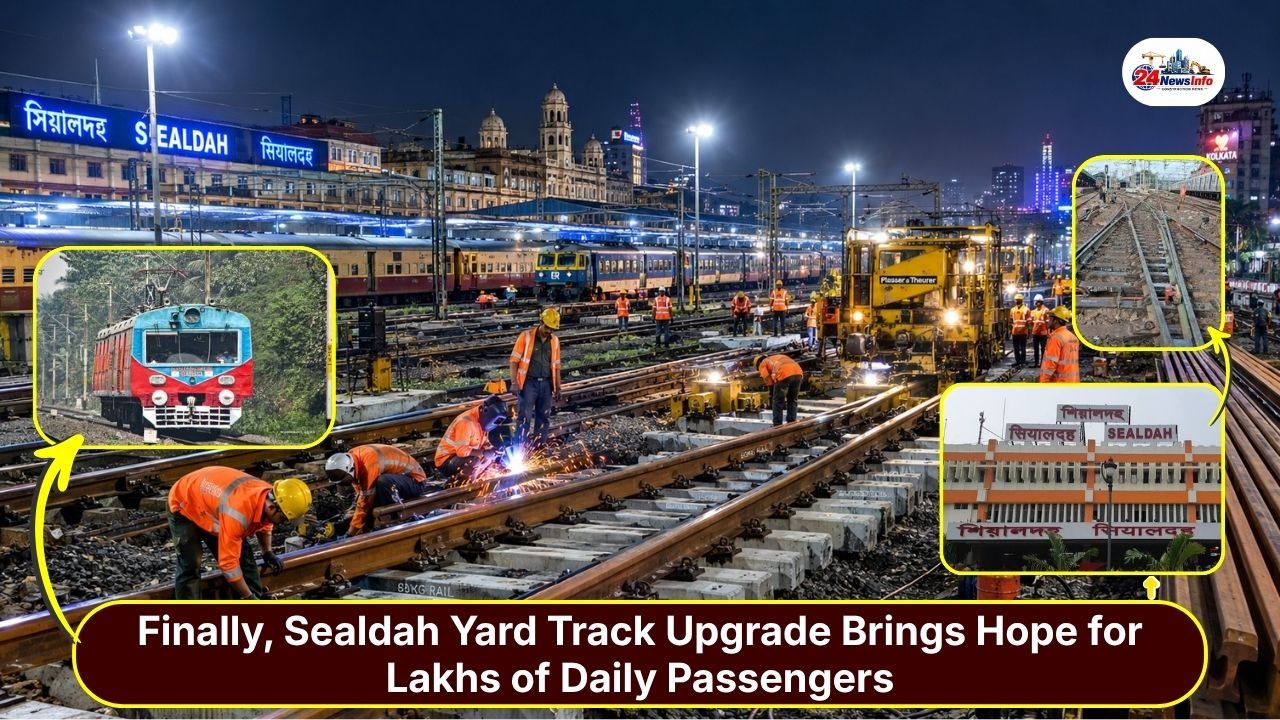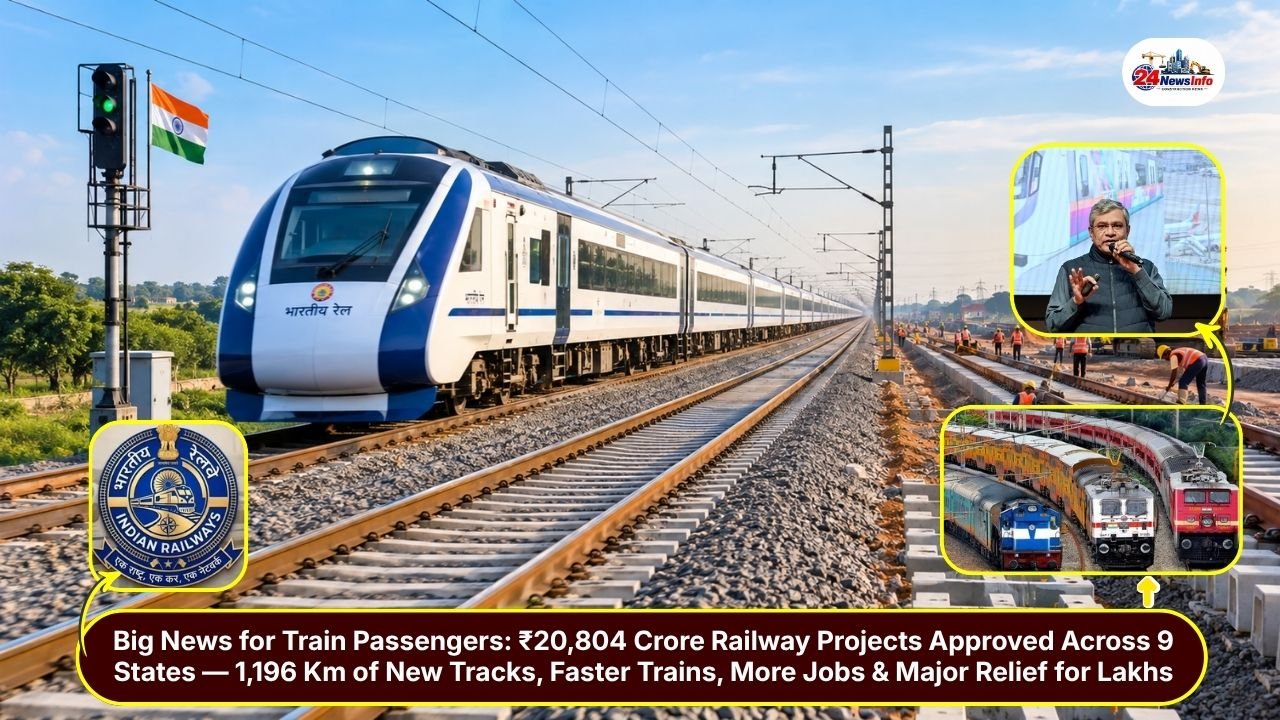
4 Railway Multitracking Projects just got the green light, and honestly, I read the news twice to make sure I wasn’t misreading it. ₹9,450 crore — that’s the kind of number that actually moves things. 410 km of new track, running through West Bengal, Odisha, Andhra Pradesh and Tamil Nadu. And we all know the story by now — trains running late, goods stuck for days on stalled freight cars, farmers watching produce rot before it even reaches a buyer.
Finally, something’s actually moving. More jobs, faster journeys, cheaper freight, cleaner air — this could genuinely change things. I can already picture that daily passenger from Baleswar smiling because his train runs on time. This is not just infrastructure. This is hope arriving on rails for lakhs of ordinary Indians.
Hey folks Indian Railways is taking another big leap. On 19 August 2026 the Cabinet Committee on Economic Affairs chaired by Prime Minister Narendra Modi gave the green signal to 4 railway multitracking projects. The total estimated cost is around ₹9,450 crore railway projects and these will add nearly 410 kilometres of new tracks across four states.
These are not just about laying extra lines. They will help passenger trains run on time speed up freight movement create jobs and even help the environment. Common people will feel the difference whether you travel by train every day or run a small business. Let’s understand why these Indian Railways multitracking projects matter so much.
What Exactly Are These 4 Railway Multitracking Projects?
The government has approved four major multi-tracking projects. These railway projects across 4 states cover West Bengal Odisha Andhra Pradesh and Tamil Nadu. They will pass through eight districts and are targeted for completion by 2030-31.
These projects come under the PM Gati Shakti National Master Plan. The clear goal is to increase railway capacity reduce congestion and improve services for both passengers and freight. According to official statements from PIB and the Ministry of Railways nearly 6448 villages with a combined population of about 60 lakh people will benifit.
Multi-tracking simply means adding a third or fourth line on existing busy routes. This allows more trains to run smoothly on the same corridor. These changes were long overdue on the crowded eastern and southern routes of India. For more such latest updates on major infrastructure projects you can always check 24newsinfo.com.
Detailed Look at the 4 Railway Multitracking Projects Where Will the New Lines Come Up?
The biggest project is the Kharagpur-Bhadrak 4th line. This 173 km fourth line will run through West Bengal and Odisha. It forms part of the busy Howrah-Chennai main line. Heavy congestion here will ease benefiting both passenger and freight movement.
The second is the Bhadrak-Haridaspur 4th line. This 75 km fourth line in Odisha will especially help freight traffic. The third project is the Gummidipundi-Gudur railway project 90 km of third and fourth lines connecting Andhra Pradesh and Tamil Nadu. It will strengthen the link between the Chennai region and eastern India.
The fourth is the Cuttack-Paradeep railway project. This 72 km stretch with third and fourth lines is crucial for industries linked to Paradip Port. Coal iron ore cement and steel will move much more easily.
Together these four projects will make a strong contribution to Indian Railways expansion.
Comparative Summary of Articles
| Key Point | Details |
|---|---|
| Total Projects | 4 Railway Multitracking Projects |
| Total Cost | ₹9,450 crore |
| Total Length | Around 410 km |
| States Covered | West Bengal Odisha Andhra Pradesh Tamil Nadu |
| Completion Target | 2030-31 |
| Villages Benefited | Nearly 6448 |
| Extra Freight Capacity | 76 MTPA |
How Will Common People Benefit?
Look the real value of any railway project shows when everyday travel becomes easier. These railway infrastructure projects will reduce waiting times and help trains run more punctually. Passengers in eastern India in particular will feel the relief. For example a daily passenger travelling from Baleswar to Kharagpur often faces long delays due to single track congestion. With the new fourth line that same journey can become smoother and more reliable for office goers and students.
People in villages will also gain a lot. Better connectivity will reach 6,448 villages. Kids get to school easier, patients reach hospitals faster, and farmers can finally move their produce without the usual hassle. Take a small farmer near Bhadrak — someone who’s always struggled to get vegetables to the bigger mandis will suddenly find it cheaper and far less of a headache. Tourist spots like Bhitarkanika National Park, Kuldiha Wildlife Sanctuary, Chandipur Beach and the region’s temples will be easier to reach too, which should give local tourism and small businesses a real boost.
People from the Hindi belt including UP and Bihar will also benefit indirectly as the national freight network becomes stronger and goods start moving cheaper and faster.
Budget Breakdown of the 4 Railway Multitracking Projects
The total outlay for these ₹9,450 crore railway projects has been carefully planned. The largest share goes to the Kharagpur-Bhadrak section while the other three projects also receive significant funds for bridges earthwork and signalling work.
Here is a simple budget view for quick understanding:
| Project | Approx Budget Share | Key Focus Area |
|---|---|---|
| Kharagpur-Bhadrak 4th line | ₹3,352 crore | Bridges and coastal alignment |
| Bhadrak-Haridaspur 4th line | ₹1,583 crore | Freight capacity boost |
| Gummidipundi-Gudur project | ₹2,229 crore | Third and fourth lines |
| Cuttack-Paradeep project | ₹2,286 crore | Port connectivity |
This clear distribution shows the government is putting money where the congestion is highest and where freight movement needs urgent support.
Impact on Jobs Freight Movement and the Environment
Thousands of people will get employment during construction. A large number of human-days of work will be generated. Even after completion maintenance and operations will continue to provide jobs. Local youth in Odisha and West Bengal can expect temporary as well as permanent oppertunities in track laying signalling and station work.
Freight capacity will see a major boost. The government estimates that these freight traffic increase projects will enable an additional 76 million tonnes of freight every year. Coal iron ore cement steel containers automobiles and foodgrains will move more smoothly. This will lower costs for industries and make products more affordable. Think of a steel plant near Paradip that earlier faced delays in raw material arrival – the new lines can cut that waiting time significantly.
On the environment front these projects are excellent. Railways are far more energy-efficient than road transport. They are expected to save around 13 crore litres of oil and reduce carbon dioxide emissions by about 65 crore kg equal to planting nearly 2.6 crore trees. Pollution will come down and the country’s climate goals will get a helping hand.
Cabinet Approves 4 Railway Multitracking Projects Comparison of the Projects
| Project Name | Type | Estimated Budget | Route / States | Target Completion |
|---|---|---|---|---|
| Kharagpur-Bhadrak 4th line | Fourth line | ≈ ₹3,352 crore | 173 km (West Bengal + Odisha) | 2030-31 |
| Bhadrak-Haridaspur 4th line | Fourth line | ≈ ₹1,583 crore | 75 km (Odisha) | 2030-31 |
| Gummidipundi-Gudur railway project | Third + Fourth lines | ≈ ₹2,229 crore | 90 km (Andhra Pradesh + Tamil Nadu) | 2030-31 |
| Cuttack-Paradeep railway project | Third + Fourth lines | ≈ ₹2,286 crore | 72 km (Odisha) | 2030-31 |
These figures are based on official sources. Overall this package of ₹9,450 crore railway projects will be a milestone in railway expansion.
What Will Change After Cabinet Approves Railway Projects?
This decision under Union Cabinet infrastructure projects is not limited to just laying tracks. It is part of the larger railway projects 2026 push that aims to strengthen logistics across the country. With extra capacity on congested routes more trains can be operated.
For traders and industries timely movement of goods is critical. Stronger links to ports like Paradip will ease exports and imports. Tourism and the local economy will also get a boost. These projects fully align with Prime Minister Modi’s vision of a New India and the goal of an Atmanirbhar Bharat.
India Railway Stations Locations
Conclusion
The approval of 4 railway multitracking projects will benefit common people businesses and the environment. An additional 410 km of capacity 76 MTPA of extra freight better connectivity for thousands of villages and new job opportunities all of this will make Indian Railways stronger.
Once these projects are completed by 2030-31 travel and freight movement on eastern and southern routes will become much smoother. This decision shows that Indian Railways expansion is not just on paper it is happening on the ground. Common people will definately feel the positive impact.
FAQs
Q1. When were these 4 railway multitracking projects approved?
They were approved on 19 August 2026 by the Cabinet Committee on Economic Affairs chaired by the Prime Minister.
Q2. What is the total cost?
The estimated cost is approximately ₹9,450 crore railway projects.
Q3. How many kilometres of new track will be added?
Around 410 kilometres.
Q4. Which states are covered by these projects?
West Bengal Odisha Andhra Pradesh and Tamil Nadu.
Q5. What is the target completion year?
By 2030-31.
Q6. How many villages will benefit?
Approximately 6448 villages with a population of about 60 lakh.
Q7. How much additional freight capacity will be created?
Around 76 million tonnes per annum MTPA.
Q8. What will be the environmental impact?
Savings of about 13 crore litres of oil and reduction of 65 crore kg of CO2 emissions.
Q9. How long is the Kharagpur-Bhadrak 4th line?
173 kilometres.
Q10. Why is the Cuttack-Paradeep railway project important?
It is crucial for industries and freight movement linked to Paradip Port.
Q11. Will these projects create jobs?
Yes both during construction and later in operations and maintenance.
Q12. Under which plan are these projects being taken up?
Under the PM Gati Shakti National Master Plan.