
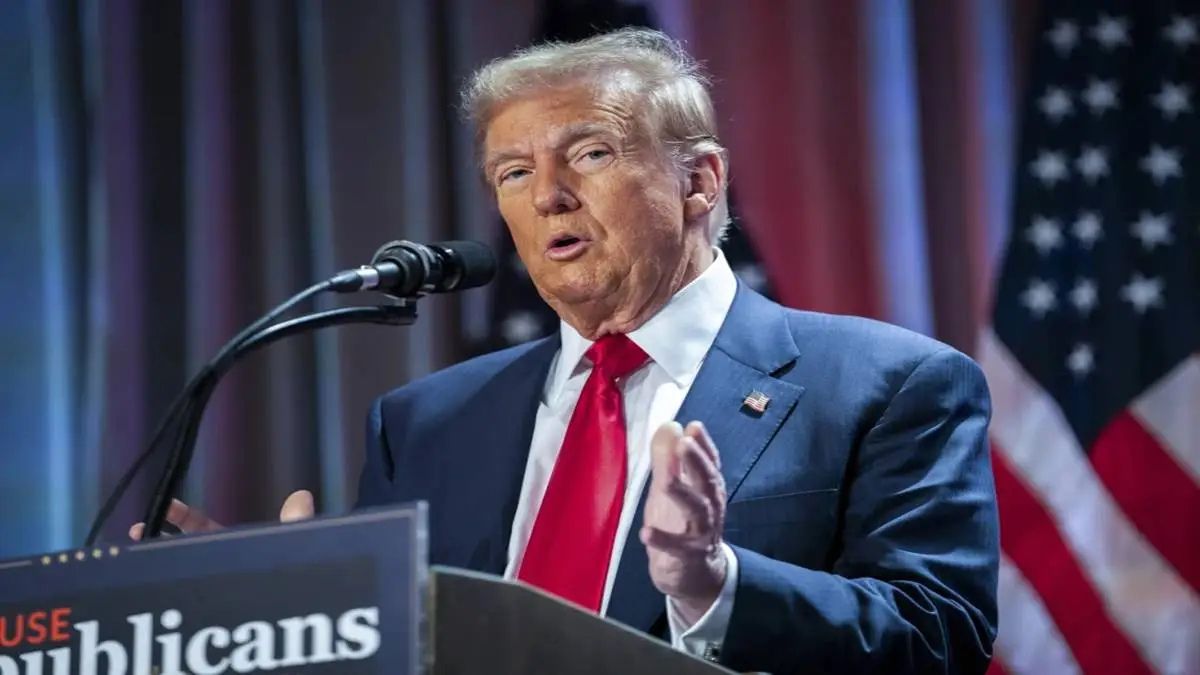
A single statement can sometimes reveal what’s really going on in global politics. Recently, Donald Trump got everyone talking by declaring, “We’ve lost India and Russia to the deepest, darkest China.”
Sure, it sounds a bit over the top at first. But it actually shows how worried people in Washington are about old friendships changing. It also makes us wonder if the way power works in the world is really changing for good.
For years, the United States saw India as a key country to help balance things against China. In fact, both sides of the American government, Democrats and Republicans, worked to build stronger relationships with India through trade and military deals.
However, Trump’s latest remarks point to something else happening. He said directly that India might be getting chummier with China and Russia. And the way he said it, a mix of sarcasm and worry, shows he’s not happy about how diplomatic relationships are shifting.
Previously, Trump was all praise for Narendra Modi during events like the “Howdy Modi” rally. Yet now, he seems to get that India cares more about doing its own thing than sticking to old alliances.
The recent Shanghai Cooperation Organisation summit in Tianjin is a big part of this story. What made it stand out was that three big leaders were there:
Xi Jinping
Narendra Modi
Vladimir Putin
This meeting was a really big deal because it was the first time Modi had visited China in a long time. And it happened after some rough times, like the border fights in 2020.
Despite past conflicts, India’s participation shows a clear plan. India isn’t picking a team; instead, it’s building stronger ties with many different countries all at once. This means they’re working together more on energy, trade, and even defense.
But even as diplomatic talks change, economic problems keep growing. Trump has put high taxes on goods coming from India, including extra charges because India bought oil from Russia.
Washington sees these actions as a way to fix trade issues where one side buys more than the other. But India doesn’t see it that way.
For example, India really needs cheap energy to keep its economy going and growing. So, for them, buying cheaper Russian oil is just a sensible business move, not some political message.
Additionally, Indian leaders have also pointed out that things aren’t consistent. Many Western countries, even some in Europe, are still buying similar energy. Because of this, India feels it’s being unfairly pressured.
All these things suggest we’re moving towards a world where power isn’t just in one or two places, but spread out.
On one hand, the United States still has a lot of power. On the other hand, countries like India aren’t just sticking with one group anymore. Instead, they’re making friends and working with others in ways that suit their own country’s needs.
As a result, China is getting more powerful in its region, Russia is making important economic deals, and India is getting more sway on the world stage.
Therefore, Trump’s statement is not just empty talk—it actually shows real worries about global power dynamics.
So, what does all this mean? It means global alliances are becoming more flexible and less predictable. India is choosing to be independent rather than sticking to old partnerships. The SCO summit really points to more cooperation among big powers. Trade disagreements between the US and India are getting worse, and it looks like a world with many power centers is quickly coming into view.
Donald Trump’s strong remark did more than just make news—it really showed how much global politics is changing at a deeper level.
While the United States remains powerful, it’s facing new challenges to its power. Meanwhile, nations like India are changing how diplomacy works by trying to get along with everyone instead of picking a team.
Ultimately, this shift points to a new time. Power isn’t just in one or two places anymore; it’s spread out. And as all these changes happen, everyone is watching to see which countries can adjust the quickest.
Frequently Asked Questions: Understanding Donald Trump’s Bold Warning on India, Russia & China
1. Why is Donald Trump’s Bold Warning on India, Russia & China creating so much global attention?
Donald Trump’s bold warning has captured worldwide interest because it reflects a deeper shift in global power dynamics. His statement suggests that major nations like India and Russia may be moving closer to China. As a result, people are questioning whether the United States is losing influence in key regions. This emotional and strategic concern makes the issue highly relevant and widely discussed.
2. What exactly did Donald Trump’s Bold Warning on India, Russia & China mean for global politics?
At its core, the warning highlights a possible realignment of global alliances. Trump implied that the traditional balance of power is changing. Therefore, this could signal the rise of a multipolar world where countries no longer rely on a single dominant power but instead build flexible partnerships.
3. How does Donald Trump’s Bold Warning on India, Russia & China impact India’s global position?
Interestingly, the warning actually underscores India’s growing strength. Instead of being tied to one bloc, India is shaping its own path. Consequently, it gains more negotiating power and flexibility in global affairs, which strengthens its long-term position.
4. Why is India engaging with both China and Russia despite tensions, as highlighted in Donald Trump’s Bold Warning on India, Russia & China?
India follows a strategy known as strategic autonomy. In simple terms, it makes decisions based on national interest rather than external pressure. For example, cooperation with Russia ensures energy security, while engagement with China maintains regional stability. Therefore, this balanced approach helps India protect its future.
5. Does Donald Trump’s Bold Warning on India, Russia & China signal a decline in US influence?
Not entirely, but it does point to a shift. The United States remains a global leader; however, its dominance is now being challenged. Meanwhile, emerging partnerships among other nations are reshaping the global order. This creates both challenges and opportunities for Washington.
6. How do trade tensions connect to Donald Trump’s Bold Warning on India, Russia & China?
Trade policies play a major role in this situation. Trump’s tariffs on India, especially related to Russian oil imports, have added friction. As a result, economic disagreements are influencing diplomatic relationships, making the global landscape even more complex.
7. What role did the SCO summit play in Donald Trump’s Bold Warning on India, Russia & China?
The Shanghai Cooperation Organisation summit acted as a powerful backdrop. It brought together leaders from India, China, and Russia, showcasing their willingness to cooperate. Therefore, the event reinforced the idea that these nations are strengthening ties, which likely influenced Trump’s remarks.
8. Is Donald Trump’s Bold Warning on India, Russia & China a sign of a new world order?
Yes, many experts believe so. The warning reflects a transition toward a multipolar world, where power is distributed among several nations. Consequently, global decisions may become more balanced but also more complex.
9. How should global leaders respond to Donald Trump’s Bold Warning on India, Russia & China?
Leaders need to adapt quickly. Instead of relying on old alliances, they must build flexible and mutually beneficial partnerships. Moreover, understanding each nation’s priorities will become essential for maintaining stability and cooperation.
10. Why should readers care about Donald Trump’s Bold Warning on India, Russia & China?
This issue goes beyond politics—it affects global trade, energy prices, and international security. In other words, these shifts can influence everyday life worldwide. Staying informed helps readers understand how global decisions may shape their future.





Leave a Reply