LPG Price Hike 2026 has hit Indian kitchens like a sudden storm nobody saw coming.
You open your phone. The notification reads ₹957.50. Your stomach drops.
Just three months ago, you were already stretching your monthly budget after a ₹60 hike. Now, another ₹29 disappears from your pocket — quietly, without warning.
For crores of Indian families, this isn’t just a number. It’s skipped meals, tighter grocery lists, and harder choices between essentials.
Meanwhile, global prices surge. Governments explain. And ordinary households simply absorb the blow — again.
So what’s really driving this hike? And how much more can families take?
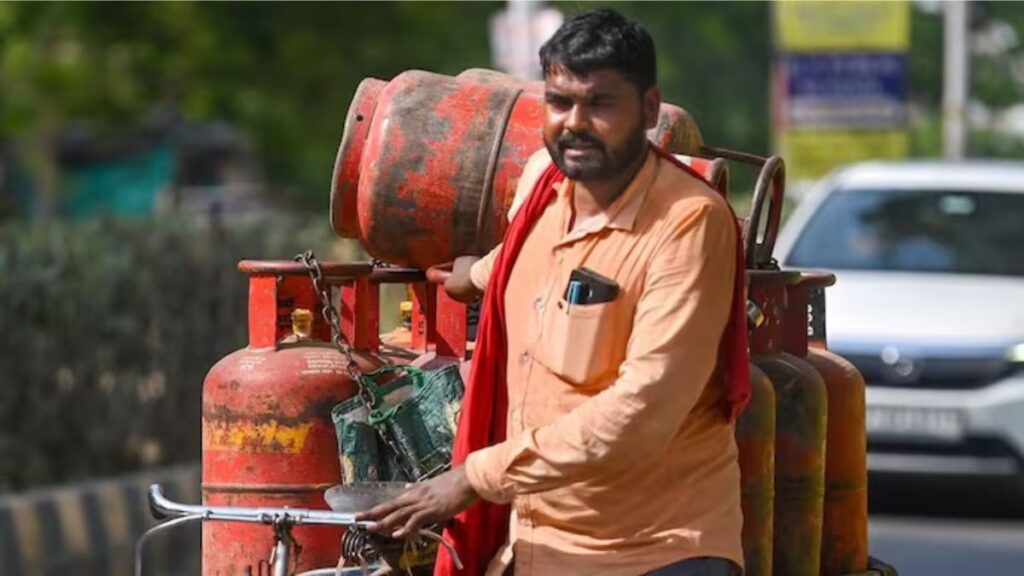
India’s cooking gas prices have surged again, hitting household budgets hard. Starting June 7, 2026, a 14.2-kg domestic LPG cylinder costs ₹957.50 in Chennai — up ₹29 from the previous rate. For millions of families already managing tight budgets, this increase stings.
Here is everything you need to know about why this happened, who bears the real cost, and what relief exists.
How Much Have LPG Prices Risen in 2026?
The ₹29 hike on June 7 follows a ₹60 increase announced on March 7. Together, these two revisions push the cumulative price rise to ₹89 per cylinder within just three months.
- Chennai price: ₹957.50 per 14.2-kg cylinder
- Delhi price: ₹942 per cylinder (up from ₹913)
Consumers who booked refills before June 7 but have not yet received delivery must pay the revised rate. Oil companies will cancel existing bills and issue fresh ones. Those who paid online can settle the price difference directly with the delivery person.
Why Did the Government Hike Prices Now?
The primary driver is the sharp rise in global LPG prices triggered by disruptions in West Asia and the Strait of Hormuz.
India imports around 60% of its LPG requirement, with prices linked to the Saudi Contract Price benchmark. That benchmark stood at approximately US$542.50 per tonne in February 2026. However, shipping disruptions pushed it to US$775 per tonne in April and further to US$790 per tonne in June — a 46% surge in just four months.
Around 54% of India’s LPG consumption depended on imports routed through the Strait of Hormuz. Despite this vulnerability, the government says India maintained uninterrupted energy supplies throughout the crisis and faced no shortage of petroleum products.
To reduce dependence on disrupted routes, domestic LPG production increased by more than 60% — from about 32 TMT to approximately 52 TMT — while sourcing expanded to the US, Canada, and Algeria.
What Is the Real Cost of an LPG Cylinder?
According to official government figures, the actual cost of supplying a domestic 14.2-kg cylinder has now crossed ₹1,600. Yet consumers in Delhi pay only ₹942 — meaning the gap between real cost and retail price stands at roughly ₹700 per cylinder.
Public sector oil marketing companies absorb that difference as under-recovery. By the end of the last financial year, cumulative under-recovery on domestic LPG reached ₹60,000 crore, up from ₹41,338 crore the previous year. The Union Cabinet has approved ₹30,000 crore in compensation to these companies.
How Ujjwala Beneficiaries Stay Protected
Pradhan Mantri Ujjwala Yojana beneficiaries continue to receive a ₹300 subsidy per cylinder on their first four refills every year. As a result, their effective price remains ₹642 per cylinder — significantly lower than the general consumer rate of ₹942.
The government notes that the Ujjwala price is approximately 60% below the actual international cost of a cylinder. More than 10.58 crore connections benefit from this scheme, providing meaningful relief to lower-income households.
Is India’s LPG Really Among the World’s Cheapest?
The government released a cross-country price comparison to contextualize the increase. According to official figures, even the general consumer price of ₹942 remains lower than cooking gas costs across neighbouring and developed nations:
| Country | Equivalent LPG Price (INR) |
|---|---|
| Pakistan | ₹1,046 |
| Nepal | ₹1,207 |
| Bangladesh | ~₹1,225 |
| Sri Lanka | ₹1,241 |
| United States | ~₹1,755 |
| Australia | ~₹1,765 |
| Canada | ~₹2,411 |
Meanwhile, Ujjwala beneficiaries at ₹642 pay far less than consumers in any of these countries.
What Happens If You Already Booked a Refill?
If you booked your cylinder before June 7 but have not received it yet, your existing bill stands cancelled. A fresh bill at the revised ₹957.50 rate (Chennai) applies. Online payment holders simply pay the price difference to the delivery person upon receipt.
Key Takeaways
- LPG prices in Chennai rose ₹29 on June 7, reaching ₹957.50 per cylinder
- The cumulative hike over three months totals ₹89 per 14.2-kg cylinder
- Global LPG benchmark prices surged 46% since February due to the West Asia and Hormuz crisis
- The actual cost of supply exceeds ₹1,600, with oil companies absorbing a ~₹700 under-recovery
- Ujjwala beneficiaries pay an effective ₹642, protected by a ₹300 subsidy
- India’s domestic prices remain lower than those in Pakistan, Nepal, Bangladesh, the US, and Canada
- Already-booked but undelivered cylinders attract the revised rate
Price hikes are never easy. However, understanding the full picture — global supply shocks, government absorption of costs, and the protection extended to lower-income households — helps place today’s increase in proper context. For now, India’s cooking gas prices, despite rising, remain among the more affordable globally.
FAQ: LPG Price Hike 2026
Q 1: Why Did the LPG Price Hike 2026 Happen So Suddenly Across India?
The LPG Price Hike 2026 is primarily linked to a sharp increase in global LPG prices caused by geopolitical tensions in West Asia and disruptions along the Strait of Hormuz, one of the world’s most important energy shipping routes. Since India imports a significant portion of its LPG requirements, rising international prices directly impact domestic rates. Although the government and oil companies absorbed a large share of the increased cost, a price revision became necessary to manage growing financial pressure and ensure uninterrupted LPG supplies nationwide.
Q 2: How Much Has the LPG Price Hike 2026 Increased Household Cooking Gas Expenses?
The LPG Price Hike 2026 has increased domestic cylinder prices by a cumulative ₹89 within three months. After a ₹60 increase in March and another ₹29 rise in June, consumers are now paying substantially more for every 14.2-kg cylinder. In Chennai, the latest price stands at ₹957.50, while in Delhi it has reached ₹942. For families managing monthly budgets carefully, even a modest increase in cooking fuel expenses can have a noticeable impact on household finances.
Q 3: Does the LPG Price Hike 2026 Mean Consumers Are Paying the Full Cost of a Cylinder?
No. Despite the LPG Price Hike 2026, consumers are still paying far less than the actual cost of supplying a domestic LPG cylinder. According to government estimates, the real cost has crossed ₹1,600 per cylinder. However, consumers in major cities are paying around ₹942–₹957.50. The remaining amount is absorbed by public sector oil marketing companies as under-recovery, helping protect households from the full impact of global energy price volatility.
Q 4: How Does the LPG Price Hike 2026 Affect Ujjwala Scheme Beneficiaries?
The LPG Price Hike 2026 has minimal impact on beneficiaries of the Pradhan Mantri Ujjwala Yojana. Eligible households continue to receive a ₹300 subsidy on their first four refills each year. As a result, their effective cylinder price remains around ₹642, significantly lower than the market rate. This support provides meaningful relief to millions of lower-income families and helps ensure access to clean cooking fuel despite rising international prices.
Q 5: Is India’s LPG Still Affordable Compared to Other Countries After the LPG Price Hike 2026?
Yes. Even after the LPG Price Hike 2026, India’s domestic LPG prices remain comparatively lower than those in many neighboring and developed countries. Government data indicates that consumers in countries such as Pakistan, Nepal, Bangladesh, Sri Lanka, the United States, Australia, and Canada generally pay more for an equivalent LPG cylinder. While Indian households understandably feel the burden of rising prices, the country continues to maintain relatively affordable cooking gas rates on a global scale.
Q 6: What Should Consumers Know About Existing Bookings After the LPG Price Hike 2026?
One of the most common questions surrounding the LPG Price Hike 2026 is whether previously booked cylinders will be delivered at the old rate. Unfortunately, if the refill was booked before the price revision but not delivered before the new rates came into effect, consumers must pay the revised price. Existing invoices are cancelled and fresh bills are generated. Customers who already paid online can simply settle the difference amount with the delivery executive at the time of delivery.