Kolkata Schoolgirl Gang Rape: She was just walking home from school. A familiar face offered a ride. Chocolates. A smile. Then darkness.
When she woke up, everything had changed — forever.
For weeks, this child carried an unbearable secret. Fear sealed her lips. Trauma swallowed her voice. Only when her parents noticed her fading before their eyes did the horrifying truth finally surface.
A minor. Drugged. Betrayed by a classmate. Gang-raped in a moving car on the streets of Kolkata.
And still — the accused roam free.
This is not just a crime. This is a collective failure demanding an immediate answer.
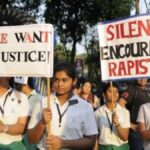
Student, youth, and women’s organizations unite in urgent demonstration after accused perpetrators remain at large — weeks after a minor was drugged and sexually assaulted following school hours.
Key Points
- A minor schoolgirl was abducted, drugged, and gang-raped in Sarsuna, Kolkata
- The incident occurred in April; the survivor disclosed it weeks later due to trauma and fear
- Family filed an FIR at Sarsuna Police Station on May 20
- AIDSO, AIDYO, and AIMSS staged a protest and submitted a deputation on May 27
- Police assured all accused would be arrested and punished within 60 days
- Organizations vowed to continue the movement until justice is delivered
A schoolgirl’s nightmare began on an ordinary afternoon in Kolkata’s Sarsuna area. After school hours, a group of men — including an acquaintance of the survivor and two others she did not know — lured her into a vehicle. They offered her chocolates laced with a sedative, rendering her unconscious. While she was unable to resist, those men committed gang rape against her.
Weeks passed before her family learned the truth. Noticing her deteriorating health and growing silence, her parents pressed her with gentle concern. Only then did the survivor, weighed down by trauma and fear, find the strength to share what had happened to her. On May 20, the family formally lodged an FIR at Sarsuna Police Station.
Accused Still Free: Community Erupts in Protest
Despite weeks having passed since the incident, not all accused had been arrested. This failure to act swiftly prompted three prominent civil society organizations to raise their voices publicly. On May 27, members of AIDSO, AIDYO, and AIMSS converged outside Sarsuna Police Station for a demonstration, demanding both immediate arrests and exemplary punishment for every perpetrator.
Initially, police officers attempted to sidestep the demonstrators’ demands. However, sustained pressure from the crowd forced authorities to issue a formal assurance — all accused would be arrested and punished within 60 days.
Protest Leadership
The demonstration was led by three organizational representatives who coordinated the demands and community response.
Comrade Pintu Das Kolkata District President, AIDSO
Comrade Sanjay Biswas Kolkata District President, AIDYO
Comrade Ananya Naiya Kolkata District Secretary, AIMSS
The Silence Around This Crime Is Just as Dangerous
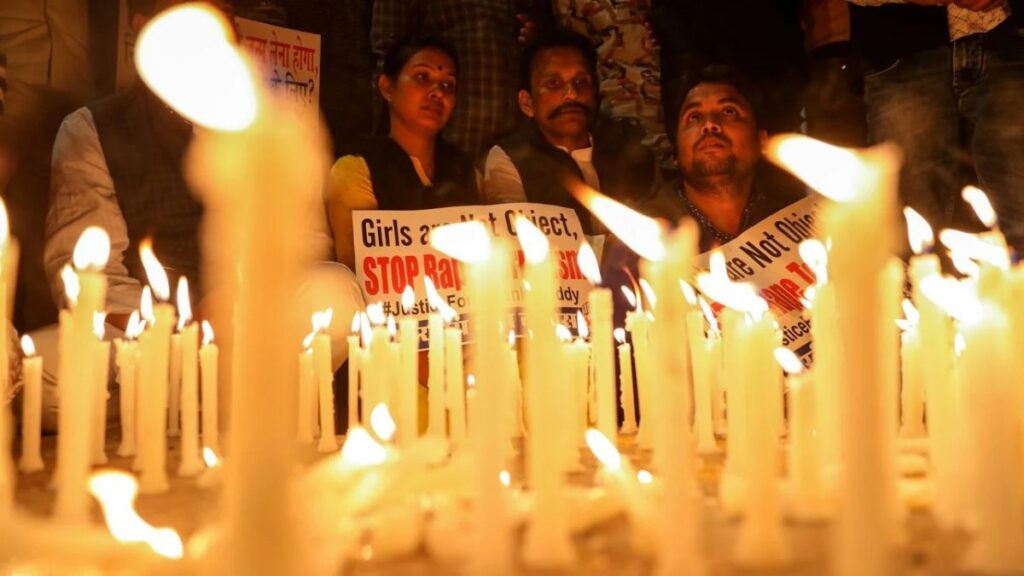
Perhaps one of the most troubling aspects of this case is the near-absence of media attention. A violent crime against a minor, in one of India’s largest cities, has received little public scrutiny. That silence does not protect anyone. Instead, it emboldens those who commit such acts.
A society that cannot protect its children cannot call itself civilized. Moreover, when institutions that are supposed to amplify the truth go quiet, the responsibility falls on communities, student bodies, and women’s organizations to speak louder. That is precisely what happened on May 27 — ordinary people refusing to let this case disappear.
“How many more innocent lives must be sacrificed before the media speaks up? This silence is not just shameful — it emboldens the criminals.”
“A compromised media might suppress the truth. But the anger, protest, and voice of the common people cannot be silenced.”
Movement Will Continue Until Justice Arrives
The organizations made one thing clear: a police assurance alone is not enough. They have declared that sustained public pressure and organized demonstrations will continue until every accused individual faces legal consequences, and until the survivor receives the justice she deserves.
This case reflects a pattern that communities across India know well — survivors often face fear, shame, and institutional indifference long after an assault. In this instance, it took weeks for the survivor to speak, weeks more for the family to file a complaint, and still the accused walk free. Every delay compounds the injustice.
Therefore, the message from Sarsuna is unambiguous: the people are watching, they are organized, and they will not stand down.
We demand justice — immediate, complete, and without compromise. The movement continues until it is delivered.
Frequently Asked Questions
Q 1. What actually happened in the Kolkata schoolgirl gang rape case that shocked the entire city?
A minor was abducted after school, drugged with laced chocolates, and gang-raped by an acquaintance and two others. She stayed silent for weeks due to trauma and fear before her parents noticed her deteriorating health and she finally revealed the truth.
Q 2. Why did the Kolkata schoolgirl gang rape survivor wait so long before speaking out?
She remained silent because of overwhelming fear and deep psychological trauma. Only after her parents noticed her worsening health and growing withdrawal did she find the courage to share her ordeal, leading the family to file an FIR on May 20.
Q 3. Who led the protest demanding justice for the Kolkata schoolgirl gang rape victim?
Three organizations united powerfully. AIDSO, AIDYO, and AIMSS staged a demonstration at Sarsuna Police Station on May 27. Leaders Pintu Das, Sanjay Biswas, and Ananya Naiya led the protest, forcing police to formally assure arrests within 60 days.
Q 4. What did police promise after the Kolkata schoolgirl gang rape protest at Sarsuna Station?
Initially, authorities tried to evade accountability. However, sustained public pressure forced them to issue a formal assurance that all accused perpetrators would be arrested and punished within 60 days. Organizations warned the movement would continue until justice is fully delivered.
Q 5. Why is media silence making the Kolkata schoolgirl gang rape case even more dangerous?
Media silence emboldens criminals and protects no one. When institutions meant to amplify truth go quiet, communities, students, and women’s organizations must speak louder. This dangerous silence is exactly why public protests at Sarsuna became absolutely necessary for justice.
Q 6. Will the Kolkata schoolgirl gang rape movement stop after the police gave their 60-day assurance?
Absolutely not. The organizations made their position crystal clear. A police promise alone is insufficient. Sustained demonstrations will continue until every accused individual faces full legal consequences and the survivor receives the complete, uncompromised justice she truly deserves.