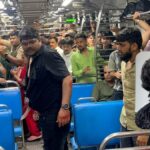
Mumbai Local Train Murder has left an entire city heartbroken and searching for answers. What should have been an ordinary journey home after a long day of work turned into a nightmare that no family should ever endure. Just one request to close a train door during heavy monsoon rain allegedly sparked a chain of events that ended the life of 22-year-old Mayank Lohar. As shocking details continue to emerge, the pain felt by his grieving parents has moved millions across the country. Their anguish reflects a larger fear now haunting commuters: if such brutality can happen in public, who is truly safe?
A Tragic Mumbai Local Train Incident Leaves Commuters in Shock
Mumbai’s lifeline, the suburban railway network, witnessed a horrifying tragedy that has left commuters shaken and sparked renewed concerns about passenger safety.
In a deeply disturbing incident, 22-year-old Mayank Lohar lost his life after a violent altercation inside a moving Churchgate-bound fast local train. What began as a simple request to close a train door during heavy monsoon rains quickly escalated into a deadly attack that ended a young man’s life and devastated his family.
As news of the incident spread across the city, grief, anger, and disbelief followed. Meanwhile, heartbreaking words from Mayank’s father have touched millions and intensified demands for stronger security measures on Mumbai’s crowded trains.
What Happened Inside the Mumbai Local Train?
The tragic incident reportedly occurred aboard a Churchgate–Nallasopara fast local train during heavy rainfall.
According to reports, Mayank Lohar had boarded the first-class compartment while returning home to Virar after finishing work in Andheri. During the journey between Goregaon and Kandivali stations, he requested that the compartment door be closed to prevent rainwater from entering the coach.
However, the request allegedly triggered an argument with fellow passenger Sachin Ramesh Suvarna, 30.
Initially, the disagreement appeared minor. Soon afterward, tensions escalated, and several passengers reportedly attempted to intervene.
How a Minor Argument Turned Fatal
Witness accounts suggest that the verbal dispute quickly transformed into a physical confrontation.
As the situation intensified, the accused allegedly pulled a kitchen knife from his bag. Moments later, he reportedly attacked Mayank multiple times.
The young commuter suffered severe stab wounds to the chest and abdomen.
Panic immediately spread throughout the compartment. Furthermore, reports indicate that the accused brandished the weapon to intimidate passengers who tried to step in.
Many commuters watched in horror as the attack unfolded inside the moving train.
Despite the presence of numerous passengers, the violence occurred within minutes, leaving little time for anyone to react effectively.
The Accused’s Alleged Actions After the Attack
After carrying out the attack, the accused allegedly continued threatening frightened passengers.
Subsequently, he jumped off the train at Borivali station and attempted to escape.
Authorities launched an extensive search operation almost immediately. Given the seriousness of the crime, multiple police teams began tracking the suspect’s movements across different locations.
The shocking nature of the incident triggered widespread outrage across Mumbai and beyond.
Massive Police Manhunt Leads to Arrest
Law enforcement agencies responded swiftly.
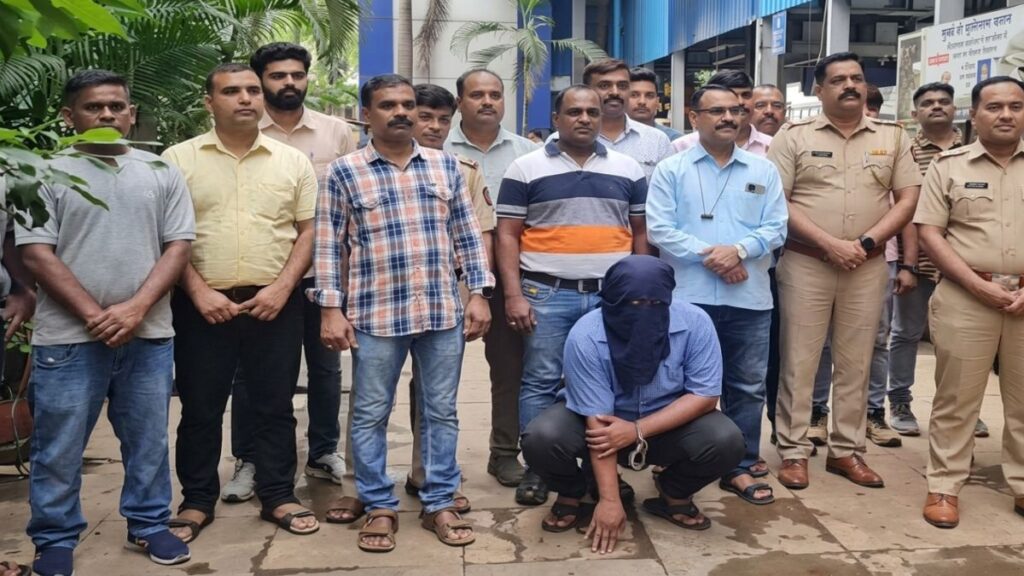
Police formed six special teams and reviewed footage from more than 400 CCTV cameras to trace the suspect’s route.
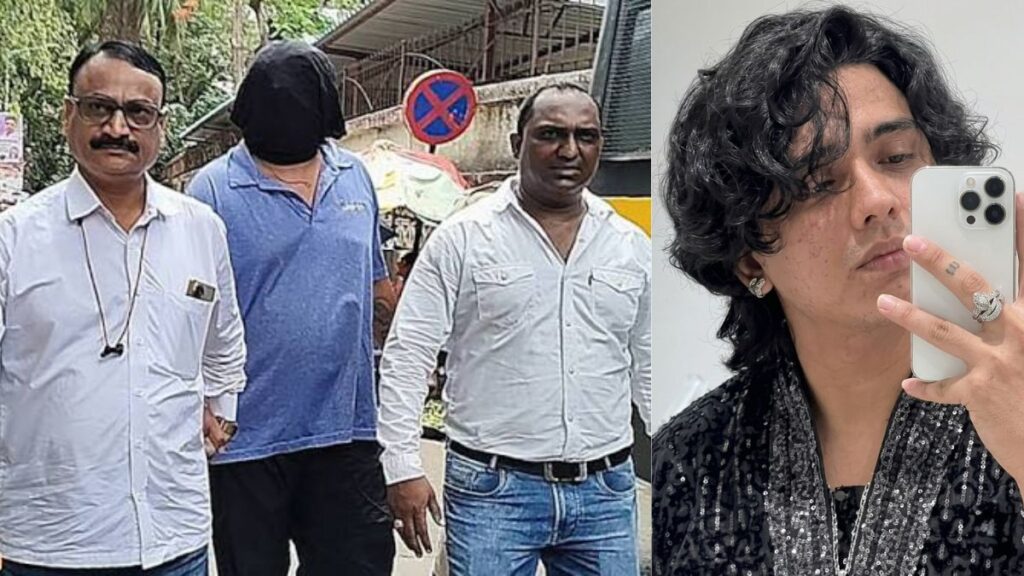
Investigators also tracked mobile phone location data. As a result, authorities located the accused at Panvel railway station while he allegedly attempted to flee to his hometown in Mangaluru.
Officers arrested him before he could leave the region.
The successful operation highlighted the coordinated efforts of railway police and investigative teams working under intense public scrutiny.
Father’s Emotional Statement Moves the Nation
While the arrest brought some relief, it could not ease the pain experienced by Mayank’s family.
A deeply emotional statement from his father has since gone viral on social media.
Struggling to comprehend the tragedy, he questioned how someone could commit such a brutal act in a public place filled with people. He also asked what gave the accused the confidence to carry out such a violent attack in front of dozens of witnesses.
Those heartbreaking remarks resonated with countless people online.
Consequently, many citizens have renewed calls for stricter punishment and stronger commuter protection measures.
Growing Concerns Over Mumbai Local Train Safety
The incident has reignited an important debate about security within Mumbai’s public transport system.
Many commuters now question how a weapon allegedly entered a busy railway network without detection. Others have raised concerns about emergency response mechanisms inside crowded trains.
In addition, public discussions have focused on improving surveillance, increasing security personnel, and strengthening passenger safety protocols.
Transportation experts argue that preventive measures could help reduce the risk of similar incidents in the future.
Key Takeaways
- Mayank Lohar, 22, lost his life after a violent altercation inside a Mumbai local train.
- The dispute reportedly began over closing a train compartment door during heavy rain.
- The accused allegedly attacked Mayank with a knife inside the first-class coach.
- Authorities formed six special teams to track the suspect.
- Police reviewed over 400 CCTV cameras during the investigation.
- Officers arrested the accused at Panvel railway station.
- Mayank’s father’s emotional statement sparked nationwide attention.
- The tragedy has intensified concerns about commuter safety and railway security.
Conclusion
The death of Mayank Lohar has become far more than a criminal case. It represents a painful reminder of how quickly everyday disagreements can spiral into irreversible tragedy.
A young man boarded a train to return home after work. Instead, his family received devastating news that changed their lives forever.
As investigations continue, many people hope this heartbreaking incident will lead to meaningful reforms that strengthen security, improve passenger protection, and help prevent another family from enduring a similar loss.
FAQ: Mumbai Local Train Murder
1. What Triggered the Mumbai Local Train Murder That Shocked Thousands?
The Mumbai Local Train Murder reportedly began with a disagreement over closing a train door during heavy monsoon rain. What started as a routine commuter concern quickly escalated into violence, leaving many passengers stunned and raising serious questions about public transport safety.
2. Who Was the Victim in the Mumbai Local Train Murder Case?
The victim in the Mumbai Local Train Murder was 22-year-old Mayank Lohar. He worked in Andheri and was returning home to Virar after his shift. His tragic death has touched countless people and highlighted the vulnerability of everyday commuters.
3. How Did Police Solve the Mumbai Local Train Murder So Quickly?
Police launched an extensive operation after the Mumbai Local Train Murder. Investigators reviewed more than 400 CCTV cameras, tracked mobile phone data, and formed six special teams. Their coordinated efforts led to the suspect’s arrest before he could leave the region.
4. Why Has the Mumbai Local Train Murder Sparked Nationwide Outrage?
The Mumbai Local Train Murder has sparked outrage because the attack allegedly happened in a crowded train compartment. Many people were shocked that such violence could occur in public, leading to demands for stricter security measures and stronger passenger protection.
5. What Did Mayank Lohar’s Father Say About the Mumbai Local Train Murder?
Mayank’s father’s emotional reaction became one of the most heartbreaking aspects of the Mumbai Local Train Murder. He questioned how anyone could commit such a brutal act in front of so many witnesses, expressing the grief and disbelief felt by countless families.
6. What Lessons Can Be Learned From the Mumbai Local Train Murder?
The Mumbai Local Train Murder serves as a powerful reminder of the importance of patience, conflict resolution, and public safety. Many experts believe stronger security checks, better surveillance, and faster emergency responses could help prevent similar tragedies in the future.