
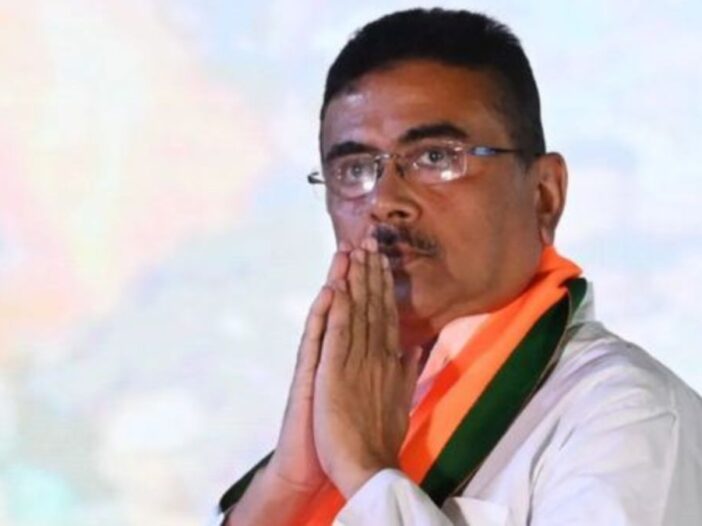
Bengal Ends Religious Honorarium Scheme — And Thousands of Religious Leaders Are Left Wondering What Comes Next
For over a decade, a quiet monthly payment landed in the accounts of imams, muezzins, and temple priests across West Bengal. It wasn’t much — but it meant something. It kept families fed. It kept faith alive in communities with little else.
Now, that support is gone.
The Suvendu Adhikari government has officially pulled the plug on religion-based welfare payments, effective June 2025. For thousands of religious leaders from low-income households, this decision changes everything. Here is what really happened — and why it matters.
The West Bengal government has made a sweeping policy decision that ends decades of state-funded religious honorariums. Chief Minister Suvendu Adhikari’s cabinet officially discontinued monthly payments to imams, muezzins, and Hindu temple priests, effective June 2025. This landmark shift marks one of the most significant governance changes in the state’s recent history.
Why Bengal’s New Government Is Ending Religion-Based Welfare Schemes
For years, West Bengal maintained a unique welfare structure that directly funded religious leaders. The previous Trinamool Congress government introduced the imam honorarium scheme back in 2012, offering registered imams Rs 2,500 per month. Shortly after, muezzins — the individuals who call worshippers to prayer in mosques — also received similar financial support.
However, the support wasn’t limited to Muslim religious leaders. In 2020, facing criticism over unequal treatment, the Trinamool government extended allowances to Hindu priests, or purohits. Initially set at Rs 1,000 per month, the purohit honorarium was later revised to Rs 2,000, ahead of the 2026 Vidhan Sabha elections.
Now, the Adhikari-led government has declared that welfare programmes must not be determined by religious identity. “Schemes being implemented under religious categorisation will be stopped from June,” confirmed Women and Child Development Minister Agnimitra Paul.
Key Cabinet Decisions That Are Reshaping West Bengal’s Governance
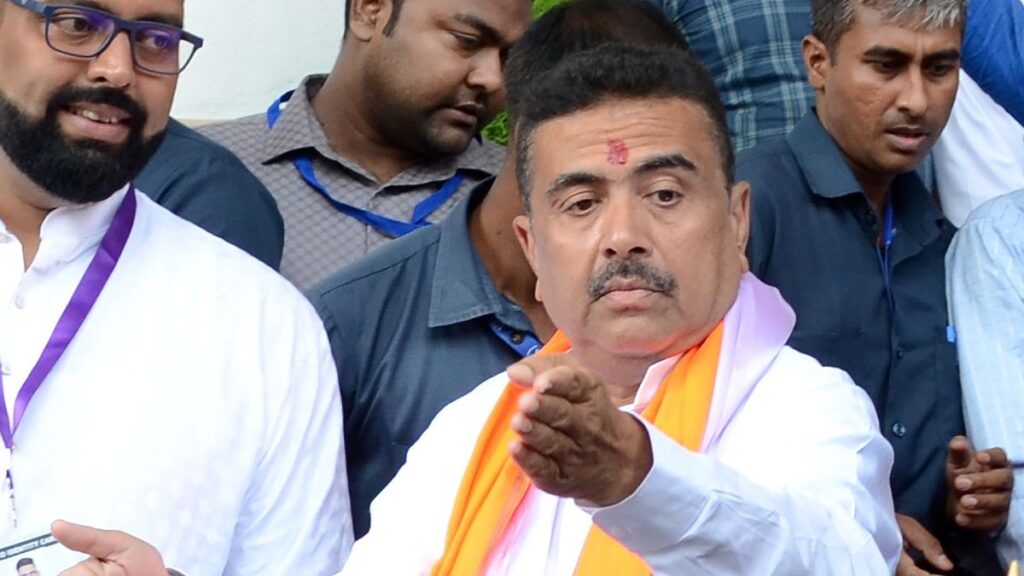
Beyond the honorarium discontinuation, the state cabinet passed several other major resolutions during its first meeting at Nabanna secretariat.
OBC List Scrapped and Restructured
Following a recent Calcutta High Court order, the government scrapped West Bengal’s existing Other Backward Classes list entirely. A new panel will determine quota eligibility going forward. “A committee will be set up to decide quota eligibility,” Paul stated, signalling a transparent and court-compliant approach to reservation policy.
7th Pay Commission Approved
State government employees received encouraging news. The cabinet granted in-principle approval for forming the 7th Pay Commission, which will cover employees of government departments, boards, corporations, state-aided bodies, and educational institutions.
New Annapurna Bhandar Scheme Launched
Starting June 1, eligible women across West Bengal will receive Rs 3,000 monthly through Direct Benefit Transfer under the new Annapurna Bhandar Scheme. Notably, applicants under the Citizenship Amendment Act and individuals approaching various tribunals will also qualify. A dedicated online portal will launch to manage enrollments.
Free Transport for Women
The cabinet also approved free transport facilities for women statewide, offering significant financial relief for daily commuters.
A Commission to Investigate Atrocities Against Women
Chief Minister Adhikari announced a dedicated commission to investigate cases of violence and atrocities against women that occurred during the previous government’s tenure. The panel will operate under retired Justice Samapti Chatterjee, with IPS officer Damayanti Sen serving as member secretary.
“All cases related to atrocities against women across the state will be investigated,” Adhikari told reporters. “We expect the report within one month.”
Additionally, a separate commission led by retired Justice Biswajit Das will probe alleged institutional corruption and fund distribution irregularities during the Mamata Banerjee government.
What This Policy Shift Really Means
The decision to end religion-based welfare funding reflects a broader philosophical position: government resources should reach people based on economic need, not religious affiliation. Scholarship schemes under the Minority Affairs and Madrasa Education departments will, however, continue without interruption.
This recalibration signals Bengal’s intent to build a more constitutionally grounded welfare framework — one where people with low incomes receive support regardless of their faith.
Whether this shift achieves its stated goals of equity and transparency will depend heavily on how the new OBC panel operates and whether alternative support reaches economically vulnerable religious leaders through other welfare channels.
Frequently Asked Questions
Why did Bengal End Religious Honorarium Scheme after so many years of payments?
The Suvendu Adhikari government believes welfare must reach people based on financial need, not religious identity. The new administration argues that taxpayer money should never flow through a religious filter. This is not simply a budget decision — it reflects a fundamentally different philosophy about how a secular state should function.
What exactly does Bengal Ends Religious Honorarium Scheme mean for imams and purohits receiving monthly payments right now?
It means their government payments stop from June 1, 2026. Imams who received Rs 2,500 monthly and purohits who received Rs 2,000 monthly will no longer get those transfers. The transition is abrupt, and many religious leaders who depended on this income will need to find alternative support quickly.
When did Bengal Ends Religious Honorarium Scheme officially become government policy?
The cabinet announced this decision during the very first meeting of the Adhikari government. That timing speaks volumes. This was not a delayed or reluctant choice — it was the administration’s immediate and deliberate opening statement about how it intends to govern West Bengal.
Will Bengal Ends Religious Honorarium Scheme also affect scholarship programmes for minority students?
No, and this distinction matters enormously. Scholarship programmes under the Minority Affairs Department and the Madrasa Education Department will continue without interruption. The government is specifically targeting honorarium payments linked to religious roles, not education support for students from minority communities.
Does Bengal Ends Religious Honorarium Scheme violate any constitutional or legal rights of religious leaders?
Legal experts generally agree that no constitutional right guarantees government salary payments to religious figures. The state voluntarily created these schemes and retains the authority to discontinue them. However, affected communities may challenge the decision politically, even if the legal ground for such payments was always debatable.
How does Bengal Ends Religious Honorarium Scheme connect to the scrapping of the existing OBC list?
Both decisions share the same underlying principle. The government is dismantling welfare structures it considers religion-based or legally questionable. The Calcutta High Court ordered the OBC list scrapped separately, but together these moves signal a sweeping policy reset in how Bengal distributes state benefits and recognition.
What were the original reasons Bengal started these payments before Bengal Ends Religious Honorarium Scheme reversed everything?
The Trinamool government introduced imam honorariums in 2012, arguing that many religious leaders came from economically weaker sections and deserved financial support. The purohit allowance came later in 2020, widely seen as a political balancing act after criticism that only Muslim leaders benefited. Both programmes grew out of genuine economic concerns but became increasingly controversial over time.
How will Bengal Ends Religious Honorarium Scheme affect the ordinary devotees and communities that relied on these religious leaders?
That is perhaps the most human and overlooked question in this entire debate. Many rural mosques and temples depend on religious leaders who had no other stable income. Without government support, some communities may struggle to maintain the religious services and cultural activities that form a central part of their daily lives.
Does Bengal Ends Religious Honorarium Scheme set a precedent that other Indian states might follow?
Several BJP-governed states have already moved away from minority welfare frameworks structured around religious identity. West Bengal’s decision adds significant political weight to that trend. Whether this becomes a national template or remains a state-level choice depends heavily on how courts, voters, and civil society respond in the months ahead.
What should affected religious leaders do now that Bengal Ends Religious Honorarium Scheme takes effect from June 2026?
The most practical step is to explore state welfare programmes available to all citizens regardless of religion — particularly schemes targeting people with low income. The Annapurna Bhandar Scheme launching June 1 offers Rs 3,000 monthly to eligible women. Affected individuals should register on the state portal and consult local welfare offices to understand every benefit available to them under the new framework.






Leave a Reply