
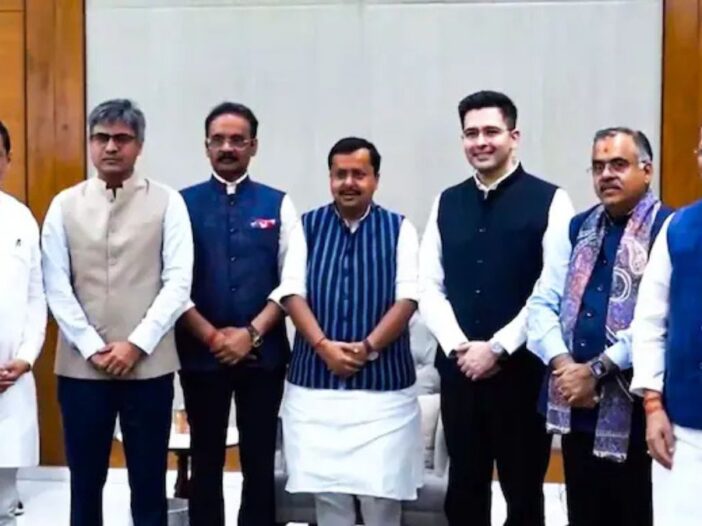
Raghav Chadha and 6 AAP MPs Join BJP—and suddenly, the ground beneath Indian politics feels like it’s shifting. What once seemed unthinkable has now unfolded in real time, leaving supporters stunned and critics energized. For years, these leaders stood as voices of reform and anti-corruption; however, their dramatic exit now raises uncomfortable questions about loyalty, ideology, and power. Why did they walk away from a movement they helped build? More importantly, what does this mean for the future of AAP and the balance of power in Parliament? As emotions run high, this bold move signals more than change—it signals a political turning point.
Introduction
In a surprising political change, Raghav Chadha, along with six other Rajya Sabha Members of Parliament, has officially left the Aam Aadmi Party (AAP) and joined the Bharatiya Janata Party (BJP). This move, announced in New Delhi, has quickly changed how people talk about politics and started a lot of discussions.
This change isn’t just for show; it points to bigger shifts in how parties work and who holds power in parliament.
Why This Political Shift Matters
First off, it’s not common in Indian politics for so many members to leave one party at once. So, this isn’t just about people being unhappy; it suggests a planned change in who has power.
Also, because seven of AAP’s ten Rajya Sabha members switched, the party’s power in the Upper House has gotten much weaker. This means it could affect how laws are made, who teams up with whom, and what political plans are made down the road.
Key Leaders Behind the Move
Important leaders involved in this move include:
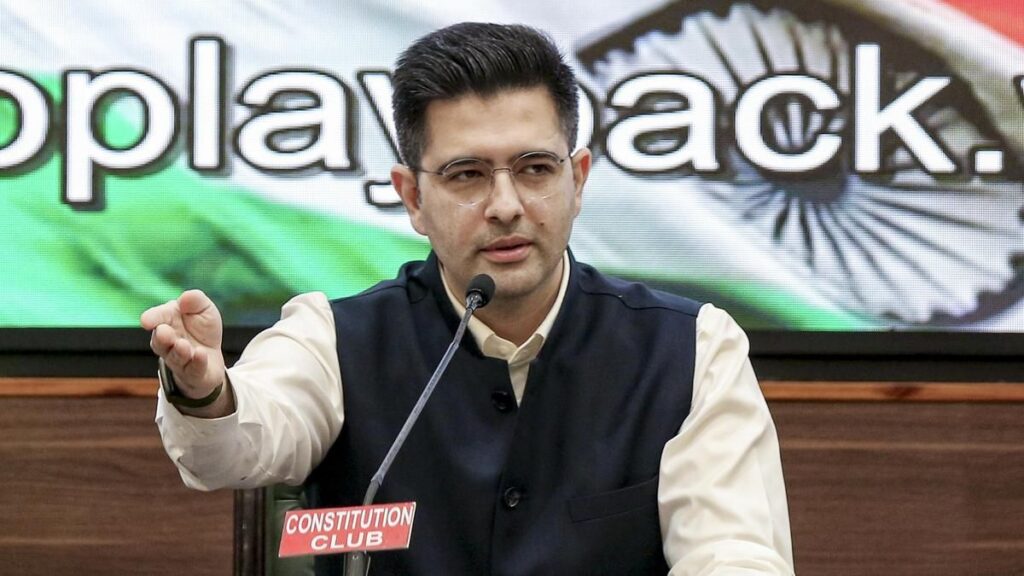
Raghav Chadha
Sandeep Pathak
Ashok Mittal
Harbhajan Singh
Swati Maliwal
Rajinder Gupta
Vikram Sahney
These leaders officially joined the BJP with party leader Nitin Nabin present, which made it a very public and meaningful moment.
What Triggered the Exit from AAP
Chadha said this decision wasn’t sudden. Instead, it came after weeks of internal problems and unhappiness.
For example, Chadha had just been removed as Deputy Leader in the Rajya Sabha. Ashok Mittal took his place, and many observers see that as a key moment.
Chadha also openly said that AAP had moved away from its original goals of fighting corruption and being open. Because of this, he called himself “the right person in the wrong party,” showing a big difference in beliefs.
Constitutional Angle Explained
It’s worth noting that this move fits within a constitutional rule that lets parties merge, but only if certain conditions are met.
If at least two-thirds of a party’s members of parliament agree, they can legally join another party without being disqualified. Here, seven MPs signed and sent an official letter to the Rajya Sabha Chairman, C. P. Radhakrishnan.
So, this change isn’t just about politics; it’s also set up legally and holds up under the constitution.
Impact on AAP and Indian Politics
Clearly, this event is a major setback for Arvind Kejriwal and his party.
On one side, AAP’s strength in the Rajya Sabha has fallen sharply. On the other, the BJP gets more members and experienced leaders too.
Beyond that, this change could affect future elections, who forms alliances, and discussions about new policies. Because of this, people who follow politics think it will have effects in many states.
Key Takeaways
Seven AAP MPs joined the BJP in a big political change.
This move came after internal unhappiness and shifts in leadership.
Constitutional rules made it possible for them to merge smoothly.
AAP’s presence in the Rajya Sabha is now much weaker.
The BJP gets a strategic advantage and stronger representation.
Conclusion
In the end, this important political change shows how Indian politics keeps changing. Even though party beliefs still guide decisions, how leaders interact and where they choose to stand are just as important.
As things calm down, one question stands out: Will this change how people stay loyal to parties, or is it just the start of bigger shifts?
No matter what, its effect is clear—and there’s still more to this story.
Frequently Asked Questions: Raghav Chadha and 6 AAP MPs Join BJP
1. Why is “Raghav Chadha and 6 AAP MPs Join BJP” being called a major political turning point?
The moment “Raghav Chadha and 6 AAP MPs Join BJP” became official, it reshaped the political conversation overnight. This isn’t just a routine party switch; instead, it reflects a deeper shift in ideology, leadership trust, and parliamentary power. As a result, many see it as a defining moment that could influence future alliances and national strategies.
2. What led to the decision behind “Raghav Chadha and 6 AAP MPs Join BJP”?
When people ask why “Raghav Chadha and 6 AAP MPs Join BJP,” the answer lies in growing internal dissatisfaction. Chadha and his colleagues expressed concerns that AAP had drifted away from its original anti-corruption values. Moreover, leadership changes and internal conflicts seem to have accelerated their decision to move on.
3. Who are the leaders involved in “Raghav Chadha and 6 AAP MPs Join BJP”?
The phrase “Raghav Chadha and 6 AAP MPs Join BJP” includes key political figures such as Raghav Chadha, Sandeep Pathak, Ashok Mittal, Harbhajan Singh, Swati Maliwal, Rajinder Gupta, and Vikram Sahney. Together, their move has amplified the impact of this transition.
4. How does the Constitution allow “Raghav Chadha and 6 AAP MPs Join BJP”?
Interestingly, “Raghav Chadha and 6 AAP MPs Join BJP” follows a constitutional provision. If two-thirds of a party’s MPs agree to merge with another party, they can do so legally without disqualification. Therefore, this wasn’t just a political decision—it was a carefully structured and lawful move.
5. What impact will “Raghav Chadha and 6 AAP MPs Join BJP” have on AAP?
The development “Raghav Chadha and 6 AAP MPs Join BJP” significantly reduces AAP’s strength in the Rajya Sabha. Consequently, the party now faces a tougher challenge in influencing national policies. At the same time, it raises serious questions about internal unity and future leadership direction.
6. How does “Raghav Chadha and 6 AAP MPs Join BJP” benefit BJP?
From a strategic perspective, “Raghav Chadha and 6 AAP MPs Join BJP” strengthens BJP’s position in the Upper House. Not only does the party gain numbers, but it also brings in experienced leaders who understand governance and parliamentary dynamics. Therefore, BJP’s influence is likely to grow stronger.






Leave a Reply