
Ken-Betwa Project and Manipur and Odisha Tribal Protests—they are about identity, survival, and a future slipping through people’s hands. Meanwhile, in Manipur, grief still echoes as families struggle to rebuild after violence that shattered homes and lives. At the same time, in Odisha, tribal communities stand firm, guarding their sacred hills against forces they believe could erase their way of life forever. Together, these stories reveal a powerful truth: when development collides with dignity, voices rise, hearts break, and resilience takes center stage. This is not just news—it is the lived reality of people fighting to be heard.
India is currently experiencing many emotional protests stemming from issues like land rights, cultural identity, and basic survival. However, some recent developments suggest that people might be starting to talk more and look for solutions. While parts of Chhatarpur, Manipur, and Odisha still face high tensions, how officials are responding is beginning to change the situation.
Ken-Betwa Project Protest: A Temporary Pause, Not the End
The opposition to the Ken-Betwa River Linking Project in Madhya Pradesh has reached a critical point. Protests stopped on April 16, 2026, but only after the administration made strong commitments.
Before this, affected farmers and tribal groups had been protesting continuously since April 5. They used powerful and symbolic actions, such as lying on funeral pyres, fasting, and standing in water, to show how serious their concerns were.
Following several hours of discussions, district officials committed to taking action. As a result, authorities will now go door-to-door in all affected villages to conduct surveys. Additionally, special administrative camps will be set up to handle complaints about compensation and how people will be relocated.
Despite these steps, the future remains uncertain. Protest leaders have clearly stated that if officials do not follow through within 10 days, demonstrations will start again, and they will be even more intense.
Why Tribal Communities Strongly Oppose the Project
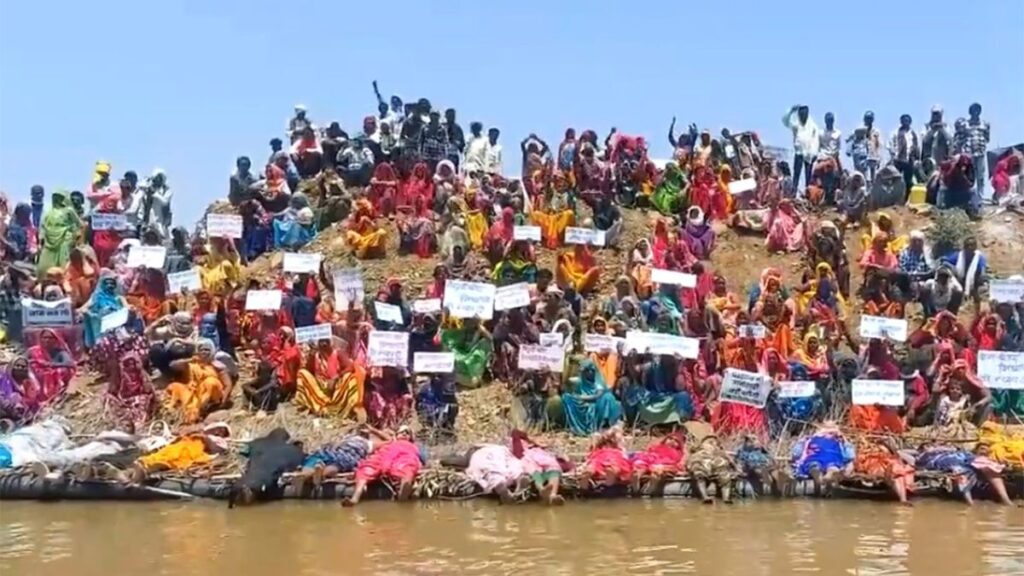
The main reason for this conflict goes deeper than just the project itself; it’s about losing land, cultural identity, and ways to make a living. The Ken-Betwa project could flood about 21 villages, meaning thousands of people would have to leave their homes.
Beyond that, environmental worries are making the resistance stronger. The project might cause widespread deforestation, possibly destroying the homes of wildlife like tigers and vultures. This is why environmental experts are questioning if the project is sustainable, both for nature and water systems.
Just as important, the affected communities claim that laws meant to protect their rights—like those for forests and local governance—have not been followed properly. This has created a lack of trust between the government and the people.
Manipur Crisis: Violence, Loss, and Slow Recovery
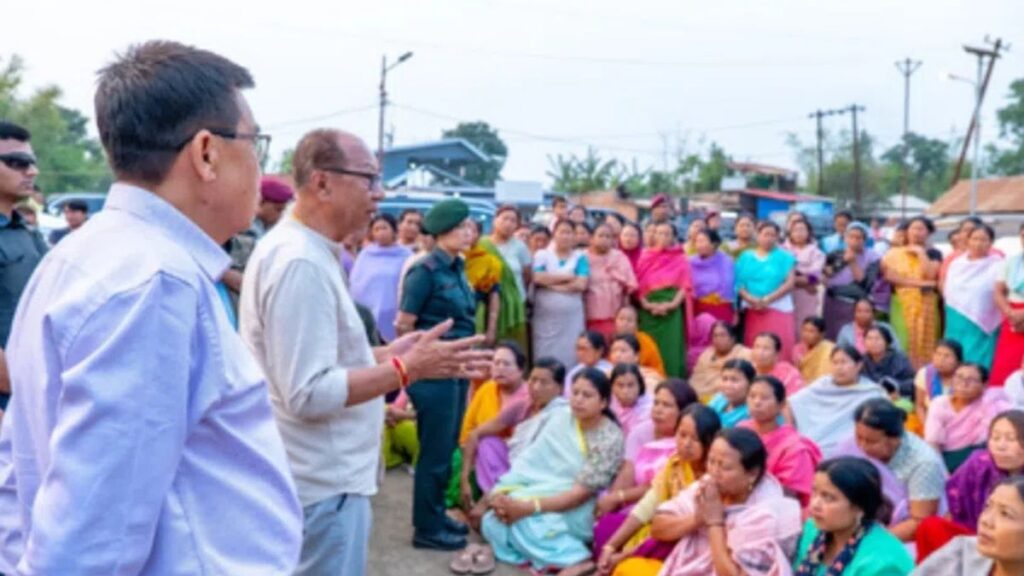
Meanwhile, Manipur is still dealing with the consequences of ethnic violence that began in May 2023. Although things have calmed down a little, tensions are still high.
Recently, fresh protests broke out after two children were tragically killed, causing widespread anger. Demonstrators called for justice, accountability, and quicker help for those affected.
In response, the government has approved over ₹947 crore for relief efforts and rebuilding. This money is for things like relief camps, temporary housing, and paying for damaged homes.
Furthermore, thousands of prefabricated houses have been built by authorities to support families who were displaced. However, many people are still waiting for permanent places to live, which points to problems with how the aid is being delivered.
It is also important that civil society groups continue to push for long-term peace solutions. Experts warn that without real conversations, the unrest could easily worsen again.
Odisha Mining Conflict: Development vs Survival
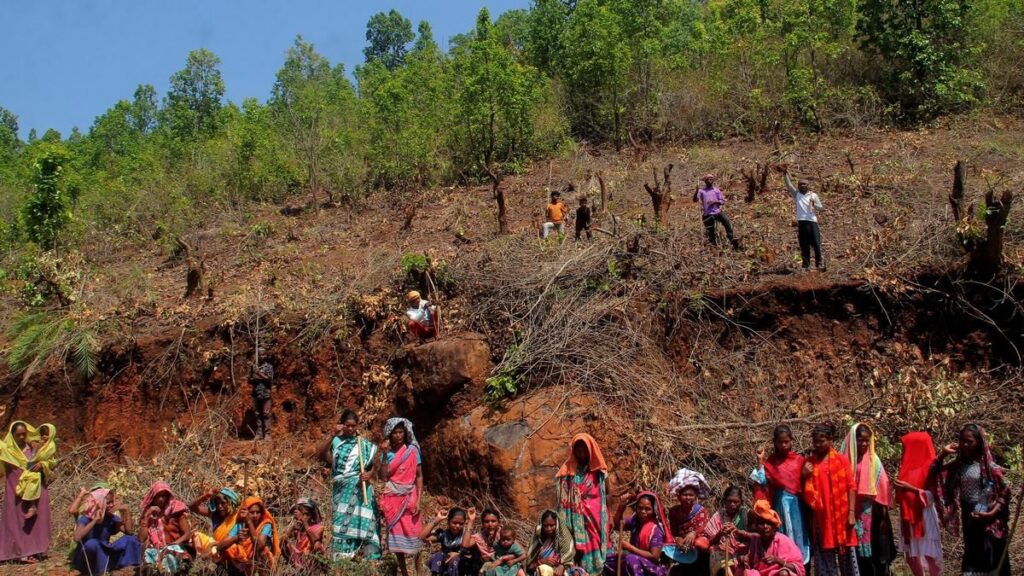
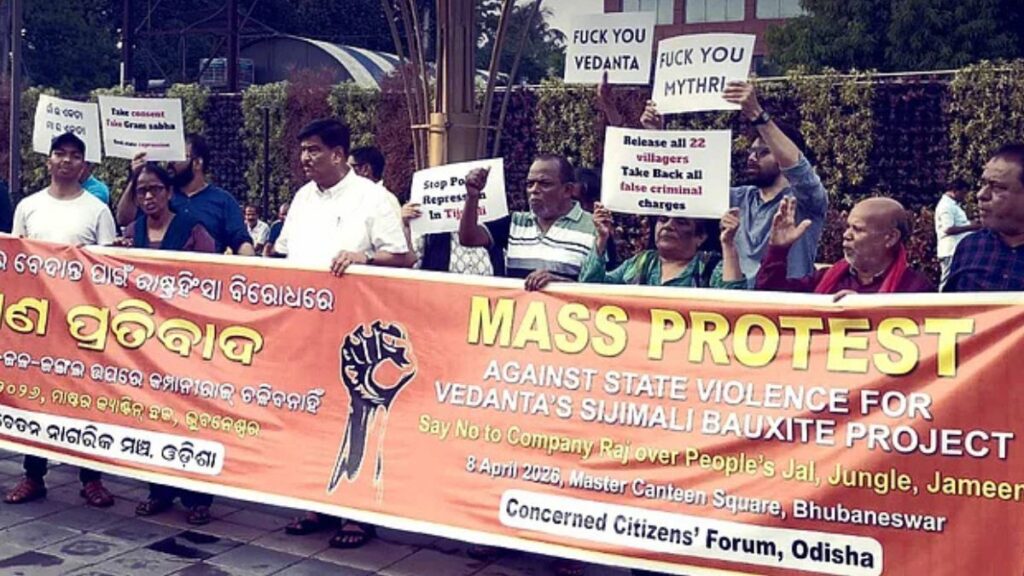
At the same time, tribal communities in Odisha are opposing plans for bauxite mining projects in the Sijimali hills. This situation highlights a bigger battle between industrial growth and the rights of indigenous people.
Villagers are afraid that mining will ruin the forests they consider sacred. They also worry about losing access to the natural resources they rely on to make a living.
Tensions increased when officials tried to build an access road. This led to clashes between protesters and police, and people on both sides were injured.
Despite these events, the communities remain resolute. They continue to protect their land, determined to stop what they see as irreversible harm.
Key Takeaways
The Ken-Betwa protests stopped for a while after the administration made assurances, but the underlying issues are not yet resolved.
Tribal groups are resisting due to fears of displacement, environmental damage, and concerns about their legal rights.
The Manipur crisis still shows ongoing instability, even with a lot of financial help provided for rehabilitation.
The protests in Odisha reflect a broader pattern across the country, where development projects often clash with the rights of indigenous communities.
Open communication and transparency are essential to keep these situations from getting worse in any of these regions.
Conclusion: A Nation at a Crossroads
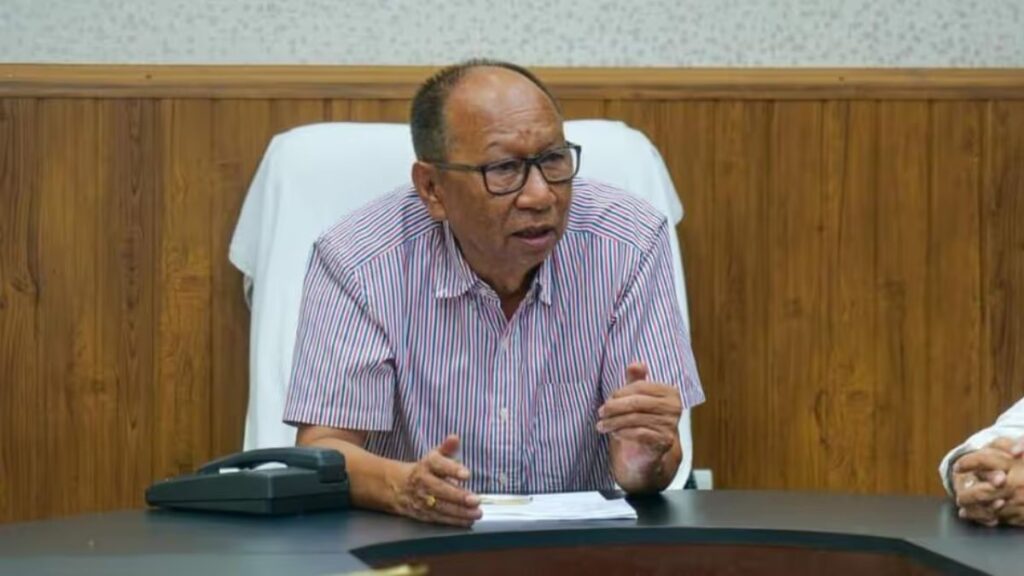
India is at a critical point where development and human rights meet. On one side, large projects promise economic benefits. On the other, these projects can risk forcing vulnerable communities from their homes and harming natural environments.
It’s encouraging to see that officials have recently engaged, showing they are willing to listen. However, true progress will depend on consistent actions, not just words.
Ultimately, lasting solutions require balancing economic growth with social justice. Only then can we hope for stability instead of ongoing protests, and certainty rather than doubt.
FAQs: Understanding Ken-Betwa Project and Manipur and Odisha Tribal Protests
1. Why is the Ken-Betwa Project and Manipur and Odisha Tribal Protests issue gaining so much national attention?
This issue has captured nationwide focus because it connects deeply with people’s lives, not just policies. On one side, the Ken-Betwa Project raises concerns about displacement and environmental impact. Meanwhile, Manipur continues to heal from violence that has caused loss and displacement. At the same time, Odisha’s tribal communities are protecting their land and identity. Together, these situations highlight a larger question—how can development move forward without leaving people behind?
2. What makes the Ken-Betwa Project and Manipur and Odisha Tribal Protests emotionally powerful for citizens?
The emotional weight comes from real human stories. Families fear losing ancestral land, children grow up amid uncertainty, and communities fight to preserve their culture. For example, protesters in Madhya Pradesh used symbolic acts like fasting and water protests to express their pain. Similarly, in Manipur, families are still coping with loss. In Odisha, people are standing guard over sacred hills. These are not just protests—they are deeply personal struggles.
3. How has the government responded to the Ken-Betwa Project and Manipur and Odisha Tribal Protests concerns?
The government has taken steps, although challenges remain. In the Ken-Betwa case, officials have promised fresh surveys and better rehabilitation planning. In Manipur, significant funds have been allocated for relief camps, housing, and recovery. Meanwhile, in Odisha, authorities are trying to balance development with law and order. However, communities still seek stronger action, transparency, and long-term solutions.
4. What are the key demands in the Ken-Betwa Project and Manipur and Odisha Tribal Protests?
Across all three regions, people are asking for fairness and dignity. They want proper rehabilitation, fair compensation, and respect for their legal rights. Additionally, many are demanding environmental protection and meaningful consultation before decisions are made. In simple terms, they want development that includes them—not one that displaces them.
5. How do environmental concerns shape the Ken-Betwa Project and Manipur and Odisha Tribal Protests?
Environmental impact plays a major role. The Ken-Betwa Project could lead to deforestation and wildlife disruption. Similarly, mining activities in Odisha threaten forests and ecosystems that communities depend on. Therefore, people are not just protecting land—they are protecting biodiversity, climate balance, and future generations.
6. What lessons can India learn from the Ken-Betwa Project and Manipur and Odisha Tribal Protests?
These situations offer powerful lessons about empathy and planning. Development must go hand in hand with human rights and environmental care. Moreover, early dialogue and transparency can prevent conflicts. Most importantly, listening to affected communities can lead to better, more sustainable decisions.