
SpaceX’s Historic IPO Debut just rewrote the rulebook on Wall Street, and honestly, nobody saw it coming quite like this. Picture it: a stock opens, and within hours, it’s not just up, it’s soaring 19%, minting the world’s first trillionaire, and crowning the biggest IPO in history. For Elon Musk, this moment caps a 25-year gamble that started with a dream so far-fetched even his closest friends begged him to walk away. Now? A $2 trillion empire. Satellites, AI, Mars ambitions, all of it. This is the story of how a “fool’s errand” became the future.
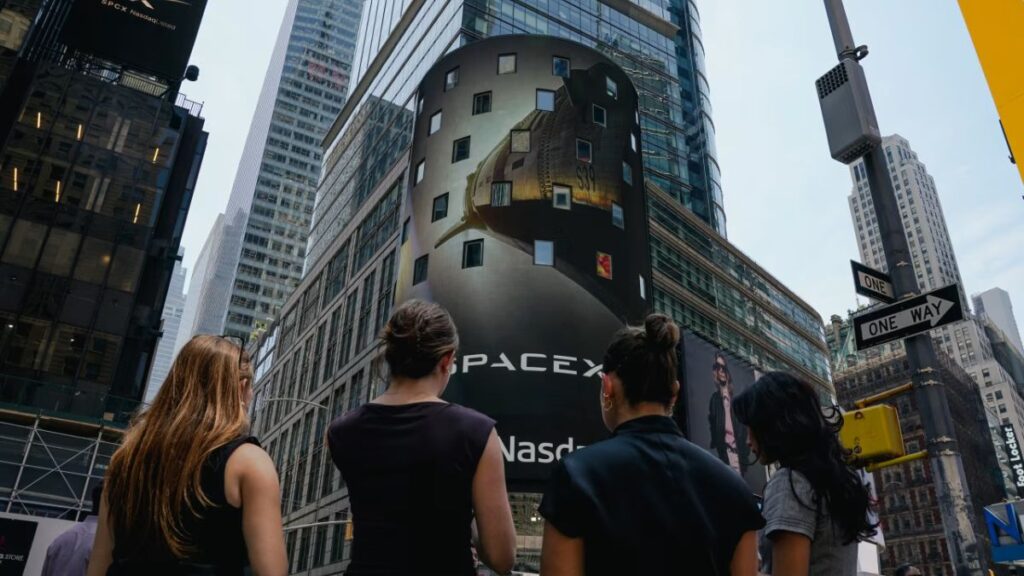
SpaceX made Wall Street history on Friday. Shares of the rocket and satellite giant surged 19% on their Nasdaq debut, closing around $161 after opening at $150 under the ticker SPCX. The rally didn’t stop there. In extended trading, the stock kept climbing, adding roughly $100 billion more to its market cap and pushing SpaceX’s total valuation past $2.1 trillion.
This wasn’t just a big day for SpaceX. It was the largest initial public offering in history, with the company raising $75 billion. More than 500 million shares changed hands, a volume that came close to Facebook’s record-setting 2012 debut.
A Bell-Ringing Moment for Musk and Shotwell
Elon Musk and SpaceX President and COO Gwynne Shotwell marked the occasion by ringing the Nasdaq opening bell together, though from different locations. Musk rang in from Texas, while Shotwell represented the company in New York.
Ahead of the listing, Musk appeared on a JPMorgan Chase livestream and revealed that SpaceX has actually been cash-flow positive since around 2015. So why go public now? According to Musk, the goal is fueling what he called a major growth phase. His plans are ambitious: deploying over 100,000 satellites for global communications and building AI data centers in orbit.
From Rocket Startup to Trillion-Dollar Empire
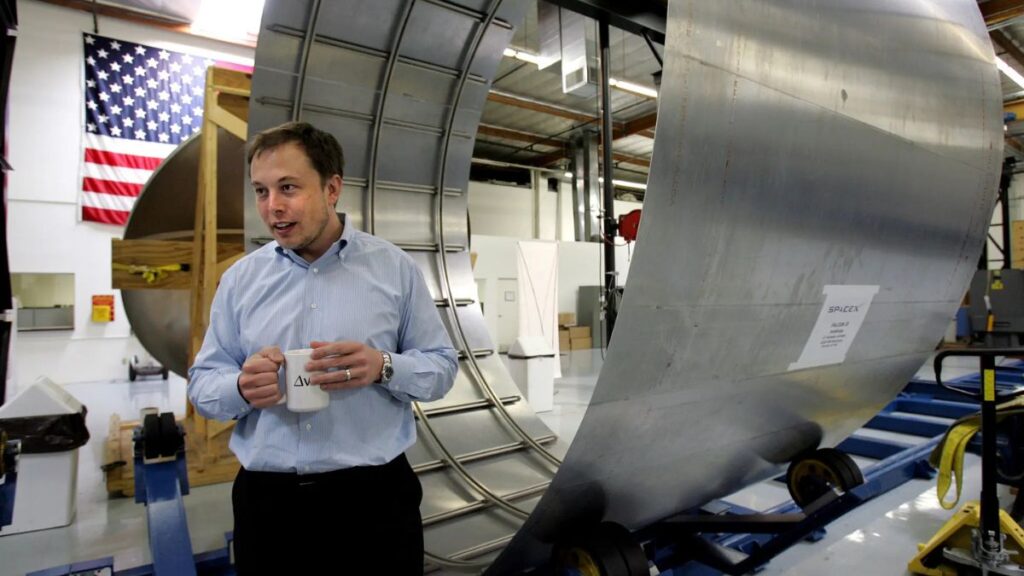
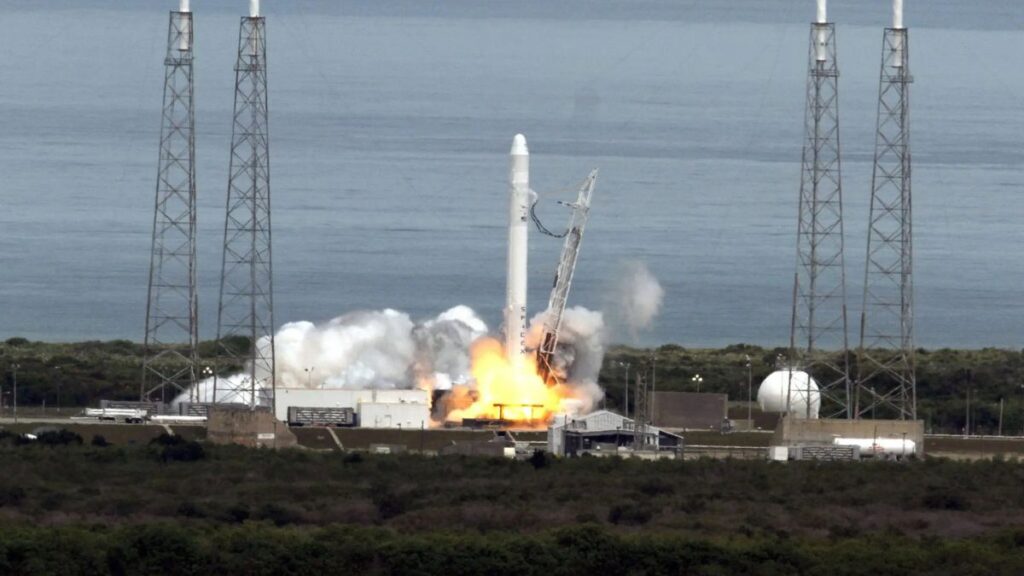
SpaceX’s roots go back to 2002, when Musk founded the company as a reusable rocket manufacturer. Today, however, Starlink, the satellite internet division, stands as the only consistently profitable part of the business. Meanwhile, the broader operation has racked up $41.3 billion in cumulative losses since its founding, according to the company’s prospectus.
Despite those losses, investors clearly see something bigger. The IPO’s success also reflects SpaceX’s expanding footprint. In February 2026, the company acquired Musk’s AI venture, xAI, bringing its Grok AI models, data centers, and the X social platform under the SpaceX umbrella.
Notably, this IPO also made Musk the world’s first trillionaire, based on his combined stakes in SpaceX and Tesla. Speaking of Tesla, its shares also climbed Friday, rising 1.8% to $406.43, pushing the EV maker’s market cap to around $1.5 trillion.
A 25-Year Bet That Almost Failed
Behind the historic debut lies a remarkable origin story. About 25 years ago, Musk’s former college roommate, Adeo Ressi, tried to talk him out of starting a rocket company altogether. Musk had just made millions from PayPal’s sale to eBay, and the two were initially focused on a much smaller idea: sending plant life to Mars.
When that budget proved insufficient for a rocket, Musk decided to build his own. Experts at the time called the plan a fool’s errand. Still, Musk pressed forward.
The early years were brutal. SpaceX’s first three Falcon 1 launches failed, and the company nearly ran out of money. Musk later admitted he gave SpaceX less than a 10% chance of success. However, the fourth launch in 2008 finally reached orbit, setting the stage for everything that followed, including major NASA contracts, the Falcon 9 program, and the eventual rise of Starlink in 2019.
What Comes Next for SpaceX
Looking ahead, SpaceX continues developing Starship, its massive next-generation rocket aimed at eventually carrying humans to Mars. Progress has been slower than Musk’s timelines suggest, though. While NASA estimates a realistic Mars landing in the mid-2030s, recent Starship tests have shown both promise and setbacks.
Still, as this IPO demonstrates, investors are betting big on SpaceX’s long-term vision, not just its current numbers. As one industry observer put it, the company is essentially building the infrastructure for an entirely new space economy, one that could open the door to industries we haven’t even imagined yet.
FAQ: SpaceX’s Historic IPO Debut
1. What made SpaceX’s Historic IPO Debut the biggest in Wall Street history?
SpaceX raised $75 billion in its offering, making it the largest IPO ever recorded. Shares surged 19% on day one, closing around $161 and valuing the company at over $2.1 trillion, a number that kept climbing in after-hours trading.
2. How much did shares jump during SpaceX’s Historic IPO Debut, and what drove the surge?
The stock opened at $150 and closed near $161, a 19% gain, with an intraday high of $176.52. The surge reflects investor excitement about Starlink’s profitability, future AI data center plans in orbit, and the company’s ambitious satellite expansion goals.
3. Did SpaceX’s Historic IPO Debut really make Elon Musk the world’s first trillionaire?
Yes. Musk’s combined stakes in SpaceX and Tesla pushed his net worth past the trillion-dollar mark on the same day, a milestone tied directly to the success of the offering.
4. What role did Gwynne Shotwell play during SpaceX’s Historic IPO Debut?
SpaceX President and COO Gwynne Shotwell rang the Nasdaq opening bell in New York while Musk participated remotely from Texas. Shotwell also spoke about the company’s long-term plans for Starship, Starlink, and AI initiatives.
5. Why does SpaceX’s Historic IPO Debut matter even though the company has reported billions in losses?
According to its prospectus, SpaceX has accumulated $41.3 billion in losses since 2002. Despite this, investors are betting on future growth, especially Starlink’s profitability and the company’s expanding AI operations following the xAI acquisition in February 2026.
6. What comes next after SpaceX’s Historic IPO Debut for the company’s space ambitions?
SpaceX plans to deploy over 100,000 satellites, continue developing the Starship rocket for Mars missions, and grow its AI infrastructure. While NASA estimates a realistic Mars landing in the mid-2030s, the IPO gives SpaceX significant capital to pursue these long-term goals.