

West Bengal Assembly Elections 2026 Phase 2 didn’t just make headlines — it made history. From the high-stakes battle of Bhabanipur to the rural heartlands of Nadia and Howrah, millions roared through a stunning 92.47% voter turnout. Whether it was an 80-year-old woman or a mother seeking justice through her ballot, Bengal’s voice was louder than ever. Despite violence and EVM controversies, Phase 2 became an emotional battle that will change the state’s direction forever.
The people of West Bengal have spoken — and they’ve done so in record numbers. The 2026 West Bengal Assembly Elections have already etched their name in history, delivering the highest voter turnout since India’s Independence. With a stunning combined turnout of 92.47% across both phases, this election is far more than a political contest — it’s a powerful democratic awakening.
Record-Breaking Voter Turnout in West Bengal 2026
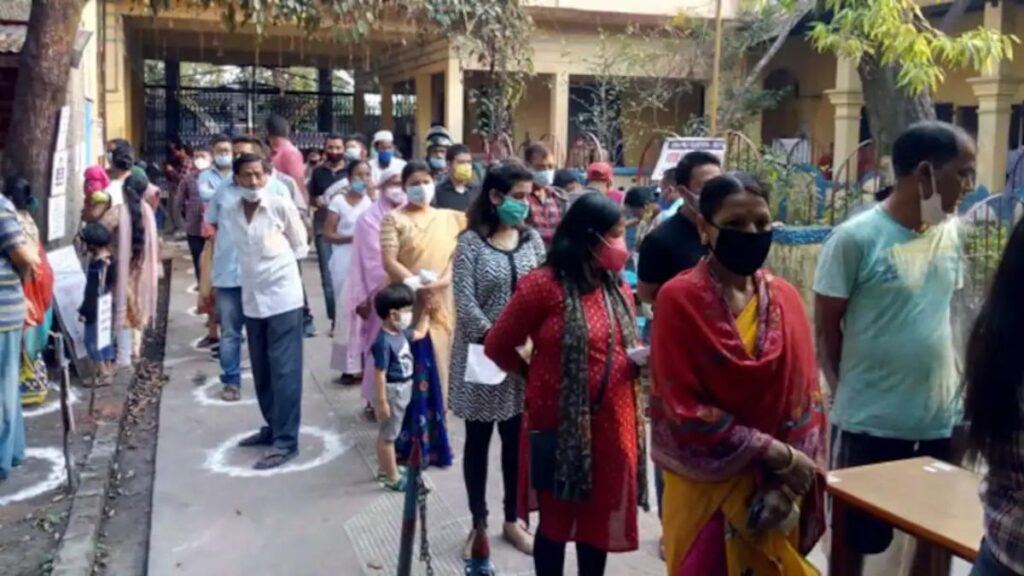
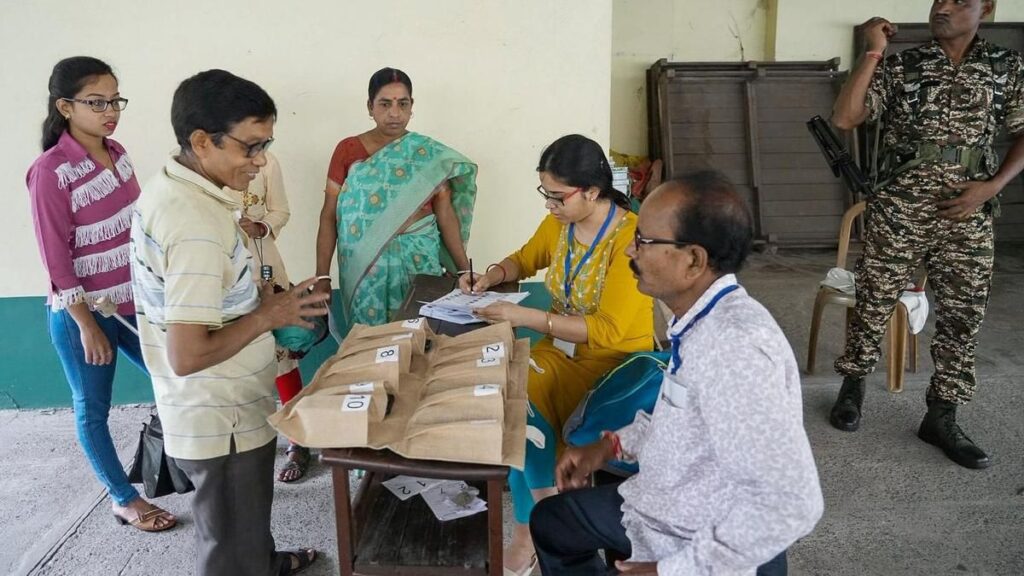
For the first time since Independence, West Bengal surpassed its own democratic record. Phase 1 recorded an impressive 93.19% participation, while Phase 2 followed closely at 91.66%. Together, they produced a combined turnout of 92.47% — shattering the previous high of 84.72% set in 2011.
Remarkably, women voters led the charge. Female turnout reached 93.24%, outpacing male participation at 91.74%. Chief Election Commissioner Gyanesh Kumar proudly declared it “the highest ever percentage of polling in West Bengal since Independence.”
Additionally, West Bengal CEO Manoj Agarwal hinted that future elections in the state may be held in a single phase, given how smoothly this process unfolded.
The Battle of Bhabanipur: Mamata vs. Adhikari
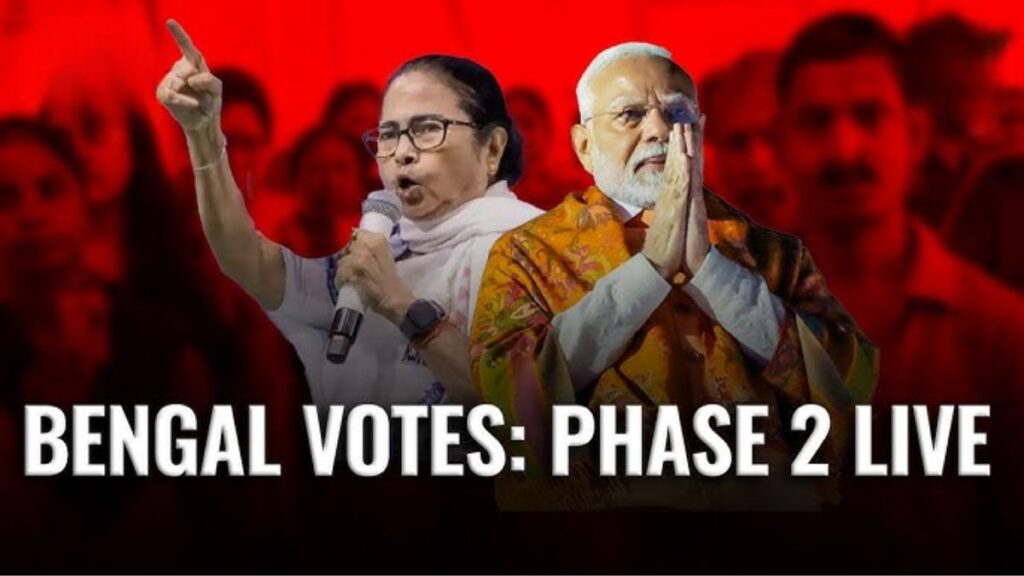
No contest captured the nation’s attention more than Bhabanipur, where Chief Minister Mamata Banerjee of the Trinamool Congress faced Leader of Opposition Suvendu Adhikari of the BJP. This symbolic rematch of the 2021 Nandigram battle carried enormous political stakes for both sides.
Before casting her vote, Mamata confidently declared, “TMC is winning in Bengal.” Adhikari, however, predicted a 30,000-vote victory margin for himself, accusing the Chief Minister of failing Bengal on jobs, unemployment, and women’s safety. Despite crossing paths in the same polling area, neither leader exchanged a word — the silence itself spoke volumes.
Phase 2 Voting: Key Districts and Numbers
Phase 2 covered 142 constituencies across seven districts of south Bengal. Among all districts, East Burdwan led with 93.44% turnout, while Kolkata South recorded the lowest at 87.34%. In 2021, the TMC had dominated this region, winning 123 of these 142 seats.
Exit polls — released after 6:30 PM — sparked instant controversy. TMC leader Kunal Ghosh dismissed them as “baseless,” predicting over 235 seats for his party. Meanwhile, Suvendu Adhikari claimed the BJP would cross 180 seats.
EVM Tampering Allegations and Repoll Proceedings
Serious allegations surfaced during polling day. BJP IT cell chief Amit Malviya alleged that tape was placed over the BJP button on EVMs at booths in Falta, under Diamond Harbour constituency. He branded it the “Diamond Harbour Model” and demanded a repoll.
Consequently, the West Bengal CEO flagged 77 EVM tampering cases and confirmed that repolling would take place at affected booths — likely before May 2 — following verification from district officers and election observers.
Violence, Security, and Central Forces Controversy
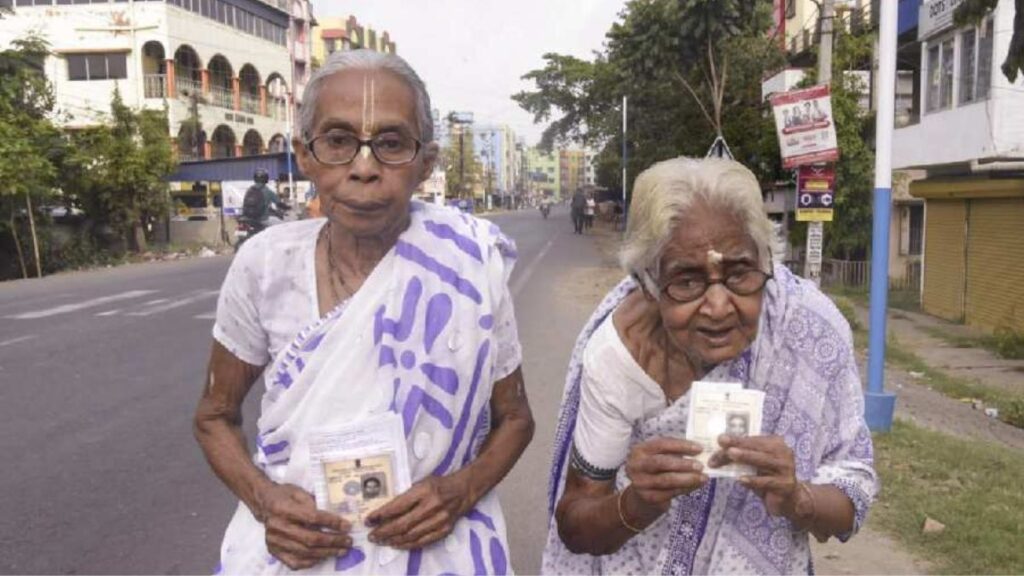
Despite the record turnout, sporadic violence erupted in several areas. Incidents were reported in Chapra, Shantipur, Bhangar, and Nimtala. A BJP polling agent in Nadia alleged assault by TMC supporters. Clashes also broke out in Bhabanipur and Kolkata’s Kalighat area, prompting lathi charges by security personnel.
Around 2,400 companies of Central Armed Police Forces were deployed across 41,001 polling stations. However, CM Mamata Banerjee strongly alleged that central forces were favouring the BJP, calling the situation “unprecedented.” TMC MP Abhishek Banerjee further alleged that an elderly voter, 80-year-old Purnachandra Dalui, died after being pushed by central forces in Howrah — a claim that added serious emotional weight to an already charged day.
The RG Kar Case: Emotion Meets Electoral Politics
One of the most emotionally powerful stories of the election centred on Ratna Debnath, the mother of the doctor who was raped and murdered at RG Kar Medical College in 2024. Contesting from Panihati as a BJP candidate, she entered the electoral arena not for power — but for justice.
Her husband became visibly emotional while speaking to reporters: “It is very sad that we had to resort to electoral politics to seek justice for our daughter.” After voting concluded, Ratna Debnath said firmly, “People will uproot and throw out the TMC.” Her courage reminded an entire nation why elections carry so much more than political meaning.
Notable Voters and Memorable Moments
- 🏏 Sourav Ganguly cast his vote in Behala, standing quietly in line like any other citizen.
- 🙏 ISKCON monks walked to polling stations chanting devotional songs.
- 👩⚕️ Catholic nuns from the Missionaries of Charity voted at St Mary’s School in Kolkata.
- 🛺 TMC MP Mahua Moitra arrived by electric rickshaw, complying with EC vehicle restrictions.
- 👵 Octogenarian Maya Rani Vishwas insisted on voting personally — a reminder that democracy belongs to everyone.
What Happens Next?
The EVMs are sealed. The votes are cast. Now, all eyes turn to May 4, 2026 — when vote counting begins for all 294 Assembly constituencies. The central question is clear: Will Mamata Banerjee secure a historic fourth consecutive term, or will the BJP finally break through in Bengal?
Whatever the result, one truth is undeniable — West Bengal’s voters showed up in extraordinary numbers. They braved allegations, violence, and uncertainty to exercise their democratic right. That alone is a victory worth celebrating.
Results on May 4 will reveal whether this record turnout becomes a mandate for change — or a reaffirmation of continuity.
Key Takeaways
- West Bengal recorded a historic 92.47% voter turnout.
- Bhabanipur became the biggest political battlefield of Phase 2.
- EVM tampering allegations triggered possible repoll discussions.
- Violence and clashes occurred in multiple constituencies.
- The RG Kar case emerged as a deeply emotional election issue.
- Political parties exchanged sharp accusations throughout polling day.
- Results for all 294 Assembly seats will be announced on May 4.
Frequently Asked Questions About West Bengal Assembly Elections 2026 Phase 2
What made West Bengal Assembly Elections 2026 Phase 2 historically significant?
West Bengal Assembly Elections 2026 Phase 2 created a moment that will be remembered for generations. For the first time since Independence, the state recorded a combined voter turnout of 92.47% across both phases — shattering the previous record of 84.72% set in 2011. What made this even more emotional was seeing elderly voters, grieving mothers, and ordinary citizens walking miles just to exercise their democratic right. This was not merely an election. It was a declaration that Bengal’s spirit cannot be suppressed.
How many constituencies voted in West Bengal Assembly Elections 2026 Phase 2?
West Bengal Assembly Elections 2026 Phase 2 covered 142 constituencies spread across seven key districts of south Bengal, including Kolkata, Howrah, North and South 24 Parganas, Nadia, Hooghly, and Purba Bardhaman. Together with Phase 1, the fate of 2,926 candidates contesting across all 294 Assembly constituencies was sealed inside EVMs. In the 2021 elections, the TMC had dominated this region by winning 123 of these 142 seats, making the 2026 contest even more fiercely watched.
Which district recorded the highest voter turnout in West Bengal Assembly Elections 2026 Phase 2?
East Burdwan proudly led all districts in West Bengal Assembly Elections 2026 Phase 2, recording an impressive 93.44% voter turnout. South 24 Parganas followed closely at 91.60%, with North 24 Parganas at 91.57% and Hooghly at 91.46%. Even Kolkata South, which recorded the lowest turnout, still crossed 87%. These numbers reflect something far deeper than statistics. They show a population that genuinely cares about its future and refused to let fear, violence, or controversy keep them away from the ballot box.
What happened in the Bhabanipur constituency during West Bengal Assembly Elections 2026 Phase 2?
Bhabanipur became the beating heart of West Bengal Assembly Elections 2026 Phase 2. Chief Minister Mamata Banerjee of the Trinamool Congress faced Leader of Opposition Suvendu Adhikari of the BJP in the most emotionally charged and politically significant contest of the entire election season. Mamata confidently declared TMC was winning Bengal before casting her vote. Adhikari, meanwhile, predicted a 30,000-vote victory margin for himself. Both leaders visited the same polling area without exchanging a single word. That silence between them said everything about the intensity of this historic rematch.
Were there EVM tampering allegations during West Bengal Assembly Elections 2026 Phase 2?
Yes, EVM tampering allegations became one of the most serious controversies surrounding West Bengal Assembly Elections 2026 Phase 2. BJP alleged that tape was placed over its button on EVMs at multiple booths in Falta, under the Diamond Harbour constituency. BJP IT cell chief Amit Malviya labelled it the Diamond Harbour Model and demanded a repoll. The West Bengal CEO responded seriously, flagging 77 EVM tampering cases and confirming that repolling would be ordered at affected booths pending verification. This controversy added a deeply troubling layer to an otherwise historic voting day.
How did women voters perform in West Bengal Assembly Elections 2026 Phase 2?
Women voters delivered one of the most inspiring performances in West Bengal Assembly Elections 2026 Phase 2. Female turnout reached 93.24%, significantly outpacing male participation at 91.74%. This achievement carries enormous meaning. From young first-time voters to elderly women who insisted on casting their ballots personally, women across Bengal made their voices heard with remarkable determination. Their participation not only broke records but also sent a powerful message that the women of West Bengal are deeply invested in shaping the political future of their state.
What role did the RG Kar Medical College case play in West Bengal Assembly Elections 2026 Phase 2?
The RG Kar Medical College rape and murder case cast a long, emotional shadow over West Bengal Assembly Elections 2026 Phase 2. Ratna Debnath, the mother of the victim, contested from Panihati as a BJP candidate, transforming personal grief into political purpose. Her husband became visibly emotional while speaking to reporters about going to vote, describing it as very sad that they had to resort to electoral politics to seek justice. Her courage resonated deeply with millions of voters who saw her candidacy as a reminder that justice delayed must never become justice denied.
What security arrangements were made during West Bengal Assembly Elections 2026 Phase 2?
West Bengal Assembly Elections 2026 Phase 2 saw one of the most extensive security deployments in recent electoral history. Around 2,400 companies of Central Armed Police Forces were deployed across 41,001 polling stations. Additionally, NIA officials were stationed in at least seven Assembly seats, including Kasba, Bhangar, and Baruipur, after the Election Commission directed the federal agency to prevent bomb-related disruptions. Furthermore, 700 companies of central forces were confirmed to remain in Bengal for 60 days after polling concluded, to prevent post-election violence and maintain peace during the sensitive counting period.
What were the major incidents of violence during West Bengal Assembly Elections 2026 Phase 2?
Despite the historic turnout, West Bengal Assembly Elections 2026 Phase 2 was unfortunately marked by sporadic violence across several areas. Incidents were reported from Chapra, Shantipur, Bhangar, and Nimtala. A BJP polling agent in Nadia alleged assault by TMC supporters. Clashes erupted in Bhabanipur and Kalighat, prompting lathi charges by security personnel. A BJP candidate’s vehicle was allegedly vandalized in Basanti. TMC MP Abhishek Banerjee also alleged that an 80-year-old voter died after being pushed by central forces in Howrah, adding deep emotional weight to an already tense and charged voting day.
When will the results of West Bengal Assembly Elections 2026 Phase 2 be declared?
The results of West Bengal Assembly Elections 2026 Phase 2 will be declared on May 4, 2026, when vote counting begins simultaneously for all 294 Assembly constituencies across both phases. The central question on every Bengali mind is whether Chief Minister Mamata Banerjee will secure a historic fourth consecutive term for the Trinamool Congress or whether the BJP will finally achieve the political breakthrough it has been working toward for years. Whatever the outcome, the record-breaking voter turnout has already ensured that May 4 will be one of the most anticipated and closely watched results days in West Bengal’s democratic history.






Leave a Reply